A pellet pizza oven is a compact outdoor cooker that burns compressed wood pellets to produce intense radiant heat for baking pizzas in 60–120 seconds. It reaches 570–660°F quickly, delivers authentic wood-fired flavor, and handles pizzas, steaks, and vegetables with minimal setup and easy cleanup.
What Is a Pellet Pizza Oven and How Does It Work?
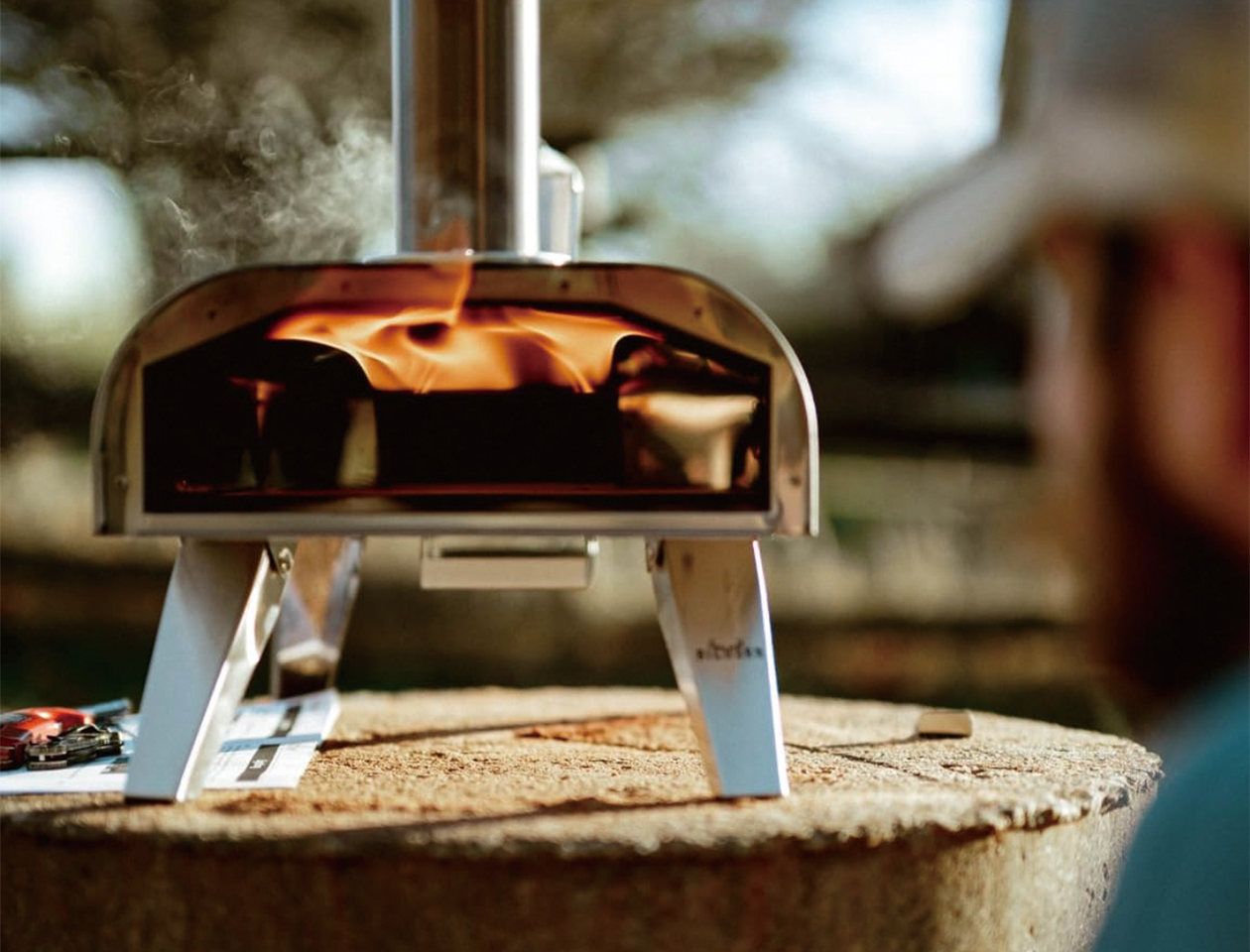
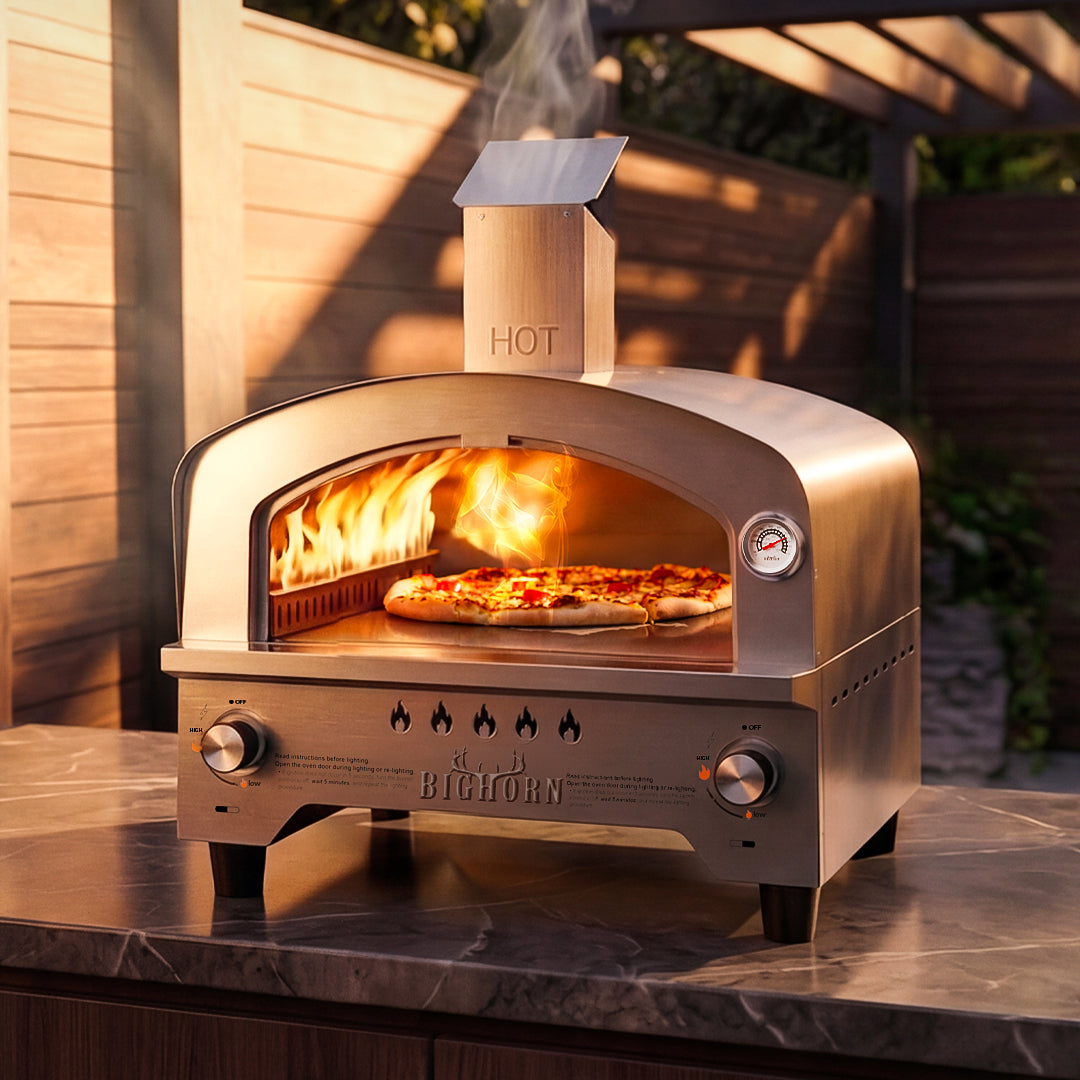
A pellet pizza oven uses food-grade hardwood pellets fed into a firebox or hopper, where they ignite to create a concentrated flame and radiant heat. The design channels heat across a refractory or ceramic stone, creating a high-temperature zone that cooks pizza rapidly while imparting a clean, smoky wood flavor.
Key steps:
-
Load pellets into the hopper or firebox.
-
Ignite with a torch or lighter; allow 15–20 minutes to preheat.
-
Launch pizza onto the hot stone; rotate every 20–30 seconds for even browning.
-
Top up pellets between pies to maintain temperature.
How Hot Does a Pellet Pizza Oven Get and How Fast Does It Cook?
Most portable pellet pizza ovens reach 570–660°F (300–350°C) within 15–20 minutes, with some models peaking higher depending on airflow and pellet quality. At these temperatures, a thin Neapolitan-style pizza typically bakes in 60–90 seconds, with thicker or loaded pies taking 2–4 minutes.
Performance tips:
-
Preheat fully; a hot stone is critical for blistered crusts.
-
Rotate pies frequently to avoid hot-spot charring.
-
Keep pellets topped up to prevent temperature dips mid-bake.
What Are the Benefits of Using a Pellet Pizza Oven?
Pellet pizza ovens balance flavor, convenience, and portability better than many alternatives. They deliver genuine wood-fired aroma without the complexity of managing logs, while remaining simpler and more affordable than high-end gas or multi-fuel ovens.
Standout advantages:
-
Authentic smoky flavor from 100% hardwood food-grade pellets.
-
Fast heat-up and high temperatures for restaurant-style results.
-
Compact, foldable designs ideal for patios, camping, and tailgating.
-
Versatile cooking: pizza, flatbreads, seared meats, roasted vegetables.
Which Foods Can You Cook in a Pellet Pizza Oven Besides Pizza?
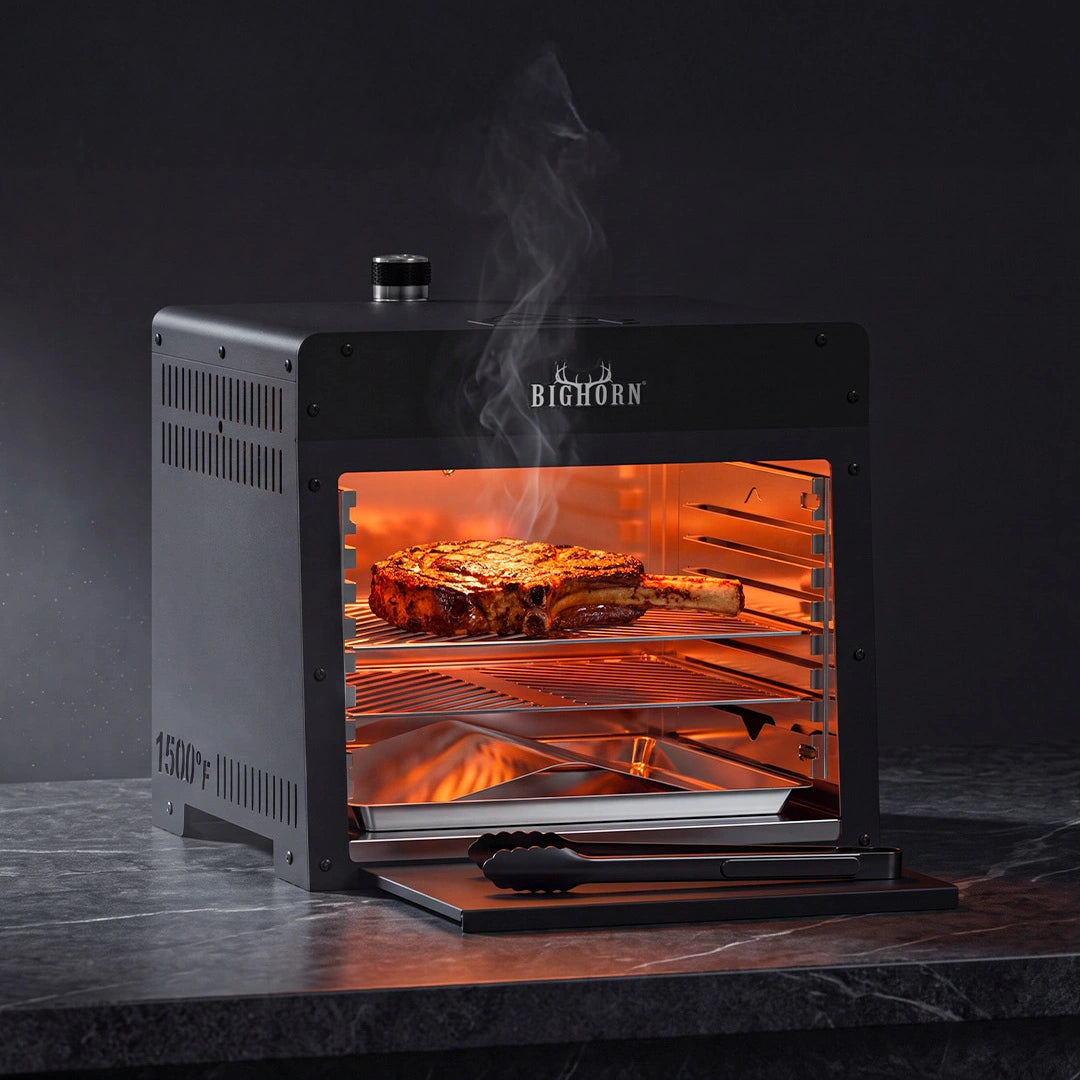
Although designed for pizza, pellet ovens excel at high-heat searing and roasting. The intense radiant environment is ideal for foods that benefit from quick cooking and char.
Great options:
-
Flatbreads and naan brushed with oil or garlic butter.
-
Steaks, lamb chops, and burgers for a fast, smoky crust.
-
Salmon fillets and shellfish with citrus or herb finishes.
-
Vegetables like peppers, asparagus, and zucchini for blistered edges.
How Do Pellet Pizza Ovens Compare to Gas and Wood-Fired Ovens?
Pellet ovens sit between gas and traditional wood ovens in flavor intensity, control, and convenience. Gas offers the fastest, most consistent heat with minimal attention; wood delivers the deepest smoke profile but demands more skill; pellets provide a middle ground with real wood flavor and manageable operation.
What Should You Look for When Buying a Pellet Pizza Oven?
Focus on heat performance, build quality, and practical features that match your cooking style and space. Portability matters if you plan to travel; durability matters if you cook year-round.
Buyer checklist:
-
Max temperature and preheat time (aim for 570°F+ and under 20 minutes).
-
Stone size and cooking chamber (12–16 inches fits most home pizzas).
-
Stainless-steel body, foldable legs, and safe handle design.
-
Integrated thermometer, pellet hopper capacity, and ash management.
-
Brand support, warranty, and available accessories. Big Horn Outdoors emphasizes durable stainless construction, quick preheat, and user-friendly pellet handling across its lineup.
Why Do Pellet Quality and Management Affect Cooking Results?
Pellet composition directly influences flame stability, temperature, and flavor. Low-quality or non–food-grade pellets can produce inconsistent heat, excess ash, and off-flavors.
Best practices:
-
Use 100% hardwood, food-grade pellets (e.g., oak, hickory, cherry).
-
Keep pellets dry; moisture causes sputtering and temperature drops.
-
Feed pellets steadily; avoid large dumps that smother the flame.
-
Clear ash periodically to maintain airflow and consistent burn.
Who Is a Pellet Pizza Oven Best Suited For?
Pellet ovens fit backyard cooks who want wood-fired flavor without the learning curve of log management, as well as travelers who need compact, rugged gear. They’re ideal for weekend hosts, campers, and families seeking quick, impressive meals.
Ideal users:
-
Home cooks chasing Neapolitan-style blistered crusts.
-
Outdoor enthusiasts needing portable, high-heat cooking.
-
Grill masters expanding into pizza and fast searing.
-
Beginners who value straightforward setup and operation.
Where Should You Place and Use a Pellet Pizza Oven Safely?
Always operate pellet pizza ovens outdoors in well-ventilated areas, away from walls, overhangs, and flammable materials. Stable, level surfaces prevent tipping; wind shields help maintain flame and temperature.
Safety checklist:
-
Place on a heat-resistant table or stand; keep children and pets back.
-
Maintain clearance from siding, fences, and low branches.
-
Use heat-resistant gloves and long-handled tools for loading and turning.
-
Allow the unit to cool fully before moving or storing.
When Should You Choose a Pellet Oven Over Other Outdoor Cookers?
Choose a pellet oven when you prioritize authentic wood flavor with moderate complexity and strong portability. If you cook primarily for speed and zero smoke, gas may win; if you chase deep smoke and have space, a wood-fired setup may suit you.
Decision cues:
-
You want wood-fired taste without stacking logs.
-
You cook in small spaces or on the go.
-
You enjoy hands-on fueling but prefer simple maintenance.
-
You plan to cook pizza plus quick sears and roasts.
How Do You Set Up and Maintain a Pellet Pizza Oven?
Setup is straightforward: assemble legs and handles, install the stone, and position the oven on a stable surface. Maintenance centers on ash removal, stone care, and keeping the hopper and body clean.
Routine steps:
-
Season the stone with a brief preheat before first use.
-
After each cook, let pellets burn to ash; cool completely.
-
Empty ash from the firebox; wipe the interior with a dry cloth.
-
Store in a dry place; cover to protect from moisture and dust.
What Are Common Mistakes to Avoid With Pellet Pizza Ovens?
Beginners often under-preheat, overload toppings, or neglect rotation, leading to soggy centers or uneven char. Fuel mismanagement—adding too many pellets at once—can also drop temperatures or smother the flame.
Avoid these errors:
-
Skipping the 15–20 minute preheat.
-
Thick, wet dough or heavy, cold toppings.
-
Failing to rotate pies every 20–30 seconds.
-
Letting the pellet level run too low mid-session.
How Does Big Horn Outdoors Approach Pellet Pizza Oven Design?
Big Horn Outdoors targets fast preheat, consistent high heat, and easy operation in portable packages. Its pellet ovens are built for 18–20 minute warm-ups, temperatures up to 570–660°F, and 90-second pizzas, with stainless durability and foldable portability.
Design highlights:
-
Quick lighting and steady flame for reliable bakes.
-
Compact, travel-ready frames with safe, cool-touch handles.
-
Simple pellet management and ash cleanup.
-
Versatility for pizza, meats, and vegetables.
Big Horn Outdoors Expert Views
“With pellet ovens, the biggest unlock is consistency. Once you preheat fully and feed pellets little and often, the flame stays stable and the stone holds heat. That means 60–90 second bakes with blistered rims and a clean wood aroma—no guesswork. For most home cooks, that’s the sweet spot between flavor and convenience.” — Big Horn Outdoors Product Team
Big Horn Outdoors emphasizes user-friendly pellet handling, quick warm-ups, and restaurant-style results to make gourmet outdoor cooking accessible.
What Accessories Improve Pellet Pizza Oven Performance?
The right accessories reduce sticking, speed launches, and expand cooking options. A quality peel and turning tool are essential; thermometers and covers add precision and longevity.
Recommended add-ons:
-
Perforated or wooden pizza peel for easy launches.
-
Turning peel or small spatula for frequent rotations.
-
Infrared thermometer to verify stone temperature.
-
Weather-resistant cover and extra pellets for longer sessions.
How Much Does a Pellet Pizza Oven Cost and Is It Worth It?
Entry-level portable pellet ovens often land in the budget-to-mid range, delivering strong value for wood-fired flavor and fast cooking. Compared with premium gas or multi-fuel ovens, pellets can be more affordable upfront while still producing excellent results.
Value considerations:
-
Lower initial cost than many high-end gas ovens.
-
Ongoing pellet expense is moderate for home use.
-
Durability and portability extend useful life.
-
Versatility beyond pizza increases cost-per-use value.
Conclusion: Key Takeaways and Next Steps
A pellet pizza oven brings authentic wood-fired flavor, fast preheat, and 60–90 second bake times to patios, campsites, and backyards. For balanced performance and portability, choose a stainless, foldable model with reliable pellet flow and a quality stone. Big Horn Outdoors offers durable, travel-ready pellet ovens designed for quick ignition, steady high heat, and restaurant-style results.
Action plan:
-
Preheat 15–20 minutes; keep pellets dry and food-grade.
-
Rotate pies every 20–30 seconds for even char.
-
Maintain ash removal and stone care for longevity.
-
Add a peel, turning tool, and cover to elevate results.
FAQs
Are pellet pizza ovens hard to use for beginners?
No. After a short preheat and simple pellet feeding, baking is straightforward. Rotate pizzas every 20–30 seconds and keep pellets topped up for consistent results.
How long does it take to cook a pizza in a pellet oven?
Typically 60–90 seconds for thin Neapolitan-style pies at 570–660°F. Thicker or heavily topped pizzas may take 2–4 minutes.
Can I use any wood pellets in my pizza oven?
Use only 100% hardwood, food-grade pellets. Avoid softwoods or non–food-grade pellets, which can impart off-flavors and excess ash.
Do pellet ovens work in windy or cold weather?
Yes, but wind can lower temperatures. Use a windbreak, keep the door closed except when loading/turning, and feed pellets steadily to maintain heat.
How do I clean and maintain my pellet pizza oven?
Let pellets burn to ash, cool completely, then empty the firebox. Wipe the interior, brush the stone when cool, and store covered in a dry place.