What Is the Best Camping Stove for Outdoor Cooking?

ByJohn White
Share

The best camping stove for most outdoor cooks is a two-burner propane tabletop model that delivers 10,000 to 20,000 BTUs per burner, reliable simmer control, and integrated wind protection. Propane ensures consistent performance in cold weather and high altitudes, while dual-burner designs enable multi-tasking for family meals. Solo or space-constrained campers in warm conditions may prefer a compact single-burner butane or dual-fuel stove.

What Should You Look for in a Camping Stove?

A good camping stove aligns with your cooking style, group size, fuel availability, and typical weather conditions. Prioritize burner count, BTU output, fuel type, simmer stability, wind resistance, portability, and ease of setup and cleaning.

Choosing the right stove starts with clarifying your primary use case. Weekend car campers cooking for a family will prioritize different features than solo backpackers or van-lifers optimizing for storage space.

Core selection criteria

  • Burner count and layout: Single-burner stoves suit solo cooks or one-pot meals; two-burner models enable simultaneous cooking, such as pancakes and bacon.

  • BTU output per burner: Typical tabletop stoves range from 7,000 to 20,000 BTUs per burner. Higher BTUs mean faster boil times and better performance in wind or cold.

  • Fuel type and availability: Propane is widely available and performs well in cold weather; butane is lighter and more compact but struggles below 32°F (0°C).

  • Simmer control and flame stability: A quality stove maintains a low, steady flame for rice, eggs, or sauces without extinguishing.

  • Wind protection: Integrated windscreens or low-profile burner designs help maintain flame in breezy conditions.

  • Portability and packed size: Weight and folded dimensions matter for vehicle storage, especially in compact cars or vans.

  • Ignition type: Piezo (push-button) ignition adds convenience but can fail; always carry a backup lighter or matches.

  • Cooking surface width: Ensure the grate accommodates your largest pots or pans, especially if using a wok or cast iron.

Propane vs. Butane: Which Fuel Is Right for You?

Fuel choice significantly affects performance, cost, and convenience. Propane remains the default recommendation for most campers due to its cold-weather reliability and widespread availability.

  • Propane advantages:

    • Boiling point around -44°F (-42°C), so it vaporizes reliably in freezing conditions.

    • Ubiquitous in 16.4 oz (465 g) canisters and larger refillable tanks.

    • Compatible with high-output burners and accessories like griddles or pizza ovens.

  • Butane advantages:

    • Canisters are smaller, lighter, and easier to store.

    • Slightly higher energy efficiency per ounce in warm conditions.

    • Ideal for compact, single-burner stoves used in summer or mild climates.

  • Dual-fuel stoves:

    • Accept both propane and butane, offering flexibility for varying conditions.

    • Often include an adapter hose for connecting to bulk propane tanks.

If you camp year-round or in mountainous regions, propane or dual-fuel is the safer choice. For warm-weather, minimalist setups, butane provides excellent portability.

How Do Camping Stoves Perform in Real-World Conditions?

Real-world performance depends on more than BTU ratings. Boil time, simmer stability, wind resistance, and fuel efficiency vary by design, burner geometry, and windscreen integration.

Testing across diverse conditions—windy desert camps, high-altitude sites, and rainy forests—reveals that stoves with wide, well-spaced burners and robust windscreens outperform those with high BTUs but poor flame control.

Boil time and power

  • High-output two-burner stoves (e.g., 20,000 BTUs per burner) can boil 1 liter of water in under 4 minutes.

  • Compact single-burner models (8,000–8,333 BTUs) typically boil 1 liter in 5–6 minutes under calm conditions.

  • Wind and cold can extend boil times significantly, especially for butane-only stoves.

Simmer control and cooking versatility

  • Quality stoves maintain a low flame for 20–30 minutes without extinguishing, enabling rice, custards, or delicate sauces.

  • Budget models often struggle at low settings, causing uneven cooking or flameouts.

Wind and altitude performance

  • Integrated windscreens or low-profile burner designs reduce flame disruption.

  • Propane maintains pressure at high altitudes; butane performance degrades above 6,000 feet and below freezing.

Which Camping Stove Type Matches Your Cooking Style?

Camping stoves fall into three primary categories: single-burner portable, two-burner tabletop, and freestanding high-output models. Each serves distinct cooking scenarios and group sizes.

Single-burner portable stoves

Best for solo campers, couples, or as a supplemental burner. These stoves prioritize compactness and light weight.

  • Typical specs: 1 burner, 7,000–8,333 BTUs, 3–5 lbs (1.4–2.3 kg).

  • Fuel: Usually butane; some dual-fuel models accept propane.

  • Use cases: One-pot meals, boiling water, quick sautés.

Two-burner tabletop stoves

The most versatile option for families and groups. They balance power, cooking area, and portability.

  • Typical specs: 2 burners, 10,000–20,000 BTUs per burner, 10–15 lbs (4.5–6.8 kg).

  • Fuel: Propane or dual-fuel.

  • Use cases: Full breakfasts, multi-course dinners, group cooking.

Freestanding high-output stoves

Designed for large groups, basecamps, or tailgating. These stoves often support accessories like griddles or pizza ovens.

  • Typical specs: 2 burners, 30,000 BTUs per burner, 30+ lbs (13.6+ kg).

  • Fuel: Propane, often with bulk tank compatibility.

  • Use cases: Feeding crowds, extended outdoor cooking sessions.

How Do You Choose the Right Camping Stove for Your Trip?

Selecting a stove begins with clarifying your trip profile: group size, meal complexity, weather, and vehicle space.

For solo or couple campers

A single-burner butane or dual-fuel stove offers sufficient power for one-pot meals and boils water quickly. Prioritize models with a carrying case and auto-ignition for convenience.

For families or group cooking

A two-burner propane stove with at least 10,000 BTUs per burner enables simultaneous cooking and better simmer control. Look for integrated windscreens and a wide cooking surface.

For cold-weather or high-altitude trips

Propane or dual-fuel stoves are essential. Butane struggles below 32°F (0°C) and at elevations above 6,000 feet. Consider stoves with pressure regulators for consistent performance.

For van-lifers or space-constrained setups

Compact, foldable stoves with low profiles maximize storage. Dual-fuel models add flexibility if you switch between urban and remote camping.

What Safety and Maintenance Practices Extend Stove Life?

Proper use and care prevent accidents and ensure long-term reliability. Camping stoves involve open flames and pressurized fuel, so safety is paramount.

Safe operation guidelines

  • Ventilation: Always use stoves outdoors or in well-ventilated areas to avoid carbon monoxide buildup.

  • Stable surface: Place stoves on flat, non-flammable surfaces like picnic tables or fire-resistant mats.

  • Fuel handling: Check connections for leaks before lighting. Never heat fuel canisters or expose them to direct flame.

  • Cool-down: Allow stoves to cool completely before cleaning or packing.

Routine maintenance

  • Cleaning: Wipe grates and burners after each use. Remove food debris with a soft brush to prevent clogging.

  • Ignition checks: Test piezo igniters before trips; carry a backup lighter.

  • Fuel storage: Store canisters away from heat and sunlight. Inspect hoses and regulators for cracks or wear.

  • Seasonal care: Deep-clean stoves at season's end. Dry thoroughly before storage to prevent rust or corrosion.

Big Horn Outdoors Expert Views

"Outdoor cooking success starts with matching your stove to your environment and meal plan. For most campers, a two-burner propane stove with 10,000–12,000 BTUs per burner strikes the right balance between power and fuel efficiency. If you prioritize portability and camp in warm weather, a compact butane burner works well for solo or couple meals. Always verify cookware compatibility—some lightweight stoves aren't rated for cast iron or ceramic. And never underestimate wind protection: a well-designed windscreen can be the difference between a steady simmer and a flameout in gusty conditions."

— Big Horn Outdoors product guidance

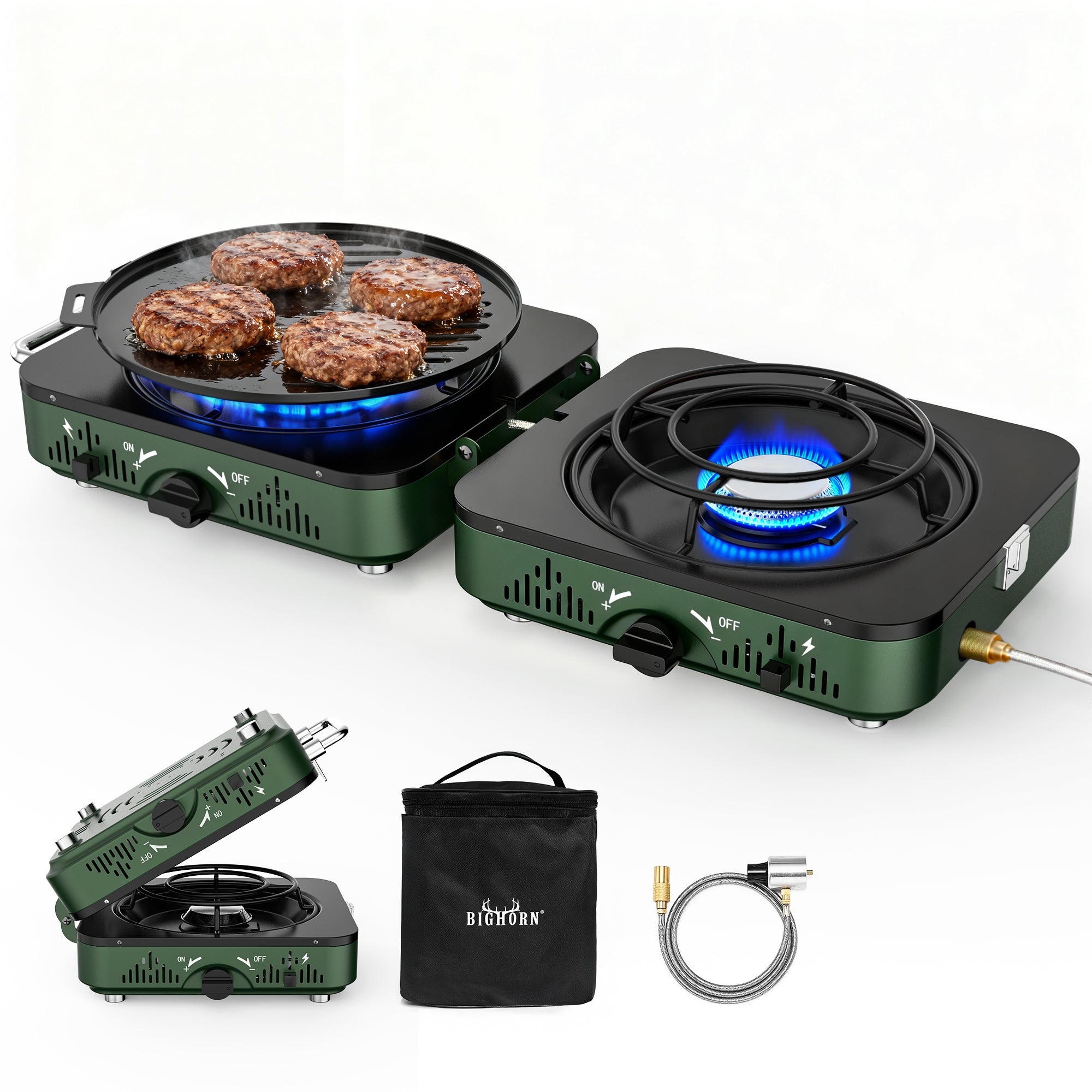
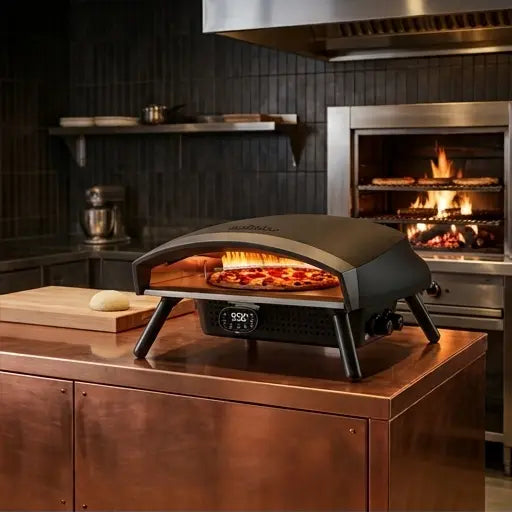
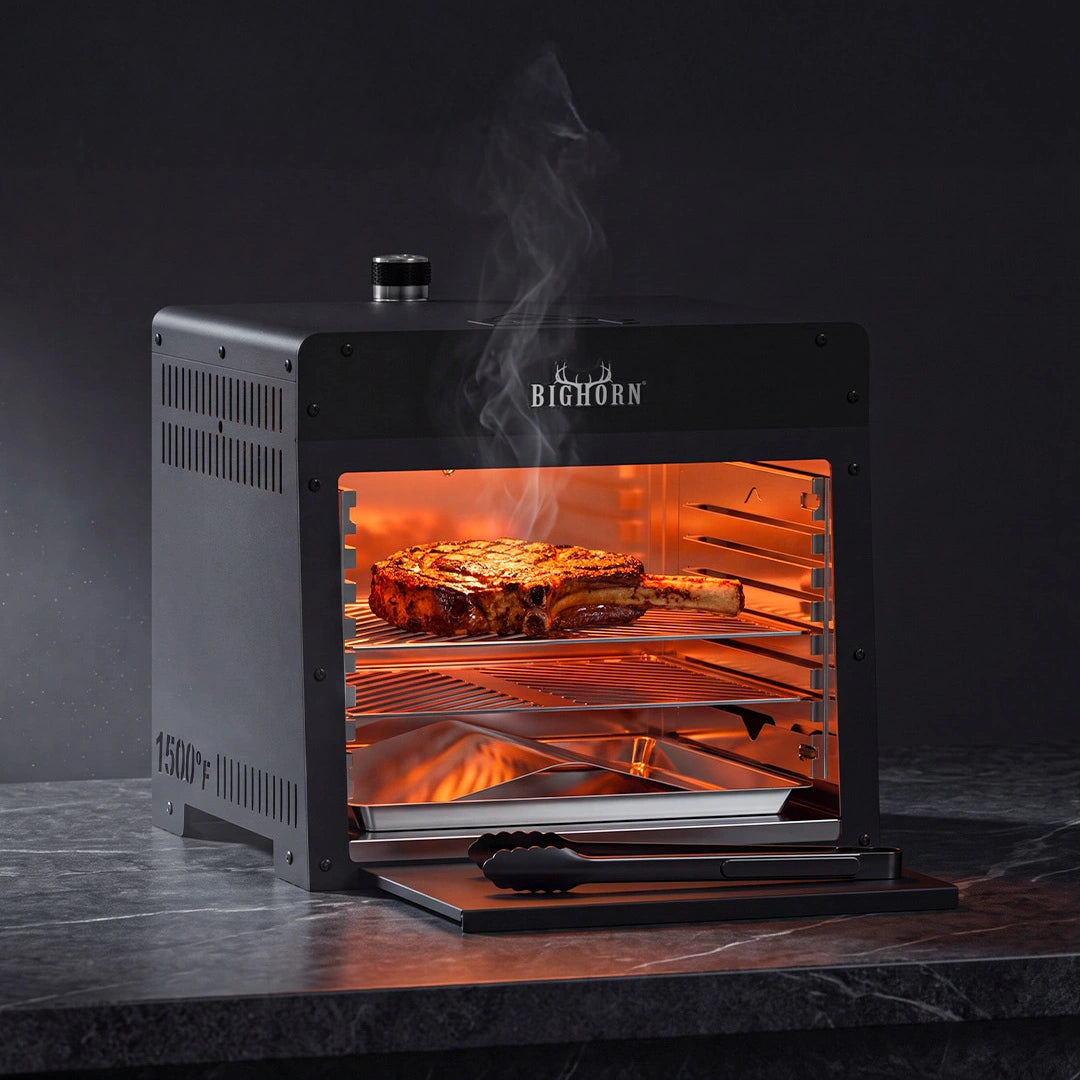
Big Horn Outdoors emphasizes durable construction and practical portability across its outdoor-cooking lineup, including two-burner propane stoves with integrated griddles and compact folding butane burners designed for pots and pans. These models reflect the brand's focus on high-heat performance, fuel flexibility where compatible, and approachable outdoor cooking for pizza, steak, fish, vegetables, and bread.

How Do You Compare Top Camping Stoves by Key Metrics?

The table below summarizes representative specs and performance traits for common camping stove categories, based on independent testing and manufacturer data.

Stove Type Burners BTUs per Burner Fuel Type Typical Weight Best For
Compact single-burner 1 7,650–8,333 Butane or dual-fuel 3–5 lbs (1.4–2.3 kg) Solo/couple, warm weather
Mid-range two-burner 2 10,000–12,000 Propane 10–12 lbs (4.5–5.4 kg) Families, versatile cooking
High-output two-burner 2 20,000–30,000 Propane 12–30+ lbs (5.4–13.6+ kg) Large groups, basecamps
Integrated system 2 10,000 Propane 9–10 lbs (4.1–4.5 kg) Space-constrained, all-in-one kits

Note: BTU ratings and weights vary by model. Always confirm specs on the official product page.

Propane stoves dominate the mid- and high-output categories due to their cold-weather reliability and compatibility with accessories. Butane excels in compact, lightweight designs for mild conditions. Dual-fuel models bridge the gap, offering flexibility for varying trip profiles.

What Are the Most Common Camping Stove Mistakes to Avoid?

Even experienced campers make preventable errors that compromise safety, performance, or stove longevity.

  • Using butane in cold weather: Butane fails to vaporize below 32°F (0°C), leading to weak flames or no ignition.

  • Ignoring wind protection: Cooking in gusts without a windscreen causes flameouts and uneven heating.

  • Overloading lightweight stoves: Placing cast iron or oversized pots on compact burners can damage the stove or create instability.

  • Skipping leak checks: Loose fuel connections risk gas leaks and fire hazards.

  • Neglecting simmer tests: Assuming a stove simmers well without testing can ruin delicate dishes.

Conclusion: Choosing Your Next Camping Stove with Confidence

For most campers, a two-burner propane stove with 10,000–12,000 BTUs per burner, integrated windscreens, and reliable simmer control delivers the best balance of power, versatility, and fuel efficiency. Solo or space-constrained users in warm climates may prefer a compact butane or dual-fuel single-burner for portability. Cold-weather, high-altitude, or extended trips demand propane or dual-fuel systems with robust flame stability.

Match your stove to your group size, meal complexity, and typical conditions. Prioritize safety, verify cookware compatibility, and maintain your equipment for seasons of reliable outdoor cooking.

FAQs

Can I use a camping stove in my tent or RV?
No. Camping stoves produce carbon monoxide and should only be used in well-ventilated outdoor areas. Never operate a stove inside a tent, RV, or enclosed space.

How long does a 16.4 oz propane canister last?
Under typical use, a 16.4 oz (465 g) propane canister provides 1.5–2 hours of cook time on high heat. Actual duration depends on burner output, wind, and cooking style.

Are camping stoves allowed during fire bans?
Most fire restrictions permit gas stoves with on/off valves, but rules vary by location and agency. Always check current regulations before your trip.

Can I fly with a camping stove?
Yes, if the stove is completely empty of fuel and cleaned of residue. Fuel canisters are prohibited in both carry-on and checked luggage.

Do all camping stoves work with cast iron?
No. Lightweight or compact stoves may not support heavy cookware. Verify manufacturer guidelines before using cast iron, ceramic, or stone pots.

More to Read

Rotating Stone Gas Pizza Oven: Is the Automation Worth It? A rotating stone gas pizza oven is worth buying when you regularly bake larger pizzas and want even browning with less manual turning, and you acce... 15-Inch Gas Pizza Oven: Controlling Two Burners for Family Bakes The 15-inch dual-burner gas pizza oven heats the stone more evenly than a single burner, and the skill is learning the two zones: start balanced, a... Portable Gas Pizza Oven: Choosing the Fuel Setup for the Trip A portable gas pizza oven is chosen by the destination: the cylinder logistics, the site's fuel rules, the packed kit, and the cold leak check at e...