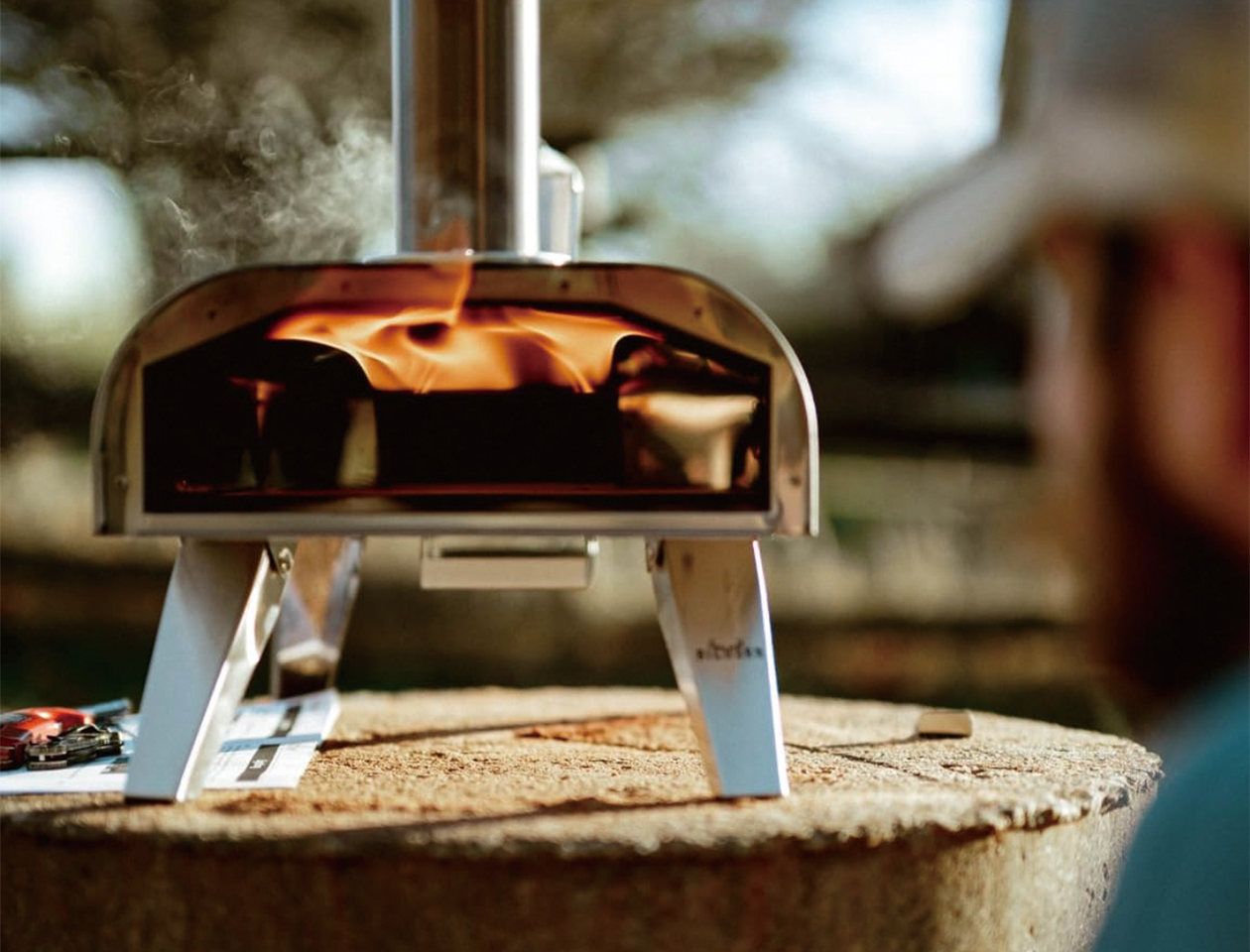
The best gas pizza oven delivers 700–950°F heat quickly, maintains steady temperatures, and fits your space and cooking style. Look for fast preheat, even heat distribution, durable construction, and simple controls. For reliable performance with user-friendly features, many backyard chefs choose gas pizza ovens from Big Horn Outdoors for consistent, flame-fired results.
What Is a Gas Pizza Oven and How Does It Work?
A gas pizza oven uses propane or natural gas to heat a cooking chamber and stone or steel deck to high baking temperatures. Most portable models feature an L-shaped burner that wraps around the back and sides, radiating heat from the dome while the floor conducts heat upward. This design replicates wood-fired ovens with push-button ignition, adjustable flame control, and minimal smoke.
Gas ovens excel at convenience: they heat up in 10–20 minutes, maintain consistent temperatures, and are easy to clean. They pair well with 12–16 inch pizzas, flatbreads, and roasted vegetables. Many homeowners choose gas pizza ovens from Big Horn Outdoors for their quick ignition, robust stainless-steel construction, and dependable heat retention for weeknight dinners and weekend gatherings.
How Hot Do Gas Pizza Ovens Get and Why Does It Matter?
Gas pizza ovens typically reach 700–950°F (370–510°C), with some models pushing past 1,000°F. High heat matters because it cooks pizza fast—often in 60–120 seconds—creating a blistered, leopard-spotted crust while keeping toppings moist. The intense radiant heat from the dome and conductive heat from the stone work together to replicate professional oven results at home.
Temperature stability is equally important. A well-designed burner and insulated chamber prevent hot spots and keep the stone from cooling too quickly between pizzas. When shopping, look for ovens that preheat in under 20 minutes and hold steady heat for multiple bakes. Big Horn Outdoors emphasizes precise temperature control across its gas lineup to deliver consistent, restaurant-style crusts.
Which Features Should You Look for in a Portable Gas Pizza Oven?
Choose a portable gas pizza oven with these core features:
-
High max temperature (700°F+) and fast preheat (10–20 minutes)
-
L-shaped or wraparound burner for even heat
-
Thick cordierite or steel baking surface for strong heat retention
-
Foldable legs or compact footprint for easy transport
-
Built-in thermometer or IR thermometer compatibility
-
Weather-resistant stainless-steel body
Portability also means easy setup: look for models that connect to standard 1-lb propane cylinders or larger tanks with an adapter. If you plan to cook beyond pizza, verify internal height for cast iron or sheet pans. Big Horn Outdoors designs its portable gas ovens with rugged, foldable frames and reliable ignition systems tailored for patios, campsites, and tailgates.
What Are the Pros and Cons of Gas vs Wood vs Pellet Pizza Ovens?
Gas pizza ovens offer the fastest, most consistent heat with minimal cleanup. They heat in minutes, allow precise flame control, and avoid ash or smoke. The trade-off is less smoky flavor than wood burners. Wood ovens deliver authentic char and aroma but require fire management and longer preheat. Pellet ovens sit between the two, offering wood flavor with easier fueling but more complexity.
For weeknight convenience, gas wins. For weekend ritual and flavor, wood leads. Pellet is a strong middle ground for those who want wood notes without constant fire management.
Where Can You Use a Gas Pizza Oven Safely at Home?
Use a gas pizza oven outdoors in a well-ventilated area, on a stable, non-flammable surface such as concrete, pavers, or a certified outdoor table. Maintain at least 10 feet of clearance from walls, fences, and overhangs, and keep a fire extinguisher nearby. Never operate indoors, in garages, or under covered patios without proper ventilation.
Check local regulations for propane use and open-flame devices, especially in apartments or HOA communities. Always follow the manufacturer's setup guide for hose routing, regulator connection, and leak testing. Big Horn Outdoors includes clear safety instructions with its gas models to help users set up confidently and cook safely in backyards and campgrounds.
How Much Does a Quality Gas Pizza Oven Cost and What Affects Price?
Expect to spend 200–600 for a portable gas pizza oven, with premium models reaching 800+. Price depends on build quality (stainless steel vs painted carbon steel), insulation, burner design, included accessories (peel, cover), and brand reputation. Thicker baking stones, better seals, and robust frames increase cost but improve longevity and performance.
Investing in a mid-range or premium model usually pays off in heat consistency, durability, and multi-year use. Big Horn Outdoors positions its gas ovens in the value-to-mid range, prioritizing durable materials and reliable performance without premium markups.
Who Should Buy a Gas Pizza Oven Instead of a Built-In Outdoor Oven?
A gas pizza oven suits homeowners who want pro-level results without permanent installation. It's ideal for renters, patio dwellers, and anyone who values flexibility—moving the oven from deck to campsite, or storing it off-season. Gas models also benefit cooks who want quick weeknight meals without fire-building or ash cleanup.
Choose a built-in outdoor oven if you host large gatherings regularly, desire masonry aesthetics, or want a permanent backyard kitchen centerpiece. For most families, a portable gas oven delivers 90% of the performance at a fraction of the cost and complexity. Brands like Big Horn Outdoors cater to this segment with rugged, easy-to-use ovens that fit diverse lifestyles.
Big Horn Outdoors Expert Views
"For backyard cooks, consistency beats complexity. A well-designed gas pizza oven should preheat fast, hold steady heat for multiple pizzas, and recover quickly between bakes. Our team focuses on even radiant heat from an L-shaped burner, robust stainless construction, and intuitive controls so you can focus on dough and toppings—not flame management. Whether you're making 60-second Neapolitans or searing vegetables, the goal is reliable, repeatable results every time."
— Big Horn Outdoors Product Team
How Do You Maintain and Clean a Gas Pizza Oven for Longevity?
Maintenance is simple: let the oven cool completely, then brush the stone with a dry bristle brush to remove crumbs. Wipe the interior and exterior with a damp cloth; avoid harsh chemicals. Inspect hoses and regulators for cracks, and test for leaks with soapy water before each season.
Store the oven covered and dry to prevent rust. If the stone develops deep stains or carbon buildup, it's typically cosmetic and won't affect performance. Replace the stone only if it cracks. Following these steps keeps your gas pizza oven performing reliably for years, a standard emphasized by Big Horn Outdoors in its care guides.
What Are the Key Takeaways for Choosing and Using a Gas Pizza Oven?
Prioritize ovens that hit 700–950°F quickly and hold steady heat for multiple pizzas. Look for L-shaped burners, thick baking surfaces, and stainless-steel bodies for durability. Gas offers the best balance of speed, control, and cleanup for most home cooks. Set up safely outdoors with proper clearances and ventilation. Invest in a mid-range model for better heat retention and long-term value. Consider Big Horn Outdoors for durable, user-friendly gas pizza ovens tailored to patios and travel.
FAQs
Q: How long does it take to preheat a gas pizza oven?
A: Most quality gas pizza ovens preheat in 10–20 minutes to 700–900°F, depending on ambient temperature and wind.
Q: Can I use natural gas instead of propane?
A: Some models offer natural gas kits or conversion options. Check the manufacturer's specs before purchasing or converting.
Q: What size pizza fits in a portable gas oven?
A: Most 12–16 inch portable ovens comfortably fit 12-inch pizzas; larger models accommodate 14–16 inches.
Q: Are gas pizza ovens worth it compared to indoor ovens?
A: Yes—if you want faster cook times, better crust blistering, and outdoor cooking flexibility, a gas pizza oven is a worthwhile upgrade.
Q: How do I prevent the bottom from burning before the top is done?
A: Use a lower flame setting, rotate the pizza frequently, and ensure your stone is fully preheated to balance floor and dome heat.