Propane is usually easier when the goal is repeatable high-heat pizza; pellets are more engaging when the live-fire process matters. The important correction is that “900°F pizza” should not be treated as a requirement or as a specification every oven can meet. Check the temperature range of the exact model, then choose the fuel by control, workflow, and the style of cooking you enjoy.
Propane Gives You a Direct Control
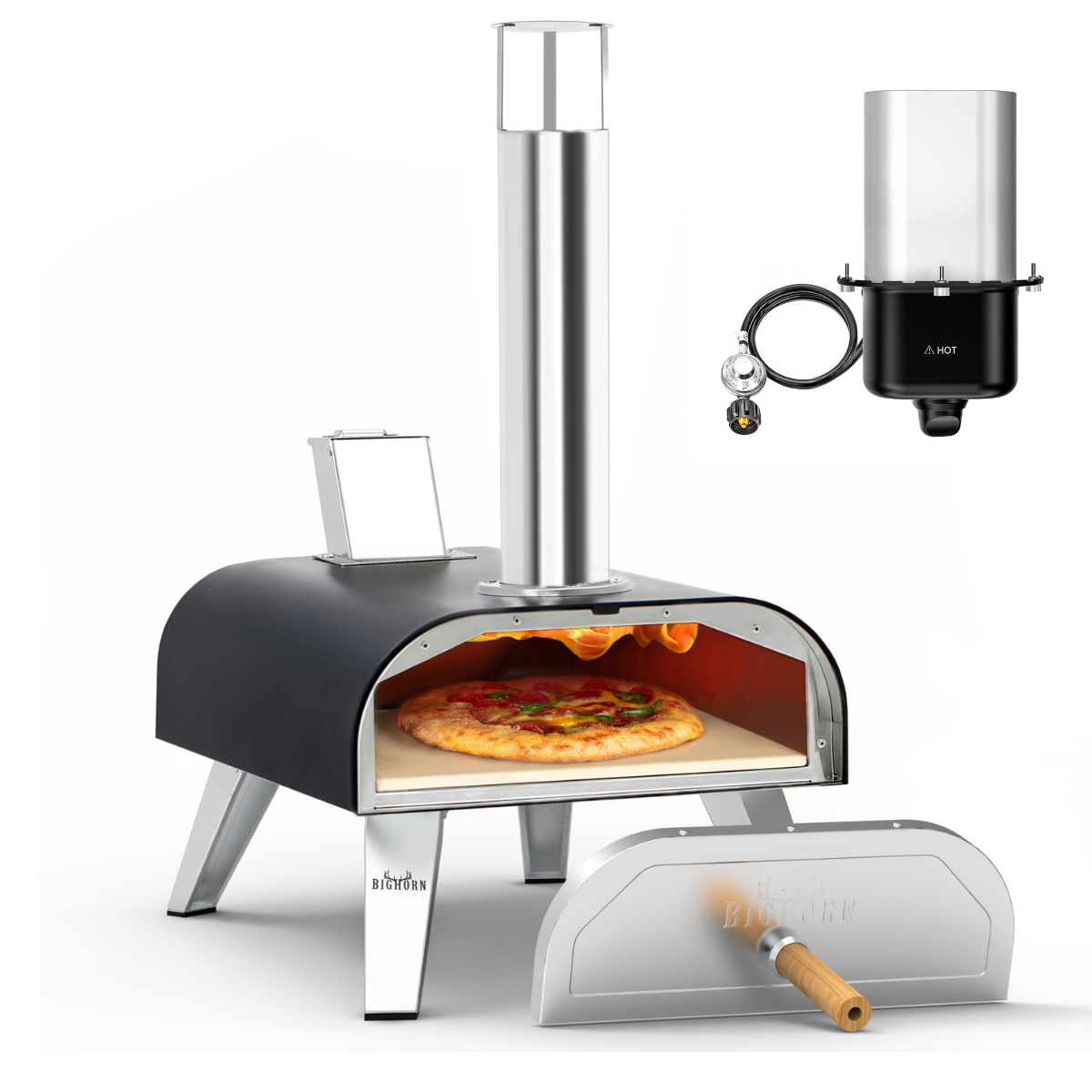
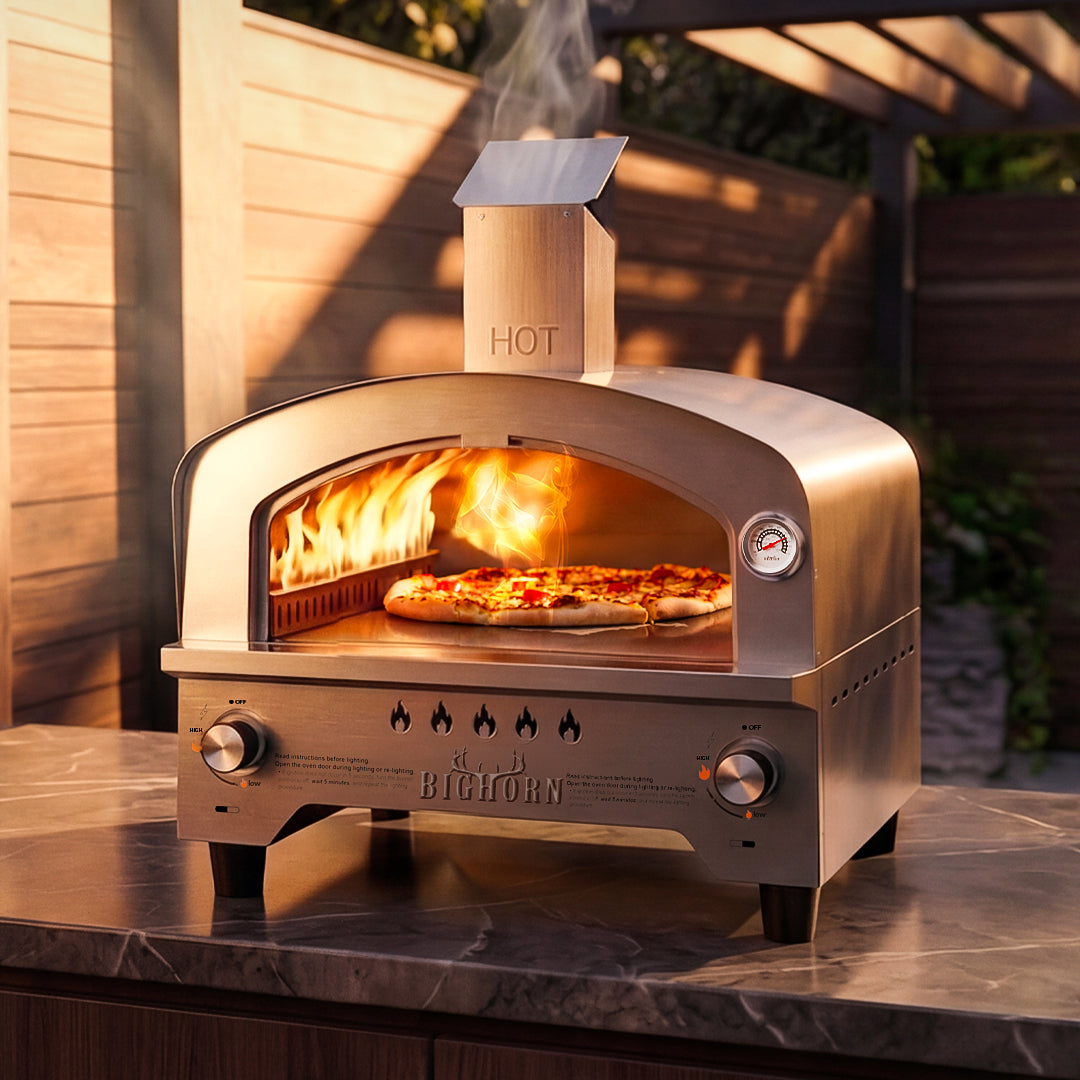
A gas burner responds to a knob. That makes it easier to reduce top heat after the stone is hot, compensate for a windy session, and recover between pizzas without adding fuel by hand. The 12-inch pellet and gas pizza oven is listed to reach 350°C (662°F) in about 20 minutes in gas mode, which is a useful reminder that excellent pizza does not require a 900°F specification.
Pellets Make the Fire Part of the Cooking
Pellet heat depends on dry fuel, a clear feed path, combustion airflow, refill timing, and wind. The process is more hands-on, but some cooks prefer that rhythm. The 12-inch wood pellet pizza oven is designed around that live-fire workflow.
If the flame becomes weak or smoky, the solution is not automatically more fuel. Review the pellet fire-control guide before changing several variables at once.
Flavor Differences Are Smaller Than Many Buyers Expect
Fast pizza spends a short time in the chamber. Wood fuel can contribute aroma and the experience of tending a fire, but fermentation, flour, browning, cheese, sauce, and topping moisture dominate what you taste. Choose pellets because you enjoy live fire, not because propane makes “flavorless” pizza.
Stone Temperature Still Decides the Base
Whether the heat comes from propane or pellets, the stone provides the conductive energy under the dough. A large flame over a cool stone can produce a dark rim and pale base. Give the deck time to recover, especially during back-to-back cooking.
Which Fuel Fits Which Cook?
| Priority | Better starting fit |
|---|---|
| Simple adjustment | Propane |
| Live-fire involvement | Pellets |
| Fast change between heat levels | Propane |
| Wood-fuel ritual and aroma | Pellets |
| Want both options in one outdoor oven | Compatible dual-fuel model |
Beginners comparing the broader choices can also use the gas vs. pellet vs. electric guide. The best fuel is the one whose routine you will still enjoy after the novelty of the first pizza night is gone.