
Yakitori-style skewers on an infrared grill are a turn-and-glaze problem, not a “set it and wait” steak problem. The heat is closer and more even than a narrow charcoal channel, so faces brown faster and a sugary tare will scorch if you brush it on too early. The useful habits are even pieces, frequent turns, and glaze only at the end.
The site already has a broader yakitori and skewers on an infrared grill guide. Use that for skewer setup and a general high-heat menu. Stay here for turn cadence and when the glaze actually belongs on the meat.
The short answer: turn often, and add a sugary glaze only at the end
Cut even pieces, skewer them in one plane, and turn often on a fully preheated infrared grill. Cook the meat nearly through first. Brush on a sweet glaze only for the last few passes, then pull the skewers once the glaze has colored, not blackened. Chicken must reach 165°F.
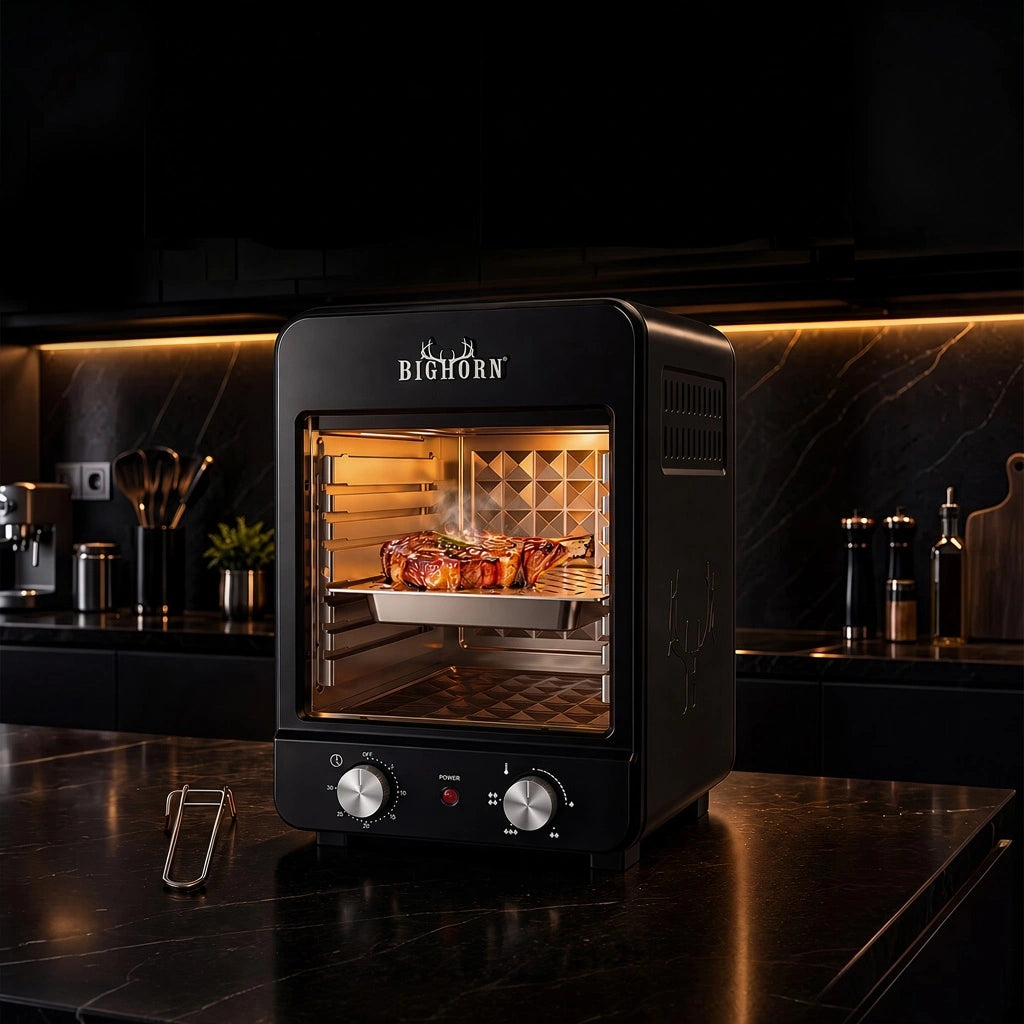
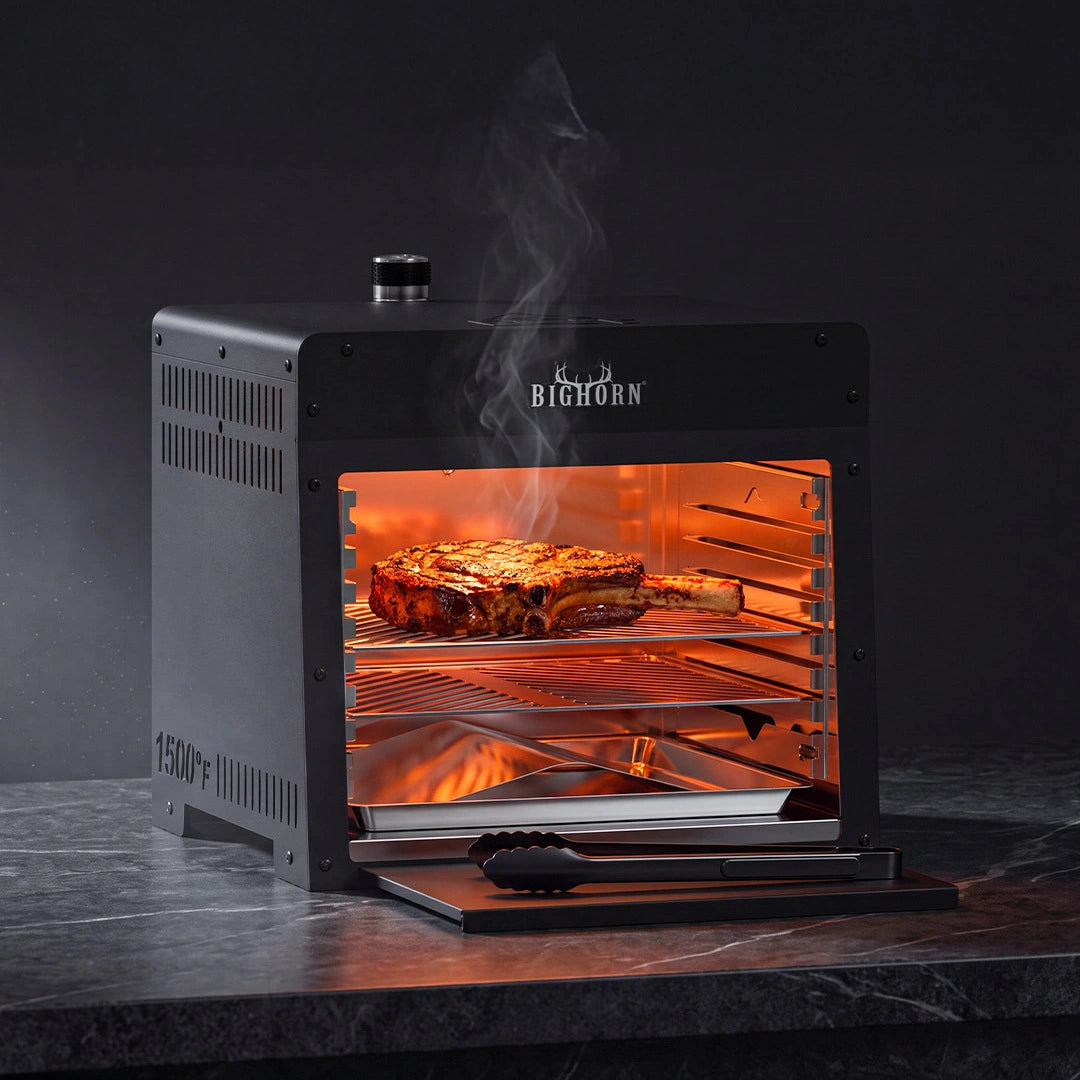
A compact 16-inch infrared steak grill is a short, intense skewer cooker. It is not a binchotan yard bar, and this page will not claim restaurant authenticity for a propane or high-heat infrared setup.
What “yakitori-style” means on a home infrared grill (not a restaurant binchotan claim)
Yakitori, in the narrow sense, is grilled chicken on skewers. In many home kitchens the same habit extends to scallion, mushroom, and a soy-and-sugar tare. That is a style, not a certificate. Infrared will not reproduce a traditional charcoal aroma, and it is not a substitute for binchotan. What it will do is brown small pieces quickly if you turn them and keep sugar off the meat until the end.
Skewer choice, spacing and a dry surface
Cut pieces as even as you reasonably can. Leave a little space between pieces so steam can escape; a tight, packed skewer cooks like a small loaf and burns on the corners. Lay the skewer so every piece faces the heat in one plane. If one end hangs off the grate, that end will lag. Metal skewers stay cooler on the handle if you leave a bare section. Wood skewers can scorch on infrared — soak them, and still watch the tips. Pat the meat dry enough that it is not dripping; a wet surface delays browning and then catches the glaze in a sticky, uneven film.

Turn cadence so edges do not burn before the center sets
Over a narrow charcoal channel, cooks often turn on a slower rhythm because the heat is directional and the skewer can rest between quarters. On infrared, the face you leave down will color in a short window. Turn more often than you think you need to, especially once the pieces have dried and started to brown. You are not looking for a deep, unattended crust on one side. You are looking for even color all around before any glaze goes on. If a thin edge is already dark and a thicker cube is still soft, pull that skewer to a cooler spot and finish the thick piece there.
A small table: chicken, scallion or mushroom skewers versus glaze timing
| On the skewer | When to glaze | Safety or doneness check |
|---|---|---|
| Chicken pieces (the narrow yakitori case) | After the meat is nearly done; last few turns only | 165°F in the thickest piece, not at the skewer tip |
| Scallion or green onion | A very light last-pass glaze, or none if the tips scorch | Do not let long onion tips burn while meat lags |
| Mushroom skewers | Glaze late, and do not flood caps that are still wet | Cook until the caps are hot through and lightly browned |
Common failures: a burnt tare and a raw center
A burnt tare is almost always early sugar plus a still face on the emitter. A raw center is usually packed pieces, uneven cuts, or a glaze that made you pull the skewer before the meat was done. Dry cubes after they were already cooked are the opposite failure: you left them on too long. NFPA grilling safety and CPSC gas-grill safety advice still apply: keep the cooker away from the house, and do not use a gas grill in a garage, breezeway, carport, or porch. Propane Education & Research Council grill-safety guidance is a useful pre-light leak-check reminder.

A simple soy-and-sugar glaze you can make without inventing restaurant recipes as “authentic certified”
A home tare can be as simple as soy sauce, mirin, and a little sugar, simmered until it lightly coats a spoon. Some cooks add a splash of sake. That is a finishing glaze, not a long marinade, and it is not a restaurant certificate. If you soak raw meat in it and then park the skewer on infrared, the sugar will darken before the center is done. Brush, turn, brush again if you need a second coat, and stop. Keep a small bowl of glaze and a clean brush off the grate. Do not dip a brush into a bowl you plan to serve after it has touched raw chicken.
Serving a skewer board next to steaks
Yakitori-style skewers work as a first plate or as a side next to a steak, but they do not share the same clock. Cook the skewers in a batch you can turn, hold the finished ones off the emitter, then sear the steaks. Or cook the steaks first and run the skewers in the still-hot cooker while the meat rests — just remember that a sugary glaze can smoke in a dirty, fatty grate. Extra tare can go on the plate, not back through a raw-meat brush. For a charcoal comparison, the site also has a shish kebab on a charcoal grill page, a different skewer tradition.
When a softer gas-grill zone is easier for guests
If you are feeding a line of guests who will not all eat at the same second, a gas-grill zone with a lid is often calmer than a compact infrared face. You can hold finished skewers on a cooler side, and you have a little more forgiveness if someone asks for “one more” while you are already glazing. Use infrared when you want a short, intense batch and you can stand at the grate. Confirm a current listing in the infrared steak grill collection if that is the cooker you are buying for this job.
Leftovers: FoodSafety.gov and USDA leftover guidance say to refrigerate within two hours (one hour if it is over 90°F) and to reheat leftovers to 165°F. Chicken leftover from a sweet glaze can dry; a gentle reheat is kinder than another infrared blast.
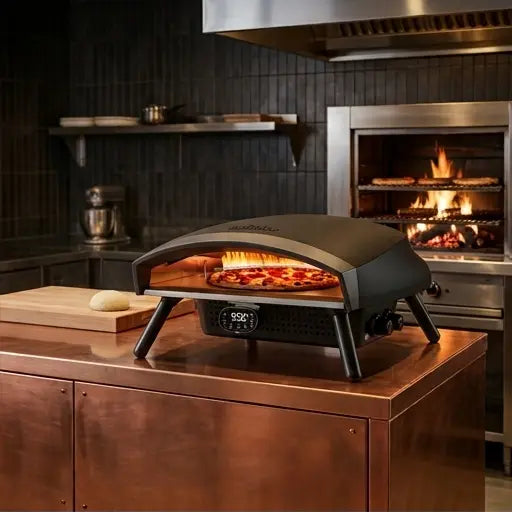
If you are turning yakitori-style skewers on a compact searing cooker, confirm the current 16-inch 1500°F portable infrared steak grill with pizza stone listing, turn often, and save the sweet glaze for the last few passes.
FAQ
What are the downsides of using an infrared grill?
On yakitori-style skewers, the main downside is speed. A close emitter browns faces quickly and will burn a sugary tare if you brush it on too early. Small pieces also dry out if you leave them after they are done. Turn often, glaze late, and keep a cooler landing place for finished skewers.
Can you do yakitori in a charcoal grill?
Yes. A charcoal bed, especially a narrow channel, is the older yakitori path, and a home charcoal grill can cook skewers well if you turn them and glaze late. Infrared is a different, closer heat. For a live-fire skewer comparison on this site, see the charcoal shish kebab guide — a related habit, not the same dish.
How long to cook chicken on an infrared grill?
There is no single minute for chicken skewers. Cut size, packing, and grate distance change the clock. Turn often, add a sugary glaze only at the end, and cook chicken to 165°F, measured in a thick piece, not at a skinny tip. FoodSafety.gov lists 165°F for all poultry.
Is an infrared burner on a grill worth it?
It is worth it if you want a short, intense sear and you will stand there and turn the food. For yakitori-style skewers that means frequent turns and a late glaze, not an unattended cook. If you want a slower, more forgiving guest line, a gas-grill zone is often easier than a compact infrared face.