Grills & Griddles
What Kind of Grill Is Best for Camping? Gas vs Charcoal vs Pellet vs Infrared
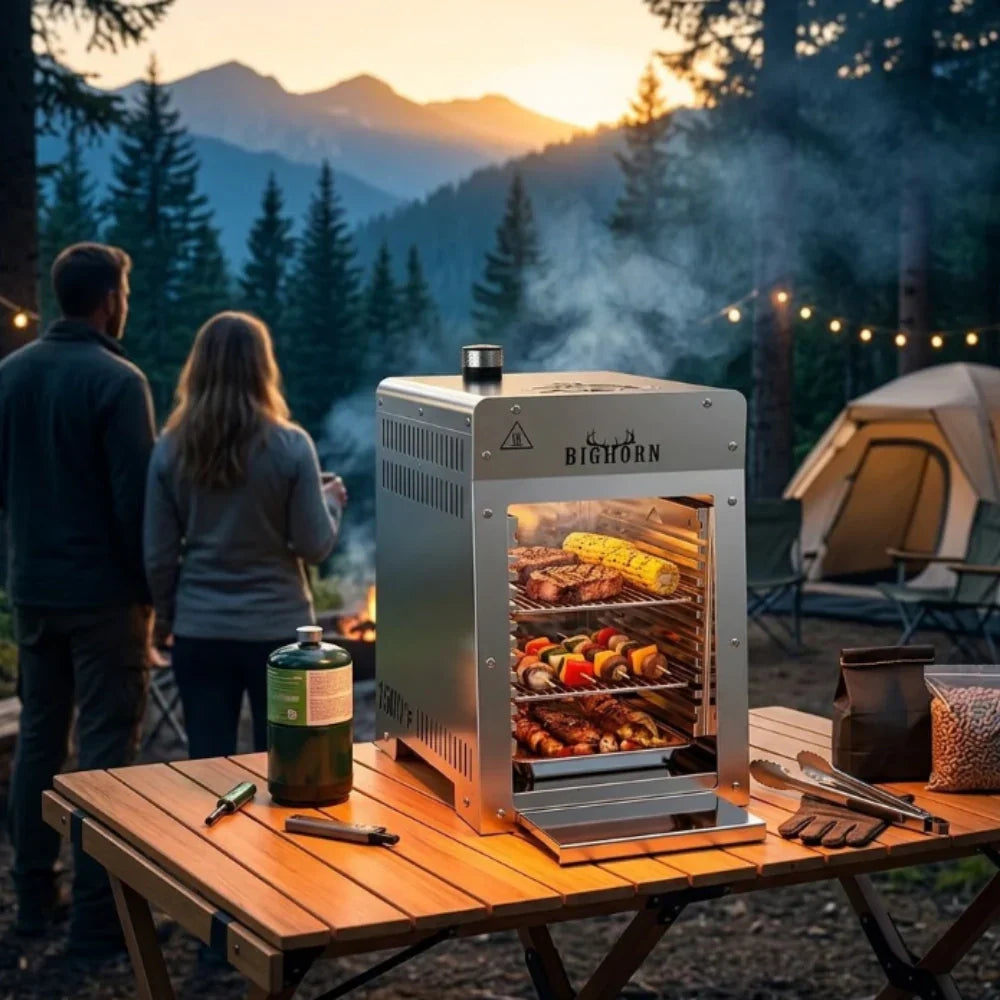
Choosing the right grill for camping can make or break your outdoor cooking experience. While charcoal delivers smoky flavor and wood pellets offer artisanal results, portable gas grills dominate the camping world for good reason: instant ignition, precise temperature control, and zero cleanup. This comparison breaks down each fuel type, highlights what serious campers prioritize, and helps you select the grill that matches your adventure style.
A quality camping grill delivers consistent heat, packs efficiently, and adapts to changing conditions. Without one, you risk relying on unpredictable fire pits or struggling with wet wood.
Food brings people together outdoors. A proper camping grill is not a luxury—it is the difference between charred-outside-raw-inside chicken and a perfectly cooked meal. The right equipment ensures you eat well regardless of weather, fire restrictions, or campsite limitations.
A dedicated camping grill provides:
For most campers, propane gas grills win on convenience and speed. Charcoal and wood pellets serve specific purposes but require more effort and planning.
Each fuel type creates different cooking experiences:
Charcoal provides classic smoky flavor and intense heat. For camping, it presents challenges: messy transport, 30-minute startup time, and complicated ash disposal. If you camp frequently or value speed over smoke flavor, charcoal becomes impractical.
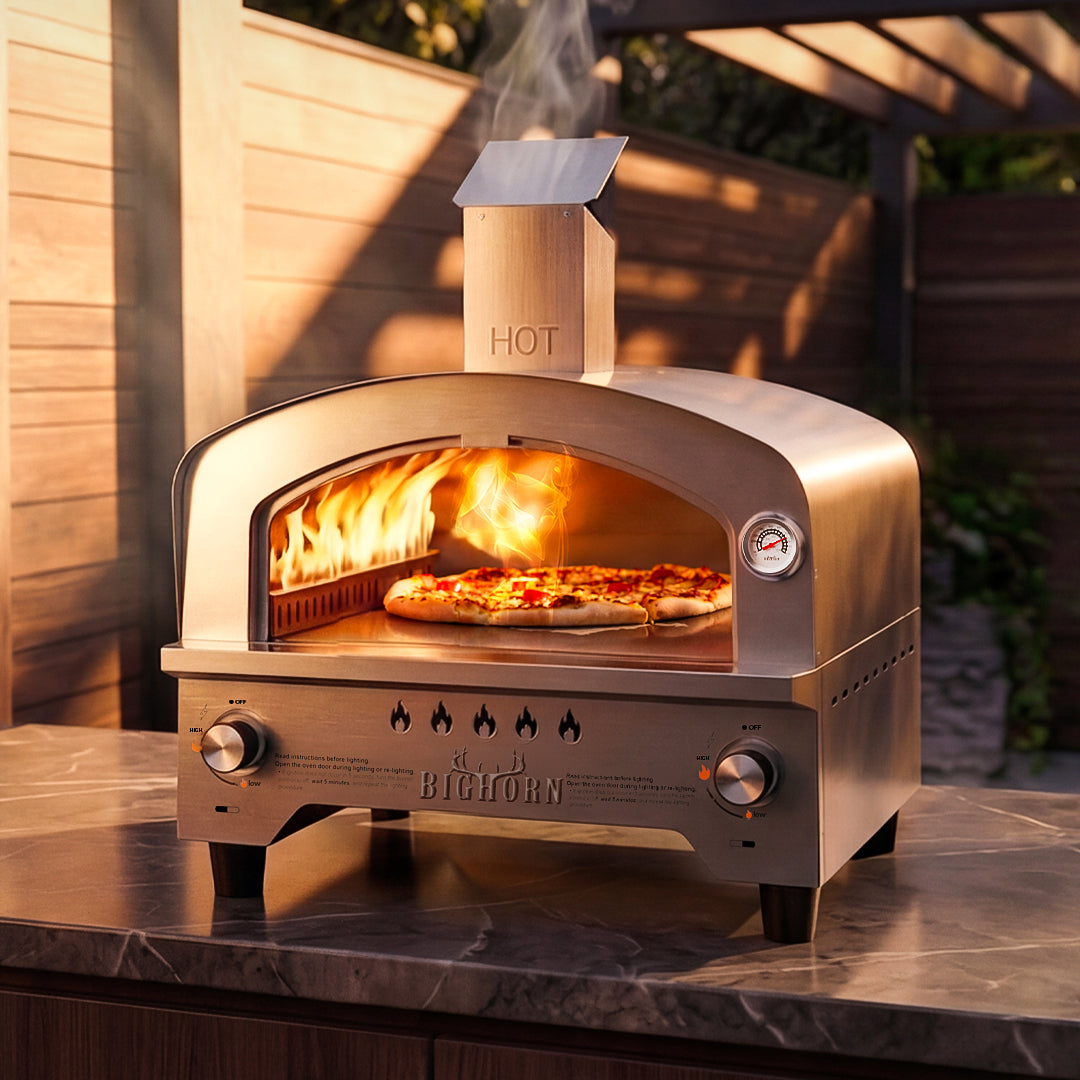
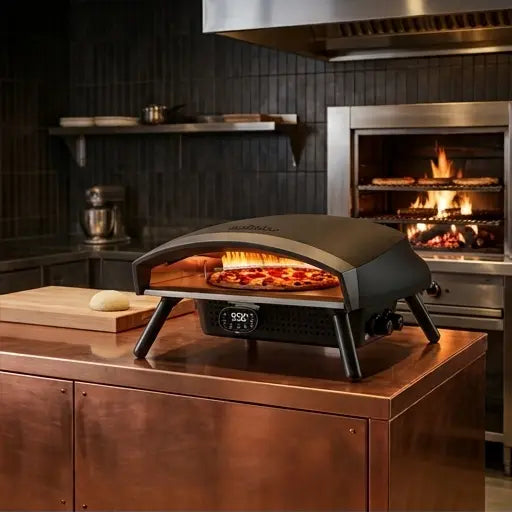
Wood pellet grills and ovens have gained popularity among outdoor food enthusiasts. They offer automated feed systems (in some models) with authentic wood-fired flavor that gas and charcoal cannot replicate. For baking Neapolitan-style pizza or smoking ribs at camp, a portable wood pellet unit excels. They burn efficiently and cleanly, appealing to flavor-focused campers willing to manage extra equipment.
Propane delivers unmatched convenience. Turn a knob, press an igniter, and start cooking within minutes. No ash cleanup, precise temperature control, and widely available fuel make gas the practical choice for campers who prioritize hiking time over fire-tending.
Gas grills eliminate waiting time and simplify the entire cooking process. While other fuels offer flavor advantages, nothing matches the efficiency of propane for camp cooking.
Arriving at your campsite late and hungry? Charcoal requires 30 minutes of setup before the first burger hits the grate. A portable gas grill has you cooking in five minutes.
Modern portable propane gas grills balance compact size with adequate cooking area. They fit in car trunks yet open up to feed a family of four.

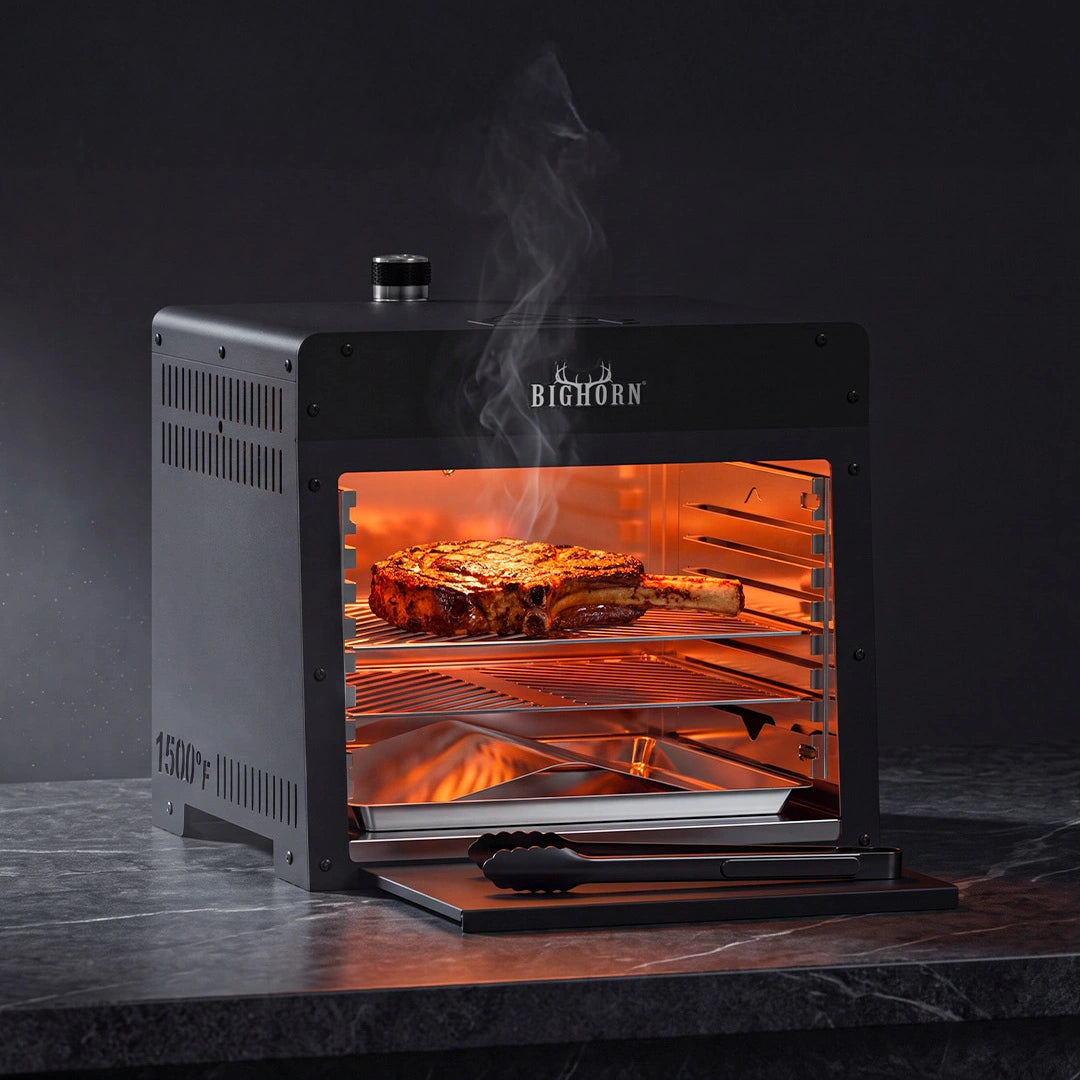
Yes, if you prioritize restaurant-quality searing and rapid cooking times. Infrared grills reach 1,500°F in minutes, delivering professional results that standard camping equipment cannot match. Plus, it's safe, environmentally friendly, and energy efficient.
Standard gas grills use convection—heating air to cook food. Infrared grills use radiant heat (direct heat waves, not hot air), the same technology high-end steakhouses employ for perfect crust formation without overcooking interiors.
Some portable units feature overhead "salamander-style" burners. This top-down heating prevents flare-ups because dripping grease falls away from the heat source rather than igniting on burners. If your camping menu centers on quality meat cuts, infrared capability transforms results.
| Feature | Charcoal | Wood Pellets | Propane Gas | Infrared Gas |
| Startup Time | 30+ min | 10-15 min | 2-5 min | 2-5 min |
| Flavor Profile | Classic smoky | Best wood-fired | Neutral | Steakhouse sear |
| Wind Resistance | Poor | Fair | Good | Excellent |
| Cleanup | Messy ash | Light ash | Clean | Clean |
| Fuel Availability | Everywhere | Specialty stores | Everywhere | Everywhere |
| Weight/Portability | Medium | Heavy | Light | Light-Medium |
| Temp Control | Difficult | Good | Excellent | Excellent |
| Fire Ban Compliance | ❌ Usually banned | ⚠️ Varies | ✅ Often Allowed | ✅ Often Allowed |
| Best For | Flavor purists | Pizza/smoking | Families, speed | Steak searing |
Focus on portability, durability, and maintenance simplicity. Camping gear endures harsh treatment—prioritize construction quality over extra features you will rarely use.
"Portable" varies widely. A 50-pound unit suits RVs but becomes a burden for car campers. Look for:
Camping equipment faces rough handling—rain exposure, high heat, and frequent transport.
Campsites lack dishwashers and abundant hot water.
Can your grill handle varied cooking methods?
Match your grill to how you camp and what you cook. Different camping approaches require different equipment priorities.
You have storage space and likely external propane hookups. A larger, feature-rich unit makes sense. A stainless steel portable gas grill or dedicated pizza oven turns your RV site into an outdoor kitchen.
Space is limited but you feed multiple people. You need durability and capacity. A robust portable gas grill with foldable legs packs efficiently while offering enough surface area for burgers, corn, and chicken for the whole group.
Ultra-compact equipment is non-negotiable. A small butane stove or mini-infrared grill provides lightweight, fast cooking for two without excessive bulk.
You create experiences, not just meals. Performance matters more than pack weight. An infrared grill for steaks or a portable wood pellet pizza oven delivers restaurant-quality results. You accept carrying extra weight for flavor that rivals your favorite establishments.
The right camping grill elevates outdoor meals from basic sustenance to memorable experiences. Gas grills offer unbeatable convenience for most campers, while infrared technology brings professional-grade searing to the wilderness. Wood pellets satisfy flavor purists willing to manage additional equipment. Balance portability with performance—find equipment that travels easily but cooks exceptionally.
Big Horn Outdoors® builds gear that thrives in demanding outdoor conditions. Our 1,500°F Infrared Broiler delivers steakhouse perfection at remote campsites. Our portable pizza ovens and versatile grills combine rugged durability with professional cooking technology. Explore our full range at Big Horn Outdoors and bring restaurant-quality flavor to your next adventure.
Generally, yes. Most fire bans restrict open fires (wood/charcoal) that can spark and spread. Propane and gas grills with on/off switches are usually permitted because they are contained and controllable. Always verify with park rangers before cooking.
A standard 1lb (16oz) propane cylinder typically lasts 1.5 to 2 hours on high heat. Medium heat extends this to 3-4 hours. For longer trips, use an adapter hose to connect to a larger 20lb tank.
For searing meat, yes. Infrared grills heat faster and reach higher temperatures (often 1,500°F+), making them superior for steaks and burgers. They also resist wind better. Traditional gas grills work better for slow, low-temperature cooking.
After cooking, run the grill on high for several minutes to carbonize residue. Scrub grates with a grill brush. Once cool, wipe the stainless steel exterior with a damp cloth and mild soap. Avoid harsh steel wool on exterior surfaces to prevent scratching.
 Big Horn Outdoors® Expands Retail Presence with New Experience at Piedmont Outfitters
Big Horn Outdoors® is excited to announce a new retail destination for outdoor cooking enthusiasts. Customers can now experience the brand's popula...
Big Horn Outdoors® Expands Retail Presence with New Experience at Piedmont Outfitters
Big Horn Outdoors® is excited to announce a new retail destination for outdoor cooking enthusiasts. Customers can now experience the brand's popula...