Guides & Tips
Infrared vs. Open Flame: Which Searing Method is Right for Your Cooking Style?
Quick take
| Topic | Infrared searing | Open flame grilling |
| Best at | Fast, even crust; steakhouse-style sear | Smoke, char, and classic grill flavor |
| Heat delivery | Radiant heat aimed at the food | Hot air + flame + hot grates |
| Typical flare-ups | Lower (design often shields flame) | Higher (drippings can hit flame) |
| Control skill | Timing matters; crust forms fast | Zone control matters; hot spots happen |
| Great foods | Steaks, chops, tuna, quick veggies | Burgers, chicken thighs, sausages, mixed grilling |
| Extra flavor | Cleaner beef-forward roast notes | More smoke notes from drippings and flame |
Safety + liability note: High heat cooking can cause burns and fires. This content is general info, not medical or legal advice. Read and follow your grill’s manual, keep a clear safety zone, and never leave a lit grill unattended.
A good sear is built on chemistry and heat. Once you know what browning needs, it gets easier to pick a grill type and get the crust you want without drying out the inside.
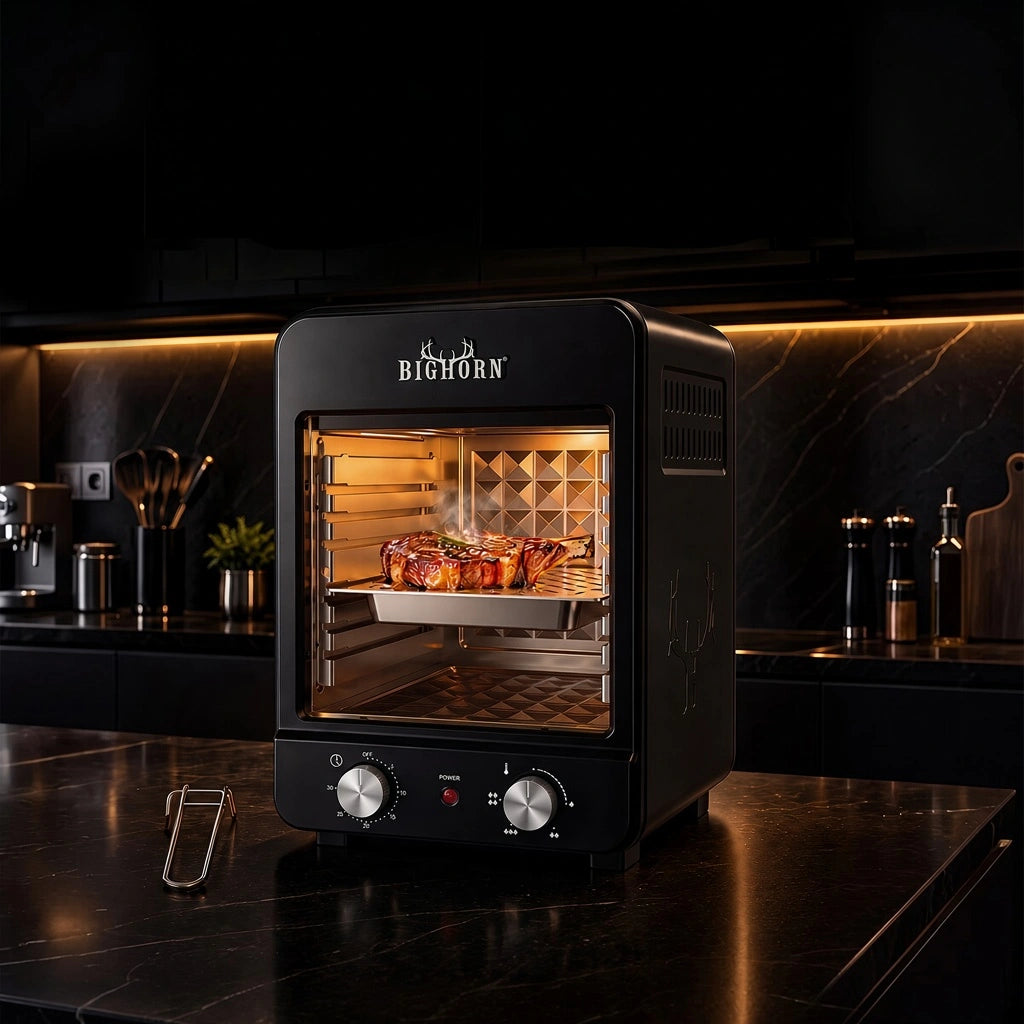
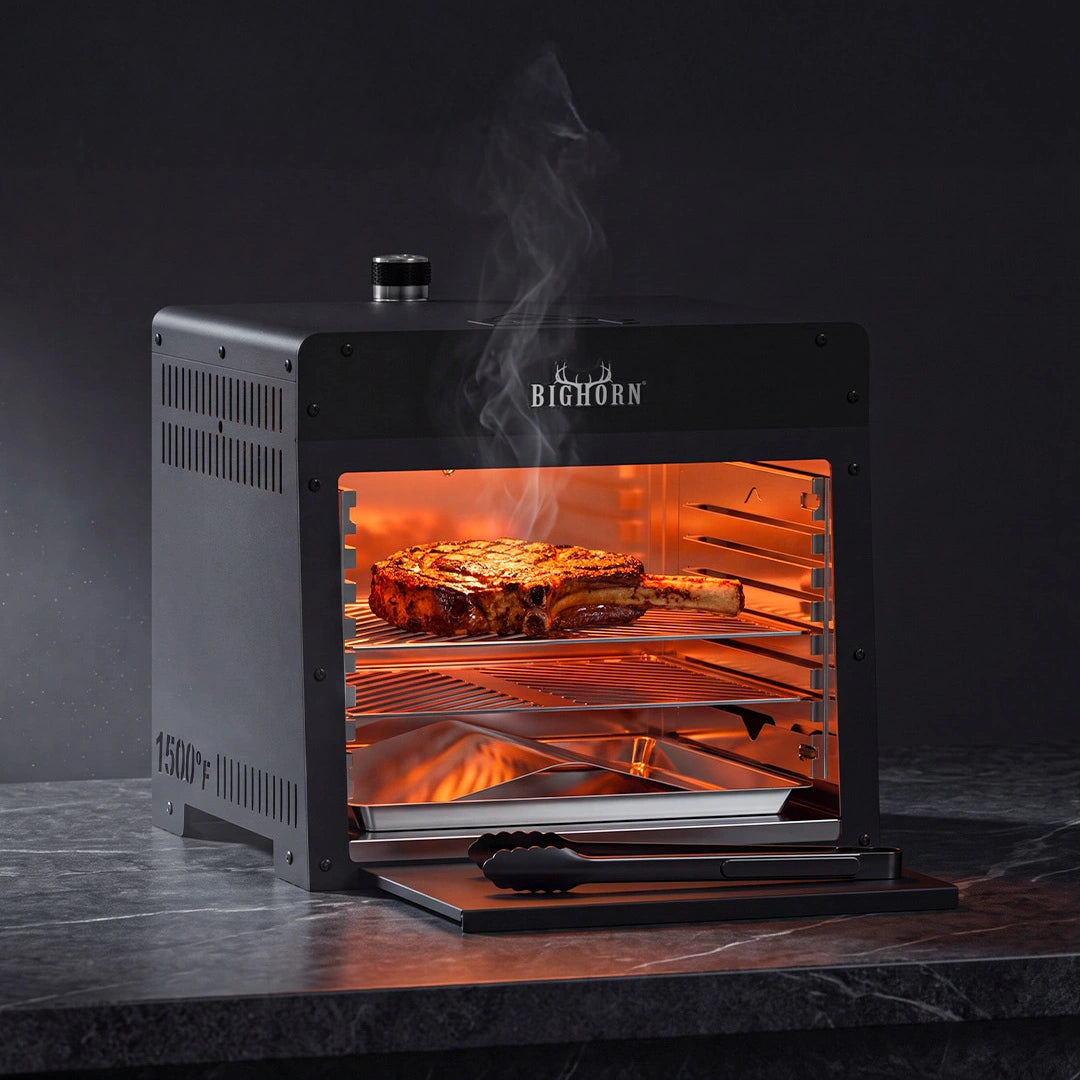
Related product: Shop 16-inch Portable Infrared Steak Grill.
Searing happens mostly through the Maillard reaction. Heat drives reactions between amino acids and sugars on the meat’s surface. The result is a deeper brown crust and a roasted, savory smell.
Water must cook off first. If the surface is wet, energy goes into steaming instead of browning. Pat steaks dry, salt them, and give them time to sit uncovered in the fridge earlier in the day if you can.
A crust adds flavor and texture. Juiciness is controlled more by internal temp and rest time than by searing “locking” anything in.
With the science covered, the next step is the heat style. Open flame grilling mixes hot air, flame, and hot grates, so it can cook many foods well, but it also needs more management.
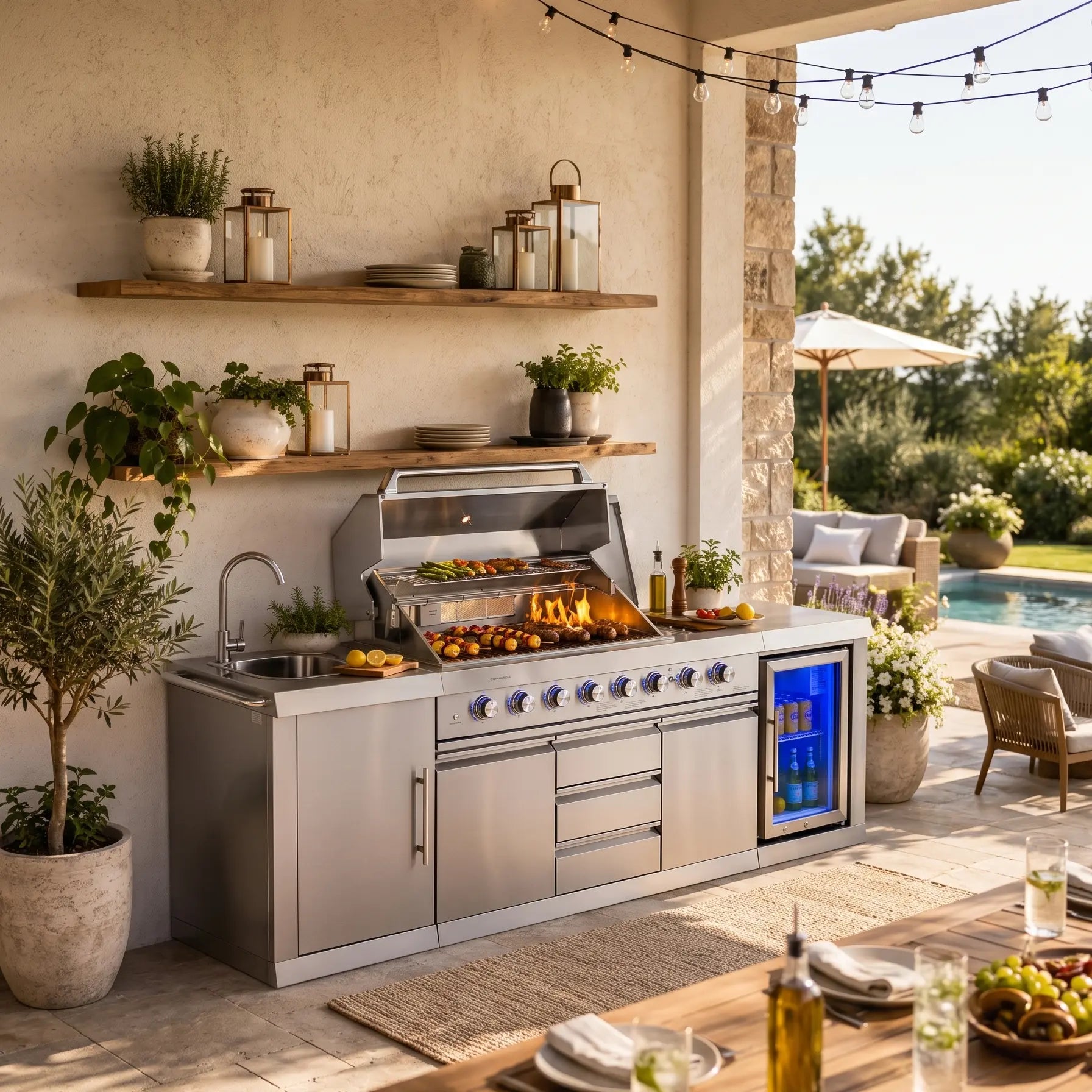
Open flame grills use three heat paths:
This mix is flexible. You can sear over direct heat, then move food to a cooler zone to finish.
Open flame grilling often tastes “smokier” because fat drips onto hot parts, burns, and turns into flavorful smoke that rises back to the food. That can be great for burgers and darker chicken cuts.
Flare-ups can scorch fat and sauces fast. Hot spots also happen because burners or coals do not heat perfectly evenly. Two-zone cooking (hot side + cooler side) helps you avoid bitter black patches and overcooked edges.
Infrared changes the sear by changing where the heat goes. Instead of heating lots of air first, it sends strong radiant heat straight at the meat, so browning can start faster.
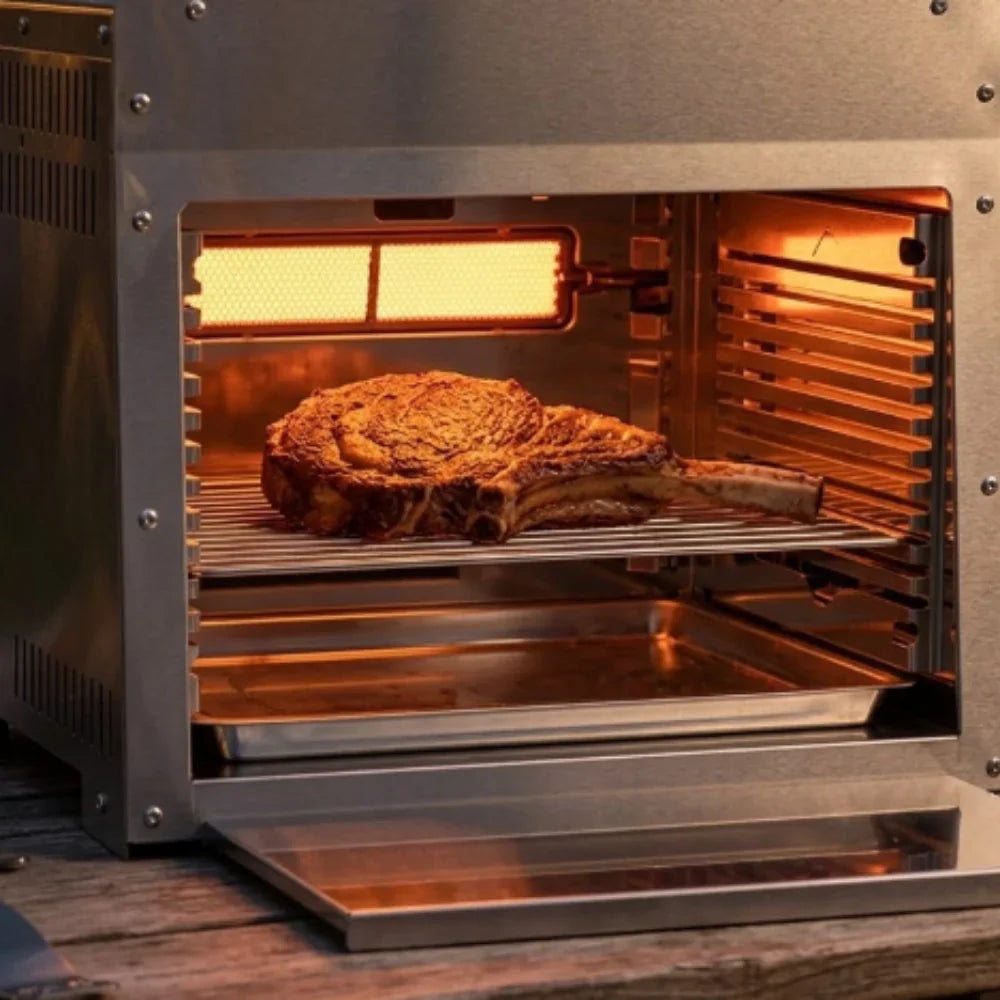
In many infrared systems, a burner heats a ceramic or metal emitter until it glows. That emitter sends radiant energy that the food surface absorbs. The crust can form quickly even with the lid open.
If you see “up to 1500°F” or “up to 1800°F” in product materials, it typically refers to the maximum temperature of the infrared emitter/burner component under the manufacturer’s stated test conditions, not the air temperature shown on a lid thermometer. For cooking results, grate-level temperatures depend on setup and measurement location. Some infrared sear stations are advertised even higher.
Why this matters: a lid thermometer is designed to read air temperature under the hood, not the temperature at the cooking surface. The hottest zone for searing is usually at grate level and near the heat source, so the number on the lid can differ from what your food is actually experiencing. For the most useful cooking reference, evaluate heat where the food sits (at grate level) using a method described in your product instructions or a grate-level measuring setup.
Infrared can brown fast, so keep long tools and heat gloves ready, and keep kids and pets back from the grill zone. A 3-foot safety zone is a common public safety recommendation.
After heat and measurement, flavor is the deciding factor for many cooks. These methods create different crust styles, and that changes the taste even at the same internal doneness.
 Open flame tends to give stronger smoke notes because drippings burn on the hot parts and mix with the airflow around the food. You also get more random char bursts from flare-ups, which many people like on burgers and chicken.
Infrared often gives a more even, edge-to-edge crust. The flavor leans roasted and beef-forward, like a steakhouse broiler. With less direct flame contact, there is often less bitter char.
Sweet marinades can scorch quickly over infrared. If you like BBQ sauce, put it on late, or finish on a lower heat. Open flame can also burn sugar fast, but flare-ups are usually the bigger risk there.
Flavor is not the only factor. A grill that turns out great food but takes too long to get hot may sit unused on busy nights. Here is where each method tends to shine.
Infrared often feels “ready” fast for searing because the emitter ramps up quickly. Open flame grills may need more time to heat grates and stabilize airflow, especially in wind.
A thick steak can develop crust quickly on infrared, then still need gentler heat to reach target internal temp without over-darkening the outside. A two-zone setup works on both types: hot for crust, cooler for finishing.
A grill is easier to enjoy if cleanup is predictable. Maintenance is not “easy vs hard” as much as “different types of mess,” and the heat system changes where grease and carbon collect.
Open flame grills commonly need:
If you cook fatty meats often, flare-ups can bake grease onto interior surfaces.
Infrared designs often reduce flare-ups, yet they can bake grease onto shields or emitter covers because those parts run hot. Many owners use a high-heat burn-off cycle, then brush ash away after cooldown.
Cleaning is also a safety issue, not just a looks issue.
After the tradeoffs, the decision is mostly about what you cook most and what flavor you like. The goal is a setup you will actually use often, with results you can repeat.
Infrared is a strong fit if:
Open flame is a strong fit if:
You can still get great sears on open flame with a fully heated grate and good zone control.
If you’re serious about steaks, infrared technology is the upgrade that makes the difference. Big Horn’s infrared systems deliver:
While open flame grills work well for mixed cooking and larger batches, infrared is purpose-built for the perfect steak.
Explore Big Horn’s infrared collection and discover what professional-level searing can do for your outdoor cooking.
Explore more in the Infrared Grill Buying Guides.
 Big Horn Outdoors® Expands Retail Presence with New Experience at Piedmont Outfitters
Big Horn Outdoors® is excited to announce a new retail destination for outdoor cooking enthusiasts. Customers can now experience the brand's popula...
Big Horn Outdoors® Expands Retail Presence with New Experience at Piedmont Outfitters
Big Horn Outdoors® is excited to announce a new retail destination for outdoor cooking enthusiasts. Customers can now experience the brand's popula...