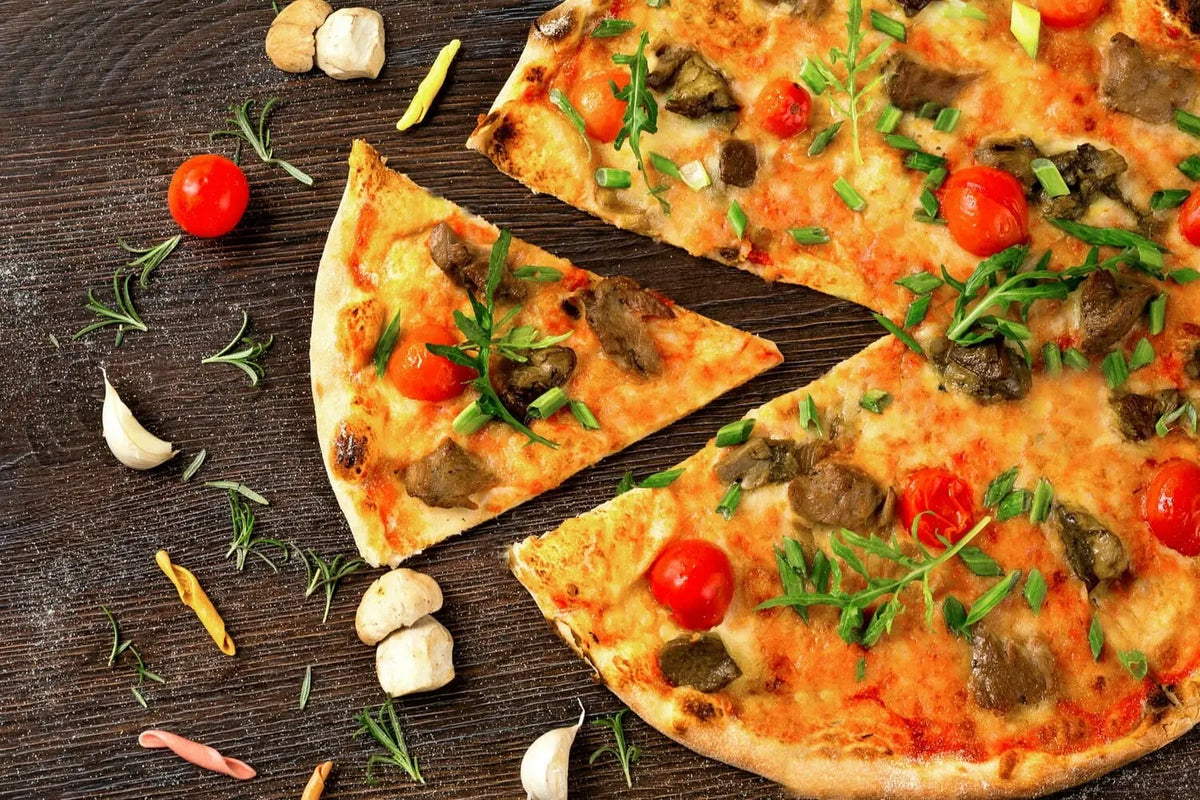
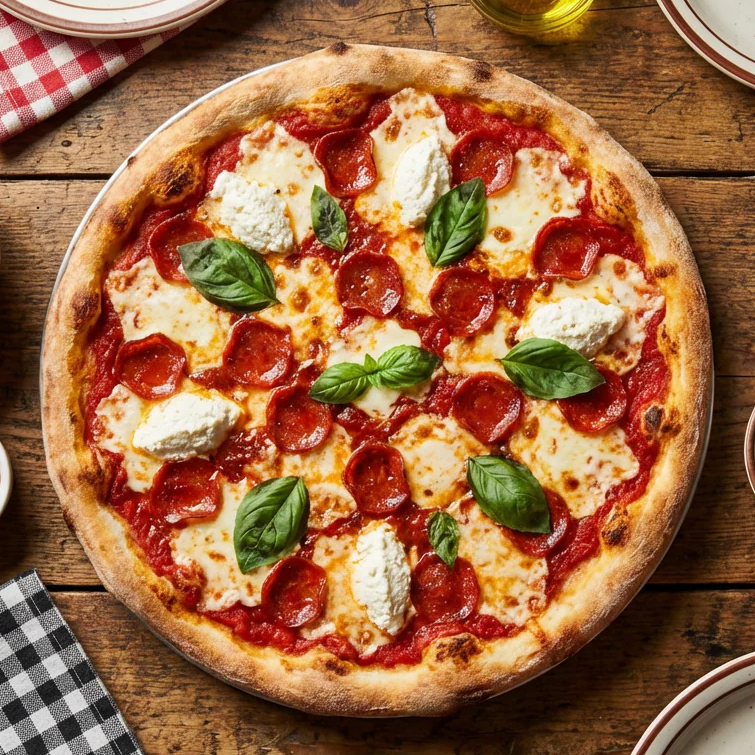
There is nothing quite like the legendary New York slice: a foldable, crispy yet chewy crust, a vibrant tomato tang, and that golden, bubbling cheese pull. You don't need a commercial deck oven to make it happen. With the right techniques and a quality pizza oven, authentic NY-style pizza is within reach at home.
Related product: Shop 12-inch Wood Pellet Pizza Oven.
What Defines an Authentic NY Pizza?
Unlike the delicate, charred, and soft Neapolitan pizza, the New York style is built for utility and texture.
-
The Crust: It should be thin, but sturdy enough to hold toppings. The rim (cornicione) is crisp and airy, while the bottom must be well-browned and firm.
-
The Fold: The hallmark of a true NY slice is the "fold." You should be able to fold it in half vertically without the crust cracking or the tip flopping entirely.
-
The Texture: A perfect balance of crispy and chewy. It's not a cracker; it has a "bite."
What's Unique about NY Pizza Dough and Fermentation?
Time is the key to that signature chew. NY dough typically uses high-gluten bread flour (12-14% protein) to create a strong structure.
-
Hydration Matters: You want a hydration level of around 60-65%. This makes the dough easy to stretch but crispy when baked.
-
The Secret Ingredients: Unlike Neapolitan dough, NY dough often includes sugar and olive oil. The sugar helps with browning at slightly lower temperatures (compared to 900°F wood-fired styles) and feeds the yeast, while the oil tenderizes the crumb so it's chewy, not tough.
-
Cold Fermentation: This is non-negotiable. After mixing, let your dough balls rest in the fridge for 24 to 72 hours. This develops complex flavors and relaxes the gluten, making it much easier to stretch later.
How to Balance Sauce and Cheese for NY Pizza
In New York, the sauce is rarely cooked before it hits the dough. It's bright, acidic, and seasoned simply.
-
The Sauce: Grab a can of San Marzano style tomatoes, crush them by hand or pulse briefly in a blender, and season with sea salt, a pinch of oregano, and a drizzle of olive oil. That's it. Cooking the sauce beforehand kills that fresh tomato "pop."
-
The Cheese: Put away the fresh, wet buffalo mozzarella. NY pizza demands low-moisture, whole-milk mozzarella. This cheese melts slowly and evenly without releasing water that turns your dough into a soggy mess. For that authentic salty kick, finish with a dusting of Pecorino Romano or Parmesan right after baking.
Why a Portable Pizza Oven Beats Your Kitchen
Heat is the critical factor. A standard kitchen oven caps out at 500°F or 550°F. While that's hot, it's not pizza hot. To get that explosive "oven spring" (where the crust puffs up immediately), you need intense, direct heat.
-
The Power of Specialized Ovens: Look for a portable pizza oven—fueled by pellets, gas, or electricity—that can maintain stone temperatures above 650°F consistently. You need a stone saturated with heat to crisp the bottom the second the dough lands.
-
Electric Precision: If choosing an electric model, look for one with adjustable temperature control and specific presets (like a "New York" mode) that balance top and bottom heat perfectly. This mimics the environment of a classic pizza deck oven right on your countertop, giving you the precision NY-style pizza demands.
How to Stretch and Launch Your Pizza
Forget the rolling pin—it crushes the air bubbles you worked so hard to create during fermentation.
-
Room Temp: Let your dough sit out for 2 hours before stretching. Cold dough snaps back like a rubber band.
-
The Press: Press your fingers into the dough ball to define the rim, leaving the edge untouched.
-
The Knuckle Stretch: Drape the dough over your knuckles and gently rotate it, letting gravity do the work.
-
The Launch: Dust your peel with semolina flour (it acts like ball bearings). Build your pizza quickly and give the peel a quick shake to ensure it's loose before launching it into the oven.
Achieve a Crispy Bottom and Melty Top on NY Pizza
Cooking NY style in a high-performance pizza oven requires a different approach than Neapolitan style.
-
Temperature Control: Choose a pizza oven that can hit 900°F+ for maximum versatility. For NY pizza, you'll dial it down to a "softer" heat—around 650°F to 700°F. If using a wood pellet or gas model, preheat the stone thoroughly, then dial the flame down slightly right before launching.
-
The Rotate: Watch the crust closely. Once the back rim starts to brown (usually within 60-90 seconds in a portable oven), rotate the pizza to ensure even cooking.
-
The Finish: Because NY pizza has sugar and oil, it browns faster. If the top is done but the bottom needs more crunch, kill the flame completely and let the pizza sit on the hot stone for an extra 30 seconds. This "cures" the bottom crust for that perfect snap.
Bake Real NY Slices
Making restaurant-quality New York pizza at home requires precision with dough fermentation, the right balance of heat, and quality equipment. Once you master these fundamentals, the results speak for themselves.
Whether you prefer the smoky aroma of wood pellets or the indoor convenience of electric precision, investing in a quality pizza oven transforms your pizza-making. Big Horn Outdoors® offers portable pizza ovens designed for both backyard and countertop use—explore the collection to find what fits your style.
FAQs about NY Pizza Troubleshooting
Q1: Can I use "00" flour for New York style pizza?
Yes, you can, but it might be a bit too soft. Authentic NY style usually relies on high-protein American bread flour or "All Trumps" flour, which gives the crust that signature chewiness and structure necessary to hold up a heavy slice.
Q2: My pizza bottom is burning before the top is cooked. What should I do?
This usually means your stone is too hot compared to the air temperature. In a portable pizza oven, try preheating the stone to a slightly lower temperature (around 700°F rather than 900°F). If you are using a gas model, you can also turn the flame down immediately after launching the pizza to allow for a longer, more even bake.
Q3: Why is my pizza watery in the middle?
This is often caused by using fresh mozzarella, which has a high water content. For NY style, always use "low-moisture" mozzarella. Also, ensure you aren't using too much sauce, and try to launch the pizza immediately after topping it so the sauce doesn't seep into the dough.
Q4: Are electric pizza ovens good for NY Style pizza?
Absolutely. In fact, electric pizza ovens are often better for NY style than wood-fired ones because they offer precise temperature control. They allow you to maintain a steady 650°F-700°F without the temperature spikes of a live fire, ensuring the longer bake time needed to crisp up the crust without scorching it.
Explore more in the Pizza Recipes & Styles.



 Big Horn Outdoors® Expands Retail Presence with New Experience at Piedmont Outfitters
Big Horn Outdoors® is excited to announce a new retail destination for outdoor cooking enthusiasts. Customers can now experience the brand's popula...
Big Horn Outdoors® Expands Retail Presence with New Experience at Piedmont Outfitters
Big Horn Outdoors® is excited to announce a new retail destination for outdoor cooking enthusiasts. Customers can now experience the brand's popula...