Pizza Ovens
Why Your Seafood Pizza Gets Soggy (And How to Fix It)
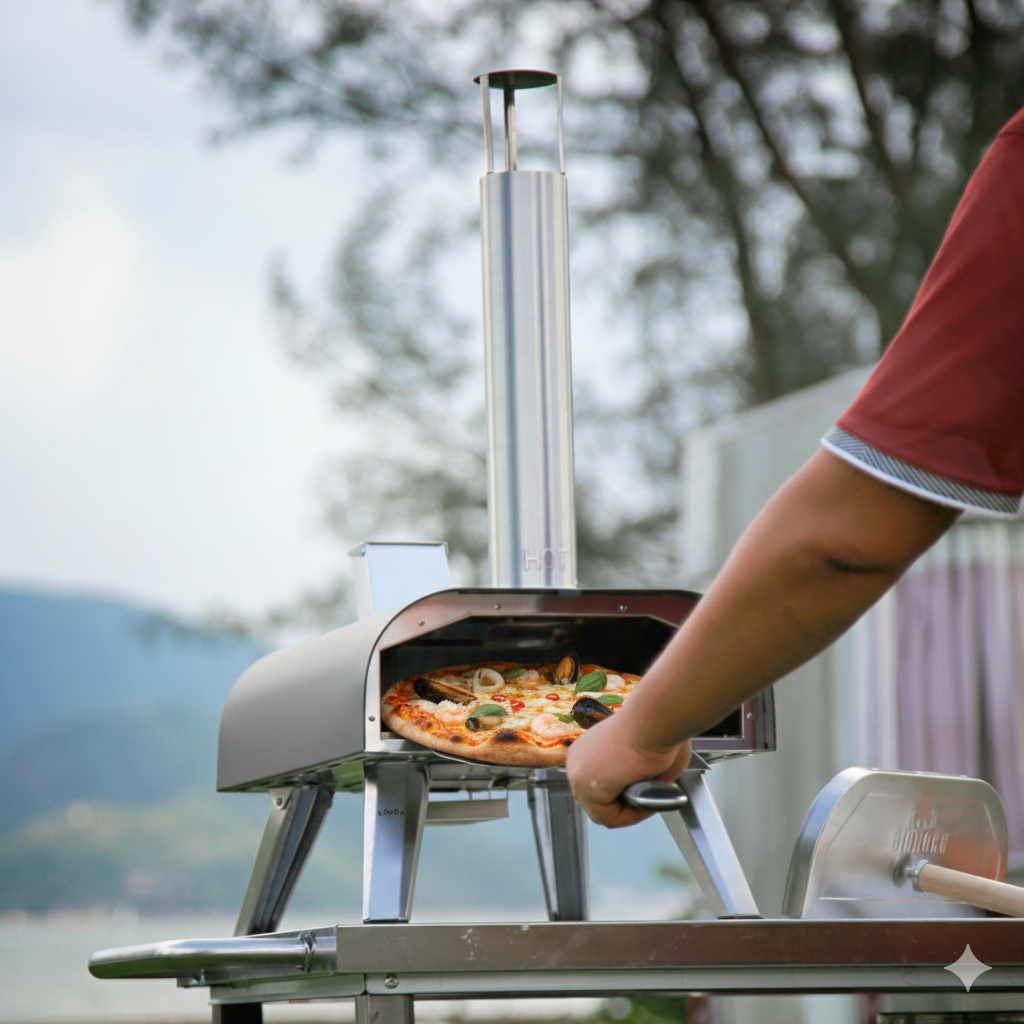
Often, it is hard to replicate a restaurant-quality seafood pizza at home. Have you ever tried it and ended up with a soggy middle, and the heavy red sauce completely drowns out the flavor of the shrimp? Yes, seafood pizzas are different from the regulars, and you need a new plan to fix this: Change the red sauce to white, make sure the toppings are properly dried, and bake at very high temperatures.
Related product: Shop 12-inch Wood Pellet Pizza Oven.
Here this guide has what you'll need:
Skip the red sauce. Tomatoes are too acidic and tend to drown out the fresh taste of the ocean. Instead, go with a garlic cream base. It creates the perfect balance and lets the delicate seafood flavors shine.
To make it smooth, just mix them in a bowl with a whisk:
Cream's mild richness complements seafood without masking its sweetness, unlike acidic tomatoes. High heat caramelizes the cream, adding nutty depth.
Pro Tip: Watch the consistency. It should be thick enough to coat the back of a spoon but not so thick that it can't be spread. If it's too wet, it will soak into the dough before the pizza even goes in the oven. It won't bubble right if it's too thick, like cream cheese.

A crispy crust hates water. When you put raw seafood on pizza, it immediately releases moisture, which turns the dough into mush. That water needs to be taken out before the bake.
It's not enough to just cook the seafood; you also need to season it and dry it out.
Shrimp: Toss with olive oil, salt, and chili flakes. Sauté in a smoking-hot pan until opaque and C-shaped (1-2 minutes).
Scallops: Scallops can hold a lot of water. For the best taste, sear them hard on only one side. Then, cut them into thin coins.
Clams or mussels: Steam them open with white wine. Discard the ones that stay shut; they are either dead or full of sand. Take out the meat and discard the shells.
Squid: Cut it into rings. Fry them quickly for 45 seconds to drive the water out of them.
Put your cooked seafood between two sheets of paper towels and press gently. Let it sit for 10 minutes to absorb excess moisture. You need to wick away the surface moisture and cooking oil.
There are two heat sources in a pizza oven: bottom heat from the stone and top heat from the dome. Too much water prevents the dough from crisping—it creates steam instead of a dry crust. If you take out the water first, the bottom will always be crunchy.

Don't ruin the pizza by adding too many things now that the ingredients are dry. You're not making a casserole.
1. Dough: Make it thin and push the air bubbles into the edge (cornicione).
2. Sauce: Spread a thin layer of the garlic cream on top. Through the sauce, you should be able to see the dough's shape.
3. Cheese: Use low-moisture mozzarella. Don't use fresh mozzarella balls because they are full of whey, which is water that will ruin your work. Don't use pre-shredded cheese bags with anti-caking agents. Instead, grate your own cheese from a block.
(Note: Traditional Italian seafood pizzas skip the cheese entirely, but this American-style version uses it sparingly.)
4. Seafood: Space the pieces out. Let the heat circulate by leaving an inch between pieces.
The center receives the least heat and bears the pizza's weight. Overloading creates a "heat shield" that blocks dome heat, leaving the middle doughy while the edges burn. Keep toppings sparse, especially in the center.

Most home ovens aren't hot enough to bake this. Most home ovens max out at 500°F, and it takes 10 minutes to bake something. The shrimp will turn into rubber after 10 minutes in the oven.
For one simple reason: speed. You need a pizza oven that goes over 750°F (399°C).
1. Heat the stone: Take out your infrared thermometer. Even if the air temperature reads 800°F, verify the stone has reached at least 750°F. The bottom won't cook if the stone is too cold.
2. The Launch: Dust your peel with semolina flour. Give it a light shake to make sure the pizza slides freely, and then confidently slide it onto the stone.
3. Bake: It should be done in 60 to 90 seconds. Watch the crust puff up.
4. Rotate: The side that is closest to the heat cooks the fastest. To make sure it bakes evenly, rotate the pizza every 20 seconds.
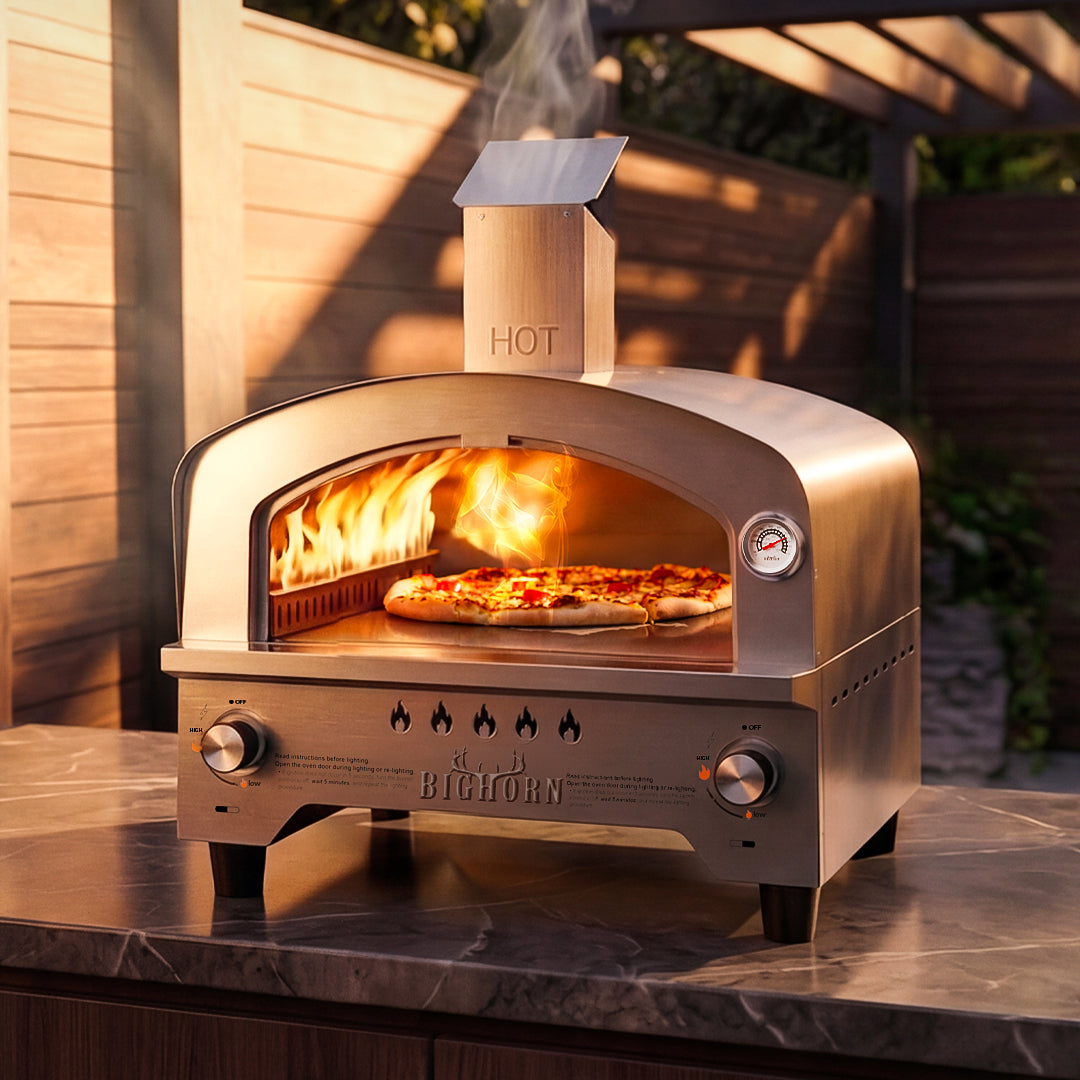
Add a small scoop of pellets to the Big Horn wood pellet oven right before you put the pizza in it. This makes a fresh burst of rolling flame that rolls across the oven's dome ceiling and crisps the toppings from above without drying them out.
For the final 10-15 seconds, use your peel to lift the pizza up toward the oven's dome if the bottom is golden, but the shrimp looks a little dull. That's where the heat is strongest, and the toppings will finish right away.

It's hot, golden, and bubbling on top. Now add the last bit of flavor.
You need high heat and dry ingredients to get the right contrast between the crunchy crust and the soft toppings. It's just that a regular home oven doesn't get hot enough to achieve that texture.
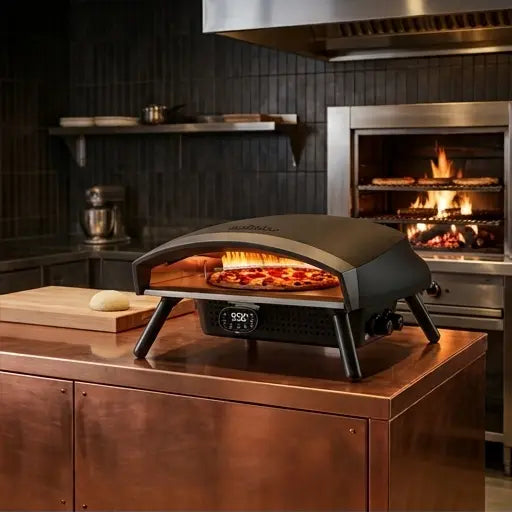
Pizza ovens from Big Horn Outdoors® can reach the very high temperatures needed for this balance. Our ovens stay at 750°F+, whether you use gas or wood pellets. This is what you need to cook fast enough. If you're tired of soggy pizza, heat up a Big Horn Outdoors® oven and see the difference.
Yes, this is very important. An oven that is over 750°F only needs 60 to 90 seconds to bake. This isn't long enough to cook raw seafood all the way through without burning the crust. Plus, as seafood cooks, it releases a lot of moisture. This will make the middle of the pizza soggy. Always steam or sauté your seafood first, then pat it dry before topping the pizza.
It is called Pizza ai Frutti di Mare in Italian, which means "Pizza of the Fruits of the Sea." Mussels, clams, squid, and shrimp are often used in the traditional version. In Italy, it's usually served without cheese so that the fresh taste of the seafood can shine through. In the U.S., though, it's often made with a white cream sauce.
Stick to lean seafood like shrimp, scallops, clams, mussels, and calamari. They cook fast and taste great on pizza. You should avoid fatty fish like salmon or mackerel. They tend to make the pizza greasy and don't mix well with cheese or creamy sauces.
It started in Naples, Italy. Since Naples is a port city, fresh seafood was cheap and easy to find. Locals simply topped their dough with the daily catch—mostly clams and shrimp. It began as a simple, affordable meal long before it became a fancy dish.
Yes, but usually without cheese. Italians believe that cheese overpowers the delicate taste of fresh seafood. Authentic Italian seafood pizza uses a simple sauce of olive oil, garlic, and parsley. In fact, if you ask for cheese on seafood in Italy, the chef might actually refuse!
You are likely thinking of anchovies. These are different from fresh seafood toppings because they are salt-cured. They add a strong, salty, savory kick (umami) that pairs perfectly with tomato sauce, which is why they are a staple on classic pizzas like the Pizza Napoli.
Explore more in the Pizza Recipes & Styles.
 Big Horn Outdoors® Expands Retail Presence with New Experience at Piedmont Outfitters
Big Horn Outdoors® is excited to announce a new retail destination for outdoor cooking enthusiasts. Customers can now experience the brand's popula...
Big Horn Outdoors® Expands Retail Presence with New Experience at Piedmont Outfitters
Big Horn Outdoors® is excited to announce a new retail destination for outdoor cooking enthusiasts. Customers can now experience the brand's popula...