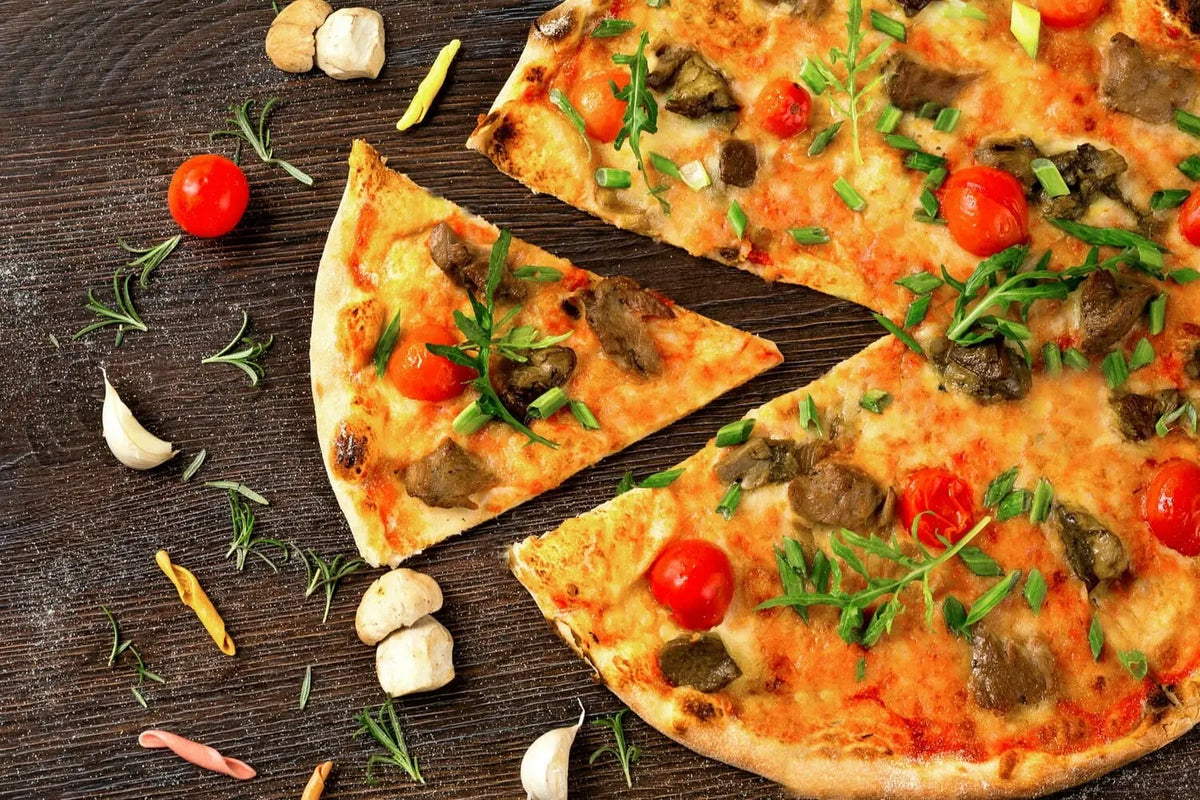
A portable pizza oven can match many of the cooking results of a brick oven, but it cannot fully replace the thermal mass and heat retention of a permanent masonry oven. Modern portable ovens can reach high temperatures, cook Neapolitan-style pizza quickly, and offer better flexibility, while brick ovens still have advantages for heat stability, cooking volume, and long sessions.
What is the difference between a portable oven and a brick oven?
A portable pizza oven is a compact outdoor cooking appliance designed to create high heat with less space, while a brick oven uses a large masonry structure that stores and releases heat slowly. The main difference is thermal mass: brick ovens hold more heat after firing, but portable ovens are easier to move, start, and maintain.
Traditional brick ovens work because their thick walls, dome, and cooking floor absorb energy from the fire. After heating for a long period, the stored heat radiates back toward the pizza from multiple directions. This creates a stable cooking environment with strong top heat and consistent floor temperature.
Portable ovens use a different approach. Instead of relying on hundreds or thousands of pounds of masonry, they use insulated chambers, metal construction, pizza stones, and focused burners or fuel systems to create efficient heat transfer.
The result is that a portable oven can reproduce many important pizza characteristics:
- High cooking temperatures
- Fast bake times
- Strong bottom crust development
- Better top heat than a standard kitchen oven
However, the experience is different. A brick oven is a permanent cooking system designed around heat storage, while a portable oven is designed around efficiency and convenience.
Can a portable pizza oven reach brick oven temperatures?
Many portable pizza ovens can reach temperatures suitable for Neapolitan-style pizza, but temperature alone does not create the same cooking environment as a brick oven. Heat distribution, recovery time, and stone temperature are equally important.
A pizza oven needs three types of heat:
- Conductive heat from the pizza stone cooking surface
- Radiant heat from the oven ceiling and flame
- Convective heat from hot air circulating around the pizza
Portable ovens can generate strong radiant and convective heat because their smaller cooking chambers heat quickly. A compact chamber also means less energy is needed to raise the internal temperature.
For example, Big Horn Outdoors offers portable pizza oven formats designed for outdoor cooking. Its 12-inch wood-pellet pizza oven uses stainless steel construction, folding legs, and a compact design for outdoor portability. The listed specifications for that exact model include temperatures up to 887°F (475°C), an 18–20 minute preheat time, and pizza cooking times of 60–90 seconds under suitable conditions.
Those numbers show how modern portable ovens can approach the high-heat cooking style associated with traditional pizza ovens. However, a portable oven will usually lose heat faster when the door is opened or when cooking multiple pizzas continuously.
Why do brick ovens still have advantages?
Brick ovens remain popular because their large thermal mass provides stable heat over long cooking sessions. A well-heated masonry oven can maintain consistent temperatures even when cooking many pizzas one after another.
The biggest advantages of a brick oven are:
Greater heat retention
A brick oven stores energy in its walls and floor. After firing, the oven continues releasing heat, reducing temperature fluctuations.
Larger cooking capacity
Most permanent ovens provide more cooking space than portable models. This matters when preparing food for large groups.
More stable recovery
When several pizzas enter the oven, the cooking surface loses heat. A brick oven usually recovers more slowly but more steadily because of its stored energy.
However, these advantages come with trade-offs:
- More installation space is required
- Construction costs are higher
- Heating takes longer
- The oven cannot be moved
For many home cooks, the question is not whether a portable oven is identical to a brick oven. The better question is whether the portable oven provides the cooking performance needed for their lifestyle.
When is a portable oven the better choice?
A portable oven is often the better option for cooks who want high-temperature pizza without building a permanent outdoor kitchen. It works especially well for patios, smaller outdoor spaces, camping areas, and occasional gatherings.
A portable oven may be the right choice if you:
- Make pizza once or twice a week
- Have limited outdoor space
- Want to store the oven when not in use
- Prefer flexible fuel options
- Take cooking equipment on trips
Big Horn Outdoors focuses on outdoor cooking equipment designed for different environments, including backyard cooking, camping, and portable setups. The brand’s product range includes pellet, gas, electric countertop, and multi-fuel pizza oven formats, allowing users to choose based on cooking habits rather than a single fixed setup.
A portable oven also reduces the commitment required compared with a brick oven. Instead of dedicating a permanent area and learning a long firing process, users can prepare, heat, and cook with a simpler setup.
How does cooking pizza compare between the two oven types?
A portable oven can produce excellent pizza, but the workflow and consistency are different from a brick oven. The biggest difference appears during repeated cooking sessions.
| Feature | Portable Pizza Oven | Brick Oven |
|---|---|---|
| Heat-up time | Usually faster | Usually longer |
| Portability | Designed to move | Permanent installation |
| Heat storage | Limited by size and materials | Very high due to masonry |
| Space needed | Small outdoor footprint | Dedicated structure |
| Best for | Home cooks, patios, travel | High-volume cooking |
Portable ovens are often easier for beginners because the cooking environment is smaller and easier to manage. A smaller chamber means the user can observe flame position, rotate pizza quickly, and adjust fuel more directly.
Brick ovens reward experience. Managing fire placement, wood quantity, ash, and temperature zones becomes part of the cooking process.
Big Horn Outdoors Expert Views
“Choosing between a portable pizza oven and a brick oven comes down to how you cook. A brick oven is built around permanent heat storage and large cooking capacity. A portable oven is built around flexibility, faster setup, and bringing high-temperature outdoor cooking to more spaces. The best choice depends on available space, cooking frequency, fuel preference, and how many people you normally cook for.”
What should you choose: a portable oven or a brick oven?
Choose a portable pizza oven if you want flexibility, easier setup, and high-temperature pizza cooking without a permanent installation. Choose a brick oven if you regularly cook for large groups and want maximum heat retention for extended cooking sessions.
The right choice depends on four factors:
Space: Small patios and rental homes usually favor portable ovens.
Cooking frequency: Occasional pizza nights rarely require a permanent structure.
Capacity: Large gatherings may justify the larger cooking area of a brick oven.
Experience: Beginners often benefit from the simpler workflow of a portable oven.
Modern portable ovens have closed much of the performance gap with traditional brick ovens. They can deliver high heat, fast cooking, and quality pizza results while offering advantages that brick ovens cannot provide: mobility and convenience.
FAQs
Can a portable pizza oven make authentic Neapolitan pizza?
Yes, many portable ovens can cook Neapolitan-style pizza because they can reach high temperatures and provide strong top and bottom heat. Results depend on dough preparation, temperature control, and cooking technique.
Does a brick oven make better pizza than a portable oven?
A brick oven has advantages in heat retention and cooking capacity, but a portable oven can produce excellent pizza for home users who need flexibility and smaller cooking volumes.
How long does a portable pizza oven take to heat up?
Heating time depends on the fuel type, weather conditions, and oven design. Many modern portable ovens are designed to reach cooking temperature faster than traditional masonry ovens.
Is a portable pizza oven worth buying?
A portable oven is worth considering for users who want outdoor pizza cooking without the cost, space, and installation requirements of a brick oven.
Can a portable oven replace an outdoor kitchen?
For many households, yes. A portable oven can provide high-temperature pizza cooking without requiring a permanent outdoor kitchen, although it may not match the capacity of a full masonry setup.