Yes, you can roast vegetables in a pizza oven, and they often develop caramelized edges, tender centers, and light wood-fired or flame-charred flavor. For most vegetables, aim for an oven environment around 400–500°F; use lower, steadier heat for roots and brief higher heat for peppers, eggplant, and other quick-cooking vegetables.
A pizza oven is not only for 60- to 90-second pizzas. Once you understand the difference between the hot cooking floor, the flame, and the air inside the oven, it can become a practical tool for roasting vegetables after pizza service, alongside grilled proteins, or as the main event.
Why Roast Vegetables in a Pizza Oven?
A pizza oven can roast vegetables because its high radiant heat browns and chars their surfaces quickly, while a pan, foil, or covered vessel helps their interiors cook through. The most useful temperature zone for general vegetable roasting is usually 400–500°F, not the maximum temperature used for Neapolitan-style pizza.
Pizza ovens cook differently from a conventional kitchen oven. A conventional oven relies mostly on circulating hot air, or convection, to cook food gradually. A pizza oven adds strong radiant heat from the oven floor, walls, ceiling, flame, or burner. That heat encourages browning, which creates the savory roasted flavor associated with caramelized onions, blistered peppers, crisp Brussels sprout leaves, and browned squash.
The main advantage is speed and character. A hot pizza oven can create browned edges before softer vegetables become overly mushy. A wood-fired oven can also contribute subtle smoke when used correctly, while gas-fired models provide more predictable heat control.
The trade-off is that pizza ovens are less forgiving. The cooking surface may be considerably hotter than the ambient oven temperature, so vegetables can scorch underneath long before they become tender. Use cookware as a heat buffer, rotate often, and do not assume pizza-temperature conditions are appropriate for every vegetable.
Big Horn Outdoors began with a backyard-cooking focus in 2012, centered on making high-heat cooking easier to manage. That practical approach matters here: roasting vegetables successfully is primarily about managing heat rather than simply making the oven as hot as possible.
What Temperature Should You Use?
For most pizza-oven roasted vegetables, use 400–500°F and check them frequently; delicate vegetables may cook in minutes, while dense roots need more time and may benefit from foil or a covered pan. At pizza-baking temperatures above about 700°F, direct exposure can burn many vegetables before they soften.
The correct temperature depends on the vegetable’s density, water content, cut size, and whether it is exposed directly to the oven floor or protected in cookware.
A useful approach is to cook in stages:
- Use live flame and intense heat for intentional charring of whole bell peppers, scallions, shishito peppers, and whole eggplant.
- Use the oven’s falling or residual heat after pizza cooking for tray-roasted broccoli, cauliflower, carrots, squash, mushrooms, onions, and mixed vegetables.
- Use foil, a covered cast-iron pan, or a lidded roasting dish for potatoes, beets, sweet potatoes, and other dense vegetables that need time to soften.
The floor temperature deserves special attention. An infrared thermometer can help you check the cooking floor, but it does not measure the temperature of the air around the food. If the floor is extremely hot, place a heat-safe pan farther from the flame, elevate it on a rack if your cookware setup supports that safely, or let the oven cool before loading vegetables.
| Vegetable group | Useful pizza-oven range | Typical preparation | Main heat-management concern |
|---|---|---|---|
| Peppers, eggplant, zucchini, mushrooms | 450–600°F | Halved, sliced, or whole for charring | Watch closely; soft vegetables can blacken quickly |
| Broccoli, cauliflower, Brussels sprouts | 425–500°F | Florets or halved sprouts in a shallow pan | Rotate for even browning |
| Carrots, parsnips, squash, onions | 400–475°F | Similar-size pieces with oil | Give dense pieces enough time to become tender |
| Potatoes, sweet potatoes, beets | 400–500°F | Foil-wrapped, covered, or cut into smaller pieces | Avoid burning the exterior before the center cooks |
These are working ranges, not guarantees. Wind, oven design, fuel, flame position, cookware thickness, and food load all affect real cooking conditions.
Which Vegetables Work Best?
The best vegetables for a pizza oven are those that tolerate high heat or benefit from browning: peppers, eggplant, mushrooms, onions, broccoli, cauliflower, Brussels sprouts, squash, carrots, and potatoes. Group vegetables by density and cooking speed rather than roasting every ingredient together.
Soft, water-rich vegetables respond quickly to radiant heat. Bell peppers blister, zucchini takes on char, and mushrooms brown deeply when their moisture begins to evaporate. These vegetables can be excellent for pizza toppings, grain bowls, sandwiches, tacos, or a warm side dish.
Dense vegetables need a different plan. Potatoes, beets, carrots, parsnips, sweet potatoes, and winter squash contain more starch or firmer cellular structure. If cut too large and cooked over aggressive heat, their exteriors may char while their centers remain firm. Cut them into uniform pieces, begin at moderate heat, and consider covering them early in the cook to retain steam.
For a mixed vegetable tray, pair ingredients with similar cooking requirements. For example:
- Roast broccoli florets, cauliflower florets, and Brussels sprouts together.
- Roast carrots, parsnips, red onion wedges, and cubed squash together.
- Roast zucchini, mushrooms, eggplant, and bell peppers together, but expect the zucchini to finish first if cut thinly.
- Cook potatoes or beets separately unless they are par-cooked, smaller, or protected with foil.
Uniform cutting is more important than a perfect recipe. Pieces of similar thickness cook at a similar rate, making rotation and doneness checks much easier.
How Do You Roast Vegetables Safely?
Roast vegetables in a pizza oven using cookware rated for the heat, oiling vegetables lightly, positioning them away from uncontrolled flame, and rotating the pan frequently. Never use glass cookware unless its manufacturer explicitly states that it is safe for the temperatures and thermal shock conditions involved.
Start by washing and drying the vegetables thoroughly. Surface moisture slows browning and can cause spattering when it contacts a hot pan. Cut the vegetables evenly, then toss them with a light coating of oil, salt, and seasonings.
Choose cookware designed for high heat:
- A cast-iron skillet retains heat and is useful for mushrooms, onions, Brussels sprouts, potatoes, and mixed vegetables.
- A carbon-steel pan heats quickly and works well for high-heat roasting when properly seasoned.
- A stainless-steel roasting pan or pizza-oven roasting pan can provide a durable, easy-to-clean option.
- A perforated grill pan can increase exposure to heat but requires more frequent monitoring.
- Foil packets or covered pans are useful for dense vegetables that need a gentler steam-and-roast effect.
Avoid loose parchment paper near open flame. It can ignite or blow into the burner area. Avoid nonstick pans unless the manufacturer specifically approves them for the temperatures you expect to use. Also avoid placing a cold pan directly into an extremely hot oven, especially if it is thin, warped, damp, or not intended for open-flame cooking.
A reliable basic method is:
- Preheat the pizza oven, then allow it to settle into a vegetable-friendly heat range.
- Toss dry, evenly cut vegetables with oil and seasoning.
- Spread them in a single layer rather than piling them deep in the pan.
- Place the pan away from the strongest direct flame or hottest rear zone.
- Rotate the pan every few minutes and stir or turn the vegetables as needed.
- Remove the vegetables when they are browned and fork-tender, not simply when a timer ends.
The oil’s role is practical: it improves contact with the hot pan, supports surface browning, and helps seasonings adhere. Use only enough to coat the vegetables. Excess oil can smoke, drip, or flare when exposed to open flame.
Fuel and Oven Type Matter
Wood, pellet, gas, electric, and multi-fuel pizza ovens can all roast vegetables, but they deliver heat differently and require different levels of monitoring. Fuel choice affects smoke flavor, temperature recovery, flame control, portability, and how easily you can hold a stable roasting zone.
Wood-fired and pellet-fired pizza ovens can produce strong radiant heat and a live flame. They are especially suited to blistering peppers, charring eggplant, and roasting vegetables after a pizza session as the oven cools. Their main limitation is variability: the flame changes as fuel burns, and the cooking floor can remain much hotter than the surrounding air.
Gas pizza ovens generally offer the most repeatable control for tray-roasted vegetables. A lower burner setting, combined with a pan positioned away from the burner side, can create a more manageable environment for broccoli, cauliflower, zucchini, mushrooms, and mixed vegetable trays.
Electric countertop pizza ovens are a separate category. They may offer preset modes and controlled enclosed heat, but their capacity, ventilation requirements, cookware allowances, and suitable indoor use vary by model. Follow the exact owner’s manual rather than applying advice intended for an outdoor live-fire oven.
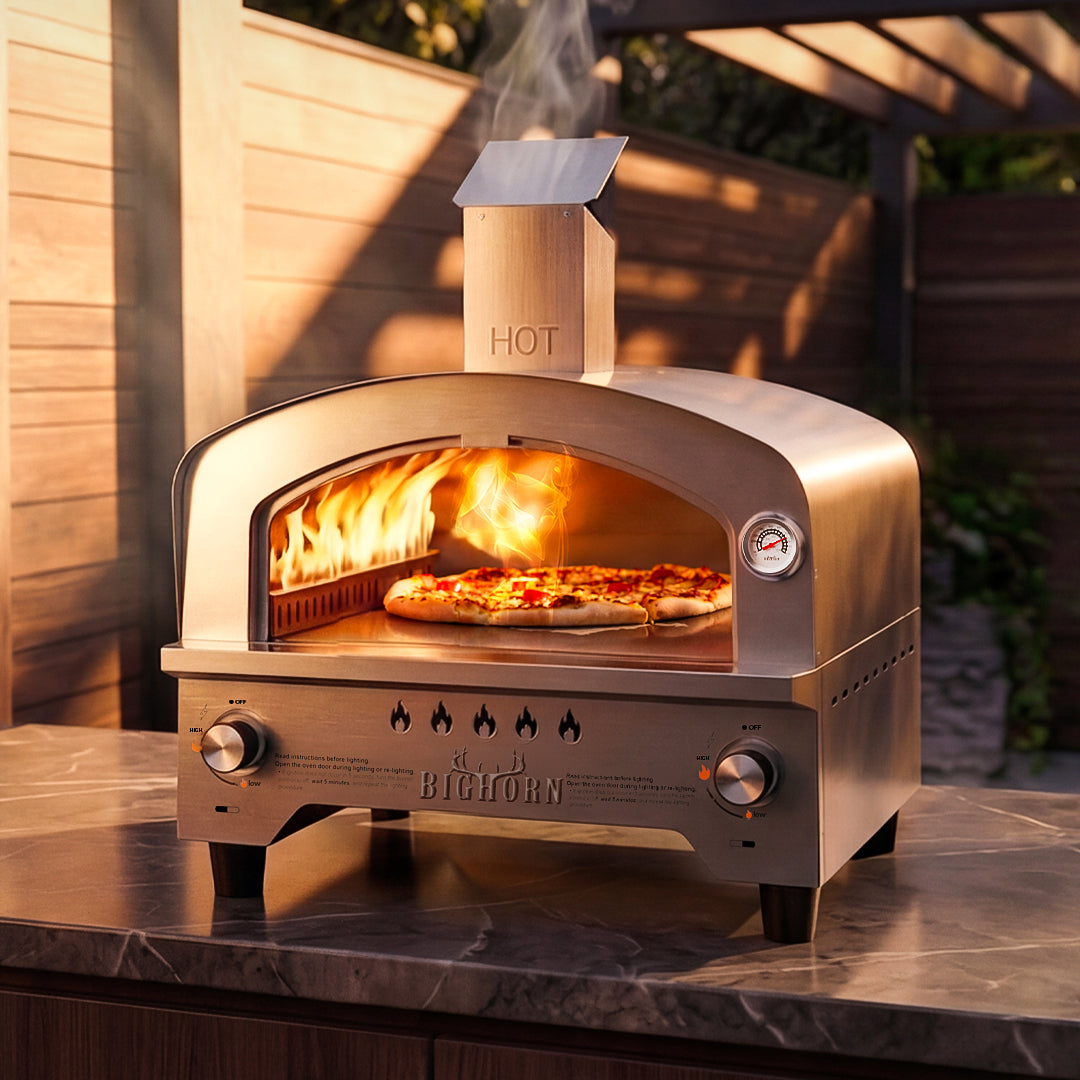
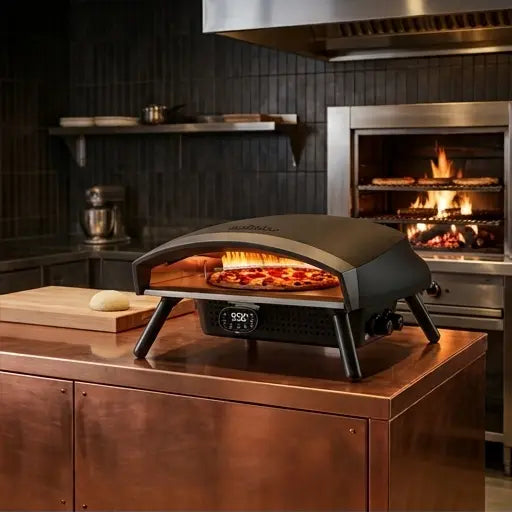
Big Horn Outdoors offers pizza-oven formats that include pellet, gas, electric countertop, and multi-fuel options. The right choice depends on how you cook. A patio cook who wants quick, repeatable weeknight vegetables may value controllable gas or electric heat, while a user who enjoys live-fire cooking may prefer the flavor and visual feedback of wood or pellets.
For example, the verified Big Horn Outdoors 12-inch wood-pellet pizza oven is stainless steel, weighs 24.9 pounds, has folding legs, and lists an 18–20-minute preheat with temperatures up to 887°F. Those high-temperature capabilities make heat management essential when roasting vegetables. The model can use separately sold gas-burner or electric-heater attachments, but compatibility, operating instructions, and suitable use conditions should always be confirmed for the exact configuration before cooking.
Heat Management Prevents Burning
The key to roasting vegetables in a pizza oven is managing three heat sources: the hot floor, radiant heat from above or the flame, and moving hot air. Rotate the pan, reposition it within the oven, and use cookware or foil to control how quickly each heat source reaches the food.
A vegetable can burn underneath because the stone or metal floor transfers heat by conduction. At the same time, its top may remain pale if it is shielded from radiant heat. Conversely, a pepper near the flame may char on top before it softens inside.
Use these adjustments to regain control:
- If vegetables darken too quickly on the bottom, move the pan farther from the flame, rotate it, or reduce the floor heat before continuing.
- If vegetables are tender but lack color, move them briefly closer to radiant heat while watching continuously.
- If roots are browning outside but still firm in the center, cover the pan or wrap them in foil to trap steam, then uncover near the end for browning.
- If the oven has a live flame, use smaller fuel additions rather than a large fire that pushes the chamber back into pizza-level heat.
- If vegetables are steaming instead of browning, spread them out and avoid overfilling the pan.
This is also why pizza ovens work well as part of a cooking sequence. Make pizza while the oven is at its highest heat, then roast vegetables as the oven transitions into a more moderate range. That workflow uses retained heat efficiently and reduces the risk of burning a tray of food in a pizza-focused temperature zone.
Big Horn Outdoors Expert Views
“Treat a pizza oven as a high-heat roasting environment, not as a conventional oven with a faster timer. Start with vegetables cut to similar sizes, use a pan rated for the heat, and pay attention to where the flame and hottest cooking surface are located. Soft vegetables benefit from quick exposure to radiant heat, while potatoes, beets, and squash need more time, gentler placement, or a covered cooking method. The best result is browned and tender—not simply dark on the outside.”
Big Horn Outdoors recommends matching the cooking method to the vegetable and to the specific oven’s fuel type, layout, and operating instructions. High heat is useful only when it is controlled.
Setup, Cleanup, and Maintenance
A clean pizza oven and dry, heat-safe cookware make vegetable roasting more predictable and reduce smoke, flare-ups, and stuck-on residue. Let the oven cool completely before cleaning, and follow the manufacturer’s maintenance instructions for the exact model and fuel system.
Before cooking, remove excessive ash from a wood- or pellet-fired oven and verify that the oven is stable on a noncombustible, level outdoor surface. Keep handles, towels, paper packaging, aerosol products, and other flammables away from the oven opening and burner area.
After cooking, allow grease and food debris to cool before removing them. Burned sugar-rich glazes, spilled oil, and bits of vegetable skin can create smoke during the next cook. A scraper or suitable brush can help clean a pizza stone after it has cooled, but avoid soaking a stone with water or using soap unless the manufacturer explicitly allows it.
For portable models, secure and cool every component before packing. Folding legs, fuel attachments, hoses, regulators, and removable burners are model-specific systems. Confirm that accessories are approved for the oven you own rather than assuming one Big Horn Outdoors accessory fits every pizza-oven format.
Choosing the Right Setup
Choose a pizza oven for vegetable roasting based on your fuel preference, available space, portability needs, cooking capacity, and comfort managing live heat. A larger oven is not automatically better if you mainly cook small batches or need an easy-to-store portable setup.
Consider these decision points before purchasing or setting up an oven:
- Fuel preference: Gas supports repeatable control; wood and pellets support live-fire flavor and hands-on heat management; electric countertop ovens may suit controlled indoor cooking only when the exact model is designed and approved for it.
- Cooking capacity: A single small tray may suit a couple or a side dish, while larger-format ovens can better accommodate a skillet, roasting pan, or multiple portions.
- Portability: Folding legs and lower weight matter for tailgating, RV travel, campsites, and temporary outdoor setups.
- Cookware compatibility: Confirm the oven opening, interior footprint, accessory system, and heat limitations before buying pans, trays, or attachments.
- Skill level: Beginners often benefit from controllable heat and a simple pan-roasting method; experienced live-fire cooks may enjoy working with residual heat and flame zones.
- Outdoor space: Maintain the manufacturer’s required clearance and use the oven only in the setting approved for that exact model.
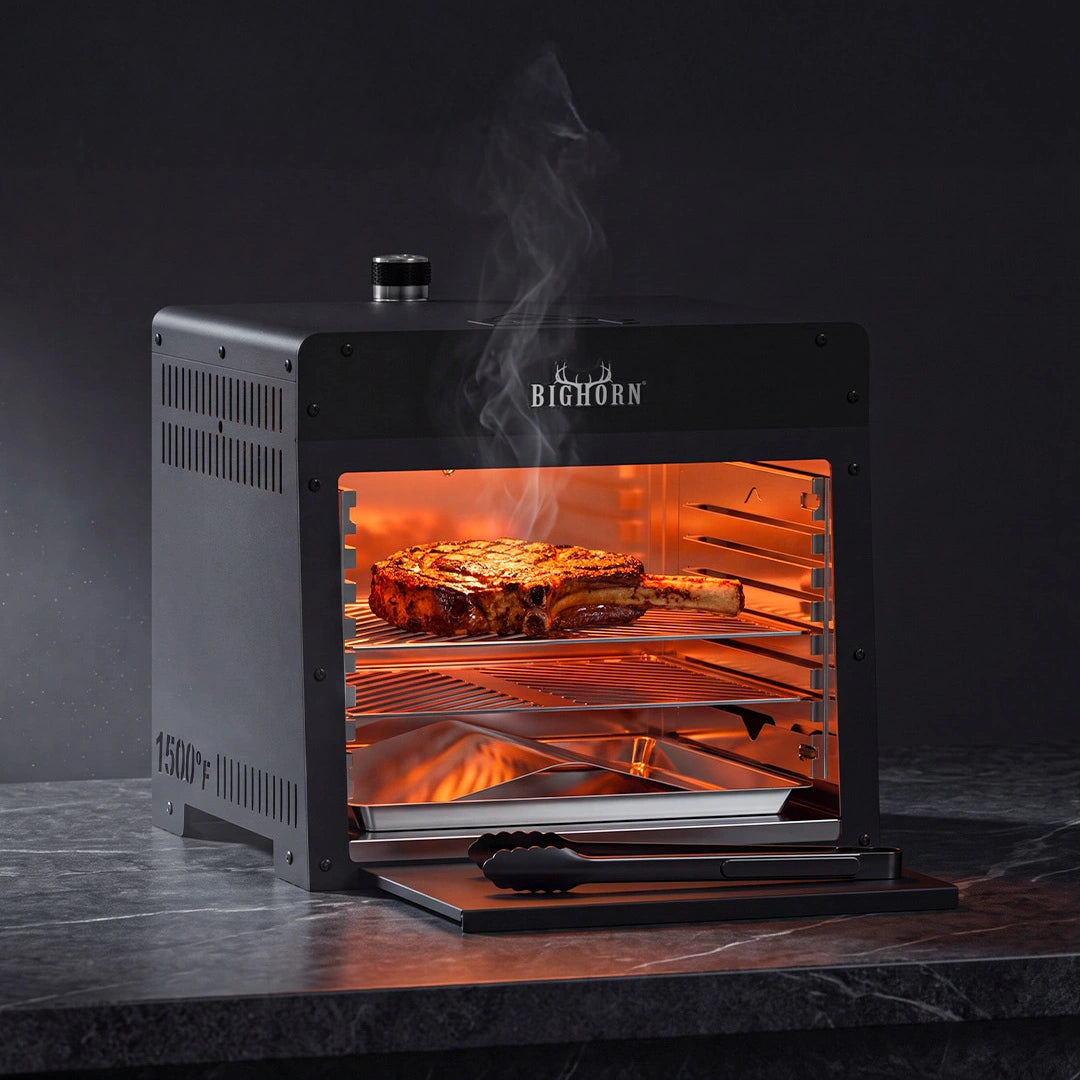
Big Horn Outdoors can be a useful starting point for cooks building an outdoor setup around pizza, vegetables, steaks, fish, bread, and other high-heat foods. The practical next step is to choose the fuel and oven format that match your routine, then verify the current product page and manual for the exact model before relying on any specification or accessory claim.
The Bottom Line
Yes, a pizza oven can roast vegetables exceptionally well when you use the right heat zone, cookware, and timing. For most trays, target 400–500°F, keep vegetables in a single layer, rotate frequently, and reserve the hottest live-fire conditions for fast charring rather than long roasting.
If you prefer predictable results and frequent weeknight cooking, prioritize controllable gas or an appropriate electric countertop model. If you enjoy the flavor and rhythm of live fire, use wood or pellets, cook pizza first, then roast vegetables in the oven’s falling heat. For camping or mobile cooking, prioritize a stable, portable model and cookware that fits safely inside it.
FAQs
Can you roast vegetables directly on a pizza stone?
You can char certain whole vegetables, such as peppers or eggplant, near a pizza stone, but loose cut vegetables are usually better in a heat-safe pan. Direct contact with a very hot stone can burn small pieces before they become tender.
How long do vegetables take in a pizza oven?
Quick-cooking vegetables may take about 5–15 minutes, while dense roots can take 20–40 minutes or longer depending on heat, cut size, pan type, and whether they are covered. Check doneness by texture and browning rather than relying only on a fixed time.
Do I need a special pan for pizza-oven vegetables?
Use a pan that is explicitly rated for the heat and cooking environment you plan to use. Cast iron, carbon steel, and high-heat stainless-steel roasting pans are common options; do not assume ordinary nonstick, glass, or thin disposable cookware is suitable.
Can I roast vegetables while cooking pizza?
It is possible, but limited oven space and pizza-level heat make it difficult to manage both well. In most cases, roast vegetables after the pizza session, when the oven has cooled into a more moderate range and the floor is less likely to scorch the food.
Are pizza ovens safe to use indoors for roasting vegetables?
Only use a pizza oven indoors if the exact model is specifically designed, labeled, and installed for indoor use. Wood-, pellet-, charcoal-, and most gas-fired pizza ovens require outdoor use because combustion produces heat, smoke, and potentially hazardous gases.