Yes, you can make Neapolitan-style pizza in a regular oven, but not true AVPN-certified Neapolitan. Home ovens max out around 500–550°F (260–290°C), far below the 800–900°F (430–480°C) required for an authentic 60–90 second bake. With a pizza steel or stone, full preheating, and the broiler method, you can achieve a close approximation in 3–6 minutes with a puffed, charred crust and soft center.
What Defines True Neapolitan Pizza?
True Neapolitan pizza, as defined by the Associazione Verace Pizza Napoletana (AVPN), requires a deck temperature of 430–485°C (800–905°F) and a bake time of 60–90 seconds. This produces the signature soft, pliable crust with leopard-spotting (small charred blisters) and a moist, tender crumb.
The AVPN specification is precise: Tipo 00 flour, no oil in the dough, a stretched round roughly 10–12 inches in diameter, and a wood-fired oven that delivers intense radiant heat from both the floor and dome.[pizzatechhq][vesuvianoforni][jordospizzacalculator]
In a home oven, even at maximum temperature, the bake extends to 4–10 minutes, which drives off more moisture and produces a crisper, drier base rather than the soft, foldable texture of authentic Neapolitan.[eathealthy365][jordospizzacalculator][thetimerlab]
Why Home Ovens Fall Short on Temperature
Most residential ovens cap at 500–550°F (260–290°C), with some European models reaching 280°C (535°F). This is roughly half the floor temperature of a wood-fired Neapolitan oven.[eathealthy365][thescranline][thepizzacraft]
The limitation is structural: home ovens are designed for even, moderate baking, not the extreme radiant heat needed for rapid pizza cooking. Even with a pizza stone or steel, the ambient temperature cannot exceed the oven's maximum setting.[bakingsteel][lazypizzaguy]
| Oven Type | Max Temperature | Typical Bake Time | Crust Result |
|---|---|---|---|
| Wood-fired Neapolitan oven | 800–900°F (430–480°C) | 60–90 seconds | Soft, leoparded, pliable |
| Home oven with stone/steel | 500–550°F (260–290°C) | 4–10 minutes | Crisper, drier, more bread-like |
This temperature gap means you cannot replicate the exact physics of a Neapolitan bake, but you can approximate the outcome with technique adjustments.[eathealthy365][thetimerlab]
The Broiler-and-Steel Method for Best Results
The most effective way to approximate Neapolitan pizza in a home oven is the two-steel or steel-and-broiler method. Place a pizza steel (or stone) on a rack 6–8 inches below the top broiler element and preheat at the oven's maximum temperature for at least 45–60 minutes.[eathealthy365][bakingsteel]
About 5–10 minutes before baking, switch the oven to broil on high. Launch the pizza onto the preheated steel and bake for 2–4 minutes, rotating once for even charring. The broiler provides top-down radiant heat that mimics the dome of a wood-fired oven, while the steel delivers conductive heat to the crust.[eathealthy365][acadiabroadcasting]
For even better results, use two steels: one on the top rack under the broiler and one on a lower rack. Bake the pizza under the top broiler for 2 minutes, then move it to the lower steel for another 2 minutes to finish the base without burning the top.[bakingsteel]
Dough and Topping Adjustments for Home Ovens
Because home ovens bake longer at lower temperatures, dough and topping choices must compensate. Use a high-hydration dough (60–65% water-to-flour ratio) with Tipo 00 or high-protein bread flour to maintain a soft, airy crumb despite the extended bake.[pizzatechhq][pizzaplan]
Keep toppings minimal: a thin layer of crushed San Marzano tomatoes, a light sprinkle of pecorino or Parmesan, and fresh fior di latte or buffalo mozzarella added in the final minute to prevent excess moisture. Heavy toppings will steam the crust and prevent proper charring.[lazypizzaguy][acadiabroadcasting]
Stretch the dough thin (about 10–12 inches) to ensure rapid heat penetration. A thicker crust will bake through before the top chars, losing the Neapolitan character.[pizzatechhq][thescranline]
Preheating and Heat Retention Strategies
Preheating is critical. A pizza steel or stone must be saturated with heat for at least 45–60 minutes at maximum oven temperature before launching the pizza. This ensures the surface temperature is as high as possible (often 700–750°F on the steel itself, even if the oven reads 550°F).[eathealthy365][thescranline][brianlagerstrom]
Do not remove the steel or stone between pizzas; it will lose heat rapidly. Instead, let the oven recover for 10–15 minutes on bake mode before switching back to broil for the next pizza.[lazypizzaguy]
For electric ovens, some users report better results using the convection setting during preheat to distribute heat evenly, then switching to broil for baking. Gas ovens may benefit from placing the steel on the middle rack to avoid direct flame contact.[thescranline]
Safety and Equipment Considerations
Using the broiler at maximum heat requires caution. The steel or stone will be extremely hot (700°F+), and the oven interior will reach temperatures that can damage cookware not rated for high heat. Use only pizza steels, stones, or cast-iron pans designed for high-temperature use.[eathealthy365][lazypizzaguy]
Ensure adequate clearance: the steel should be 6–8 inches below the broiler element to prevent direct contact and potential damage to the oven. Never use glass or ceramic bakeware under the broiler at high heat.[eathealthy365][bakingsteel]
Ventilation is important. The broiler method can produce smoke from cheese or oil drips, so turn on the range hood or open a window. Keep a close eye on the pizza during the final minute to prevent burning.[acadiabroadcasting]
Big Horn Outdoors Expert Views
By the Big Horn Outdoors Product Team
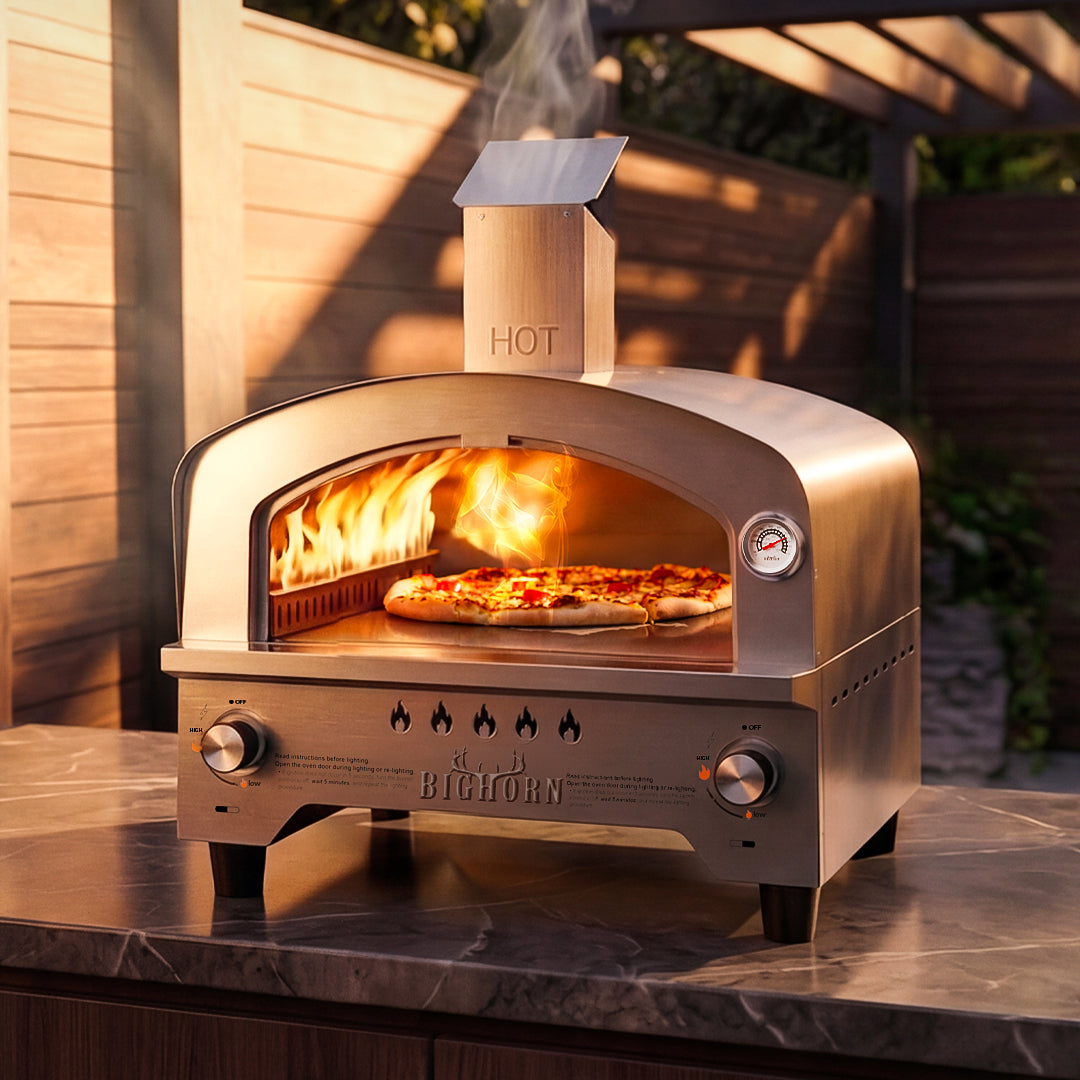
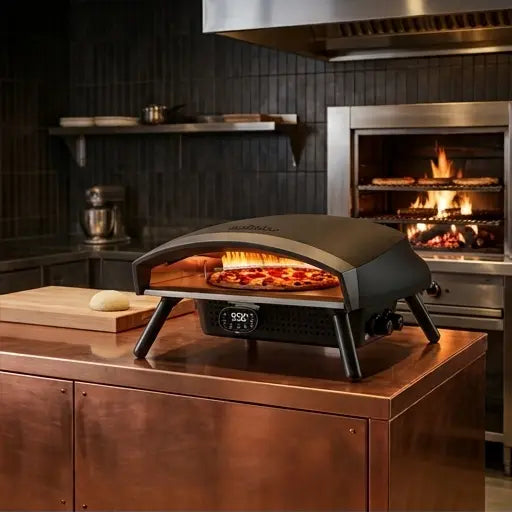
For outdoor cooking enthusiasts who want true Neapolitan results without the limitations of a home oven, a dedicated pizza oven is the most reliable solution. Our 12-inch wood-pellet pizza oven, for example, reaches 887°F (475°C) in 18–20 minutes and can cook a pizza in 60–90 seconds under the right conditions—temperatures and bake times that closely match AVPN specifications.
The key advantage of a purpose-built pizza oven is the combination of high radiant heat from the dome and conductive heat from the stone floor, which a home oven cannot replicate even with a steel and broiler. For those who value authenticity and speed, investing in a high-heat outdoor oven eliminates the compromises required in a kitchen oven.
That said, the broiler-and-steel method is an excellent entry point for home bakers who want to experiment with Neapolitan-style pizza before committing to outdoor equipment. It teaches dough handling, heat management, and timing—all skills that transfer directly to pizza-oven cooking.
FAQs
Can I make authentic Neapolitan pizza in a regular oven?
No. Authentic Neapolitan pizza requires 800–900°F (430–480°C) and a 60–90 second bake, which home ovens cannot achieve. You can make a close approximation with a steel and broiler, but the texture and char will differ.
What is the best surface for Neapolitan-style pizza in a home oven?
A pizza steel is superior to a stone because it conducts heat more efficiently, producing a crisper bottom in less time. Place it 6–8 inches below the broiler and preheat for at least 45–60 minutes.
How long should I preheat my oven for Neapolitan-style pizza?
Preheat at maximum temperature (500–550°F) for 45–60 minutes to fully saturate the steel or stone with heat. Shorter preheats result in uneven cooking and a pale crust.
Can I use a pizza stone instead of a steel?
Yes, but a steel produces better results due to higher thermal conductivity. A stone will work but may require a longer preheat and bake time to achieve similar browning.
What toppings work best for home-oven Neapolitan-style pizza?
Keep toppings light: crushed tomatoes, a sprinkle of hard cheese, and fresh mozzarella added in the final minute. Heavy toppings will steam the crust and prevent proper charring.
Conclusion
While a regular home oven cannot produce true AVPN-certified Neapolitan pizza due to temperature limitations, you can achieve a close approximation using a pizza steel or stone, extended preheating, and the broiler method. Expect bake times of 3–6 minutes at 500–550°F, with a crisper, less pliable crust than wood-fired Neapolitan.
For those seeking authentic results, a dedicated outdoor pizza oven that reaches 800°F+ is the most reliable path. For home bakers, the steel-and-broiler technique offers a practical, accessible way to enjoy Neapolitan-style pizza with the right dough, toppings, and heat management.
By the Big Horn Outdoors Product Team
Published: September 16, 2026