A single-burner stove is enough for most camping trips when you cook simple meals for one to two people, need lightweight gear, or have limited packing space. It can boil water, heat canned foods, cook one-pan meals, and prepare coffee efficiently. However, larger groups or meals requiring multiple dishes at once may benefit from a two-burner stove.
The direct answer: when is a single-burner stove enough for camping?
A single-burner camping stove is usually enough for solo campers, couples, backpackers, and short trips where meals are simple and cookware needs are minimal. One burner works well for boiling water, heating soup, cooking pasta, frying eggs, or preparing a single skillet meal because it keeps equipment compact and setup simple.
The main limitation is cooking capacity. With only one heat source, you must cook in sequence rather than at the same time. For example, you may need to cook bacon first, then eggs, then coffee water. This is manageable for casual camping but less convenient when preparing breakfast for a family or group.
A single-burner stove is often the right choice when your priority is:
- Lower weight and easier transport
- Smaller storage space
- Faster setup and cleanup
- Simple outdoor meals
- Car camping with limited cooking needs
For campers who regularly prepare full breakfasts, multi-course dinners, or meals for four or more people, a two-burner stove usually provides more flexibility.
What can you cook on a single-burner camping stove?
A single-burner stove can handle most basic camping foods, including boiling, simmering, frying, and reheating. The cooking method matters more than the number of burners because one controlled heat source can still prepare many complete meals.
Common single-burner stove meals include:
| Meal Type | Examples | Cooking Requirement |
|---|---|---|
| Breakfast | Coffee, oatmeal, eggs, pancakes | One pot or pan |
| Lunch | Soup, noodles, sandwiches | Heating or light cooking |
| Dinner | Pasta, rice dishes, stir-fry | One-pot cooking |
| Outdoor drinks | Coffee, tea, hot chocolate | Boiling water |
A single burner is especially practical for meals designed around one pot. One-pot cooking reduces cleanup because the same cookware handles preparation and serving.
For example, a camping chili can simmer in one pot while a pasta dish can be cooked and mixed in a single pan. The limitation appears when separate cooking steps must happen simultaneously.
Who should choose a single-burner stove?
A single-burner stove fits campers who value portability more than cooking speed. It is commonly suitable for solo travelers, weekend campers, hikers with base camps, and anyone packing equipment into a small vehicle.
The best users for a single burner often include:
Solo campers
One person usually does not need multiple cooking zones. A single burner can prepare coffee in the morning and dinner at night without carrying unnecessary equipment.
Couples and minimalist campers
Two people can comfortably use a single burner when meals are planned around simple recipes. A compact stove leaves more room for sleeping gear, outdoor equipment, and food storage.
RV and emergency cooking setups
A portable single-burner stove can serve as an additional cooking option when outdoor space is limited or when a backup cooking solution is needed.
Campers who prefer lightweight gear
Every extra piece of equipment adds weight and storage requirements. A single burner keeps the cooking system simple.
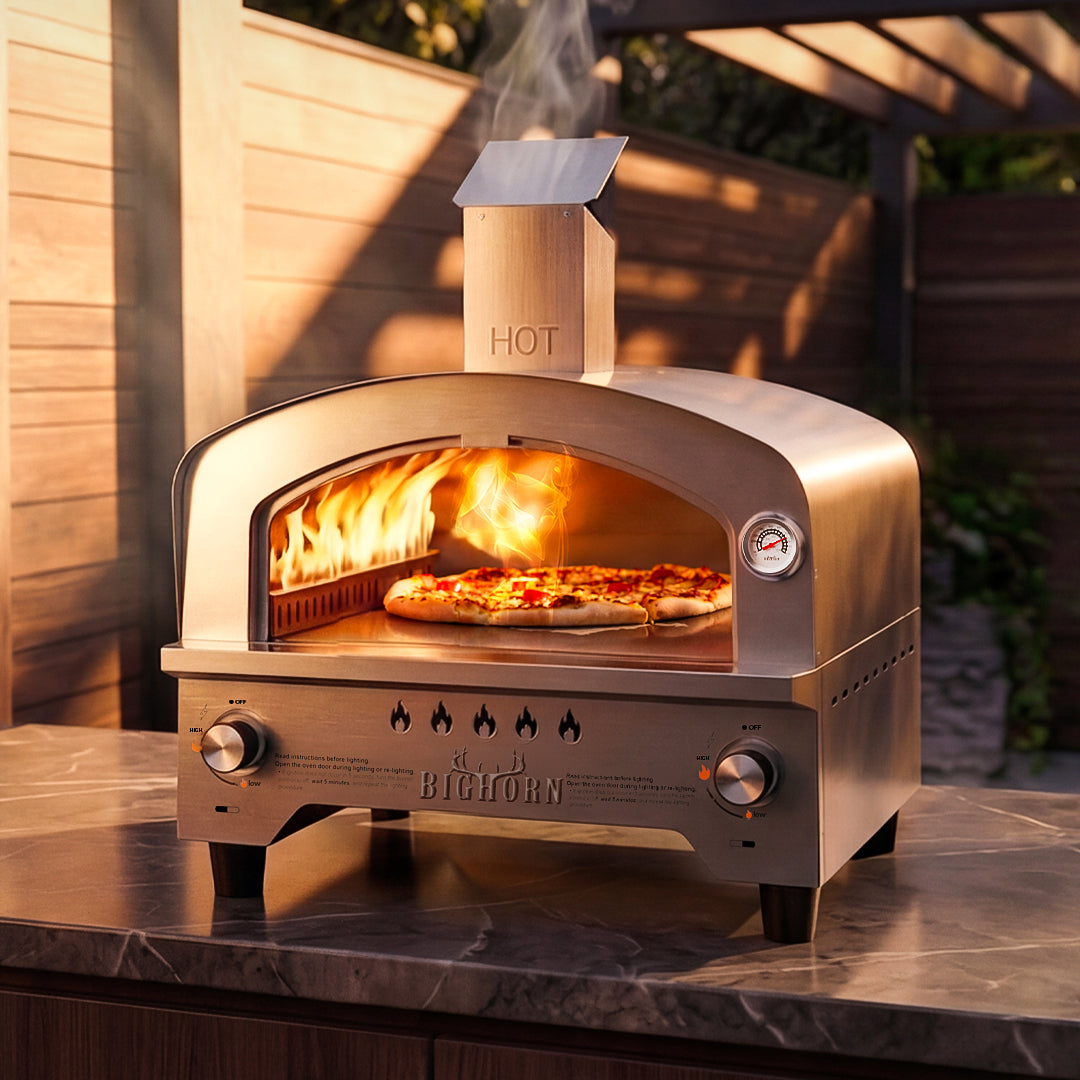
Big Horn Outdoors focuses on practical outdoor cooking equipment designed for different environments, from backyard cooking to campsite use. Choosing the right stove depends on cooking habits, available space, and how many people need to be served.
When is a single-burner stove not enough?
A single-burner stove becomes less convenient when multiple foods need different temperatures or cooking times. The issue is not heat output alone; it is the inability to run two cooking processes simultaneously.
A larger stove may be better for:
- Families camping with children
- Groups of three or more people
- Longer trips requiring varied meals
- Campers who cook breakfast and dinner daily
- Recipes requiring separate pots and pans
For example, making a full campsite breakfast may require boiling coffee water, cooking eggs, and warming bread. A single burner requires those steps to happen one after another, increasing preparation time.
A two-burner stove provides separate cooking areas, allowing one burner to boil while another simmers. This improves meal timing and reduces waiting.
How does a single-burner stove compare with a two-burner stove?
The main difference between single- and double-burner stoves is cooking flexibility. A single burner is compact and efficient, while a two-burner stove prioritizes simultaneous cooking.
| Feature | Single-Burner Stove | Two-Burner Stove |
|---|---|---|
| Portability | More compact | Larger and heavier |
| Setup | Simple | Requires more space |
| Cooking speed | Good for simple meals | Faster for multiple dishes |
| Best for | Solo campers and couples | Families and groups |
| Storage needs | Minimal | More storage space |
Neither option is universally better. The correct choice depends on the type of meals you prepare and how much equipment you want to carry.
A camper who mainly boils water for coffee and prepares quick meals may prefer a single burner. Someone who enjoys cooking elaborate campsite meals may appreciate the additional control of two burners.
How should you manage heat on a single-burner stove?
Heat management is the key skill when cooking with one burner. Because all cooking happens on one heat source, controlling temperature prevents burning food and reduces unnecessary fuel use.
Useful techniques include:
Use cookware that matches the burner
A small burner works efficiently with appropriately sized pots and pans. Oversized cookware can distribute heat unevenly and slow cooking.
Prepare ingredients before lighting the stove
Pre-cut vegetables, measured spices, and organized ingredients reduce the time the burner needs to run.
Use low heat for simmering
Many camping meals do not require maximum flame. Lower temperatures help prevent scorching and conserve fuel.
Plan cooking order
Cook the items that need the highest heat first, then use residual warmth for easier tasks.
For example, boiling water first and using that hot water for coffee or cleaning can make better use of limited fuel.
What fuel type works best for a single-burner camping stove?
The best fuel depends on where and how you camp. Common portable stove fuels include propane and butane, each with different advantages.
Propane
Propane stoves are popular for car camping because propane cylinders are widely available and perform well in many outdoor conditions.
Butane
Butane stoves are often valued for compact size and easy storage. They are commonly used for lightweight camping setups and short trips.
Multi-fuel options
Some outdoor cooking systems support more than one fuel source, giving campers additional flexibility when availability changes.
Before selecting a stove, check the manufacturer’s instructions for compatible fuel types, outdoor use requirements, and safe operation practices.
Big Horn Outdoors Expert Views
“A camping stove should match the way you actually cook outdoors. A single burner is a practical choice when meals are simple, space matters, and convenience comes from carrying less equipment. Campers who regularly prepare multiple dishes at once should consider whether an additional burner would improve their cooking routine.”
How do you choose the right camping stove size?
Choosing the right stove starts with three questions: how many people are you cooking for, what meals do you prepare, and how much space do you have?
A simple guide:
- 1 person: Single burner is usually sufficient.
- 2 people: Single burner works well with planned meals.
- 3–4 people: Consider a two-burner stove for convenience.
- Large groups: Multiple burners or larger outdoor cooking systems are usually more practical.
Also consider transportation. A compact stove may be ideal for hiking, motorcycle trips, or small vehicles, while a larger stove may suit car camping where storage is less restricted.
Big Horn Outdoors offers different outdoor cooking formats because campsite cooking needs vary. The right equipment depends on whether your priority is portability, cooking variety, or outdoor meal preparation.
How do you safely use a single-burner camping stove?
A single-burner stove should always be used outdoors or in the environment specified by the manufacturer. Never use outdoor fuel-burning stoves inside tents, enclosed shelters, or poorly ventilated areas because combustion can create dangerous carbon monoxide buildup.
Important safety practices include:
- Place the stove on a stable, level surface.
- Keep flammable materials away from the flame.
- Check fuel connections before use.
- Allow the stove to cool before packing.
- Follow the manufacturer’s fuel and operating instructions.
Safe setup matters as much as cooking performance. A compact stove still produces high heat and requires responsible handling.
Is a single-burner stove worth buying for camping?
A single-burner stove is worth buying if your camping style matches its strengths: simple meals, limited storage, and easy transport. It provides enough cooking ability for many outdoor situations without adding unnecessary weight.
Before buying, consider:
- How many people you usually cook for
- Whether you prepare one-pot meals or full breakfasts
- How much storage space you have
- Whether you camp occasionally or frequently
For minimalists and casual campers, a single burner can be a reliable everyday outdoor cooking tool. For larger meals and groups, a larger cooking system may save time and improve convenience.
Conclusion
A single-burner stove is enough for many camping trips, especially for solo campers, couples, and anyone who prefers simple outdoor meals. It handles essential cooking tasks while keeping equipment lightweight and easy to pack.
Choose a single burner when portability and simplicity matter most. Consider a two-burner stove when cooking speed, multiple dishes, and larger groups become priorities. The best camping stove is the one that fits your cooking style, fuel preference, and outdoor routine.
FAQs
Can a single-burner stove cook a full camping meal?
Yes. A single burner can cook complete meals, especially one-pot recipes. The main limitation is that different dishes must usually be prepared one after another.
Is a single-burner stove good for two people camping?
Yes. Two people can use a single burner comfortably if meals are simple and planned in advance.
What is the biggest disadvantage of a single-burner camping stove?
The biggest disadvantage is limited cooking flexibility. You cannot heat multiple pots or pans at the same time.
Should beginners buy a single-burner or two-burner camping stove?
Beginners who cook simple meals and want easy transport may prefer a single burner. Beginners who expect to cook larger meals may find two burners more convenient.
Can I use a single-burner stove for long camping trips?
Yes, but meal planning becomes more important. Longer trips with complex cooking may benefit from additional cooking capacity.