

A gas pizza oven is usually better for outdoor cooks who want fast heating, high temperatures, and simple operation, while an electric pizza oven fits users who need indoor convenience and consistent preset cooking. The right choice depends on where you cook, how much space you have, and whether portability or temperature control matters more.
What Is the Difference Between a Gas and Electric Pizza Oven?
A gas pizza oven uses propane or natural gas combustion to create direct heat, while an electric pizza oven uses heating elements powered by electricity to generate controlled cooking temperatures. The main difference is fuel source, installation environment, heat behavior, and cooking style.
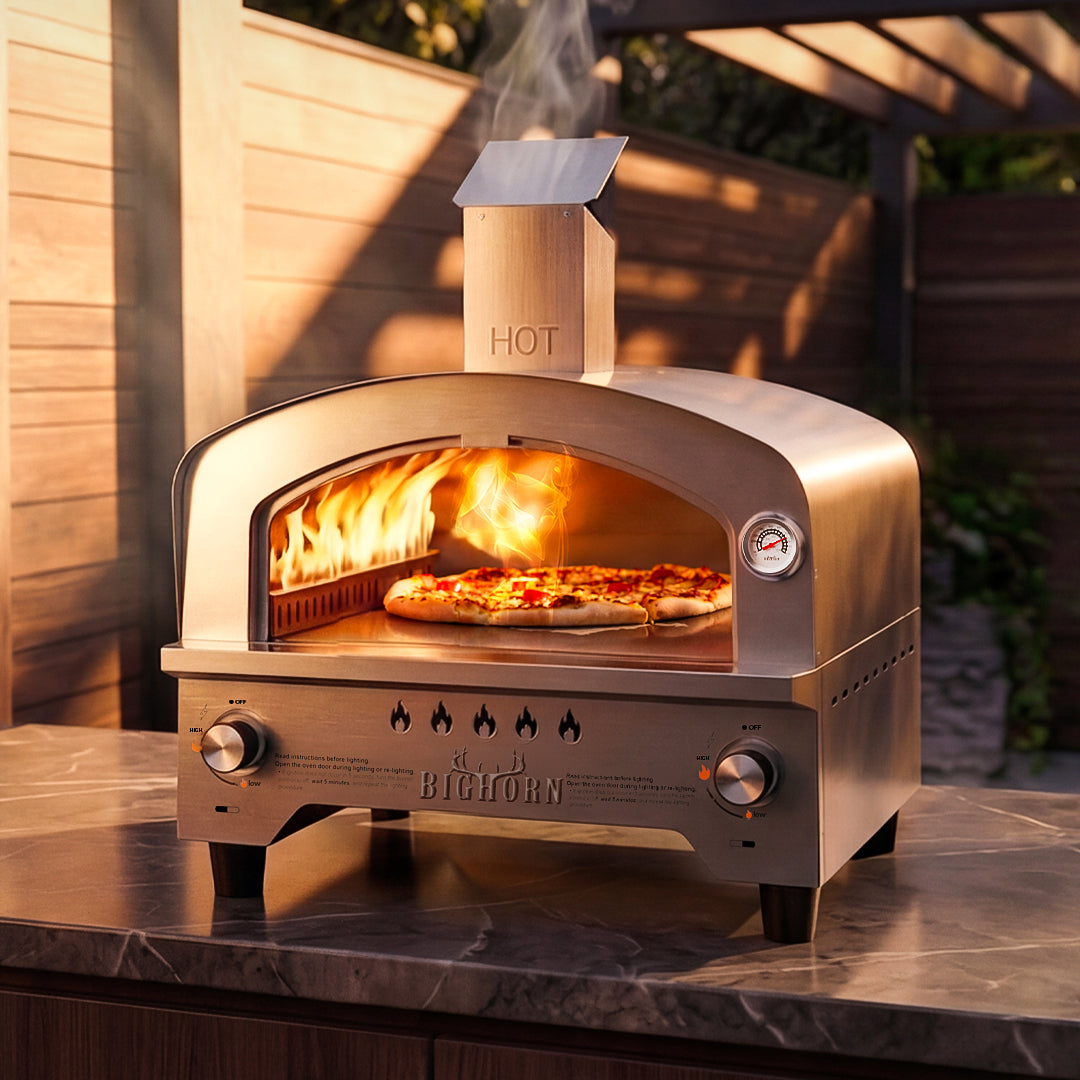
Gas ovens are designed around outdoor cooking. The burner produces radiant heat that transfers energy directly toward the pizza stone and cooking surface, helping create the high temperatures needed for Neapolitan-style pizza. Many outdoor gas ovens are built for patios, backyards, balconies with proper clearance, and outdoor kitchens.
Electric pizza ovens work differently. Instead of combustion, electric heating elements provide steady heat through conduction, radiation, and convection. Because there is no flame or fuel tank, electric models are often easier to place on countertops where indoor use is permitted.
The choice is not simply about which fuel is more powerful. It is about matching the oven to your cooking environment.
| Feature | Gas Pizza Oven | Electric Pizza Oven |
|---|---|---|
| Heat source | Propane or natural gas burner | Electric heating elements |
| Best location | Outdoor cooking areas | Indoor countertop or covered spaces where allowed |
| Heat adjustment | Manual flame control | Digital or preset temperature control on many models |
| Setup | Requires fuel connection or tank | Requires electrical outlet |
| Portability | Often easier for outdoor travel | Usually stays in one location |
Is Gas Better Than Electric for Pizza?
Gas is generally better for outdoor pizza cooking because it provides strong direct heat, faster recovery after opening the door, and a traditional flame-based cooking experience. Electric is better when convenience, repeatability, and indoor countertop use are the priority.
A gas pizza oven is especially useful for cooks who regularly make multiple pizzas for family gatherings or outdoor events. When the oven door opens, heat escapes quickly. A gas burner can continue producing heat immediately, helping the oven recover faster.
The flame also changes how heat reaches the pizza. A strong burner creates radiant heat that warms the stone and cooks the toppings from above, helping develop browned cheese and crisp crust when properly managed.
However, gas cooking requires more attention. Users need to manage fuel supply, outdoor placement, ventilation, and safe clearance around the oven. Gas ovens should not be used indoors unless the specific model is designed and approved for indoor operation.
Electric ovens offer a different advantage: consistency. Many countertop electric models use thermostatic controls or preset programs that reduce the need for manual adjustment. This makes them attractive for beginners, apartments, and people who want predictable results.
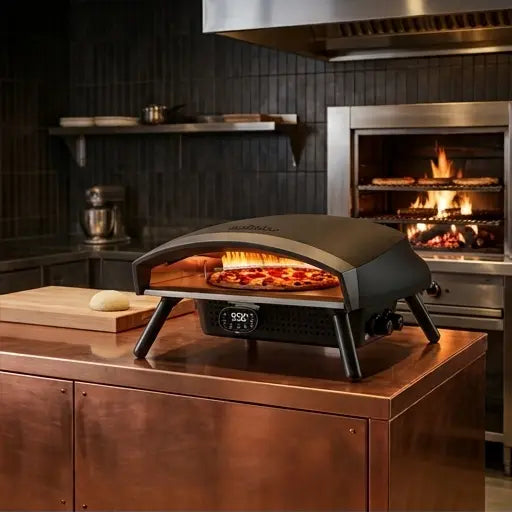
For example, Big Horn Outdoors offers different pizza oven formats, including outdoor gas, pellet, electric countertop, and multi-fuel designs. Each category serves a different cooking situation rather than replacing every other option.
When Should You Choose a Gas Pizza Oven?
Choose a gas pizza oven if you mainly cook outdoors, want high-heat pizza, or need a setup that can handle frequent pizza sessions. Gas is especially suitable for backyard cooks, outdoor kitchens, camping setups, and hosts making several pizzas in one session.
A gas pizza oven is often the preferred option for:
- Backyard pizza nights
- Outdoor entertaining
- Cooking multiple pizzas consecutively
- Users who prefer flame-based cooking
- People who already use propane outdoor equipment
Gas ovens are also useful because fuel storage is simple. A propane tank can provide multiple cooking sessions without requiring a connection to household electricity.
However, gas is not always the best choice. If you live in an apartment, have limited outdoor space, or want to cook year-round without weather concerns, an electric oven may be more practical.
Big Horn Outdoors designs outdoor cooking equipment around different environments, from backyard cooking spaces to portable outdoor setups. Selecting the correct fuel type is part of choosing equipment that matches your actual cooking habits.
When Is an Electric Pizza Oven the Better Choice?
An electric pizza oven is usually the better choice for indoor convenience, small spaces, and users who prefer simple temperature management. It eliminates fuel storage and provides a plug-in cooking experience.
Electric ovens work well for:
- Apartments and kitchens with limited outdoor access
- Beginners learning pizza techniques
- Users who prefer preset cooking modes
- Smaller households making occasional pizza
Because electric ovens do not burn fuel, they avoid many outdoor cooking concerns such as propane storage and flame management. This makes them appealing for people who want pizza preparation to fit easily into a normal kitchen routine.
The trade-off is that many household electrical systems have limits on how much heat they can provide. Some electric ovens may not reach the same high temperatures as dedicated outdoor gas ovens designed for rapid high-heat cooking.
Temperature is important because pizza depends on several reactions happening together. The crust needs enough heat for rapid expansion, while the toppings need sufficient radiant energy for browning through the Maillard reaction.
A lower-temperature electric oven can still make excellent pizza, but the cooking style may differ from a traditional high-temperature outdoor pizza oven.
Which Pizza Oven Is Easier to Use: Gas or Electric?
Electric pizza ovens are usually easier for beginners because they require fewer setup steps, while gas ovens provide more control for cooks who enjoy adjusting flame and heat manually.
Electric operation is straightforward:
- Place the oven on a suitable surface.
- Connect power.
- Select temperature or cooking mode.
- Preheat according to manufacturer instructions.
- Cook the pizza.
Gas operation involves additional steps:
- Connect the correct fuel source.
- Check the setup before lighting.
- Allow proper ventilation.
- Adjust flame levels during cooking.
- Monitor heat distribution.
Experienced outdoor cooks often appreciate this control because changing flame intensity can affect cooking speed and crust texture.
For beginners, however, fewer variables can make learning easier. The best oven is the one that fits how much involvement the user wants during cooking.
How Do Gas and Electric Pizza Ovens Compare for Maintenance?
Gas ovens generally require more attention to burners and fuel connections, while electric ovens usually require simpler cleaning focused on the cooking surface and exterior.
Pizza ovens mainly need maintenance because flour, cheese, oil, and food residue accumulate over time. Regular cleaning helps preserve cooking performance.
| Maintenance Area | Gas Oven | Electric Oven |
|---|---|---|
| Cooking surface | Clean after cooling | Clean after cooling |
| Heat source | Check burner condition | Check heating elements |
| Fuel system | Inspect connections | Check power cord and controls |
| Storage | Protect from weather | Keep dry and clean |
Neither type should be treated as maintenance-free. Outdoor gas ovens may need protection from moisture, while countertop electric ovens need proper ventilation and electrical safety.
Big Horn Outdoors recommends choosing accessories and protection products that match the specific oven format, including covers, stones, and cooking tools where compatible.
What About Portable Pizza Ovens: Gas or Electric?
Gas is usually the more portable option for outdoor pizza cooking because it does not depend on a fixed electrical outlet. Electric ovens are generally better suited for locations with reliable power.
For camping, tailgating, and outdoor travel, fuel flexibility matters. A gas-powered oven can operate in locations where electricity is unavailable.
Some multi-fuel pizza ovens provide additional flexibility by supporting different fuel systems, but compatibility depends on the exact model. Users should always confirm the approved fuel options before adding attachments or accessories.
Big Horn Outdoors offers pizza ovens across multiple fuel categories, including portable outdoor designs and countertop electric formats, allowing users to choose based on their intended cooking environment.
Big Horn Outdoors Expert Views
“Choosing between gas and electric is less about finding one universal winner and more about matching the oven to the way you actually cook. Outdoor cooks who value high heat, portability, and flame control often prefer gas. Users who prioritize convenience, repeatability, and simple operation may find electric better suited to their kitchen. The most important step is understanding your space, fuel access, and cooking goals before choosing a model.”
Conclusion: Should You Buy a Gas or Electric Pizza Oven?
A gas pizza oven is the stronger choice for outdoor cooks who want high heat, flame cooking, portability, and frequent pizza sessions. An electric pizza oven is better for users who want convenience, indoor compatibility, and easier temperature control.
Choose gas if you:
- Cook outdoors regularly
- Host pizza nights
- Want direct flame heat
- Need portable outdoor capability
Choose electric if you:
- Cook mainly indoors
- Have limited outdoor space
- Prefer simple controls
- Want a countertop solution
Big Horn Outdoors offers different pizza oven categories because cooking environments vary. The best choice depends on your available space, preferred cooking style, and how much control you want during the pizza-making process.
FAQs
Is a gas pizza oven hotter than an electric pizza oven?
Many outdoor gas pizza ovens are designed for very high temperatures because burners can produce strong direct heat. Electric ovens vary widely depending on their heating system and design.
Can I use a gas pizza oven indoors?
Most outdoor gas pizza ovens should only be used outdoors with proper ventilation and clearance. Always follow the specific model’s safety instructions.
Are electric pizza ovens good for beginners?
Yes. Electric ovens are often easier for beginners because they typically require fewer setup steps and may include preset temperature controls.
Does gas pizza taste better than electric pizza?
Flavor depends on temperature, cooking technique, ingredients, and heat management. Gas can provide a flame-based cooking experience, while electric ovens can produce excellent results with proper settings.
Which pizza oven is better for camping?
Gas or compatible multi-fuel outdoor pizza ovens are generally more practical for camping because they do not require a household electrical connection.