Big Horn pizza-oven owners most often praise the value, compact footprint, and ability to produce crisp, high-heat pizza once they learn the process. The trade-off is that pellet-fired models demand active fire management: owners commonly recommend monitoring fuel, rotating pizzas frequently, and checking stone temperature rather than relying on preheat time alone.
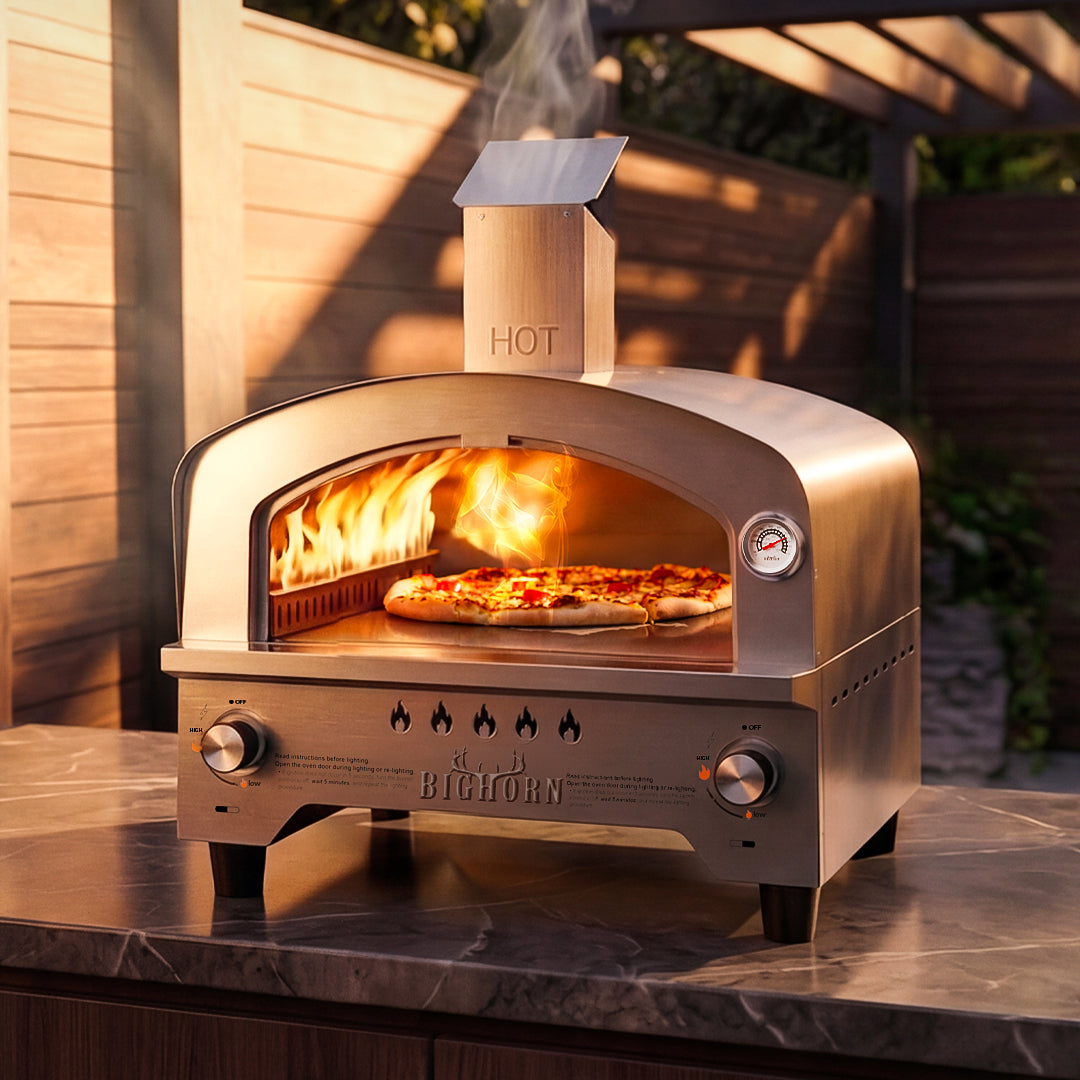
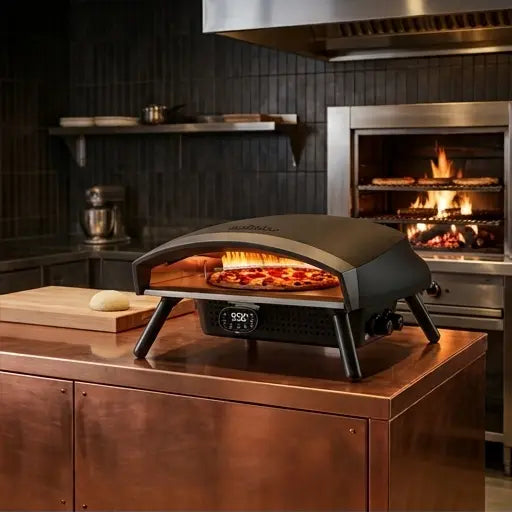
Big Horn Outdoors makes outdoor-cooking equipment for backyard, patio, campsite, and RV-oriented use. Its pizza-oven lineup spans pellet, gas, electric countertop, and multi-fuel formats, so owner feedback should always be connected to the exact oven and fuel system—not treated as a verdict on every Big Horn Outdoors model.
For the widely discussed 12-inch wood-pellet oven, the official product information describes a stainless-steel, folding-leg unit weighing 24.9 pounds. It lists an 18–20-minute preheat, temperatures up to 887°F, and pizza cook times of roughly 60–90 seconds under appropriate conditions. Those specifications apply only to that specific compatible model and do not describe every Big Horn Outdoors pizza oven.
What is the overall owner verdict?
Owners generally see Big Horn pizza ovens as capable, budget-conscious outdoor cookers that reward technique more than automation. Positive reviews emphasize satisfying pizza results and portability; critical reviews focus on pellet management, temperature recovery, and occasional durability or shipping concerns.
Across retailer feedback, discussion forums, and independent reviews, the most consistent theme is straightforward: a Big Horn oven can make very good pizza, but a pellet model is not a “load it, walk away, and return later” appliance.
Owners commonly value:
- The ability to cook a pizza quickly once the stone and oven are properly hot.
- A compact form factor that suits smaller patios, backyard tables, tailgates, and camping-oriented cooking setups.
- Folding-leg portability on the 12-inch pellet format.
- The interactive experience of managing a live pellet fire.
- The overall value proposition compared with higher-priced portable pizza ovens.
The concerns are equally practical. Some users report a learning curve around lighting pellets, keeping the flame stable, and timing refuels. Others say the stone, door, handle, finish, or packaging should be inspected carefully when the unit arrives. Reviews are inherently variable: they can reflect different production batches, seller handling, fuel quality, weather conditions, and user skill.
Which features do owners praise most?
Owners most often praise fast pizza cooking, simple physical setup, compact storage, and the satisfaction of live-fire cooking. The strongest positive feedback appears after users develop a repeatable routine for pellet ignition, stone preheating, pizza turning, and refueling.
Pizza quality after the learning curve
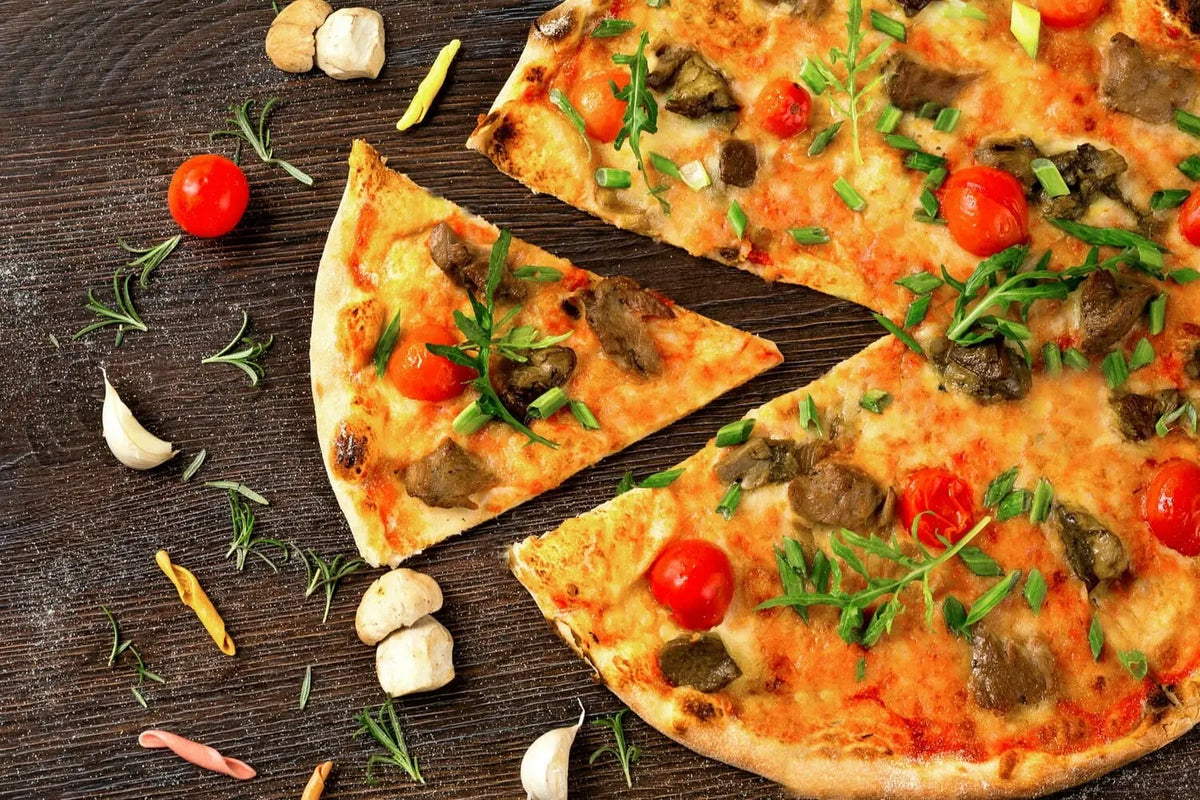
Many owners report that the oven can produce a crisp base, browned cheese, and lightly charred rim when the cooking surface has absorbed enough heat. That matters because pizza is cooked by more than the hot air inside the chamber.
The stone transfers heat into the dough through conduction—direct contact between the hot stone and the pizza base. Meanwhile, the flame and hot upper chamber cook the cheese and toppings through radiant and convective heat. A good pizza bake depends on balancing both sides:
- If the stone is too cool, the toppings can brown before the underside sets.
- If the flame is aggressive, the rim or toppings can scorch before the base finishes.
- If the stone is properly heated and the pizza is turned consistently, the base and top are more likely to finish together.
Owners frequently recommend fresh dough, restrained toppings, and smaller pizzas that are easy to turn inside a compact oven. That is practical advice for any high-heat portable pizza oven, particularly a 12-inch format.
Compact, portable design
The 12-inch wood-pellet Big Horn Outdoors oven is listed at 24.9 pounds and uses folding legs, making it easier to transport and store than a permanently installed masonry oven. That portability is a recurring appeal for buyers who want a dedicated outdoor pizza tool without devoting a large part of the patio to it.
Portability does not mean the oven can be used anywhere without planning. A pellet-fired pizza oven still needs a stable, noncombustible surface, outdoor airflow, clearance from structures and combustible materials, and a safe area for hot ash and tools.
Value for hands-on cooks
Owners who enjoy fire tending often view the extra involvement as part of the appeal. Hardwood pellets can deliver live-fire aroma and visual flame, while the small oven footprint reduces the space commitment compared with a larger outdoor kitchen installation.
However, buyers seeking push-button consistency may be happier with a gas or electric Big Horn Outdoors pizza oven designed for that fuel source. Fuel choice has a direct effect on the cooking experience, not just the flavor profile.
What problems do owners report?
The most common reported drawbacks are temperature management, pellet refueling, heat loss between pizzas, and isolated reports of damaged or failed components. These issues do not affect every owner, but they are important to consider before choosing a pellet-fired portable oven.
Pellet management requires attention
A pellet-fired oven burns hardwood pellets in a compact combustion system. The fuel must be dry, the fire must receive sufficient oxygen, and the hopper cannot be allowed to run empty during active cooking.
Owners report that the learning curve is most noticeable in these moments:
- Starting the fire without creating excessive smoke.
- Adding pellets in measured amounts instead of overfilling the fuel area.
- Keeping enough fuel available to sustain the flame.
- Recognizing when the flame is weakening.
- Avoiding a large temperature drop while checking or turning pizzas.
Big Horn Outdoors’ guidance for the 12-inch pellet model calls for using natural hardwood pellets and storing them airtight. That is not merely a storage preference: damp pellets can burn less cleanly and less consistently because absorbed moisture consumes energy during combustion.
Temperature recovery between pizzas
Several owners and reviewers say the oven may need time to recover between consecutive pizzas, especially after the door has been opened or the stone has given up heat to the first pizza. This is a normal limitation of a compact, live-fire oven with a relatively small thermal mass, although the degree varies with firing technique, weather, dough temperature, and the size of the pizza.
For a pizza party, the operational issue is not only peak oven temperature. It is stone recovery—how quickly the cooking surface returns to its target range after a bake.
A practical sequence is:
- Prepare and stretch every dough ball before lighting the oven.
- Preheat until the stone—not merely the oven air—has reached an appropriate temperature.
- Launch one pizza at a time.
- Turn it frequently to manage the hotter side of the chamber.
- Rebuild the fire and let the stone recover before the next launch.
An infrared thermometer is useful because it measures the stone surface directly. It does not replace safe handling or visual judgment, but it helps separate “the air feels hot” from “the stone is ready to bake.”
Component and delivery concerns
Some owner reviews mention cracked stones, dented packaging, door or handle issues, and mixed impressions of build quality. These are not universal findings, and review pages aggregate feedback across dates and sellers, but the pattern supports a sensible delivery checklist.
Inspect the oven before first firing:
| Check on arrival | Why it matters | What to do |
|---|---|---|
| Pizza stone | Cracks can worsen during heat cycles | Photograph visible damage before use and contact the seller or manufacturer |
| Door, handle, and hinges | Misalignment can affect handling and heat retention | Test fit only when the oven is completely cold |
| Pellet tray and ash tray | These parts support combustion and ash removal | Confirm they slide in and out as intended |
| Exterior panels and legs | Dents or instability can affect safe placement | Assemble on a level surface and verify stable footing |
| Included parts | Some product listings vary by bundle | Confirm contents against the current model listing and manual |
Do not use a cracked pizza stone. A stone can fail further when exposed to high heat, and thermal shock—such as handling a hot stone or exposing it to sudden cold—can increase the risk of cracking.
How should owners manage heat for better pizza?
For pellet-fired Big Horn pizza ovens, the most reliable method is to manage stone temperature, flame strength, and pizza rotation as separate variables. A hot flame alone does not guarantee a properly cooked pizza base.
The oven’s flame primarily cooks the upper surface and edge, while the stone sets the bottom crust. A beginner often sees a dark top and assumes the pizza is finished, but the bottom may still be pale if the stone was not sufficiently heat-soaked.
A practical high-heat routine
Use a repeatable routine rather than chasing a single advertised maximum temperature:
- Use dry, food-safe natural hardwood pellets intended for cooking.
- Set the oven up outdoors on a stable, heat-resistant surface.
- Light the pellets according to the current manual for the exact model.
- Allow the oven and stone to preheat fully.
- Use an infrared thermometer to assess the stone surface.
- Launch a lightly topped pizza that is small enough to turn easily.
- Rotate it frequently—often every few seconds in a very hot oven—to avoid scorching the side nearest the flame.
- Replenish fuel gradually and monitor the fire between bakes.
- Allow the stone to recover before launching the next pizza.
The 12-inch pellet model’s published guidance specifies checking the stone with an infrared thermometer and turning pizza frequently. The brand also advises allowing the oven to cool completely before removing the stone for cleaning.
Dough and topping choices matter
A high-heat pizza oven favors dough that is properly fermented, well stretched, and not overloaded with wet toppings. Excess sauce, cheese, or watery vegetables can cool the center of the pizza and make launching harder.
For the first few cooks, keep the formula simple:
- Use a moderate amount of sauce.
- Use low-moisture or well-drained cheese.
- Avoid heavy layers of raw vegetables.
- Use enough bench flour to launch cleanly, but not so much that loose flour burns excessively.
- Build pizzas one at a time rather than letting prepared dough sit on the peel too long.
A stuck pizza can become difficult to rescue in a fast, open-flame environment. The best prevention is a dry peel, efficient assembly, and a quick shake test before launch.
Fuel choice changes the ownership experience
Pellet, gas, electric, and multi-fuel pizza ovens offer different levels of fire management, portability, and convenience. The right Big Horn Outdoors oven depends more on how a person wants to cook than on a single maximum-temperature claim.
| Fuel format | Best for | Main advantage | Main trade-off |
|---|---|---|---|
| Wood pellets | Cooks who enjoy live-fire flavor and active fuel management | Visible flame and wood-fired cooking character | Requires refueling, ash handling, and closer monitoring |
| Propane gas | Users who prioritize quick ignition and adjustable heat | More controllable operation without managing solid fuel | Requires a compatible gas supply and outdoor gas safety practices |
| Electric countertop | Indoor-capable cooking only when the exact model is expressly rated for it | Convenient operation and repeatable presets where provided | Not interchangeable with outdoor live-fire performance |
| Multi-fuel | Users who need the flexibility expressly supported by the exact model | Different fuel options for different occasions | Attachments, setup, and permitted fuels must be confirmed model by model |
Do not assume that an oven accepts a burner, heater, fuel type, or accessory merely because another Big Horn Outdoors product does. Product compatibility must be verified on the current official page and in the manual for the exact model.
For example, the official 12-inch pellet oven referenced in this article is designed for hardwood pellets in its standard configuration. It may support separately sold gas-burner or electric-heater attachments only where the exact compatible product listing confirms that relationship. Never improvise a fuel conversion or use an unapproved burner.
Setup and safety essentials
A pizza oven with a live flame must be operated outdoors unless the exact electric model is explicitly rated by its manufacturer for indoor countertop use. Pellet smoke, combustion gases, hot exhaust, sparks, and hot metal make a live-fire pellet oven unsuitable for garages, tents, enclosed patios, or indoor kitchens.
Follow these safety principles:
- Place the oven on a level, stable, noncombustible surface.
- Keep combustible items, children, and pets away from the oven and chimney area.
- Keep pellets dry and away from heat sources.
- Never leave an actively fired pellet oven unattended.
- Use heat-resistant gloves and long-handled tools when handling hot parts.
- Keep a suitable fire extinguisher accessible for outdoor cooking.
- Let ash cool completely before disposal.
- Do not move the oven while it is operating or while components remain hot.
- Never remove the pizza stone while it is hot.
- Follow the exact model’s manual for minimum clearances, fuel loading, cleaning, and assembly.
The oven exterior, door area, trays, and chimney can become extremely hot. “Portable” describes transportability after cooling; it does not mean the oven is safe to reposition during a cook.
Maintenance that protects performance
Regular ash removal, dry fuel storage, cautious stone handling, and weather protection address many of the issues owners raise over time. Maintenance is particularly important with pellet ovens because ash and moisture can interfere with airflow and combustion.
After every cook, let the oven cool completely. Then remove ash according to the manual, inspect the fuel and ash areas for blockage, and brush loose debris from the stone only after it is cold.
Avoid water on a hot stone or a hot oven. Rapid cooling can create thermal stress, especially in pizza stones. If food has baked onto a cool stone, use a dry brush or scraper designed for pizza-oven maintenance rather than soaking it.
For storage:
- Keep pellets in a sealed, dry container.
- Store the cooled oven in a dry place or use a fitted cover designed for the exact unit.
- Inspect legs, handles, doors, and removable trays before each season.
- Replace damaged components with parts approved for the exact model.
Big Horn Outdoors Expert Views
“A portable pellet pizza oven performs best when the cook treats flame heat and stone heat as two separate tools. Build a clean fire, let the stone heat thoroughly, then turn each pizza often rather than waiting for a fixed cook time. For several pizzas in a row, pause long enough for the stone to recover. That routine is more reliable than chasing the highest displayed temperature.”
This guidance reflects the practical reality of high-heat pizza cooking. The goal is not simply a hotter oven; it is a balanced bake with a crisp underside, fully cooked center, and toppings that brown without burning.
Who should buy a Big Horn pizza oven?
A Big Horn pizza oven is best suited to buyers who want a compact outdoor pizza setup and are willing to match the oven’s fuel system to their cooking habits. Pellet models make the most sense for hands-on cooks who enjoy tending a fire; gas or electric models may suit buyers who prioritize convenience, provided the exact model fits the intended location and use.
Choose based on your priorities:
- Choose a pellet oven if you enjoy live-fire cooking, do not mind refueling, and want a portable outdoor setup.
- Choose a gas model if you prefer easier ignition and more direct heat adjustment for regular backyard pizza nights.
- Choose an indoor electric model only if the exact product is explicitly designed and approved for indoor countertop operation.
- Choose a larger oven if you routinely make pizzas for groups and want more working room or a smoother consecutive-bake workflow.
- Choose a 12-inch portable format if storage space, transport, and smaller pizza sizes matter more than high-volume service.
The decisive question is not whether Big Horn pizza ovens can make good pizza—they can, based on many owner reports. The better question is whether you want the hands-on rhythm of pellet cooking or a more controlled gas or electric workflow.
Frequently Asked Questions
Are Big Horn pizza ovens good for beginners?
They can be, especially for beginners willing to practice. A pellet-fired model has a real learning curve because the cook must manage dry fuel, flame strength, stone temperature, and pizza rotation; gas or electric formats may be easier for users who want more predictable controls.
Do Big Horn pellet pizza ovens need an infrared thermometer?
An infrared thermometer is not always required, but it is highly useful. It helps verify that the pizza stone—not just the oven chamber—is hot enough to cook the base properly and helps identify when the stone needs recovery between pizzas.
Can I use regular heating pellets in a Big Horn pizza oven?
Use only the fuel specified for the exact oven. For the 12-inch pellet model discussed here, the manufacturer calls for natural hardwood pellets; food-safe cooking pellets are the appropriate choice rather than unspecified heating pellets.
Why does my pizza burn on top but stay pale underneath?
The flame is likely cooking the toppings faster than the stone is cooking the base. Give the stone more time to heat, use an infrared thermometer to check it, reduce excessive flame if possible, and turn the pizza frequently.
Can a Big Horn pellet pizza oven be used indoors?
No. A pellet-fired pizza oven uses live combustion and must be operated outdoors in accordance with the manual’s clearance and ventilation requirements. Only use an electric countertop pizza oven indoors when the exact model is expressly designated for indoor use.
Conclusion
Owner feedback suggests that Big Horn pizza ovens deliver the strongest experience when buyers understand the trade-off: compact size and approachable cost in exchange for more active cooking, especially with wood pellets. Owners who preheat thoroughly, measure stone temperature, use dry pellets, turn pizzas often, and allow recovery time generally report better results.
Match the oven to your cooking style. Choose a pellet configuration for live-fire involvement and portability, a gas configuration for more direct control, or an electric countertop model only when the exact product is rated for indoor use. Before purchasing, confirm the precise model’s fuel type, included components, supported accessories, placement requirements, and manual instructions.