







Pizza Dough & Bake Faults
The convention is simple, and it is the rule you actually scale with: flour is always 100 percent. Every other ingredient is written as a percentage of the flour weight, not of the finished dough. Water at 62 percent, salt at 2.5 percent, yeast at a small fraction of a percent — those numbers stay still while the batch size moves. That is baker’s percentage for backyard pizza, and it is how you scale a dough without guessing.
A 16-inch wood-pellet pizza oven does not change the math. It only changes how many balls you might want ready. The formula itself, including the Big Horn signature pizza dough recipe, hydration, and fermentation page, is where a known dough lives. This page owns the scaling method.
Baker’s percentage in one backyard sentence
Baker’s percentage is a scaling rule: set flour at 100 percent, then write water, salt, yeast, and any oil as percentages of that flour weight so a dough can be resized without guesswork. The percentages stay the same from four balls to eight. Only the gram weights change.
King Arthur Baking’s guide to baker’s math uses the same convention for bread and pizza doughs. It is not a brand secret and not a law. It is a consistent way to talk about a formula so you can multiply it cleanly.
If a recipe is written only in cups, convert it to weights once, then stay in percentages. After that, the backyard question is no longer “how many cups for a crowd.” It is “how many grams of flour for this many balls.”
The three numbers that matter: flour, water, salt, yeast
Four ingredients do most of the work, but three relationships matter most. Hydration is water as a percentage of flour. Salt is usually a small, steady percentage of flour. Yeast is the number you change when the schedule changes, and it should be weighed or calculated, not tossed in by eye.
Hydration, as King Arthur’s hydration explainer defines it, is water weight divided by flour weight. Oil, even when it is liquid, is usually not counted as hydration in that method. It still changes how the dough feels, which is why it gets its own percentage line when you use it.
Yeast amounts vary widely with ferment time. A same-day dough needs more yeast than a long cold ferment. The existing page on how much yeast to use in pizza dough owns that decision. This page only needs you to treat yeast as a percentage you can scale, not as a leftover packet you empty into any size batch.
Scaling a known dough to 4, 6 or 8 balls without guesswork
Pick a finished ball weight, multiply by the number of balls, and you have the total dough weight. Add up the baker’s percentages — flour at 100, plus water, salt, yeast, and oil if you use it — and divide the total dough weight by that sum expressed as a decimal. The result is the flour weight. Every other ingredient is flour times its percentage.
That is the whole method. It works for four balls and for eight because the percentages did not change. What changes is the flour number you start from. If your known dough lives on the signature recipe page linked above, or on the shorter explainer what the Big Horn signature pizza dough recipe is, use those percentages. Do not invent a new formula just to host more people.
A worked example for a 12-inch ball weight
Here is a labeled example, not a house recipe and not a measured test. Suppose you want four 250-gram balls, for a total of 1,000 grams of dough, using 62 percent water, 2.5 percent salt, and 0.4 percent instant yeast, with no oil. The percentages add up to 164.9 percent, or 1.649 as a decimal.
| Ingredient | Baker’s percent | Grams in this example |
|---|---|---|
| Flour | 100% | 1,000 ÷ 1.649 ≈ 606 g |
| Water | 62% | 606 × 0.62 ≈ 376 g |
| Salt | 2.5% | 606 × 0.025 ≈ 15 g |
| Instant yeast | 0.4% | 606 × 0.004 ≈ 2.4 g |
| Total dough | 164.9% | about 1,000 g, or four 250 g balls |
If you wanted eight balls at the same 250 grams, you would double every gram number, not invent a new hydration. If your preferred ball is heavier or lighter, change the ball weight first, then rerun the same division. Thick pan doughs, including a Sicilian pan dough schedule, often use a different ball or pan weight, but the scaling rule is the same.
Where dough-ball size pages stop and this math starts
A dough-ball size page tells you how heavy a skin should be for a given diameter. This page starts after that number exists. You already know, or have chosen, a ball weight. Baker’s percentage turns that weight into a shopping list in grams.
If you only copy a ball weight and then scoop flour until it “looks right,” you are back to guessing. The size page and the math page do different jobs, and you need both when the guest count changes.
Common scaling mistakes at a party
The usual party mistakes are simple, and they stack. People scale flour but forget to scale salt, or they empty a whole yeast packet into a batch that used to use a fraction of it. People treat cups of flour as if they were grams. People add oil “to taste” after the percentages were already set, then wonder why the dough feels different.
| Mistake | What happens | The cleaner move |
|---|---|---|
| Scaling flour only | Salt and yeast drift, and fermentation becomes unpredictable | Scale every line from the same flour number |
| Using a whole packet of yeast | A small batch can race; a large batch can still be under-yeasted if you guess | Weigh yeast from the percentage, then follow your usual ferment cues |
| Switching to cups mid-batch | The formula you just calculated is no longer what is in the bowl | Stay on the scale for the whole mix |
| Changing hydration and yeast at once | You cannot tell which change did the work | Change one variable, then bake |
Whole-wheat doughs, such as the whole-wheat pizza crust hydration and bake tweaks, often want a little more water than a white-flour dough at the same feel. Adjust hydration as its own line. Do not compensate by throwing in extra cups of flour at the bench.
A printable percentage sheet
A useful sheet has four columns: ingredient, percentage, grams for this batch, and a blank for the next batch size. Write the percentages once from a dough you already trust. Leave the gram column empty until you know the ball count. That is enough to reprint or photograph for a party night.
You do not need a special app. A kitchen notebook and a calculator are enough, as long as the percentages are the ones from your known dough, not a new set invented under pressure.
A gram-scale habit and why cups fight this method
Cups measure volume. Flour packed into a cup can weigh much more than flour spooned in loosely, so the same “recipe” becomes a different dough. Baker’s percentages assume weight. Without a scale, the method is theater.
Weigh the bowl, tare it, and add ingredients in the order you already like to mix. Keep the scale on grams. Water-temperature rules, including the Celsius “55 rule” used in some pizza circles and described in this explanation of the rule of 55, can sit beside the scale as a mixing habit. They do not replace the percentages.
When the mix is done, cover the dough and handle it like any other raw dough: ordinary kitchen and storage habits from FDA kitchen food safety, the National Center for Home Food Preservation, and Ready.gov food basics are enough. The scale’s job is already finished once the weights are right.
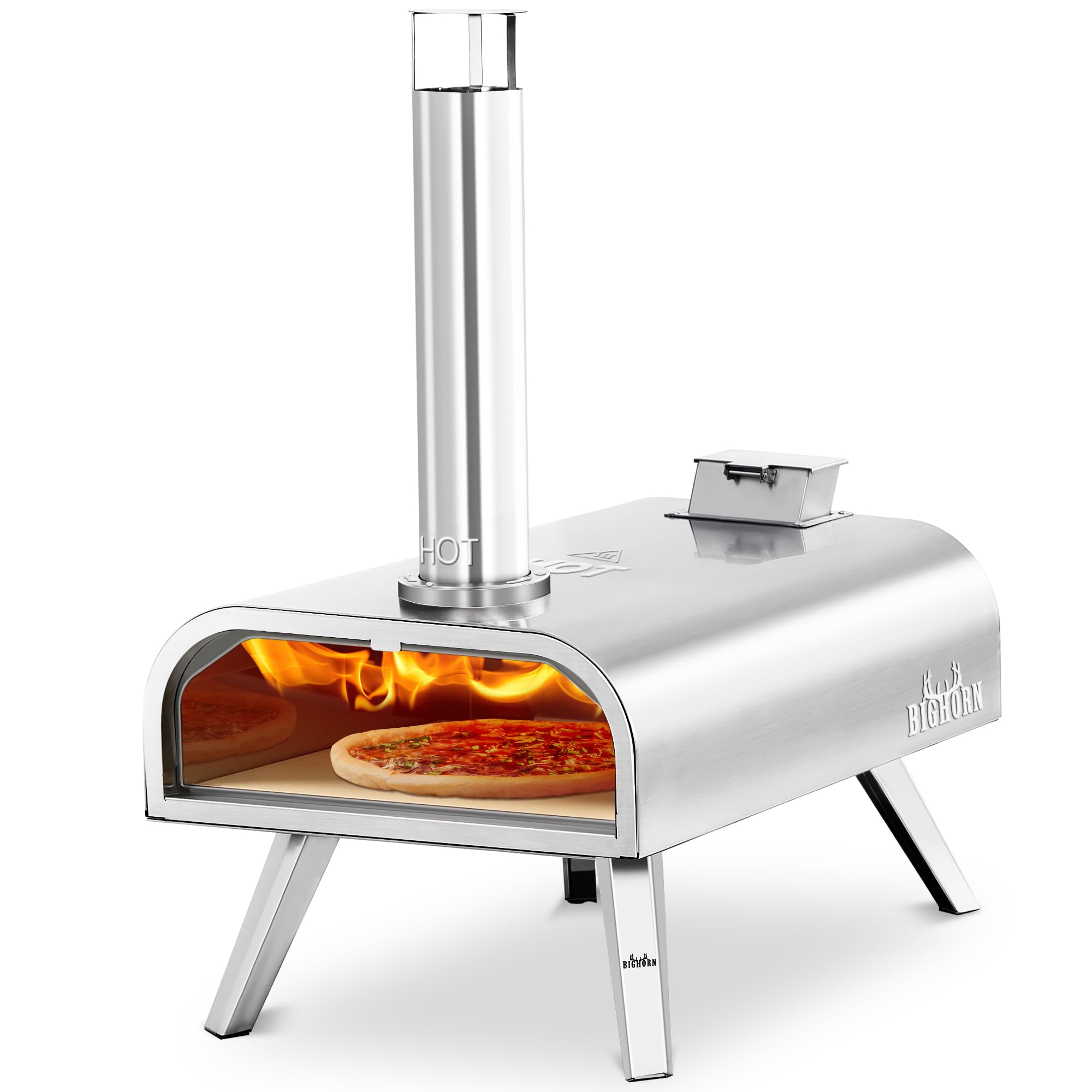
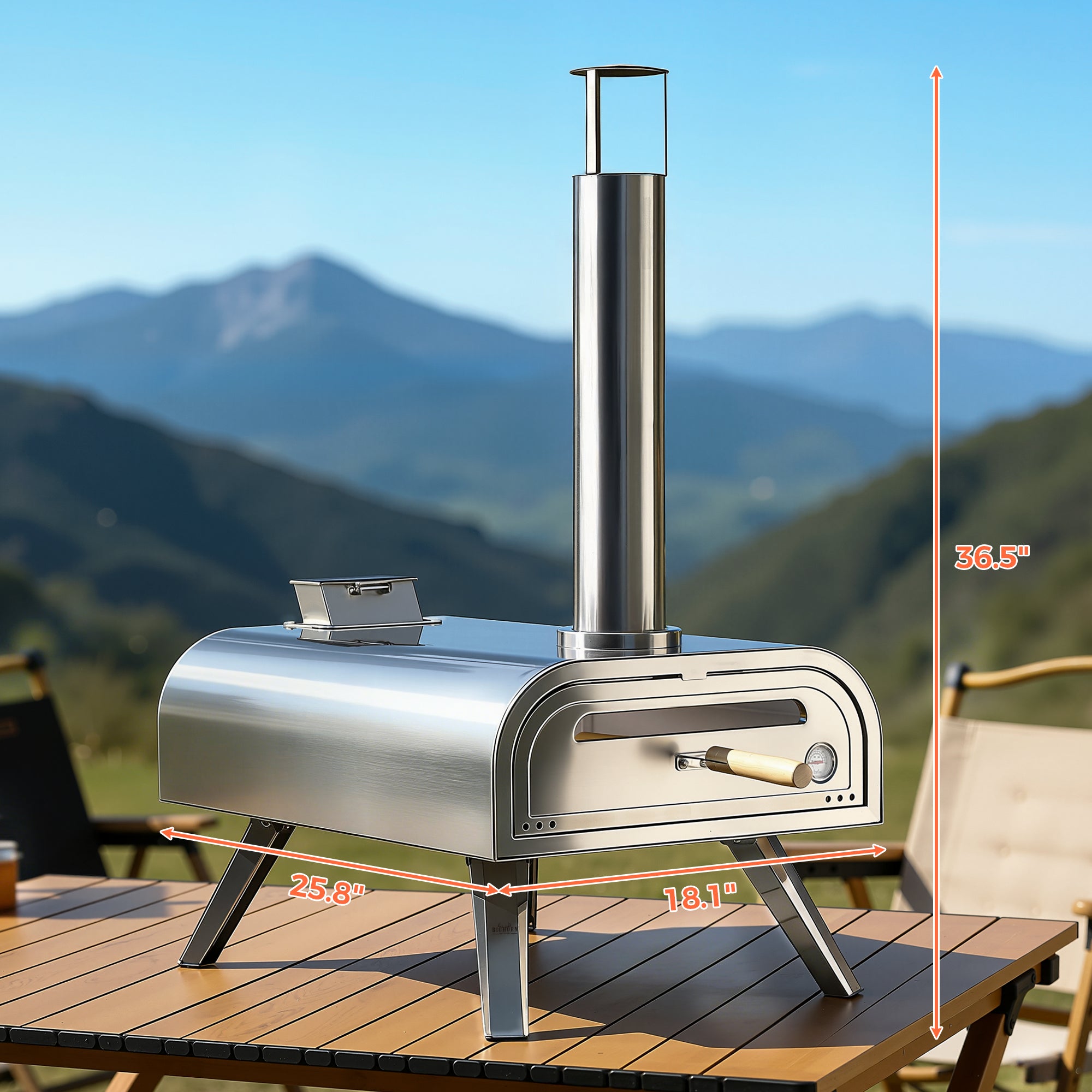
After the batch is weighed and divided, bake on a preheated outdoor oven such as the current 16-inch wood-pellet pizza oven listing, and keep the percentage sheet for the next guest count.
FAQ
What is baker's percentage for pizza dough?
Baker's percentage sets the total flour weight at 100 percent and expresses every other ingredient as a percentage of that flour weight. Water at 62 percent means 62 grams of water for every 100 grams of flour, no matter how many balls you mix.
How do I scale a pizza dough recipe for 8 balls?
Choose a ball weight, multiply by eight to get the total dough weight, then divide that total by the sum of the percentages (as a decimal) to find the flour weight. Each other ingredient is flour times its percentage. A scale makes the math usable.
Does oil count toward hydration in baker's math?
Usually no. In standard baker's percentage, hydration is the water (or other water-heavy liquid) divided by the flour. Oil changes how the dough feels, but it is not treated as hydration in the usual method.
Why not scale pizza dough with measuring cups?
Cups measure volume, and flour volume changes with how the cup is filled. Baker's percentages only work reliably when every ingredient is weighed. Cups fight the method because they hide those weight differences.
More to Read
Leftover Holiday Turkey on the Grill or in the Pizza Oven: Sandwiches, Tostadas and a White Pie
Give leftover turkey a second heat, not another roast: grill sandwiches or tostadas, or bake a white pie, after a safe leftover inventory the night...
Parrilla Taco Night: Carne, Salsas and Grate Space for a Crowd
Run taco night on a parrilla as a grate-space plan: carne, a second protein, a salsa station, and tortillas held soft, without one crowded fire.
Bone-In Lamb Leg or Shoulder on a Santa Maria or Gas Grill
Grill a bone-in lamb leg or shoulder as a roast: Santa Maria height or a gas two-zone fire, a USDA safety floor, and a probe that does not touch bone.
