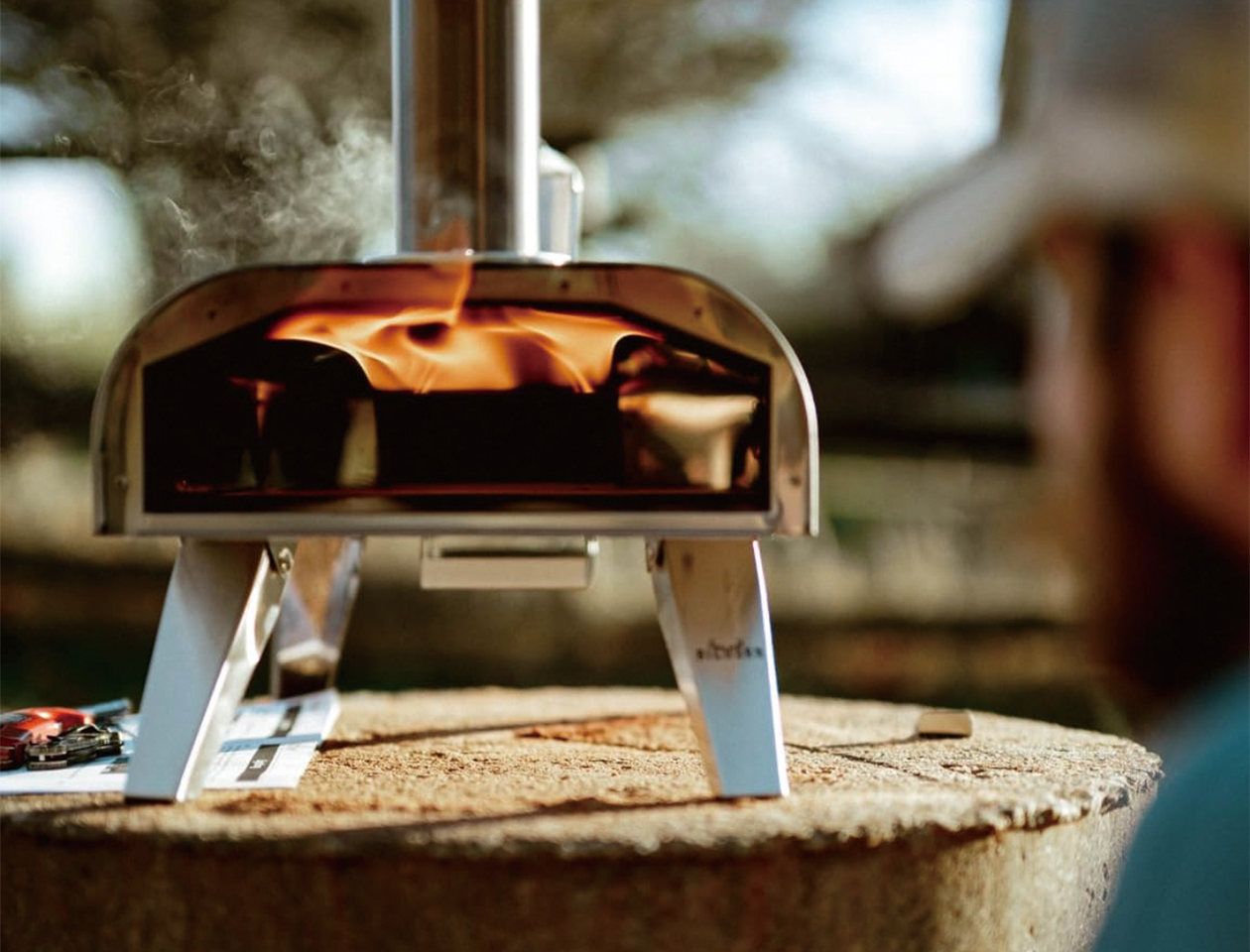
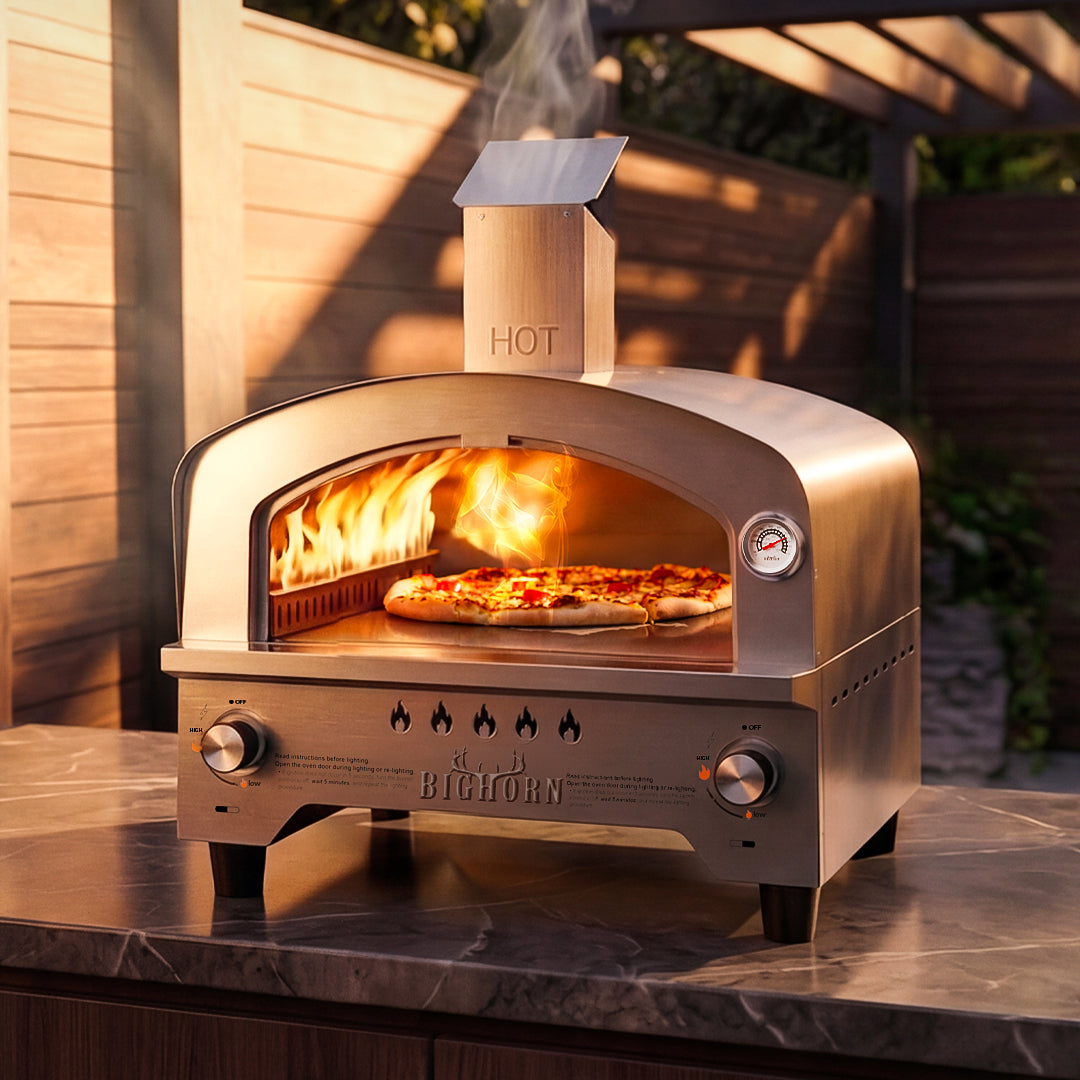
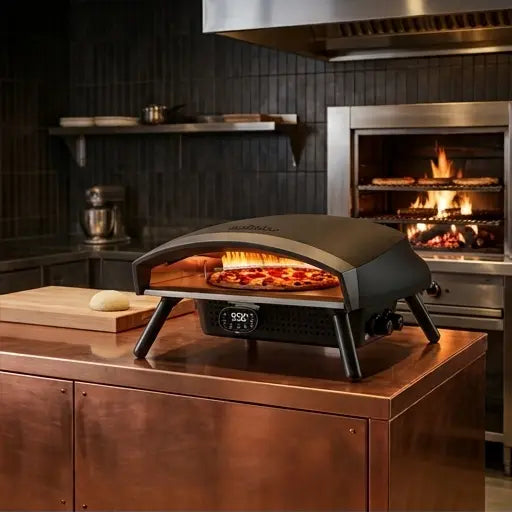
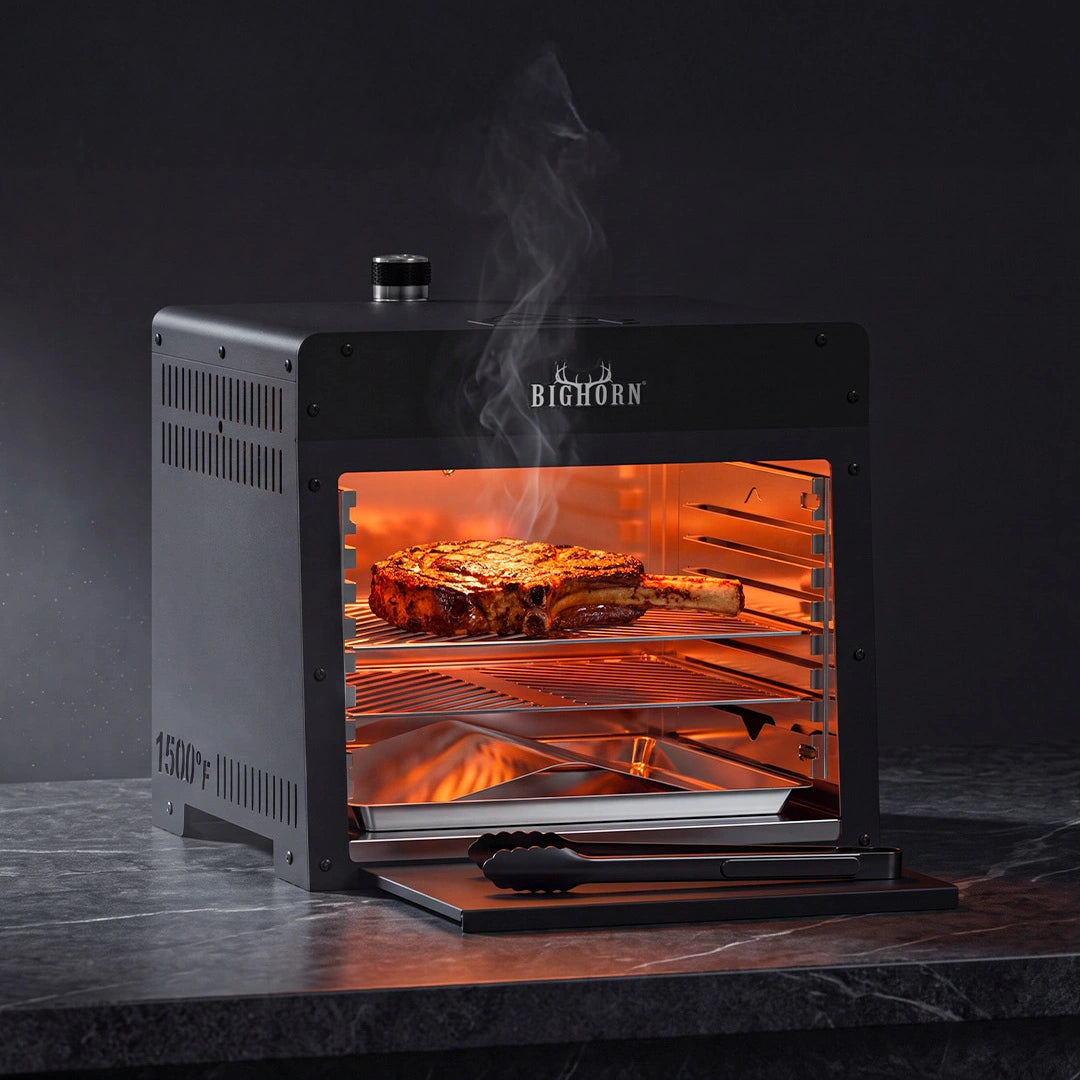
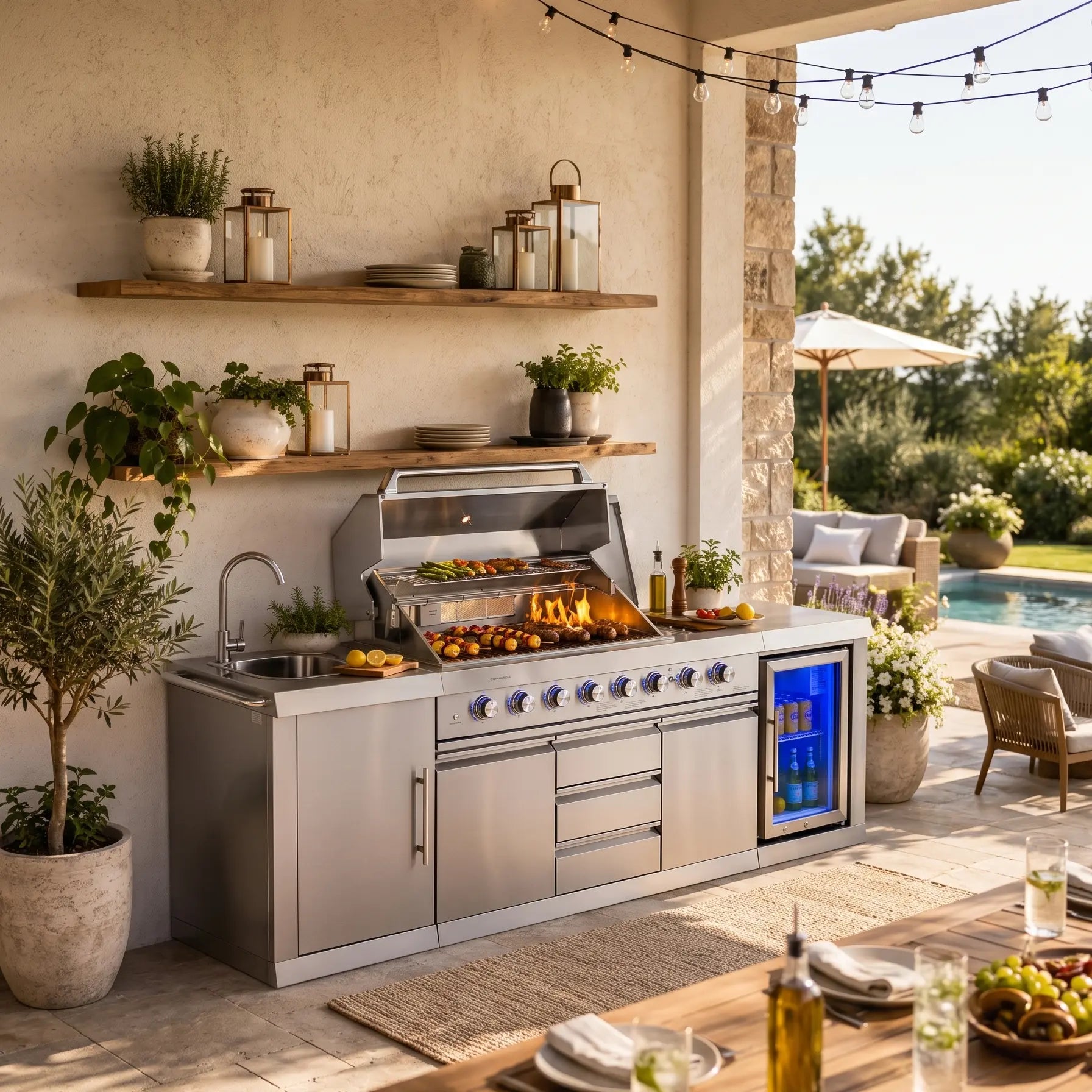
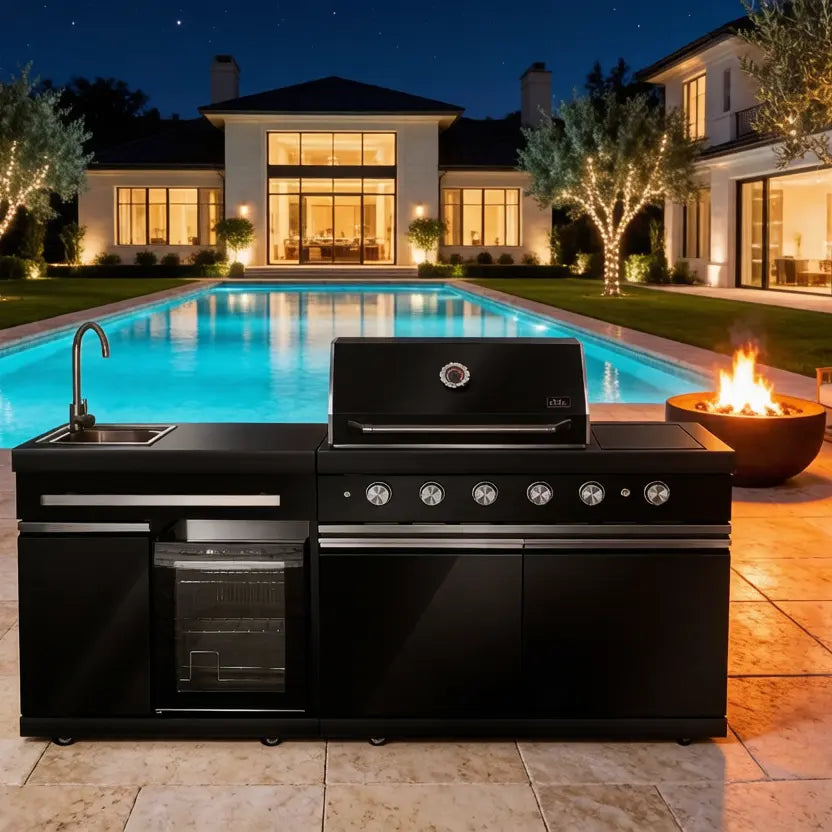
Big Horn Outdoors offers several outdoor-cooking routes, but the right choice depends on where you cook, which approved fuel you can safely use, how much control you want, and how often the equipment needs to travel. This guide helps backyard cooks, pizza enthusiasts, campers, and grill users compare Big Horn Outdoors categories without treating pellet, propane, butane, charcoal, and electric equipment as interchangeable.
A pizza oven, infrared grill, camping stove, or larger outdoor-kitchen component can each serve a different cooking need. Start with the cooking location and approved fuel source, then confirm the exact model’s cooking area, included components, manual, maintenance requirements, and compatible accessories before ordering.
What Is Big Horn Outdoor Cooking?
Big Horn outdoor cooking refers to a range of cooking equipment and accessories from Big Horn Outdoors, including pizza ovens, multi-fuel pizza ovens, grills and griddles, camping stoves, accessories, and Big Horn Prime® outdoor kitchen solutions. The suitable category depends on the cooking experience you want—not simply the highest heat or largest product size.
Key factors to compare include:
-
Cooking location: Outdoor gas, pellet, wood, and charcoal equipment require open-air use; an electric mode or appliance should be used indoors only when that specific model and manual explicitly permit it.
-
Fuel workflow: Propane, butane, wood pellets, charcoal, and electricity require different storage, ignition, cleanup, and safety routines.
-
Cooking surface: A product’s overall exterior size is not the same as its usable pizza, grate, rack, or cooktop capacity.
-
Portability and storage: Consider whether the unit stays on a patio, travels in a vehicle, or needs weather protection between uses.
Why This Choice Is Harder Than It Looks
Fuel affects more than flavor. Wood pellets can add a live-fire cooking workflow and ash management, while propane provides a gas-fueled option when the specific model is designed for it. Butane camping stoves use a different fuel-canister system than propane appliances; do not assume tanks, regulators, hoses, or connectors can be exchanged.
“Multi-fuel” is model-specific. A multi-fuel pizza oven may support more than one approved heating method, but that does not mean every Big Horn Outdoors oven accepts every fuel. It also does not mean fuels should be burned together or that a compatible burner, electric element, or other component is automatically included.
The cooking space matters. A portable pizza oven may fit physically on an outdoor table, but the surface, clearances, ventilation, wind conditions, traffic flow, and nearby combustible materials still need consideration. Larger Big Horn Prime® outdoor-kitchen and fire-feature purchases also require a realistic review of delivery access, ground support, utilities, local rules, and placement before purchase.
Heat control changes the learning curve. Pellet and wood cooking require fire management. Gas cooking uses a different control approach. Electric cooking may provide a separate operating mode only when a particular model specifically supports it. Each route requires time to learn preheating, food positioning, rotation, and heat recovery between batches.
Choose the cooking system that fits your actual space and routine: a fuel source you can safely manage, a cooking surface you will use, and a cleanup process you can maintain.
Compare the Main Options
Gas and charcoal cooking equipment should be used outdoors in a well-ventilated area. Before using a propane appliance, inspect the hose and connection system, keep hoses away from hot surfaces and grease, and use the approved fuel setup for the particular model. Charcoal must never be burned in a home, vehicle, tent, camper, garage, or enclosed space because it can produce dangerous carbon monoxide.
Why Big Horn Outdoors May Fit This Use Case
Big Horn Outdoors can help shoppers compare several outdoor-cooking categories within one official product ecosystem rather than treating every meal as a pizza-only or grill-only task. The catalog includes pizza ovens, multi-fuel pizza ovens, grills and griddles, camping stoves, accessories, recipes, and Big Horn Prime® outdoor cooking products.
For pizza-focused cooks, the official collection includes outdoor and indoor pizza-oven options. Indoor eligibility depends on the specific product and operating mode, not on a broad category label. Review the individual product page and manual before deciding where to operate an electric, gas, pellet, or wood-fired unit.
For steak and grill users, Big Horn Outdoors offers grill-focused categories that may fit different cooking workflows. An infrared steak grill is not the same as a conventional charcoal grill, flat-top griddle, pellet oven, or camping stove; choose a model based on its stated fuel type, cooking format, and intended use.
For campers and tailgaters, a camping stove may offer a more compact cooking route than a backyard pizza oven or outdoor kitchen. Confirm the listed fuel type and use only the manufacturer-approved canister, regulator, hose, and connector arrangement for the exact stove.
Related Products and Resources
-
Pizza Ovens — Browse the current pizza-oven collection and compare individual product pages for approved fuel type, cooking location, dimensions, included components, and manual guidance.
-
Multi-Fuel Pizza Ovens — Use this collection when you want to evaluate models that support more than one stated cooking mode. Confirm the approved fuel options and whether the needed heating component is included or sold separately.
-
Grills and Griddles — Explore grill-focused outdoor cooking equipment when steak, burgers, seafood, vegetables, or other grill meals are the primary use case.
-
Camping Stoves — Review portable cooking options for camping and travel, then verify each stove’s approved fuel format and use instructions before departure.
How to Choose and Use It Safely
-
Confirm the cooking location first. Measure the intended outdoor cooking zone and review local restrictions, combustible surfaces, overhead structures, wind exposure, and clearance requirements in the product manual. Never move outdoor solid-fuel or gas cooking equipment into a garage, tent, camper, enclosed balcony, or other enclosed space.
-
Match the model to one approved fuel system. Use only the fuel identified for the exact appliance. Do not convert a propane product to natural gas, substitute butane for propane, alter orifices, bypass a regulator, connect unapproved hoses, or combine unapproved components.
-
Check cooking capacity and package contents. Review the exact product page and manual for usable pizza size, grate position, cooktop space, stone, rack, door, burner, peel, cover, and other items. “Compatible with” does not mean “included.”
-
Inspect before ignition. For a propane appliance, inspect hoses and connections for cracks, brittleness, holes, or other damage. Follow the manual’s leak-check procedure before lighting. If you smell gas or suspect a leak, shut off the fuel supply, keep away from ignition sources, and do not attempt repeated ignition.
-
Preheat and cook according to the manual. Follow the manufacturer’s setup and preheat instructions for the particular model. Use appropriate tools to turn pizzas or reposition food, and keep hands away from hot stones, racks, doors, chimneys, grease areas, and exterior surfaces.
-
Use a food thermometer for meat. Visual browning, grill marks, and recipe timing do not establish safe doneness. Follow current USDA guidance for the type of food being cooked and use a reliable thermometer to check internal temperature.
-
Cool, clean, and store deliberately. Shut down the appliance according to its manual and allow all surfaces, ash, grease, and accessories to cool fully before cleaning, moving, covering, or storing. Keep pizza stones away from sudden temperature changes and follow product instructions rather than treating them like standard metal cookware.
Use Cases
Scenario: Weekly backyard pizza night
What matters: Available outdoor space, desired pizza size, fuel preference, and comfort with managing a live flame or pellet fire.
Suitable Big Horn Outdoors route: Start with Pizza Ovens, then compare the exact outdoor fuel options and available accessories.
Check before use: Confirm the model’s outdoor-use requirements, package contents, stone instructions, and a stable, heat-safe cooking surface.
Scenario: A cook wants pellet cooking plus another approved operating mode
What matters: Whether fuel flexibility is needed often enough to justify a multi-fuel configuration and whether the required component is included.
Suitable Big Horn Outdoors route: Review Multi-Fuel Pizza Ovens.
Check before use: Verify the exact model’s approved fuel modes, whether a burner or electric component is included, and which mode is permitted at the intended location.
Scenario: Steak, burgers, seafood, and vegetables are the priority
What matters: Grill format, rack or cooking-surface workflow, batch size, cleanup, and safe food temperatures.
Suitable Big Horn Outdoors route: Explore Grills and Griddles.
Check before use: Review the specific grill’s fuel requirement, ignition procedure, grease-management instructions, and cleaning method.
Scenario: Campground, RV, tailgate, or picnic meals
What matters: Equipment size, carrying practicality, fuel availability, stable placement, wind, and campsite rules.
Suitable Big Horn Outdoors route: Compare Camping Stoves for portable outdoor cooking needs.
Check before use: Confirm the approved canister type, local fire restrictions, ventilation, and that the cooking location is outdoors and stable.
Scenario: Planning a larger patio cooking zone
What matters: Layout, transport access, support surface, ventilation, utilities, fire separation, and local regulations.
Suitable Big Horn Outdoors route: Explore Big Horn Prime and use the official support route for product-specific questions.
Check before use: Do not assume that installation, gas connection, electrical work, foundation preparation, or permitting is included.
FAQ
Can I use a Big Horn outdoor pizza oven indoors?
Only if the exact product and operating mode are explicitly approved for indoor use in its official product information and manual. Outdoor pellet, wood, propane, gas, and charcoal cooking equipment should remain in open, well-ventilated outdoor areas.
Is a multi-fuel pizza oven safe to use with any fuel I have available?
No. Multi-fuel capability is specific to each product model. Use only the stated fuel modes and approved components, and do not assume propane, butane, natural gas, pellets, wood, charcoal, and electric heating are interchangeable.
Does a 12-inch or 16-inch product label describe the outside dimensions?
Not necessarily. A size label may relate to the cooking area or maximum pizza size, while the exterior footprint can be larger. Check both the stated cooking capacity and overall dimensions for the exact product.
Are pizza stones, peels, burners, covers, and carts always included?
No. Included items vary by product. Review the package list and product page carefully; compatible accessories may be sold separately.
How should I clean a pizza stone?
Allow it to cool completely, remove loose residue as directed, and follow the product manual. Avoid soaking it, using a dishwasher, or exposing it to sudden temperature changes unless the manufacturer specifically permits that care method.
What should I do if I smell gas or ignition fails?
Turn off the fuel supply, avoid flames and sparks, keep clear of the area, and follow the appliance manual. Do not keep attempting ignition, and do not use the appliance until a suspected leak or damaged component has been addressed.
How do I know when grilled meat is safe to eat?
Use a reliable food thermometer and follow current USDA safe-minimum-temperature guidance. Cooking time, color, and surface searing are useful cooking cues, but they are not substitutes for checking internal temperature.
Where can I confirm returns, warranty coverage, or product support?
Review the current policy and product-specific information before purchase, especially because terms can depend on the purchase channel and product. For assistance, use the official contact route rather than relying on third-party listings.
Conclusion
The suitable Big Horn Outdoors setup starts with a clear use case: backyard pizza, grill-centered meals, portable campsite cooking, or a larger outdoor-kitchen plan. Choose the specific model only after confirming its approved fuel, cooking location, capacity, included components, manual instructions, and maintenance routine.
Browse the current collection, confirm model compatibility before adding accessories or fuel components, review the manual before first use, and contact Big Horn Outdoors for product-specific support.