







Oven & Grill Ownership
Carbon monoxide from outdoor cooking is a ventilation problem, not a brand-name problem. Fuel-burning grills, ovens, and camp stoves belong fully outdoors, never in a garage or tent. Official agencies describe the hazard and the warning signs. This guide widens the space-by-space check beyond a camp-stove-only page.
Partially enclosed CO risk
A patio can look "almost outdoors" and still trap exhaust. Walls on three sides, a low roof, a courtyard well, a pop-up tent, and a garage with the door cracked all change how combustion gases move. Carbon monoxide is colorless and you cannot rely on a smell to warn you.
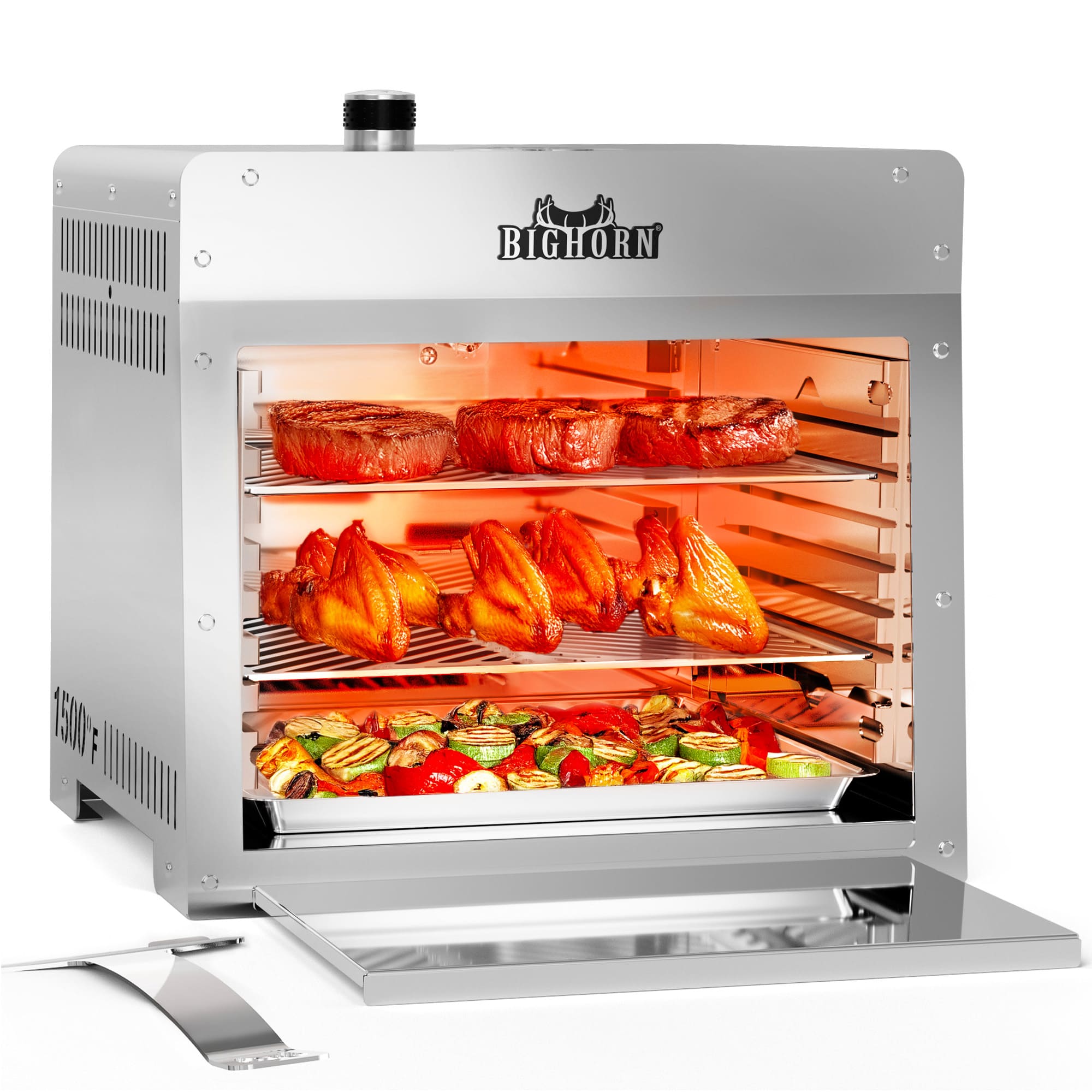
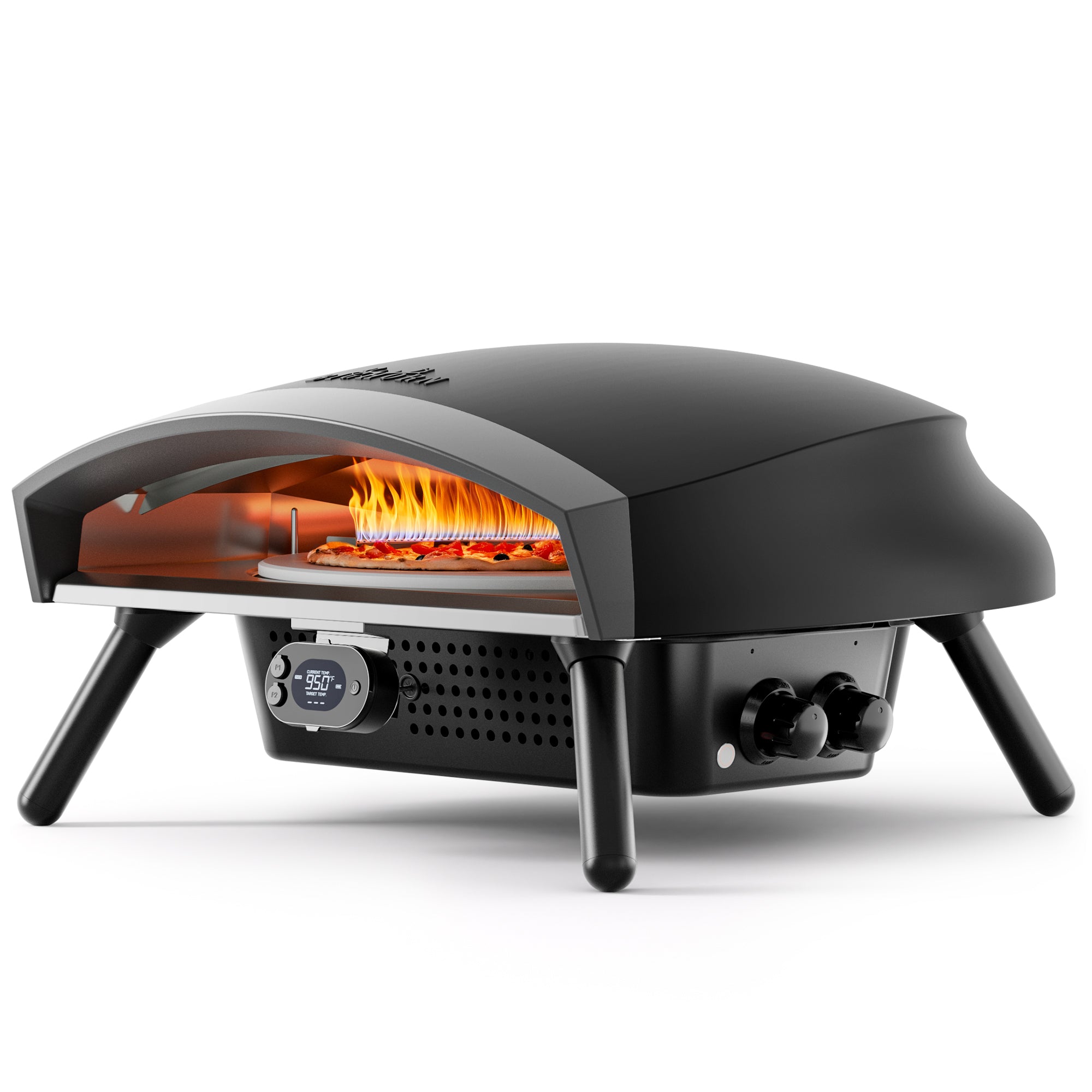
The camp-focused page on camping stove safety and carbon monoxide covers tents, vestibules, and stove use in the field. This article applies the same official hazard to backyard grills, infrared units, gas pizza ovens, and any fuel-burning appliance near a house. Browse the gas pizza oven collection, the infrared grill collection, or the camping stove collection only after the placement rule is clear: fully outdoors.
EPA carbon monoxide information and CDC carbon monoxide information explain why fuel-burning appliances and enclosed air are a bad mix. CPSC carbon monoxide information collects consumer-product guidance on the same hazard. Use those official pages, not a social workaround, when someone suggests "just for a minute."
Detector placement basics
A carbon monoxide alarm is a home-safety tool, not a license to grill in a garage. Follow the alarm manufacturer's instructions and local building or fire-department guidance for placement and replacement dates. This article will not invent a mounting height, a room-by-room code, or a substitute for an official placement diagram.
If you cook on a patio that shares a wall with bedrooms, make sure the home's detectors are installed and tested as those official sources describe. An alarm event means you leave the space and get fresh air; it is not a cue to keep cooking with a door open.
Ready.gov emergency kit guidance is a practical official preparedness overview, and CDC guidance on carbon monoxide symptoms during outages lists common carbon monoxide symptoms in plain language. Pair those with the cooking-specific habit: the grill stays outside too.
A never-do list
Do not grill, run a gas or pellet pizza oven, or light a camp stove in a garage, even with the door up. Do not use charcoal indoors, including in a fireplace that was not designed and approved for that use as an indoor appliance. Do not heat a tent, a camper, or a closed porch with a barbecue or a camping burner.
Do not warm yourself over a lit grill in a doorway. Do not ignore warning signs described by official sources. CDC guidance on carbon monoxide symptoms during outages lists symptoms associated with carbon monoxide exposure, including headache, dizziness, weakness, and nausea; use that official wording, and get fresh air and emergency help rather than diagnosing yourself from a blog.
U.S. Fire Administration cooking-fire prevention and NFPA grilling guidance remain the cooking-fire references for an attended appliance, a clear area, and a unit that is fully cooled before it comes anywhere near storage.
Ventilation heuristics
"More breeze" is not a measured ventilation design. If you can see walls and a roof surrounding the appliance, treat the space as risky and move the cook to open air. A fan in a garage does not turn the garage into an outdoor kitchen.
Wind can also push exhaust back at a doorway or under a lid. Place the appliance so prevailing wind carries exhaust away from windows, intakes, and seating, following the appliance manual for clearances. If you cannot place it in open air, do not cook with that fuel there.
The table below is a space check, not a building-code chart.
| Space | Fuel-burning cooking |
|---|---|
| Open patio or yard, well away from openings | The intended place, with clearance and attention, if local rules also allow it |
| Covered patio with open sides | Risk rises as walls and a low roof close in; if exhaust cannot freely leave, move the appliance |
| Garage, tent, camper, or enclosed porch | No. An open door or window is not an exception |
| Indoor kitchen | Only an appliance designed and listed for indoor use, such as an intended electric unit, following its manual |
The fully-outdoors rule
Gas, charcoal, pellet, butane, and similar combustion fuels belong in open air. That includes a quick preheat and a "I will just melt the snow off the grate" start. Bring food inside; leave the fire outside.
The page on whether you can use an infrared grill indoors or on a balcony is the product-specific placement companion. Use it for infrared questions, and use this page for the wider CO pattern across ovens, grills, and camp stoves.
A space-by-space check
Walk the route from the door to the cook. If you would be standing under a roof with walls around you, move. Test household CO alarms on the schedule their maker recommends. Keep a fire extinguisher accessible as Ready.gov home fire guidance describes for home fires in general, and never treat an alarm as background noise.
If anyone feels the official warning symptoms, get to fresh air and seek emergency help. Then find the source later, with the appliance off and the space ventilated, rather than standing over a still-lit grill.
Key takeaways
- Fuel-burning grills, ovens, and camp stoves belong fully outdoors, never in a garage or tent, even with a door open.
- Partially enclosed patios can still trap carbon monoxide; move the appliance into open air.
- Follow official detector placement and official warning signs; this article will not invent a mounting code or a symptom list of its own.
- Propane can produce carbon monoxide when combustion is incomplete. Charcoal indoors is a never.
For the camp-stove-specific version of this habit, keep camping stove safety and carbon monoxide nearby, and use can you use an infrared grill indoors or on a balcony when the appliance in question is an infrared unit.
FAQ
Does burning propane put out carbon monoxide?
Yes, propane can produce carbon monoxide, especially when combustion is incomplete or the space is enclosed. That is why fuel-burning cooking stays fully outdoors. Official EPA, CDC, and CPSC pages explain the hazard in more detail.
Can you use charcoal indoors?
No. Do not use charcoal indoors, including in a garage or in a fireplace that is not an approved indoor appliance for that fuel. Charcoal is a never-indoors case.
What are two warning signs of a carbon monoxide leak?
Use official wording, not a blog's invented list. CDC materials describe symptoms associated with carbon monoxide exposure that include headache, dizziness, weakness, and nausea. Get to fresh air and seek emergency help.
What appliances produce CO?
Fuel-burning appliances can, including grills, camp stoves, gas or pellet ovens, generators, and other combustion tools named by official sources. An intended electric indoor appliance is a different category; follow its manual and still use household CO alarms as local guidance directs.
More to Read
Leftover Holiday Turkey on the Grill or in the Pizza Oven: Sandwiches, Tostadas and a White Pie
Give leftover turkey a second heat, not another roast: grill sandwiches or tostadas, or bake a white pie, after a safe leftover inventory the night...
Parrilla Taco Night: Carne, Salsas and Grate Space for a Crowd
Run taco night on a parrilla as a grate-space plan: carne, a second protein, a salsa station, and tortillas held soft, without one crowded fire.
Bone-In Lamb Leg or Shoulder on a Santa Maria or Gas Grill
Grill a bone-in lamb leg or shoulder as a roast: Santa Maria height or a gas two-zone fire, a USDA safety floor, and a probe that does not touch bone.
