







Accessories
Most grill mishaps start with a skipped two-minute check. A printable mindset for grill safety rules for beginners covers siting, pre-cook checks, food temperatures, flare-ups, shutdown, and crowd control—across gas, charcoal, and infrared.
Tape the checklist inside a cabinet. Teach it to anyone who borrows the patio.
Siting and clearance basics
Park the grill outdoors on a stable, non-flammable surface away from siding, rails, and low branches. Follow your manual’s clearance distances rather than inventing inches.
Do not grill in a garage, tent, or enclosed porch. Carbon monoxide and fire risk climb when combustion has nowhere to go (NFPA CO guidance).
Keep a three-foot kid-and-pet buffer painted in your mind even if you never tape the patio. NFPA grilling safety is the seasonal reread worth bookmarking.

Pre-cook checklist (gas, charcoal, infrared)
Gas: inspect hose, leak-test after reconnects, confirm tank upright, clear spider nests from burners per manual, note wind. Charcoal: use proper starters—not gasoline—and wait for ashed coals. Infrared: confirm drip trays and manufacturer preheat guidance.
Shared items: grease tray status, tool set, thermometer, extinguisher, gloves, clear deck. If anything smells like gas, stop and test—do not light “just a little.”
Beginners using portable units from the grills and griddles aisle should practice lighting once in daylight before hosting at night.
Safe food temperatures at the grill
Color lies; thermometers tell. Use agency charts for poultry, ground meats, and steaks to your preferred doneness within safe rules.
Keep raw platters separate from cooked ones. Refrigerate leftovers within two hours. FoodSafety.gov temperature charts and USDA grilling food safety are the references to follow.
Wash hands after raw chicken even if you are “only grilling.” Cross-contamination makes people sick faster than under-seasoning.
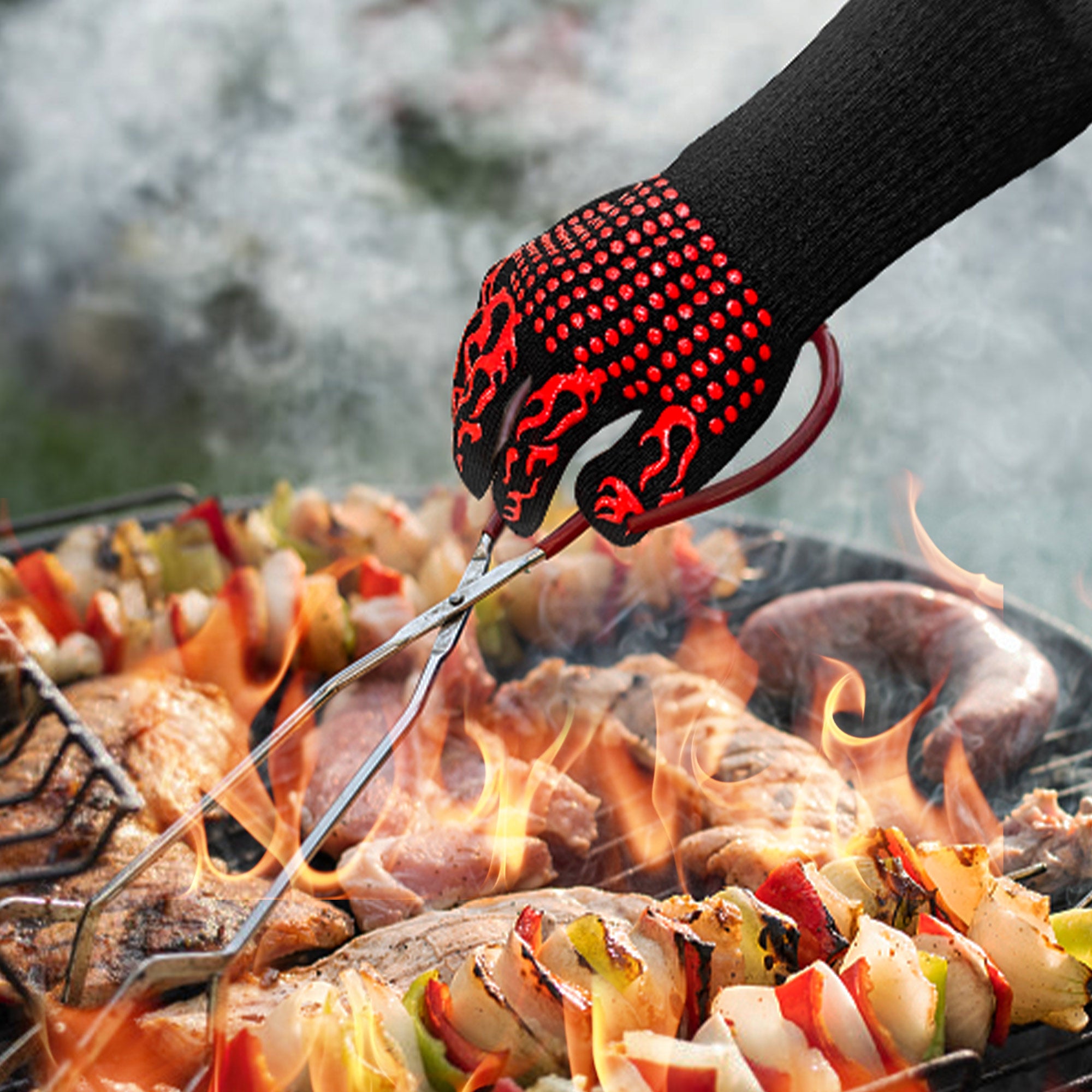
Handling flare-ups
Move food to a cooler zone, close the lid briefly if appropriate, and trim fat next time. Do not spray water on grease flames.
Know the difference between a brief flare and a grease fire that needs shutdown and extinguisher tactics covered in dedicated fire guidance.
Keep sauces sugary enough to burn off direct flame until the last minutes. Patience tastes better than charcoal briquettes glued to chicken skin.
Shutdown and cool-down
Gas: turn burners off, then tank valve, per your lighting sequence reversed. Charcoal: close vents and lid; dispose of cold ashes in metal only. Infrared: follow model cool-down before covering.
Never move a hot grill into a shed. Never cover a hot lid. Confirm ashes are cold the next morning before trash.
A responsible shutdown is part of cooking—not optional chores after guests leave.
Kids, pets and crowds
Assign a grill adult. Mark a no-go zone. Doors that slam into the grill cart need a rethink of layout.
Hand hot platters inward away from traffic lanes. Skewers point down. Explain that “helping” does not mean climbing the cart.
At parties, tipsy guests and open flame mix poorly—keep the operator sober enough to manage valves. Ready.gov fire mindset scales from house to patio.
Quick reference table
| Moment | Check |
|---|---|
| Setup | Outdoors, clearances, stable surface |
| Fuel | Leak test / safe charcoal start |
| Tools | Thermometer, extinguisher, gloves |
| Cook | Safe temps, flare control, attend the grill |
| Shutdown | Fuel off, cool fully, ashes cold |
Print it. Stick it. Actually glance at it.
What is the least toxic way to grill food?
Avoid charring and manage smoke exposure.
Trim excess fat to reduce flare-ups, do not eat blackened crust as a goal, keep a clean grate, and cook outdoors with airflow rather than in enclosed spaces.
Use a thermometer so you are not forced into extreme overcooking “just to be safe” on whole cuts where intermediate doneness is acceptable under agency guidance. Marinate and moderate direct high-heat time when appropriate for the cut. This is common-sense cooking hygiene—not a medical claim. For smoke and CO, prioritize outdoor siting and agency fire guidance over gadgets that promise miracle detox.
What are common grilling mistakes to avoid?
Skipping preheat, guessing doneness, and walking away.
Other classics: cooking in a garage, using water on grease flames, ignoring hose cracks, overcrowding the grate, and covering a still-hot grill.
Beginners also sauce too early, flip constantly, and put cooked burgers back on the raw tray. Slow down, use tools from the accessories kit, and treat the first month as practice with cheaper cuts before the holiday prime rib.
Your first week of practice cooks
Night one: light the grill, preheat, cook easy hot dogs or vegetables, practice shutdown. Night two: chicken pieces with a thermometer. Night three: burgers with separate raw/cooked trays.
Do not debut a holiday prime roast on night one. Skills stack faster on forgiving food.
Write what went wrong in a note on your phone. Beginner safety includes ego management—laugh, adjust, repeat.
Starter safety kit under one tote lid
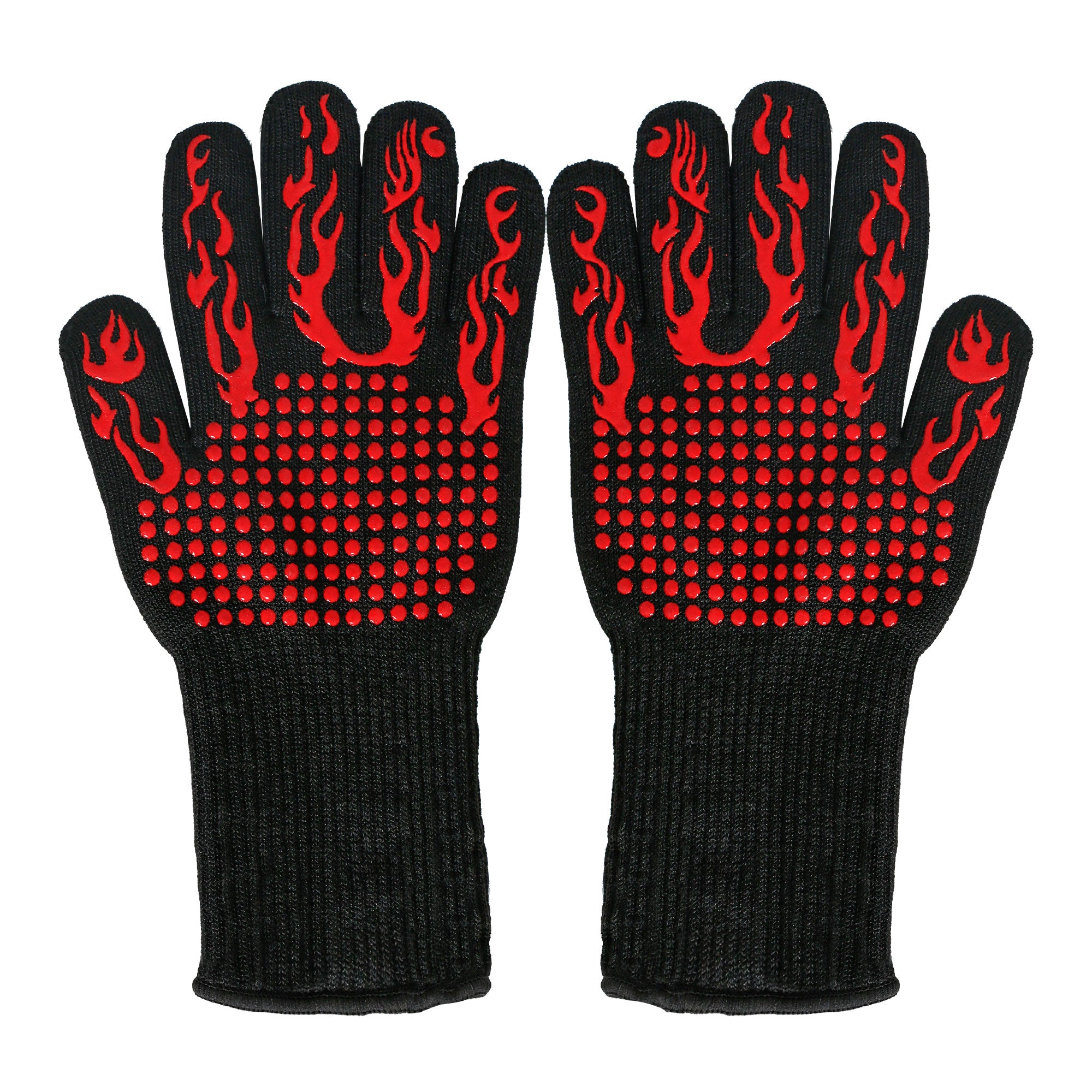
Pack: instant-read thermometer, extinguisher rated for grease/flammable liquids, heat-resistant gloves, long tongs, soapy-water bottle for leak checks, flashlight, and a printed checklist.
Label the tote “GRILL SAFETY” so it does not become the gardening bin. Replenish foil and batteries when you restock propane.
Teaching a teenager to grill? Make the tote their responsibility for a month so habits attach to ownership.
Conclusion
Beginner grill safety is a short checklist repeated until it is boring. Site outdoors, test fuel, cook to temperature, manage flares without water, shut down completely, and keep crowds back. Boring cookouts are the ones people remember for the food.
Build a safer starter kit with Big Horn Outdoors grills and heat-resistant BBQ gloves.
FAQ
What are the safety rules for grilling?
Grill outdoors with clearances, inspect fuel systems, keep an extinguisher nearby, never leave active flames unattended, cook to safe temperatures, and shut fuel down fully before walking away. Keep kids and pets outside a buffer zone. Read your manual for model-specific clearances.
Do you grill steaks on a gas grill with the lid open or closed?
Many cooks sear with the lid open for control, then close the lid to finish thicker steaks evenly. Thin steaks may stay lid-open the whole time. Follow your grill's heat behavior and use a thermometer rather than lid position alone.
What is the least toxic way to grill food?
Cook outdoors, avoid heavy charring, trim fat to limit flare-ups, and keep grates clean. Use a thermometer for doneness instead of incinerating food. This is practical cooking hygiene, not medical advice.
What are common grilling mistakes to avoid?
Grilling indoors, skipping leak checks, using water on grease fires, guessing poultry doneness, and covering a hot grill are high on the list. Overcrowding and walking away from active flames cause many party mishaps.
Explore more in the Grill Buying Guides.
More to Read
Fireproof Grill Mat Under Pizza Ovens and Infrared Grills
Place a fireproof grill mat to catch grease and sparks under ovens and grills. Confirm the live 48-by-30-inch claims, and use a cart when you need ...
No Oven Spring on a High-Heat Pie: Dough Temp, Launch and Floor
Diagnose no oven spring on a high-heat pizza by checking dough temperature, launch handling, and floor heat before you spend another mix changing t...
Heat-Resistant BBQ Gloves: Temperature Ratings and Wet-Grip Limits
Read a 1472°F glove rating as a short, dry, instant figure. Wet or oily conditions change grip, so let long peels reach into hot ovens and grills.
