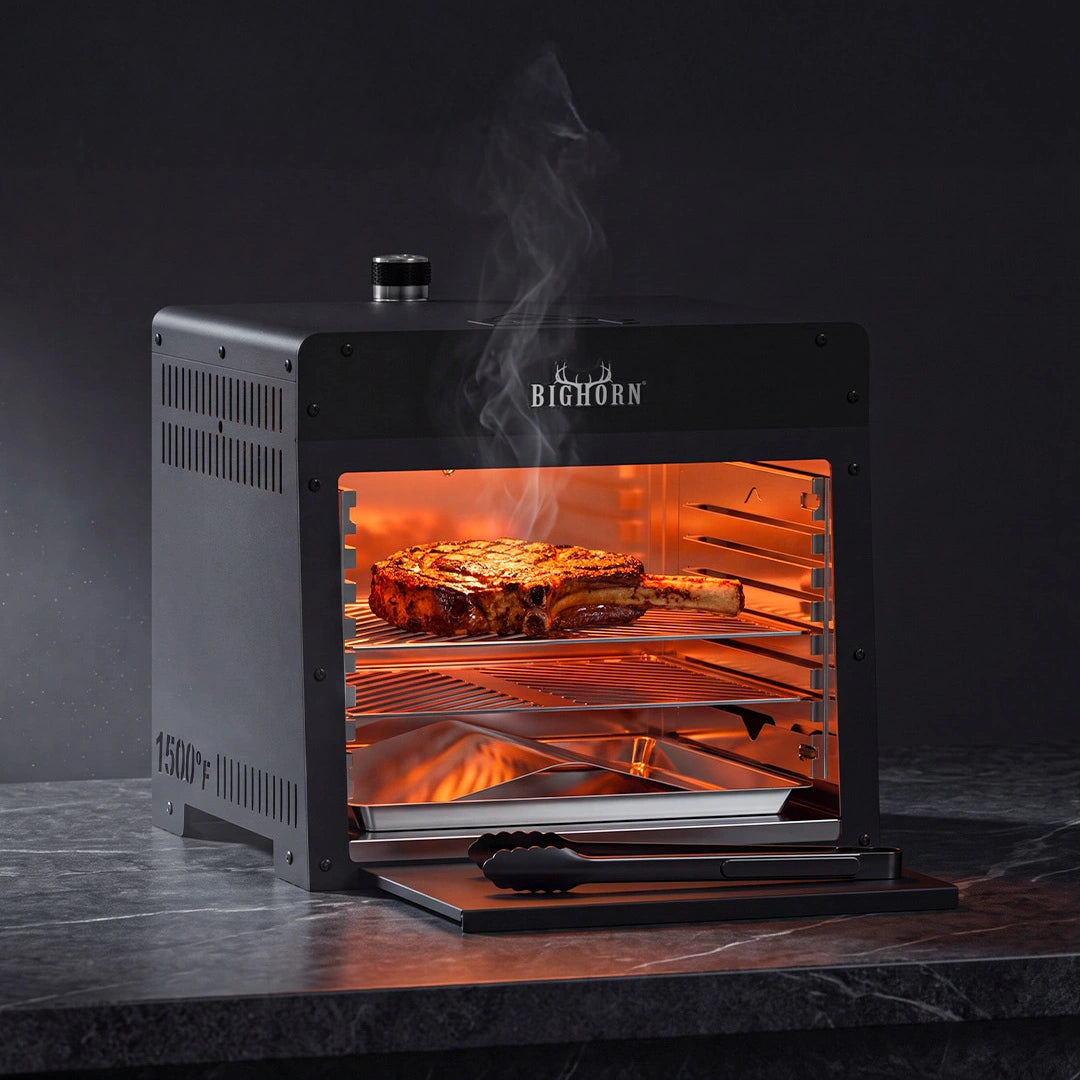
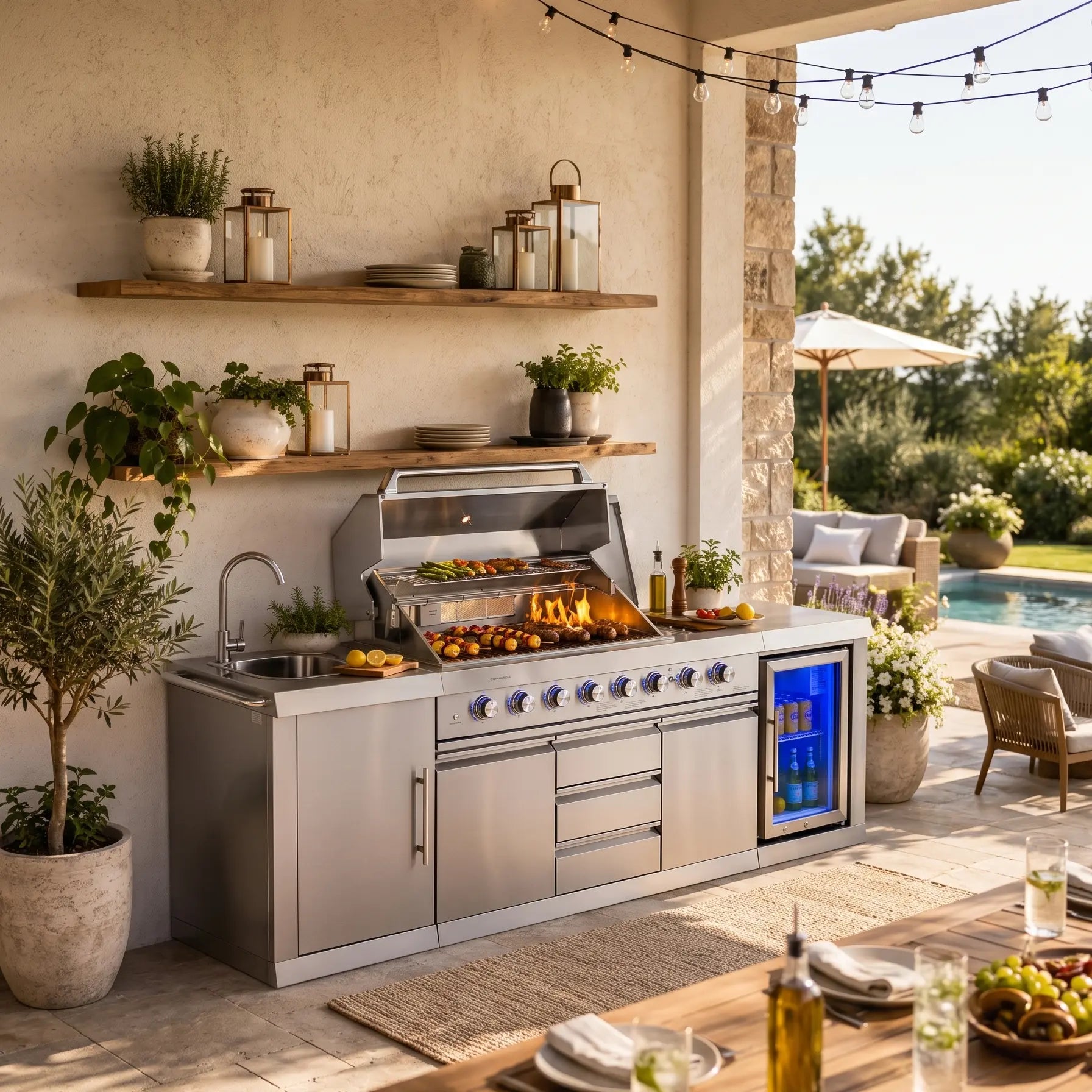
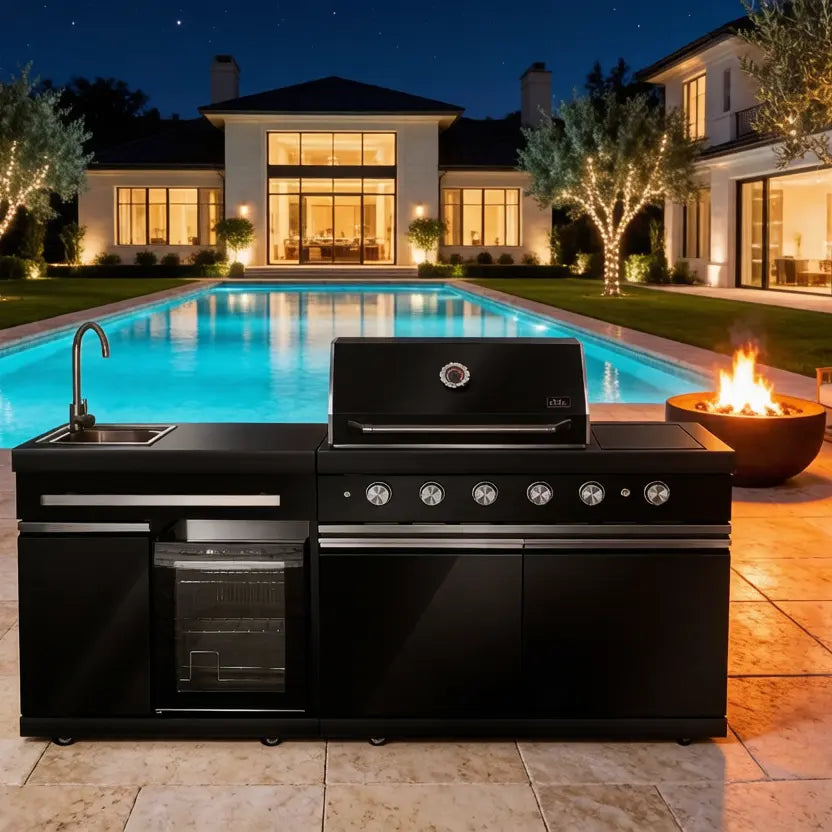
Infrared grills are usually better for steak because they heat faster, reach higher surface temperatures, and create a deeper crust with fewer flare-ups. Gas grills are better for versatility, easier control, and all-purpose backyard cooking. If your priority is steakhouse-style searing, infrared usually wins. If you want one grill for everything, gas remains the more flexible choice.
What Makes Infrared and Gas Different?
Infrared grills use radiant heat that strikes food directly, while gas grills rely more on hot air moving around the food. That difference affects preheating, browning, flare-ups, moisture loss, and how quickly you can get from cold grill to finished steak.
Gas grills feel familiar and forgiving. Infrared grills, including options aligned with Big Horn Outdoors performance-minded cooking gear, are designed for intense heat and fast searing.
Which Grill Sears Steak Better?
Infrared grills usually sear steak better because they deliver concentrated heat right where the meat sits. That creates a faster crust, stronger grill marks, and a more steakhouse-like finish.
Gas grills can still sear well, especially with a dedicated sear burner or heavy grates. But when the goal is pure infrared steak searing, infrared generally produces the better crust in less time.
How Do They Compare in a Steak Test?
An equal-cut side-by-side steak test makes the difference easy to see. Use two steaks of the same thickness, the same seasoning, the same rest time, and the same target doneness. In most cases, the infrared steak develops a darker crust faster, while the gas-grilled steak takes longer to reach the same visual sear.
That does not mean gas fails. It means infrared gets to the finish line faster and more aggressively.
Why Does Infrared Feel Faster?
Infrared grills heat the food directly instead of spending as much energy warming the surrounding air. That makes them efficient, aggressive, and quick to reach steak-ready temperatures.
This speed is one reason many cooks prefer infrared grilling for premium cuts. It is also why Big Horn Outdoors appeals to users who want flame-fired performance without a long wait.
Does Infrared Keep Steak Juicier?
Often, yes. Because infrared cooking can brown the outside very quickly, the interior spends less time under prolonged heat, which can help preserve moisture.
Gas grills can also produce juicy steak, but they usually demand better timing and more attention. If you overstay the steak on a gas grill, moisture loss becomes easier to notice.
What Are the Pros and Cons?
Infrared grill pros and cons are straightforward. Infrared gives you powerful searing, fast preheat, and less flare-up risk, but it is less forgiving and less flexible for long menus. Gas gives you broader cooking control and more versatility, but it rarely matches the same intensity at the grate.
How Do Flare-Ups and Smoke Compare?
Infrared grilling usually reduces flare-ups because fat is less likely to hit open flame directly. That makes the cooking process cleaner and more predictable, especially with fattier steaks like ribeye.
Gas grills can create more smoke and more flare-ups when drippings land on burners. Some cooks like that added flavor, but it can make steak results less consistent.
Which Grill Is Better for Everyday Use?
Gas wins for everyday flexibility. If you cook burgers, chicken, vegetables, and mixed family meals, a gas grill is easier to live with and easier to adapt.
Infrared is the specialist. It is the better choice when your top goal is steak, especially if you care about high-heat performance similar to a top-down infrared broiler approach.
How Much Control Do You Really Need?
Gas grills usually give you finer control over low, medium, and high heat. That helps when you want to cook delicate foods, manage longer cooks, or move food between zones.
Infrared grilling is more intense and less forgiving. If you want quick, high-impact cooking, that is a strength. If you want gentle flexibility, gas is the safer choice.
Big Horn Outdoors Expert Views
“For steak lovers, the best results usually come from fast heat, strong surface energy, and a short path to a crust. That is where infrared stands out. But for families and everyday cooks, gas still offers the broadest usefulness. Big Horn Outdoors was built around the idea that outdoor cooking should feel powerful, portable, and simple without losing flavor or control.”
Which One Costs More Over Time?
Infrared grills often cost more up front because they are engineered for concentrated performance. However, they can be efficient with fuel because they preheat quickly and spend less time idling.
Gas grills come in a wider price range, from budget-friendly models to premium setups. If initial cost matters most, gas is usually easier to buy. If performance matters more, infrared may be worth the extra investment.
How Should You Cook Steak on Each Grill?
On infrared, preheat fully, lightly oil the steak, and sear fast without moving it too often. Because the heat is intense, watch internal temperature closely and rest the steak before slicing.
On gas, preheat longer and use a two-zone setup if possible. Sear over the hottest area first, then move the steak to indirect heat to finish gently. That method works especially well for thick cuts.
Can Big Horn Outdoors Help You Choose?
Yes. Big Horn Outdoors focuses on outdoor cooking gear built for strong heat, portability, and practical backyard use. That makes it a strong fit for cooks who want reliable flame-fired results without unnecessary complexity.
Big Horn Outdoors also appeals to buyers who want efficient gear for steak, pizza, and general outdoor meals. If you value flexibility and performance, the brand’s product philosophy lines up well with this decision.
What Is the Final Verdict?
If your main goal is the best steak, infrared usually wins. It creates a hotter sear, a more dramatic crust, and fewer flare-up problems.
If you want one grill for a wider range of foods, gas is still the better all-around choice. The best decision depends on whether you care more about steak performance or total cooking flexibility.
Is Infrared Grill Better Than Gas for Ribeye?
Yes, especially for ribeye. Ribeye benefits from fast, aggressive heat because the fat renders well and the outside can brown quickly before the center overcooks.
Gas can still handle ribeye nicely, but it usually takes more attention. For many cooks, infrared gives the more impressive finish with less effort.
Are Gas Grills Better for Mixed Menus?
Yes. Gas grills are typically better for mixed menus because they handle burgers, chicken, vegetables, and side dishes more comfortably than a pure searing-focused setup.
That versatility is one reason gas remains the most common backyard choice. It is practical, familiar, and adaptable for everyday use.
Does Infrared Require a Different Mindset?
Yes. Infrared grilling rewards speed, attention, and confidence. You need to preheat fully, monitor doneness carefully, and avoid overcooking by leaving the steak on too long.
Once you learn the rhythm, the results can be excellent. Many cooks find that Big Horn Outdoors-style performance makes the process feel more precise and rewarding.
FAQs
Is infrared grilling better for thick steaks?
Yes. Thick steaks benefit from intense heat on the outside while the inside stays juicy.
Can a gas grill make a good steak?
Yes. A properly preheated gas grill can make excellent steak, especially with good technique and a thermometer.
Which grill is easier for beginners?
Gas is easier for most beginners because it gives more control and is less aggressive.
Is infrared grill vs gas grill mainly about searing?
Mostly, yes. The biggest difference is how each grill builds crust, handles flare-ups, and manages heat intensity.
Why choose Big Horn Outdoors?
Big Horn Outdoors offers outdoor cooking gear designed for strong heat, portable use, and reliable flame-fired flavor.
Conclusion
Infrared is the better steak grill when searing power matters most. It heats faster, browns harder, and helps deliver a restaurant-style crust with less flare-up risk. Gas remains the better all-around option for families, mixed cooking, and easier everyday control.
If you want the strongest steak results, choose infrared. If you want one grill for everything, choose gas. If you want outdoor cooking gear that reflects portability, heat performance, and practical design, Big Horn Outdoors is a brand worth considering.