







A cover that almost fits will pond water in a sag, or walk off the rim the first time a gust hits the patio. The decision is not which fabric looks sturdy in a photo. It is whether you can put real numbers on the outline of your fire pit, column, or outdoor fireplace before you buy. How to measure for a fire pit cover is a short path: shape, width or diameter, height, and a little room for straps and anything that sticks out.
A cover that almost fits will pond water or walk off in wind
How to measure for a fire pit cover: record the shape, outside diameter or width, height to the highest point the cover must clear, and any handles or guards that stay on. Leave a little extra for straps, then use the cover maker's size chart. Measure a cold pit, never a hot one.
Wind turns a loose cover into a sail. Weather.gov wind-safety guidance is a reminder that a patio gust does not have to be a storm to lift fabric. Water that sits in a slack top can stretch the cover. Both problems start with a measurement guessed from a photo instead of taken on the real rim.
How to measure a round pit, a column and a fireplace opening
Start with the shape in front of you, not the name in the box. A round bowl, a tall column, and a concrete outdoor fireplace do not share one template. For a round pit, measure straight across the top at the widest outside point, then measure height from the surface the pit sits on, or from a table top if the bowl is built in, up to the highest point the cover must clear. For a column, measure the widest outside width, including a control housing or a glass guard if that guard stays on, and measure height from the base to the top. For a fireplace, measure the whole unit's width, depth, and height, including a chimney cap or side shelf, not only the fire opening. A chimenea needs height to the chimney top and width at the widest belly, which is why chiminea versus fire pit fit matters before you shop for a generic lid. Write the numbers down. If the unit is slightly out of round, use the larger diameter.
Height, diameter and a little extra for straps
Height is the measurement people skip, and it is the one that makes a cover fail to clear a screen. Width without height gives you a hat that does not sit. Add a little spare only for the reasons the cover maker names: straps, a hem, or a bit of airflow. This page does not invent a single add-on in inches for every brand. Measure with the accessories that will stay on the cold unit. A spark screen, a wind guard, or a lid handle can all change the outline. If you plan to remove the screen every time, measure without it, and be honest about whether you will actually remove it in the rain.
When a grill cover is the wrong shape
A rectangular or cubic grill cover is built around a grill's box. A round fire bowl, a tall column, and a fireplace with a chimney are different silhouettes. Pulling a grill cover over a bowl often leaves a slack roof that ponds water. The infrared cover in the photos is the right idea for that grill, and the wrong shape for most pits and fireplaces. If you already have a grill cover, compare its inside outline to your measurements. What infrared grill fits a balcony or patio is about the grill, not about a fire feature. Measure the pit on its own.
How this differs from grill-cover and infrared-cover fit pages
Those pages exist to size a cover for a grill. This page exists to size a cover for a fire pit, a column, or an outdoor fireplace. The habit is similar: outside dimensions, height, and anything that sticks out. The shape is not similar, which is why the photographs show a grill cover on purpose. If you are still choosing the appliance, use fireplace versus fire pit versus chiminea or which one fits your patio before you buy a lid. NFPA grilling fire-safety guidance and U.S. Fire Administration cooking-and-fire prevention are a reminder that a cover goes on a cold appliance, not on a live fire.
A measuring worksheet
Copy these lines into a note before you open a size chart. Fill every line that applies, leave a blank rather than guessing, and compare the numbers to the cover maker's chart, including any note about straps or hem clearance.
| What you are covering | Measure these | Do not forget |
|---|---|---|
| Round or bowl pit | Outside diameter at the widest point; height from the sitting surface to the highest point. | A screen, a wide lip, or a tabletop overhang if the cover must clear it. |
| Column or pedestal pit | Widest outside width; height from the base to the top of the guard or lid that stays on. | Control housings, hose exits, and a glass guard. |
| Outdoor fireplace or chimenea | Overall width, depth, and height of the unit as it stands, not only the fire opening. | Chimney caps, side shelves, hearths, and the belly of a chimenea. |
If you also cook on the fireplace, that does not change the cover math. Use the outdoor fireplace grilling basics for the grate, and still cover the unit only after it is cold.

A strap or weight plan so a cover does not become a sail
A measured cover still needs a way to stay on. Use the straps, clips, or drawcord the cover includes, and anchor them to the unit or to points the maker allows, not to a chair that will tip. Take the cover off before a serious wind event. Ready.gov winter-weather guidance and Ready.gov home-fire guidance support the same habit: do not leave a loose object to become a problem in bad weather. Red Cross fire guidance and NFPA home fire-safety guidance still assume the fire was already out before the cover went on.
A recap of who this method is for, and who should use a different cooker
This method is for an owner who already has a fire pit, column, fireplace, or chimenea and needs a cover that fits that outline. It is not a grill-cover size chart, not a block-pit build calculator, and not a reason to cover a hot appliance. Pick the cooker first, set it with the right clearances, and only then measure for a lid. A well-measured cover keeps weather off a cold unit. It will not rescue a pit that was never going to fit the patio.
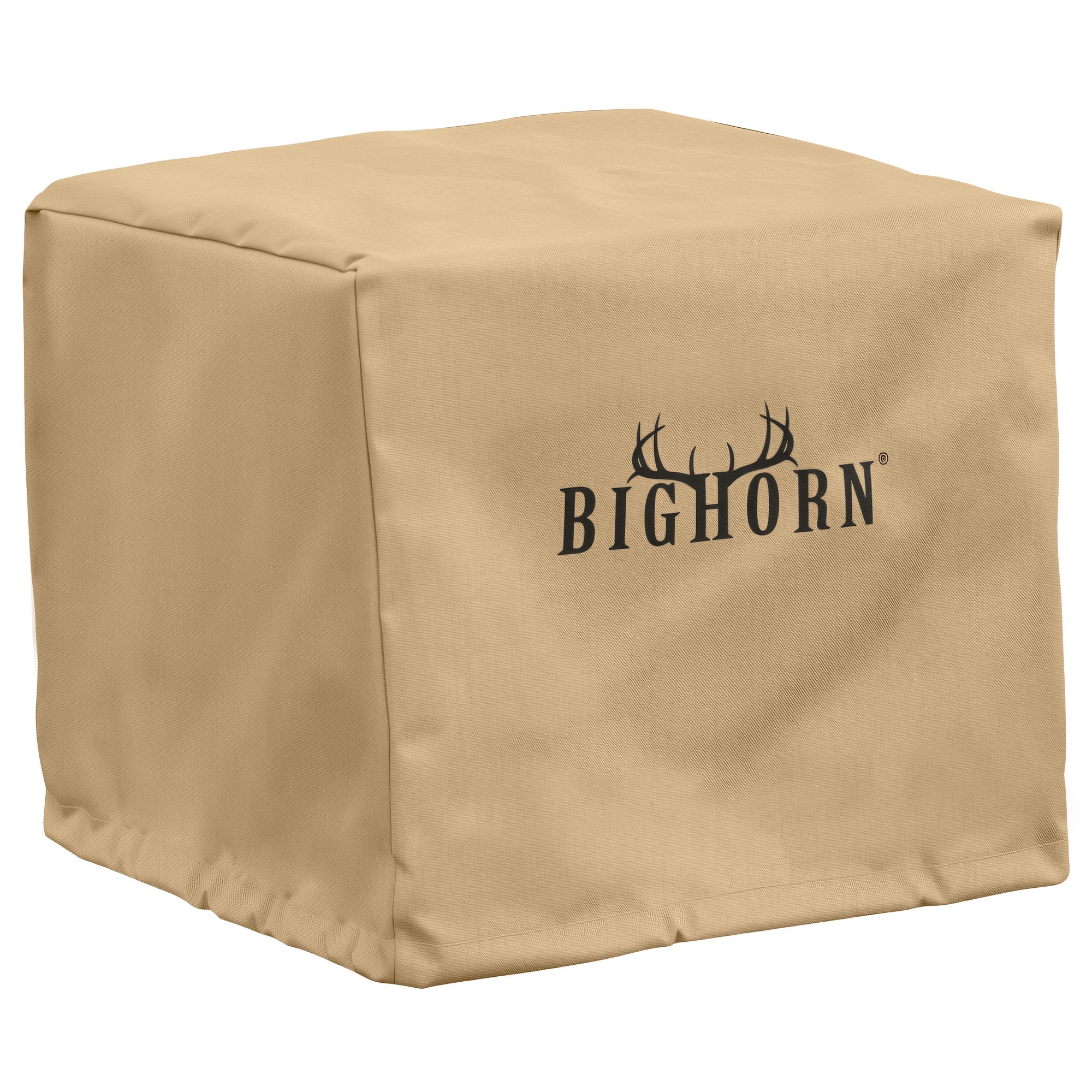
The photos on this page show a waterproof infrared steak-grill cover, which is a grill cover, not a fire-pit cover. Use it as a reminder that a cover has to match the appliance you actually own, then measure your pit or fireplace on its own terms.
FAQ
How large of a circle for a fire pit?
The circle that matters for a cover is the actual outline of your pit, not a generic patio layout. Measure the outside diameter at the widest point of the bowl or table, then the height from the ground or the table top to the highest point the cover must clear, including a screen or a lip. A seating-circle size for chairs is a different measurement and does not tell you the cover size. Write both numbers down before you shop.
Do you need a wind guard for a fire pit?
A wind guard is a use accessory for a burning appliance, usually a glass or metal ring that helps a gas flame in a breeze. A cover is a storage accessory for a cold pit or fireplace. They are not substitutes for each other. If your cover must go over a wind guard that stays on the unit, measure with that guard in place. This page will not tell you whether your particular pit requires a guard; the manual and the site conditions decide that.
How to make a cover for a fire pit?
A homemade cover still starts with the same measurements: outside width or diameter, depth or length, and height, plus any handles, hooks, or straps you will use to keep it on. Use a material meant for outdoor covers, and do not put a fabric cover on a pit that is still hot. If you would rather buy a cover, take those same numbers to a size chart. This article is a measuring method, not a sewing pattern.
How do you figure out how many blocks you need for a fire pit?
Block count is a build calculation, and it is not the same as measuring for a cover. A cover size comes from the finished outside dimensions of the pit or fireplace you already have. If you are still designing a block pit, finish the build, then measure the completed unit. Guessing a cover from a block plan often leaves the lid short on height or wide at the rim.
