A gas grill becomes genuinely convenient when the small things happen in the same order every time. Check the fuel and connections, preheat long enough for the grate to stabilize, cook with more than one heat zone, and leave the grill ready for the next meal. That routine matters more than constantly changing temperatures or buying another accessory.
Related product: Shop 4+2 Burner Outdoor Kitchen Island.
The point is not to turn a weeknight cookout into a checklist exercise. A good routine removes decisions. Once you know where your grill runs hottest, how long it normally takes to preheat, and how quickly different foods move from sear to finish, grilling gets faster and more predictable.

Start Before You Light the Grill
A quick inspection is easier than troubleshooting after the food is already outside. Make sure the grill is stable, positioned where the manufacturer allows, and clear of materials that should not be near high heat. On propane equipment, look over the cylinder, hose, regulator, and visible fittings before opening the gas supply.
If the cylinder has been disconnected or a connection has been disturbed, follow the leak-check procedure in the grill manual. Do not use a flame to look for a leak. Also check the grease system. An overfilled grease tray can turn an ordinary cook into a flare-up problem.
Fuel planning is equally simple: if the tank feels close to empty, deal with it before the meal. Running out of propane halfway through chicken is far more disruptive than topping up or swapping a cylinder earlier in the day.
Preheat for the Food You Are Actually Cooking
One of the easiest mistakes is treating the moment the burner lights as the beginning of cooking. The air inside the grill warms quickly, but the grate and surrounding metal need time to absorb heat. That stored heat is what gives food stronger browning when it first hits the surface.
Preheat time varies with grill design, weather, burner output, and the result you want. A compact infrared grill may come up to searing heat quickly; a larger conventional grill or outdoor kitchen may need longer for the full cooking surface to settle. Rather than using one universal number, learn the behavior of your grill.
Clean the grate as part of this warm-up period, using the cleaning method recommended for its material. A clean surface is easier to read: fresh browning comes from the food and heat, not from residue left from the previous meal.
Use the Grill as Two Different Cooking Spaces
Gas control is useful, but the most practical skill is learning to create a hotter area and a gentler area. The hot side gives you browning. The cooler side buys time.
That difference matters with almost everything. A steak can develop its crust over stronger heat and finish more gently if the exterior is getting ahead of the center. Chicken benefits from a zone where it can continue cooking without constant flare-ups. Burgers can move away from aggressive heat as fat begins to drip. Vegetables and seafood usually need even more attention because their useful cooking window is short.
Do not assume that every square inch of a grill matches the dial setting. Most grills have hotter and cooler areas. After a few cooks, you should know them. That knowledge is more useful than repeatedly opening the lid and changing every burner.
Build the Meal Around Timing, Not Around the Recipe Order
When several foods share the grill, start with the item that takes longest and work backward. Chicken pieces, thick vegetables, or a larger cut may need a head start. Fast-cooking seafood, thin steaks, and already-cooked sides can wait.
Keep raw-food tools and plates separate from finished food, and use an appropriate food thermometer where doneness cannot be judged reliably from appearance. Surface color can tell you a lot about browning; it cannot confirm the center temperature of poultry or a thick cut.
This approach also makes the grill feel less hectic. Instead of everything reaching the grate at once, the meal moves in stages. The hotter zone is used when browning is useful, while the gentler zone handles the foods that need more time.
A Better Weeknight Routine
For regular use, the routine can be short:
- Check fuel, connections, grease buildup, and the cooking area.
- Light and preheat the grill according to its manual.
- Clean the cooking surface and identify the hot and cooler zones.
- Cook the slowest items first.
- Sear or finish faster foods as space opens.
- Verify doneness where needed instead of guessing from color.
- Shut the grill down in the correct order and clean it after it cools enough to handle safely.
That sequence works because each step prepares the next one. It also prevents the familiar cycle of finding an empty tank, a dirty grate, or an overflowing grease tray at the exact moment you want to cook.
What Changes With an Infrared Grill?
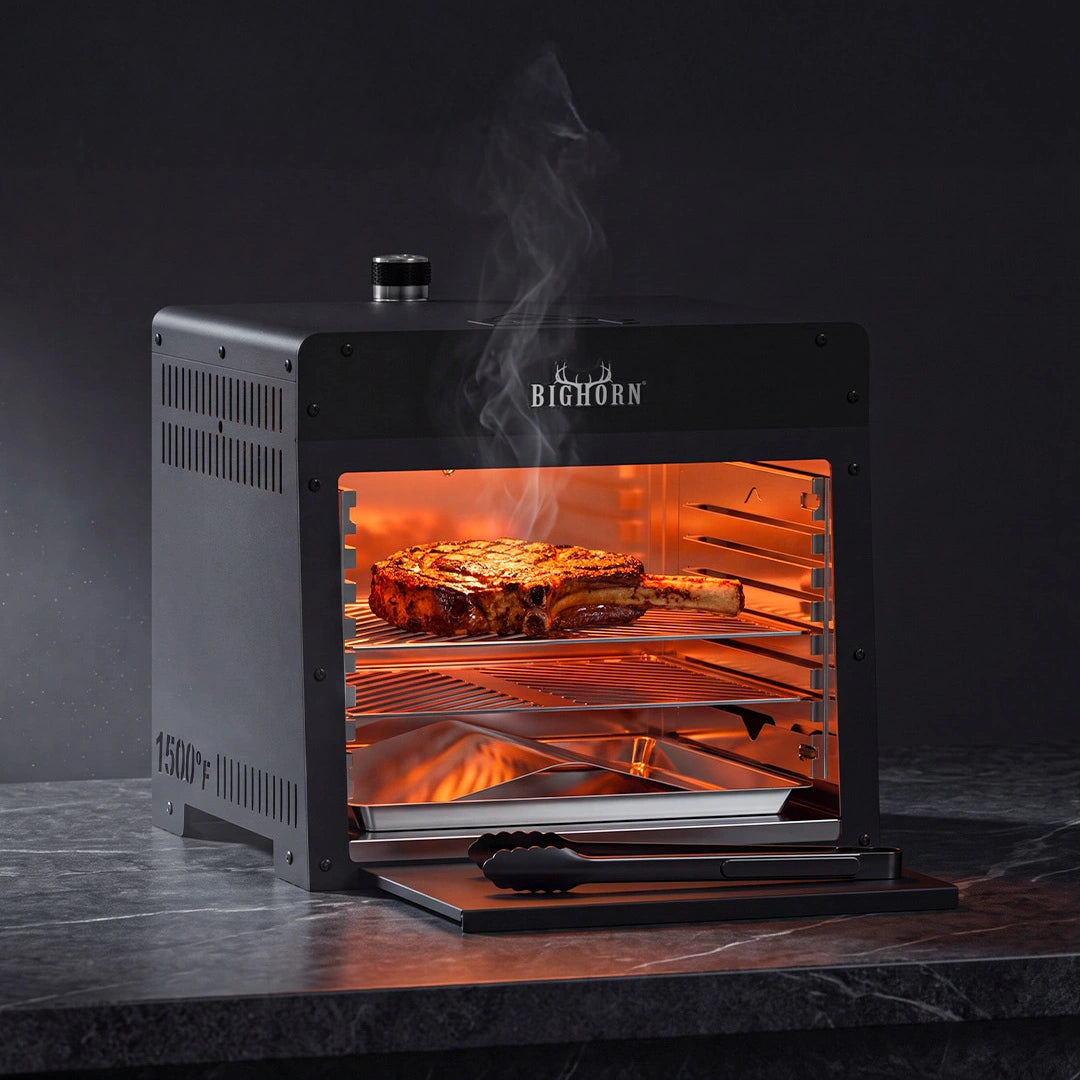
Infrared heat makes the hottest part of the grill more intense and more direct. That is useful for steaks and other foods where a fast exterior sear is the goal, but it makes heat-zone awareness even more important. Food can move from browned to overdone quickly if it remains over the strongest radiant zone for too long.
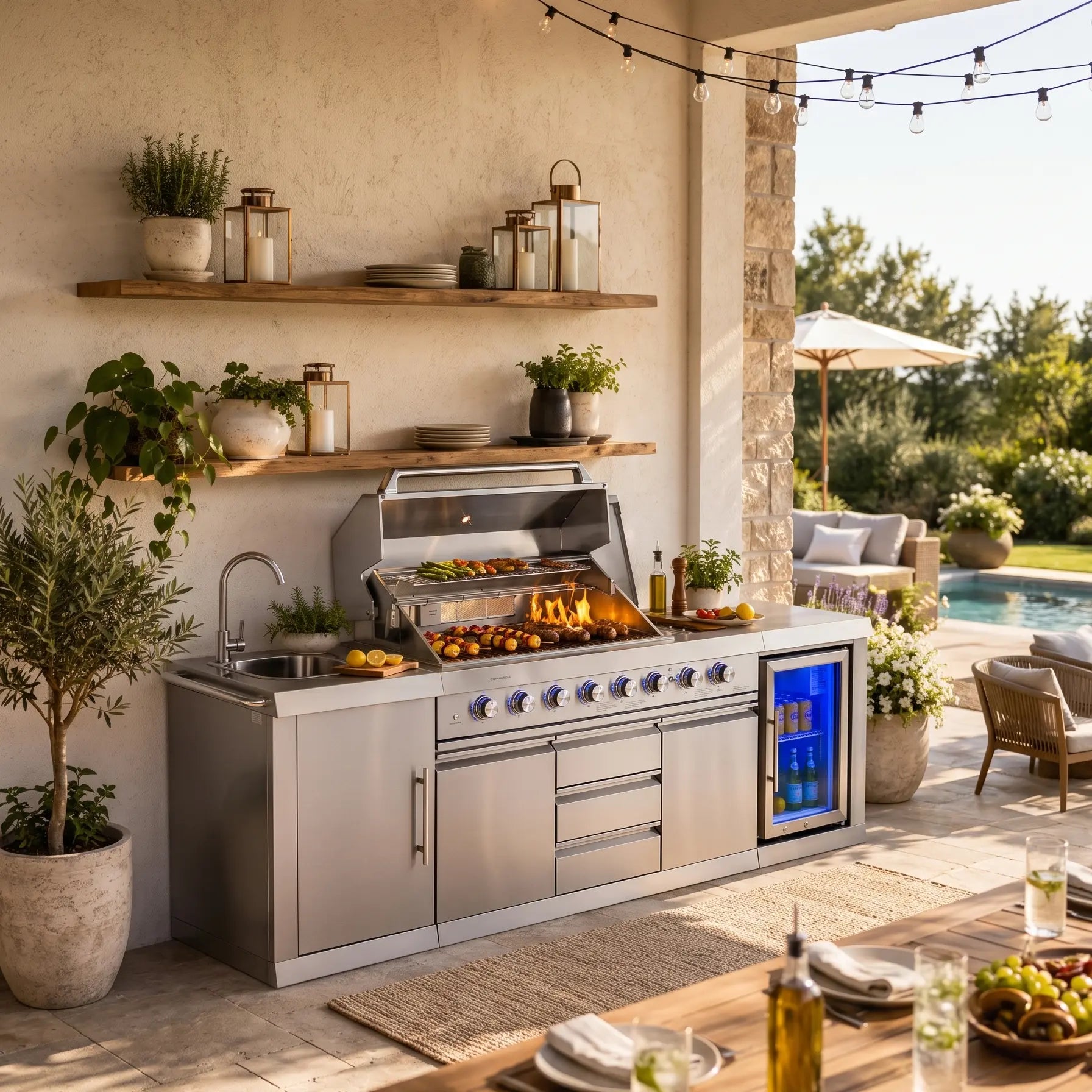
Treat the intense area as a tool rather than the only place food can cook. Sear where the energy is highest, then move or reduce heat when the exterior has done its job. The same idea applies to a larger outdoor kitchen with several burners: different zones should have different jobs.
Finish the Cook by Setting Up the Next One
Shutdown is not just turning a knob to OFF. Follow the order in the product manual, allow the grill to cool, remove grease and food residue when appropriate, and leave the cooking surface in a condition that will not slow you down next time.
Propane cylinders should be handled and stored according to their label, local rules, and the grill instructions. Do not move hot equipment simply because the flame is out; grates, grease trays, and surrounding metal can stay hot long after cooking stops.
The best daily gas-grill routine is deliberately uneventful. Nothing runs out unexpectedly, the grate is ready, the cook knows where the hot spot is, and cleanup does not become tomorrow's problem. Once those habits are automatic, the convenience promised by a gas grill actually shows up in everyday use.
Explore more in the Gas Grilling Guides.