







Outdoor Kitchen Islands & Patio Planning
One patio, two heat sources, endless ways to block a path. Planning an outdoor kitchen and fire pit together is about clearances, smoke, and traffic—so conversation happens without anyone walking through a flare-up.
Done well, dinner and dessert fire share a yard without competing. Done poorly, every guest chooses between smoke in the eyes or cold food.
Why combine them (and when not to)
Combining them saves yard space and keeps hosting in one zone. It also concentrates fuel storage, lighting, and supervision.
Skip the combo on tiny pads where clearances cannot be met, or where HOA rules allow one open flame but not two. A fire feature beside a busy grill aisle is entertainment poison.
If you only have room for one, pick based on weekly use: cooks choose the kitchen; loungers choose the fire.
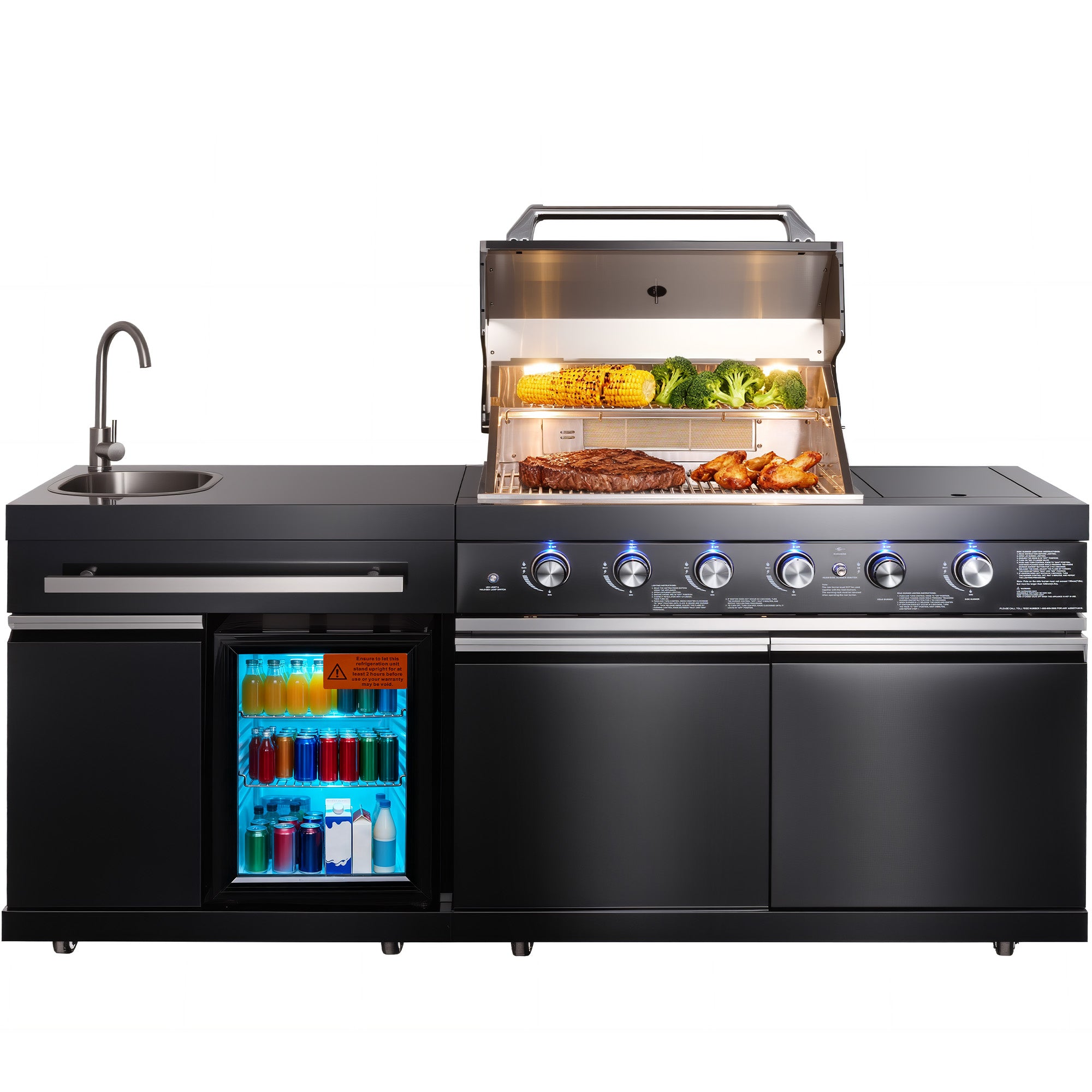
Four patio layouts for kitchen plus fire (table)
These patterns show up again and again in successful yards. Adapt dimensions to your manuals and codes.
| Layout | How it works | Best when | Watch-outs |
|---|---|---|---|
| Linear spine | Kitchen along one edge, fire beyond seating | Narrow yards | Long walks with plates |
| L with fire court | Kitchen L, fire in the open corner | Corner lots | Corner smoke eddies |
| Kitchen island + distant fire | Cooking centered, fire downwind | Larger patios | Needs more paving |
| Fire as far node | Kitchen near house, fire at yard edge | Smoke-sensitive neighbors | Splits the party |
Tape both footprints plus seating circles before buying. Walk with a tray and a poker—literally.
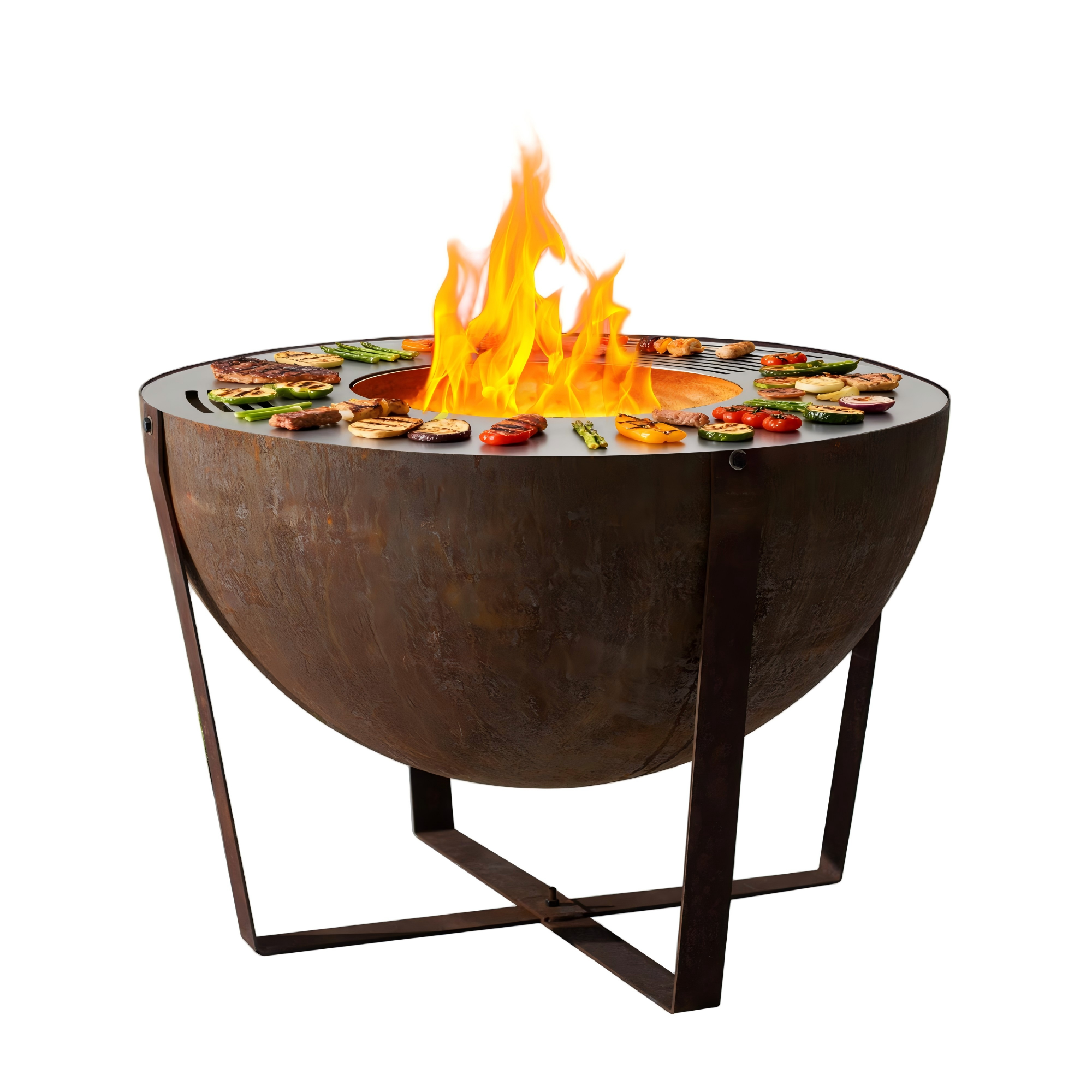
Clearances between grill, seating and flame
Each appliance has its own manual clearances to combustibles. Seating needs a comfort buffer beyond that so knees are not toasted and marshmallows are not reaching over a gas rail into a grill flare.
Do not stack a wood fire pit against a propane island hose path. Keep fuel types logically separated and labeled.
Fire-safety education from NFPA and CPSC applies to both features; treat them as two appliances, not one vibe.
Smoke, wind and who sits where
Study summer evening wind. Put the fire downwind of the primary dining seats when you can. Kitchen exhaust and fire smoke stacking in the same corner will empty the patio.
Moveable chairs beat fixed benches while you learn the yard. After a season, bolt down what worked.
On poor air quality days, skip the wood fire. EPA Burn Wise explains why extra smoke is hard on neighbors and households.
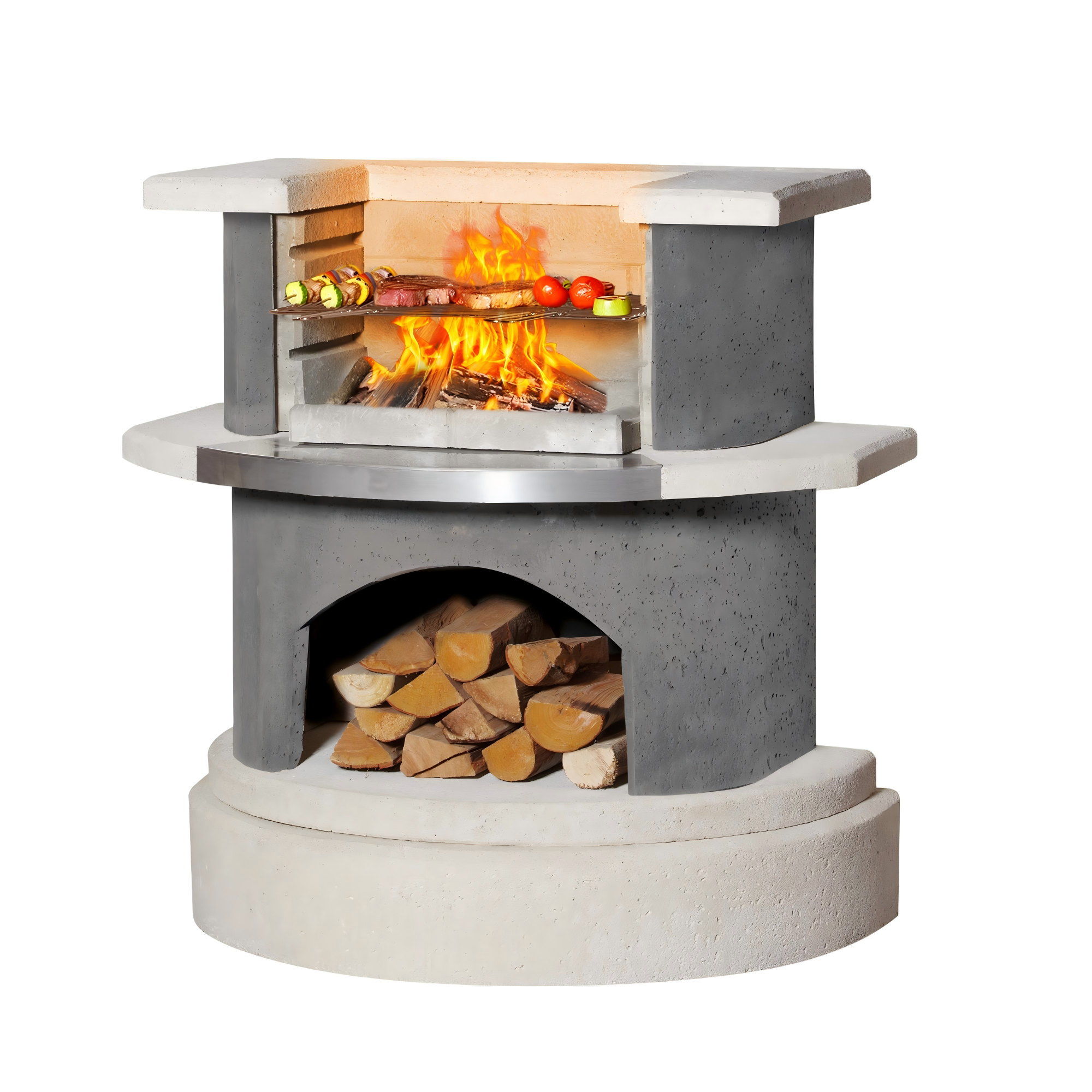
Gas lines, power and lighting plan
Two features can mean two gas stubs or a carefully designed manifold by a licensed fitter. Electric lighting should cover both cook and lounge without glare into either.
Mark underground lines. Future plantings and tent stakes destroy unmarked pipes. Permit conversations covered in outdoor kitchen planning still apply when fire features share the patio—ask early.
Propane cylinders for separate appliances need upright outdoor storage and hose inspections; see propane safety resources.
Budgeting the two together
Budget appliances, pad work, utilities, seating, and covers as one project even if you buy in phases. A gorgeous island with a cheap pit in the walkway feels unfinished; a premium pit that blocks the fridge door feels worse.
Phase honestly: kitchen first if you cook weekly; fire first if the yard is already a lounge. Leave labeled stubs for phase two.
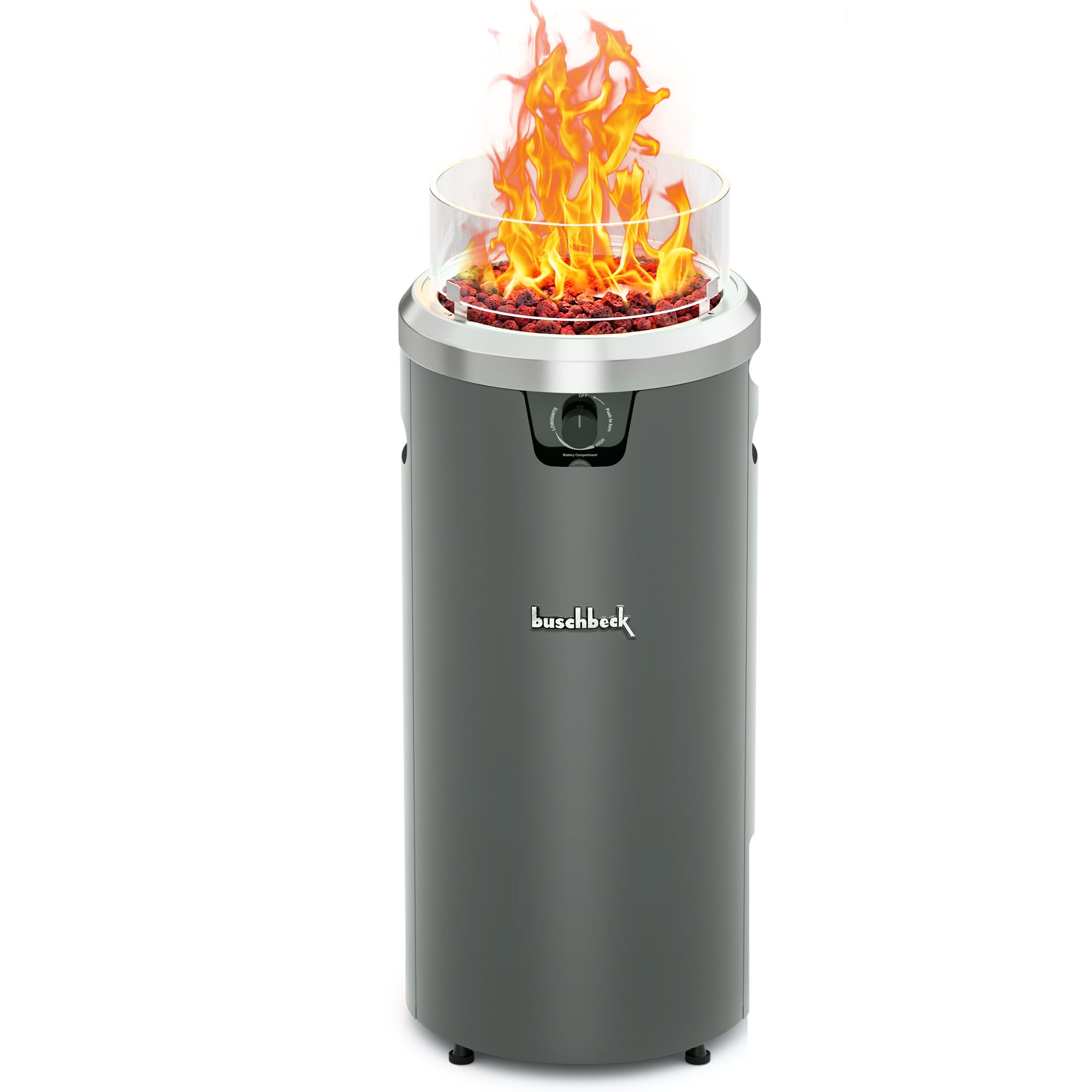
Seasonal use and covers
Covers keep water out of burners and fire bowls but must be fully cool and off before lighting. Snow load on covers can distort lids—clear them.
Insects love warm stone after cooks; plan cleaning so the lounge stays usable.
Phasing the build
Set the kitchen pad and utilities with a drawn circle for the future fire even if the pit comes next spring. Changing slope later to shed water away from both features is harder than grading once.
Choose products with footprints you can commit to: outdoor kitchen islands, the 32-inch corten fire pit with grill, and the 36.6-inch outdoor fireplace with grill give concrete dimensions for sketches.
Keep extinguisher access that serves both zones. Household readiness tips from Ready.gov belong in the family briefing before the first dual-feature party.
Finally, decide a “one flame at a time” rule for windy nights if your patio is tight. Not every evening needs both appliances roaring.
Kid zones, pets and supervision
Two heat sources double the supervision load. Create a kid play edge that does not require crossing between grill and fire. Gates or planter barriers can mark the cook court without looking like a fortress.
Pets chase food smells. Plan a place to tether or gate dogs away from hose lines and ash. A single knocked cylinder valve is an evening-ending event.
Assign one adult as flame-aware host when crowds are large. The person plating steaks should not also be the only person watching marshmallows.
Surface materials between the two features
Continuous hardscape simplifies sweeping ash and grease. Mixed gravel paths look soft but hide embers and trip ankles carrying pans. If you love lawn between zones, keep a non-combustible apron around each appliance.
Dark stone shows grease less and heat marks more; light stone does the opposite. Choose based on which stains you are willing to clean weekly.
Slope the patio so wash-down water does not puddle under propane feet or fire-pit vents. Standing water plus ash becomes sludge that stains everything.
Evening lighting scenes
Create two scenes on switches: bright cook mode and low lounge mode. Guests should not need flashlight phones to find stools when you dim for fire hour. Path lights at ankles prevent trips between island and pit.
Avoid aiming spotlights into the fire—you will wash out the flame and highlight smoke. Indirect warm light on faces works harder than dramatic uplights on walls.
Neighborhood diplomacy
Tell adjacent neighbors before your first big dual-feature night. Offer a text if smoke shifts their way so they can close windows. That small courtesy prevents complaints more effectively than any shrub screen.
Quiet hours still apply when fire conversations stretch late. Lids and extinguishers should be ready so shutdown is fast when the clock says stop.
If your region issues burn bans, wood features pause even when the gas kitchen can continue. Build that flexibility into invitations: “fire if allowed.” Wildland agencies and resources such as National Park Service fire safety pages underscore why bans exist beyond city lots.
Product-wise, keep optionality: a propane column fire pit can cover lounge nights when wood is restricted, while the kitchen island handles dinner regardless.
Cooking on fire features without fighting the island
Some fire pits include grates for open-fire cooking. If you use them, decide which appliance is dinner and which is dessert. Two cooks competing for the same platter path create collisions.
Keep separate tool sets so ash-covered tongs do not touch salad. A small side table between zones holds the swap without invading either circle of chairs.
When the corten pit doubles as a grill, site it where smoke will not wash the primary island cook in the face. That may mean accepting a longer walk with steaks—worth it for tempers.
Maintenance calendar for dual features
Monthly in season: check hoses, clean grease trays, empty cooled ash, wipe stone lips. Seasonally: cover inspection, burner port cleaning per manuals, touch-up paint on steel where finishes allow.
Share the calendar on the fridge. Features that only one person understands fall into disrepair and become hazards.
Store spare lava rock, screens, and grill grates in labeled bins. Searching with a flashlight while guests wait is how tools end up abandoned near heat.
If you add a fireplace instead of a low pit, rethink chair arcs—tall openings throw heat differently. The 36.6H concrete outdoor fireplace with grill wants a different conversation circle than a round bowl.
Before the first dual-feature party, run a daylight rehearsal: light neither flame, but walk the tray path, seat the expected headcount, and stage the extinguisher. Ten minutes of choreography prevents awkward dances later when hands are full.
Write a shutdown checklist on a card in the island drawer: gas valves, pit valves, ash status, covers only when cool. Tired hosts forget steps; cards do not.
Keep the dual-feature patio joyful by designing for the average Tuesday, not only the holiday crowd. If Tuesday paths feel tight, Saturday will feel impossible.
Conclusion
Place the kitchen for work, the fire for linger, and the path so they never fight. Wind and clearances do more than furniture catalogs to make the combo feel intentional.
Build your patio around Big Horn Outdoors kitchen islands and fire features like the corten fire pit.
FAQ
How far apart should an outdoor kitchen and fire pit be?
Separate them enough to satisfy both manuals’ clearances to combustibles and to keep seating out of stacked smoke. Many yards also want a walking path between that is wide enough for someone carrying plates. When in doubt, place the fire downwind and farther than the minimum clearance so comfort matches safety.
Can you combine a fire pit and a grill island on a small patio?
Only if clearances, hose routes, and traffic still work when both are used. On very small pads, choose one primary feature or use a portable fire bowl stored away during big cookouts. Forced combos on tiny decks often fail HOA or common-sense tests.
Should the fire pit be downwind of the kitchen?
Usually yes for seating comfort, assuming that placement still meets clearances and neighbor considerations. Watch your site for evening wind shifts. Moveable chairs help you learn before you set permanent pits in concrete.
Do I need two gas lines for a kitchen and fire pit?
Maybe. Some projects use separately stubbed lines; others use a professionally designed shared supply with proper sizing and shutoffs. This is licensed gas-fitter territory. Do not tee appliances together with unapproved fittings.
Explore more in the Fire Pit Cooking & Safety Guides.
More to Read
Fireproof Grill Mat Under Pizza Ovens and Infrared Grills
Place a fireproof grill mat to catch grease and sparks under ovens and grills. Confirm the live 48-by-30-inch claims, and use a cart when you need ...
No Oven Spring on a High-Heat Pie: Dough Temp, Launch and Floor
Diagnose no oven spring on a high-heat pizza by checking dough temperature, launch handling, and floor heat before you spend another mix changing t...
Heat-Resistant BBQ Gloves: Temperature Ratings and Wet-Grip Limits
Read a 1472°F glove rating as a short, dry, instant figure. Wet or oily conditions change grip, so let long peels reach into hot ovens and grills.
