A portable pizza oven earns its name only when the format fits how you travel: a foldable pellet oven suits campsites and tailgates, a compact gas unit handles quick stops and group cooking, and a lightweight electric model covers RV or indoor-adjacent setups. Match the oven’s size, fuel, and setup time to your travel scenario, and the pizza becomes a reliable part of the trip instead of a chore.
What travel scenarios change the choice
Three factors decide the right portable oven: how you pack (trunk, RV cabinet, or carry), how fast you want to cook (quick stops vs. full sessions), and the fuel you can carry (pellets, propane, or electricity). A camper with a full gear bay can handle a pellet oven; a tailgater with a car trunk prefers the most compact gas unit. The scenario, not the marketing, determines the fit.
Camping and RV
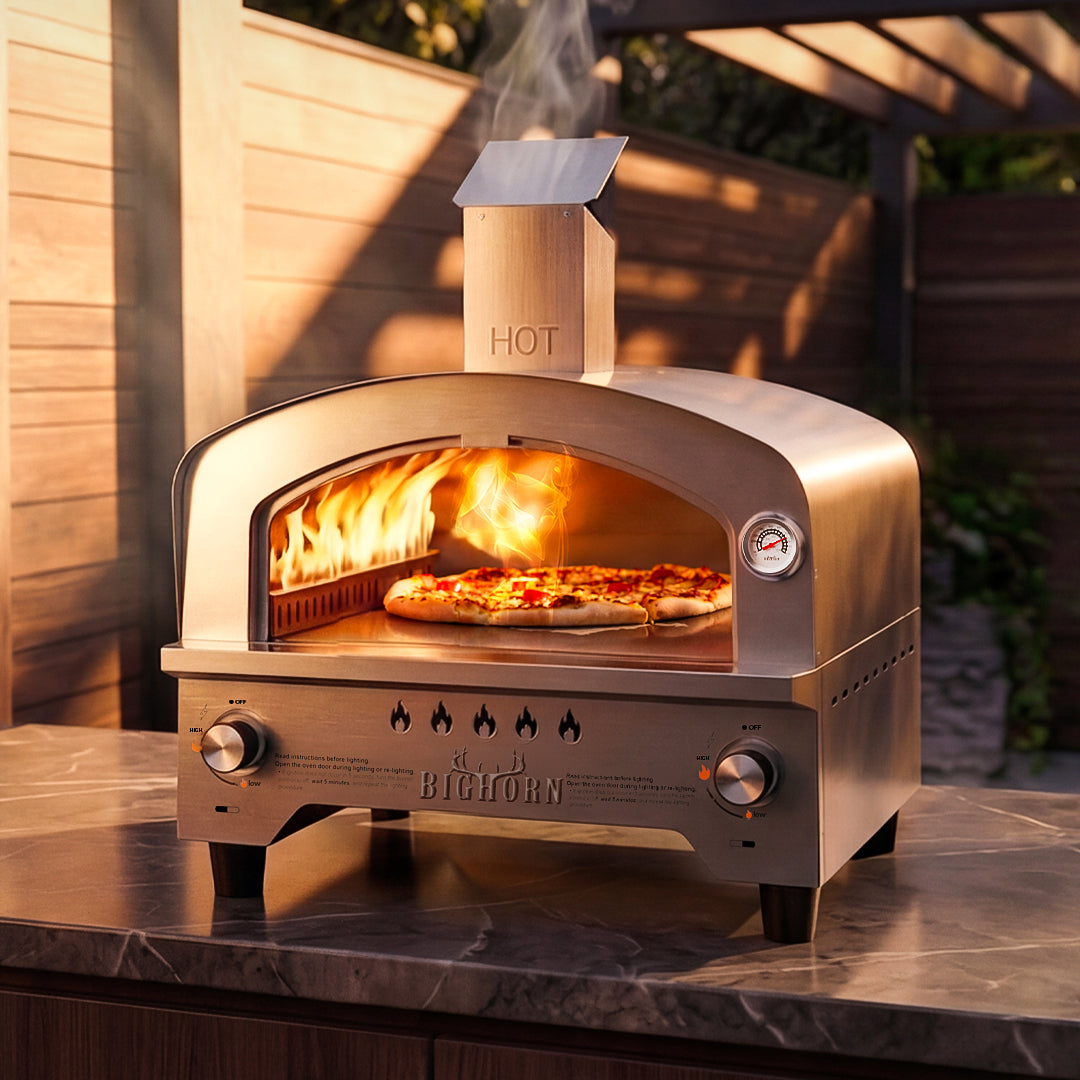
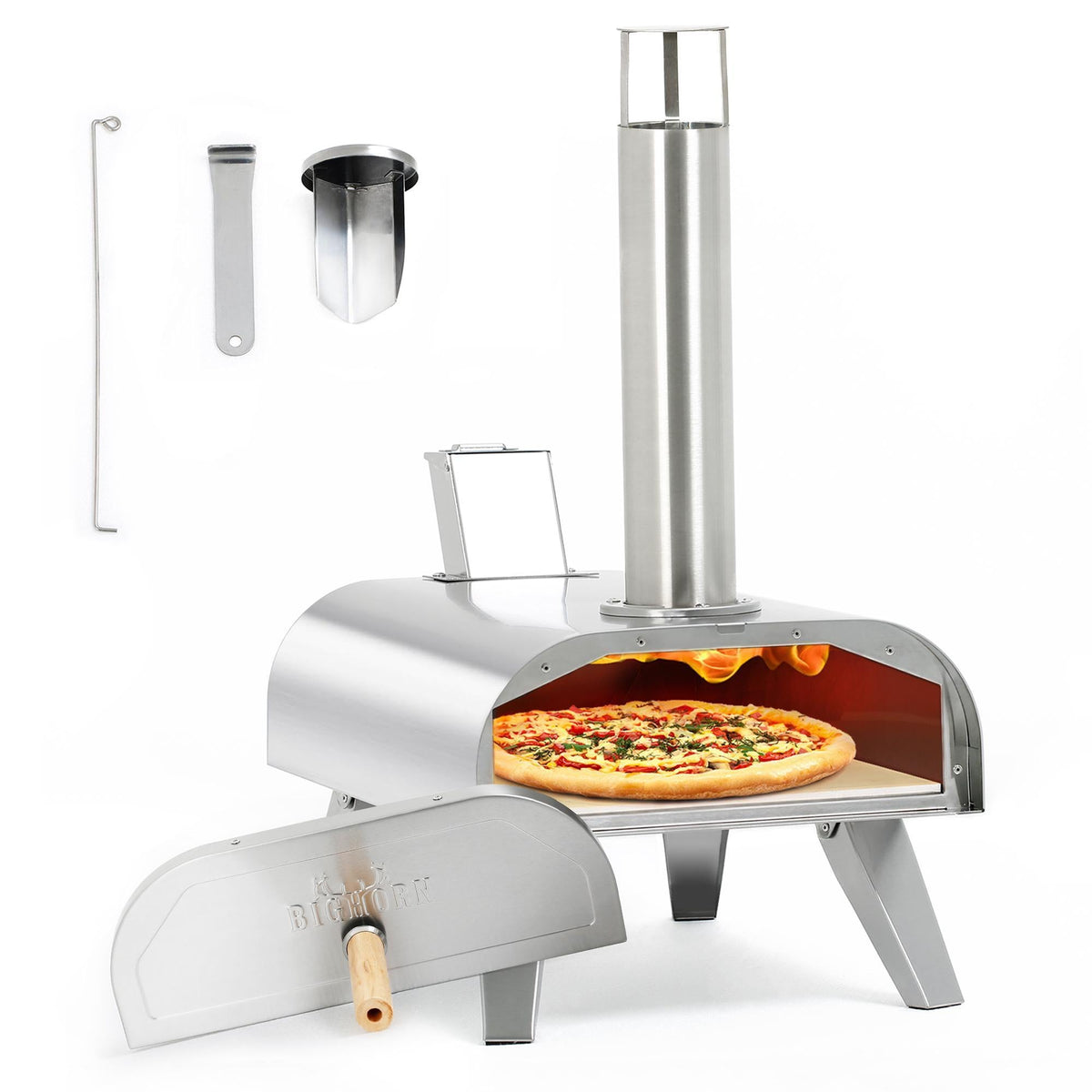
For camping or an RV, weight and storage matter most. A foldable pellet oven with legs and a compact body takes little space and runs on dry pellets that travel well, and its 887 °F heat bakes a real pizza once the 15–20 minute preheat is done. An RV with hookups can also use a lightweight electric unit for a faster, quieter bake. Choose by how much space and patience your trip allows.
Tailgating and quick stops
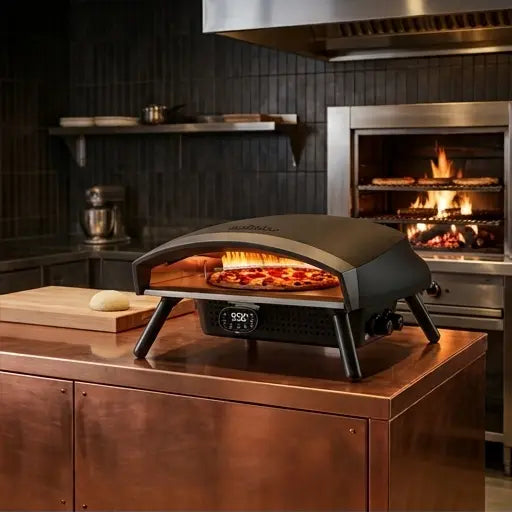
For a tailgate or a quick stop, speed and portability lead. A compact gas oven preheats in about 10 minutes and cooks one pizza every couple of minutes, which suits feeding a small group in a parking lot. It folds and stows in a trunk, and propane is widely available. If the session is short and the crowd is ready, gas is the pick.

Weekend patios and day trips
If the oven mostly stays near home for weekend pizza, portability matters less than heat and capacity. A slightly larger portable unit with a bigger deck and higher peak heat serves the patio well and still packs for the occasional day trip. Do not trade strong heat for extreme portability if you rarely move it.
How to match the format
List your top travel scenario, then match: if packing space is tight and you want flavor, choose a foldable pellet; if speed and propane ease matter, choose compact gas; if hookups or indoor-adjacent space exist, electric is the simplest. Confirm the fuel you will actually carry and the warm-up you can tolerate. The right format is the one that fits the trip you take most.
What accessories make travel pizza easier?
A peel, a thermometer, a cover, and a heat-safe pad or mat round out the travel kit. The peel launches, the thermometer confirms the stone, a cover protects the unit on the road, and a mat protects the table or ground beneath. Pack dough refrigerated and toppings pre-measured so the site build is quick. The small kit turns a capable oven into a reliable travel setup.
How do you keep fuel simple on a trip?
For pellets, carry food-grade hardwood pellets in a sealed, dry container; for gas, confirm the tank is full and the connection is dry before you go. Both fuels pack small, but moisture ruins pellets and leaks matter on the road. A few checks before leaving remove the most common trip-day problems.
What safety rules matter when portable?
Set the oven outdoors on a stable, heat-safe surface with clearance from tents, vehicles, and anything flammable, and keep it away from enclosed spaces — combustion ovens produce carbon monoxide. Let it cool fully before packing or transporting, and carry a hot stone or ash container only when completely cool. Safety is the same on the road as at home.
How do you plan a travel pizza session?
Work backwards from the meal: set up the oven, start the preheat first, then prep the dough and toppings while it warms. For a pellet oven, the 15–20 minute warm-up is the planning factor; for gas, it is closer to 10 minutes. Stage two pizzas ahead so the first bakes are seamless, and keep a cold side ready for the first gap. A little ordering turns a portable oven into a reliable travel dinner.
What should you do on the first trip bake?
Run one test pizza at the site before the main event: confirm the stone is hot, note the wind effect, and calibrate the bake. That single rehearsal removes most surprise and makes the first real session smooth. The test pie is never wasted — it tells you exactly how your setup behaves on the road.
Whichever format you choose, the test is the same: does it fit the trip you actually take, from the trunk space to the warm-up you can spare? Match the oven to the road, and portable pizza becomes a highlight rather than a hassle.
Portable oven FAQs
Is a portable pizza oven worth taking camping?
Yes, if you enjoy live-fire pizza on a trip and can manage the fuel and warm-up. A foldable pellet oven turns a campsite dinner into a centerpiece, and the portability trade is the point of the format.
Gas or pellet for travel?
Gas is faster and easier to pack if you already carry propane; pellet adds smoke flavor and needs a longer warm-up. Choose by your fuel setup and patience on the road.
Can I use a portable electric oven outdoors?
Only if the model and your power source allow it. Most portable electric units suit RVs or indoor-adjacent setups; confirm the outlet and placement before relying on it outdoors.
To compare portable formats, review the pizza oven collection and match the fuel and size to the trip you take most.