
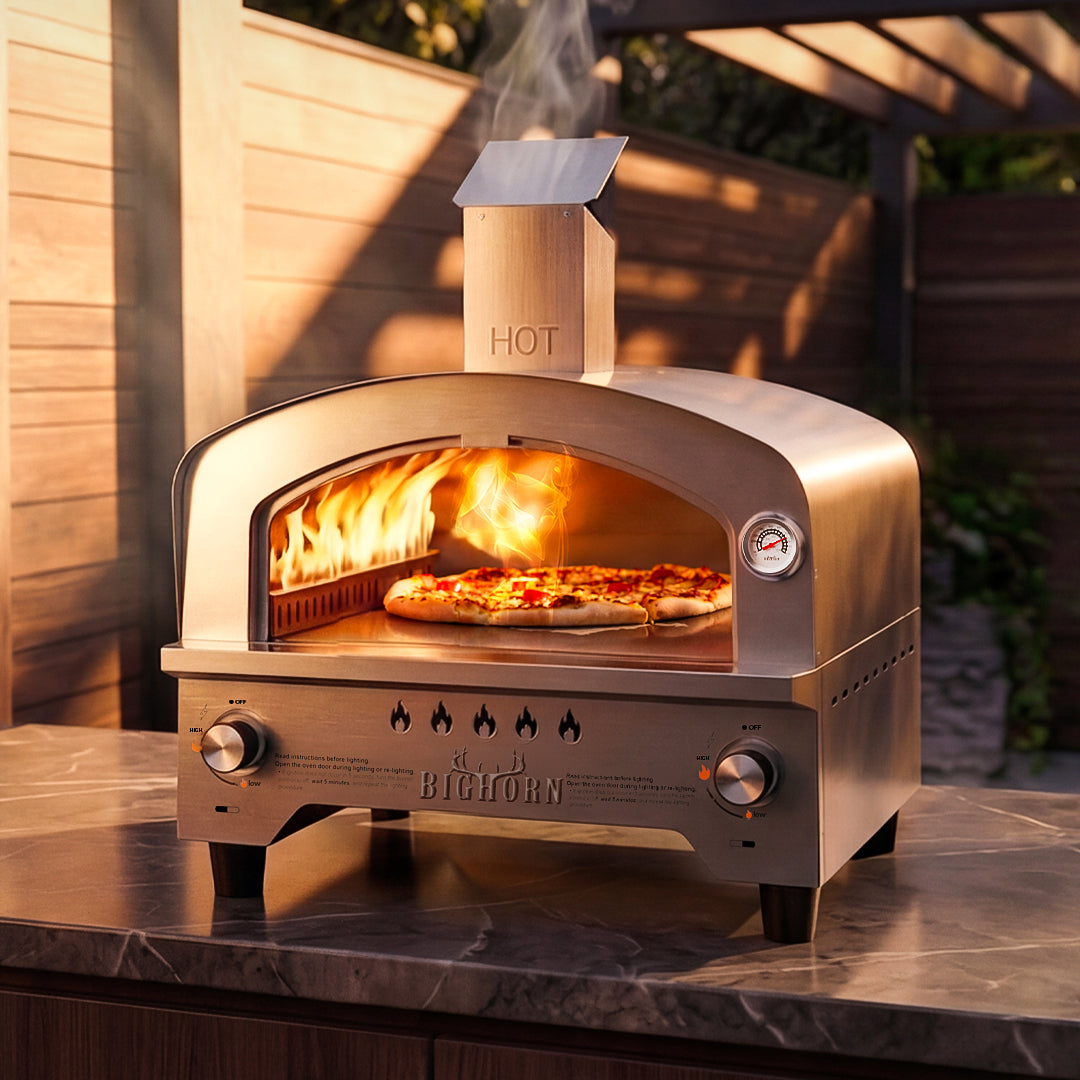
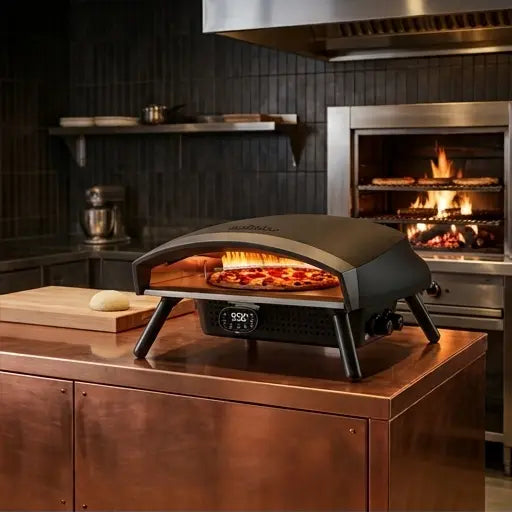
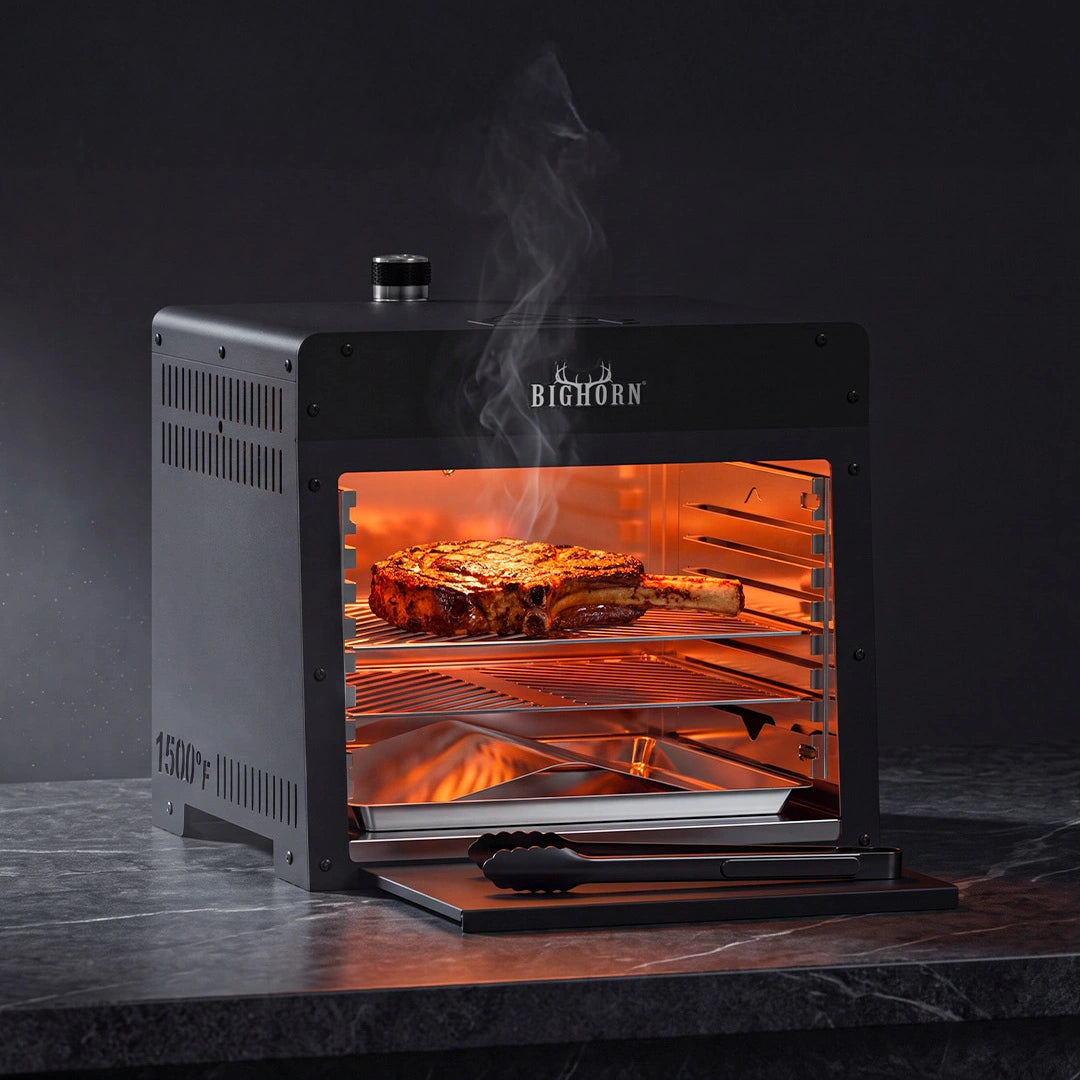
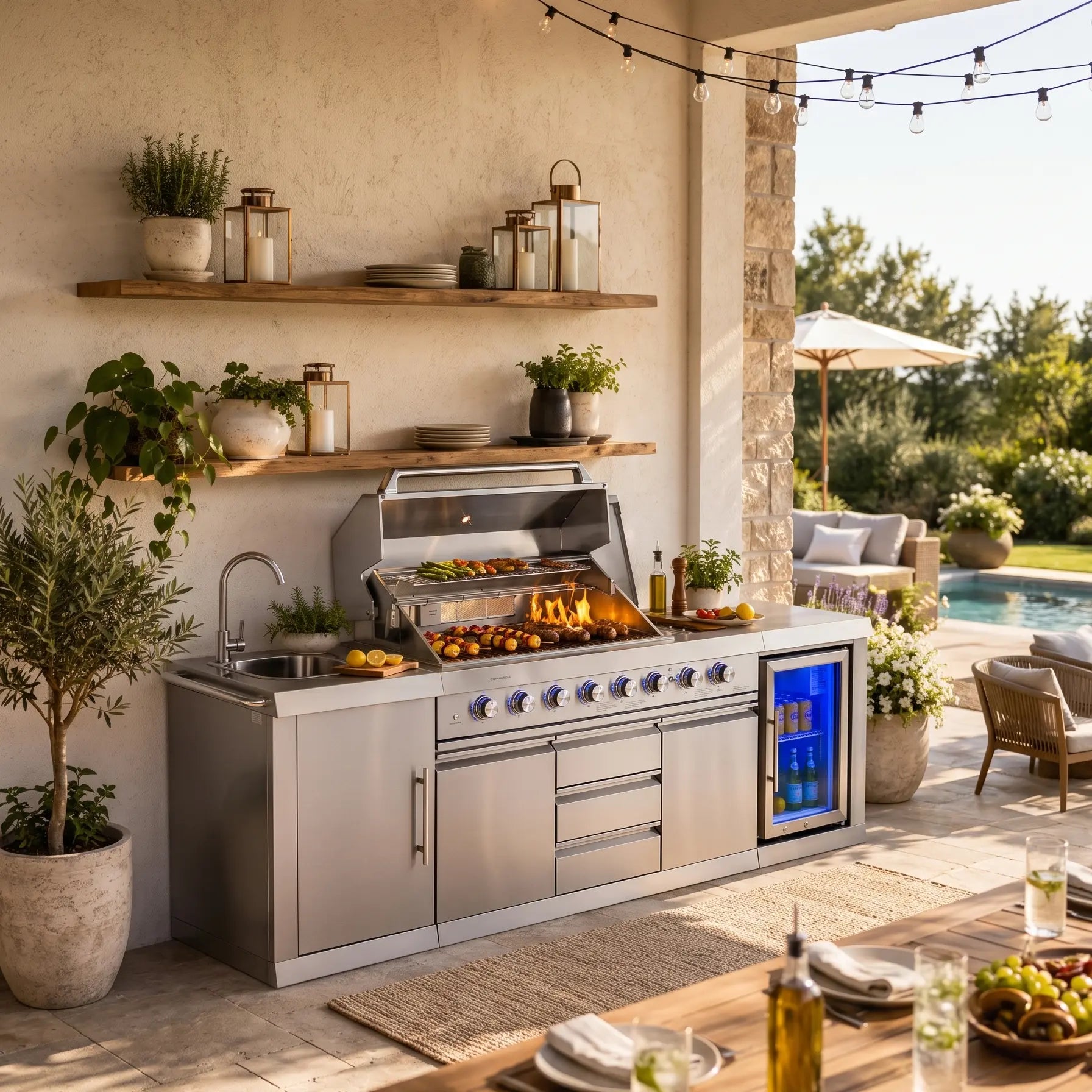
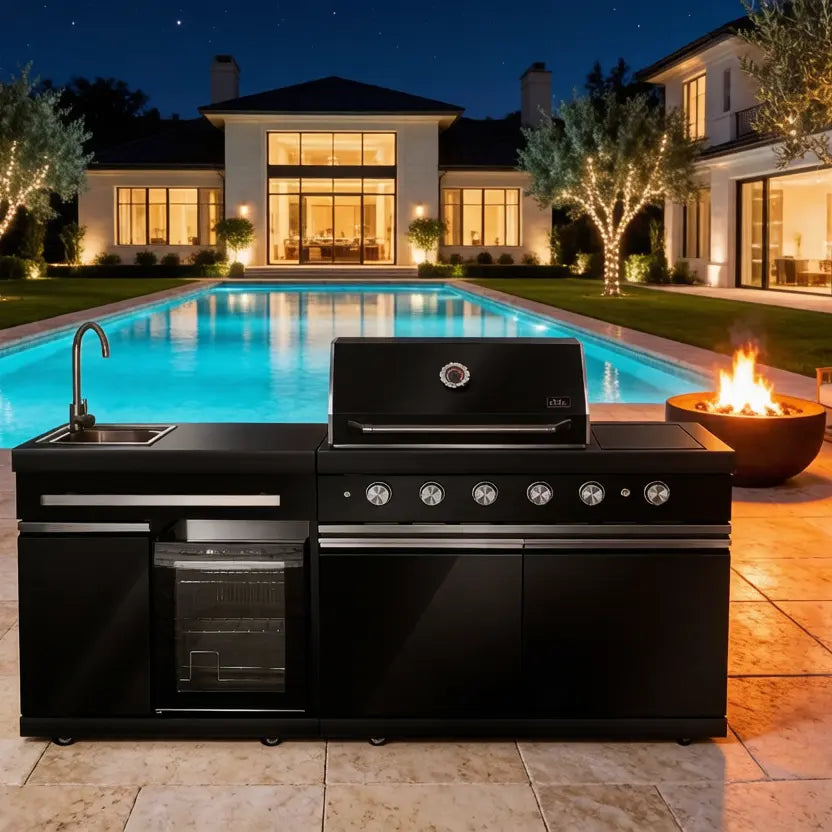
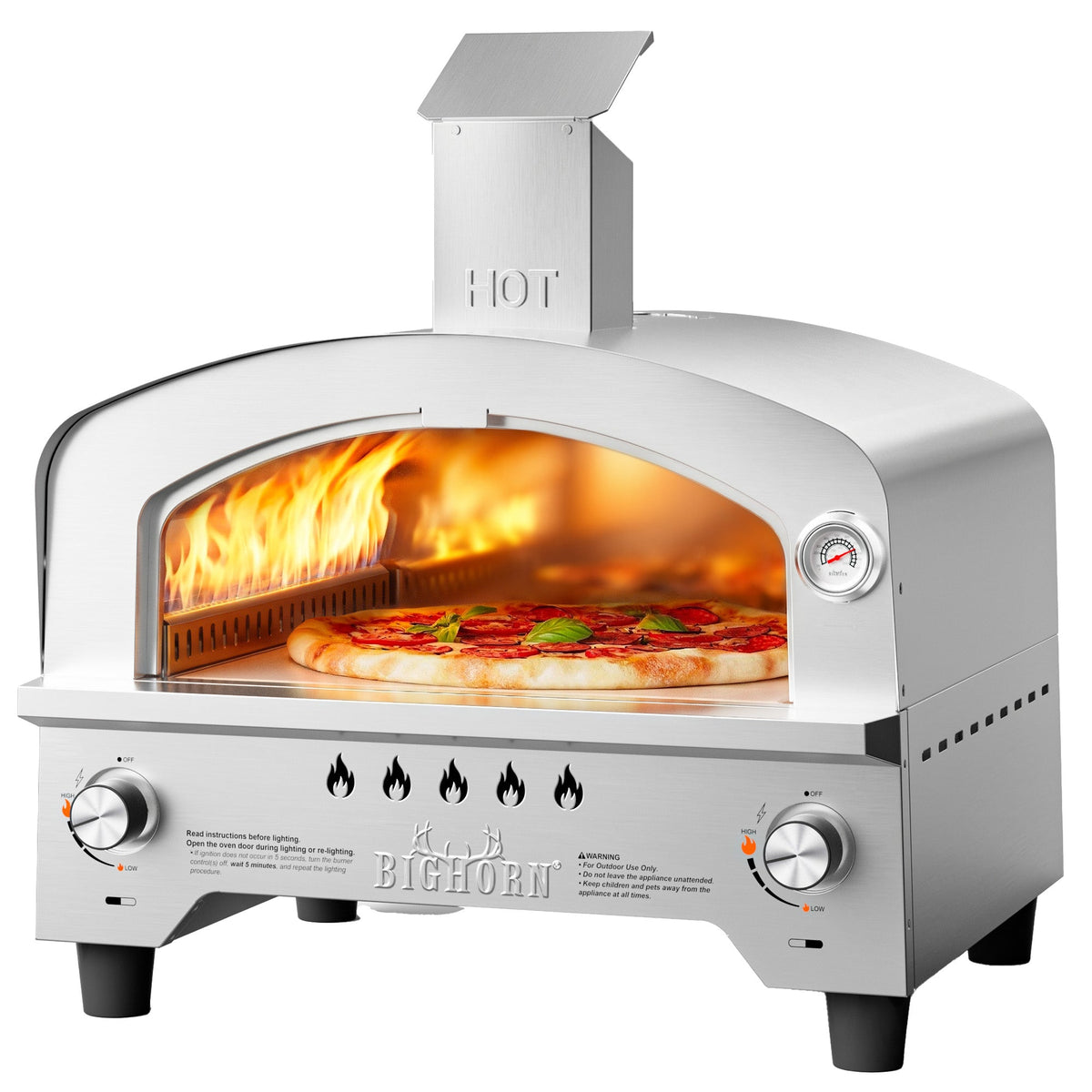
A small outdoor kitchen does not need a big patio or a custom build — it needs three zones: a place to cook, a place to prep, and a place to serve. Compass join these zones in a 6-by-6-foot corner or an 8-by-10-foot patio, and you have a working outdoor kitchen. Below are four budget-friendly layouts built around compact pizza ovens, grills, and islands that fit tight spaces.
What counts as a small outdoor kitchen
A small outdoor kitchen is usually one or two cooking appliances paired with a prep or serving surface. There is no fixed size, but many setups work in a 6-by-6-foot corner or an 8-by-10-foot patio area. The layout, not the square footage, decides whether the space works — keep the cook, prep, and serve zones close but separated.
Planning questions to answer first
Before buying anything, answer five questions: how many people you usually cook for; whether you want pizza, grilling, or both; whether the cook spot is near the back door; how much wind and sun the area gets; and whether HOA, lease, or local open-flame rules apply. The answers set the sizes and fuel choices, and they cost nothing to check.

Idea 1: the pizza oven on a cart
The simplest outdoor kitchen is one hero appliance on a sturdy cart or counter-height table. Use a cart rated for the oven’s weight and heat, lock the casters before use, and never move the oven hot. Add a cutting board, a peel, and an infrared thermometer, and store fuel away from the cooking unit unless the manual allows otherwise. Footprint: as small as 3 by 2 feet — fits almost any patio corner.
Idea 2: the two-zone cook station
Create a cook zone and a prep zone with no construction: put the grill or pizza oven on one side, a separate prep or folding table on the other, and a cooler or bar cart nearby for serving. This works in a 6-by-6-foot corner and still gives a full cooking workflow. Two folding tables and a cooler cost far less than a built-in.
Idea 3: the all-in-one island
For a built-in look without a contractor, a compact outdoor kitchen island offers storage, counter space, and a stable cook surface. Pair it with a grill or pizza oven as the main appliance, and choose weather-resistant, easy-to-clean materials. This route gives the most permanent feel while costing far less than a custom build.
Idea 4: the smart small-space layout
Small spaces succeed or fail on layout, not size. Place the cook zone near the door so trips are short, keep the prep zone out of the wind, and position the serve surface near seating. A tight, well-planned triangle beats a roomier but disorganized space — and it fits on a budget.
Planning and safety details
How do you budget a small outdoor kitchen?
Start with the one hero appliance and add surfaces and tools as your cooking grows. A compact pizza oven or grill is the biggest line item; prep and serving surfaces come next, and a cooler or cart is the smallest. Budget for a cover and the essentials — a peel, a thermometer, a brush — so the setup works from the first cook. A staged budget builds a usable kitchen without a big upfront spend.
What materials hold up outdoors on a budget?
Choose weather-resistant, easy-to-clean materials: powder-coated steel, stainless, or sealed concrete for surfaces, and treated or composite wood where wood is used. Avoid untreated materials that rot or rust in the elements. A small budget goes further when the surfaces last — cheap, weather-prone materials fail fast and cost more to replace.
How do you add cooking capacity without more space?
Use the same footprint for more jobs: a pizza oven that also sears steak, or a grill with a griddle side, expands the menu without adding an appliance. Stack functions and use a single prep surface for multiple dishes. The limit is the layout, not the number of appliances, so versatile gear beats more units in a tight space.
How do you keep a small station safe?
Keep clearance around any fire-based appliance, place hot tools on a heat-rated surface, and store fuel away from the cooking unit. Lock casters on carts, never move a hot oven, and keep hoses out of walkways. The same safety habits that apply to a full kitchen matter even more in a tight layout where everything is closer together.
How do you plan for wind and sun in a small yard?
Position the cook zone out of the prevailing wind so heat stays steady, and face prep or storage away from direct sun to keep dough and fuel cooler. If the yard is exposed, a windbreak or a sheltered corner protects the flame and keeps sessions predictable. A few minutes of orientation planning beats struggling with wind every cook.
What storage works in a tight layout?
Use vertical storage — a compact shelf, a wall-mounted rack, or stackable bins — to hold fuel, pellets, and tools without eating counter space. Keep the peel and thermometer within reach of the cook zone, and store covers and cushions dry. Vertical storage is how small spaces hold more without feeling cramped.
Small kitchen FAQs
What is the smallest workable footprint?
About 3 by 2 feet for a single-appliance cart setup, with a folding prep table added when you need it. A 6-by-6-foot corner comfortably fits a two-zone cook station.
Do I need a built-in?
No — carts, folding tables, and compact islands cover most home cooks. A built-in is about permanence and looks, not capability.
What should I buy first?
Start with the one appliance you will use most — a pizza oven or a grill — then add prep and serving surfaces. Build the layout around the hero appliance, not around multiple unneeded units.
To anchor a small-space layout, review the pizza oven collection and pick the appliance that fits your corner.