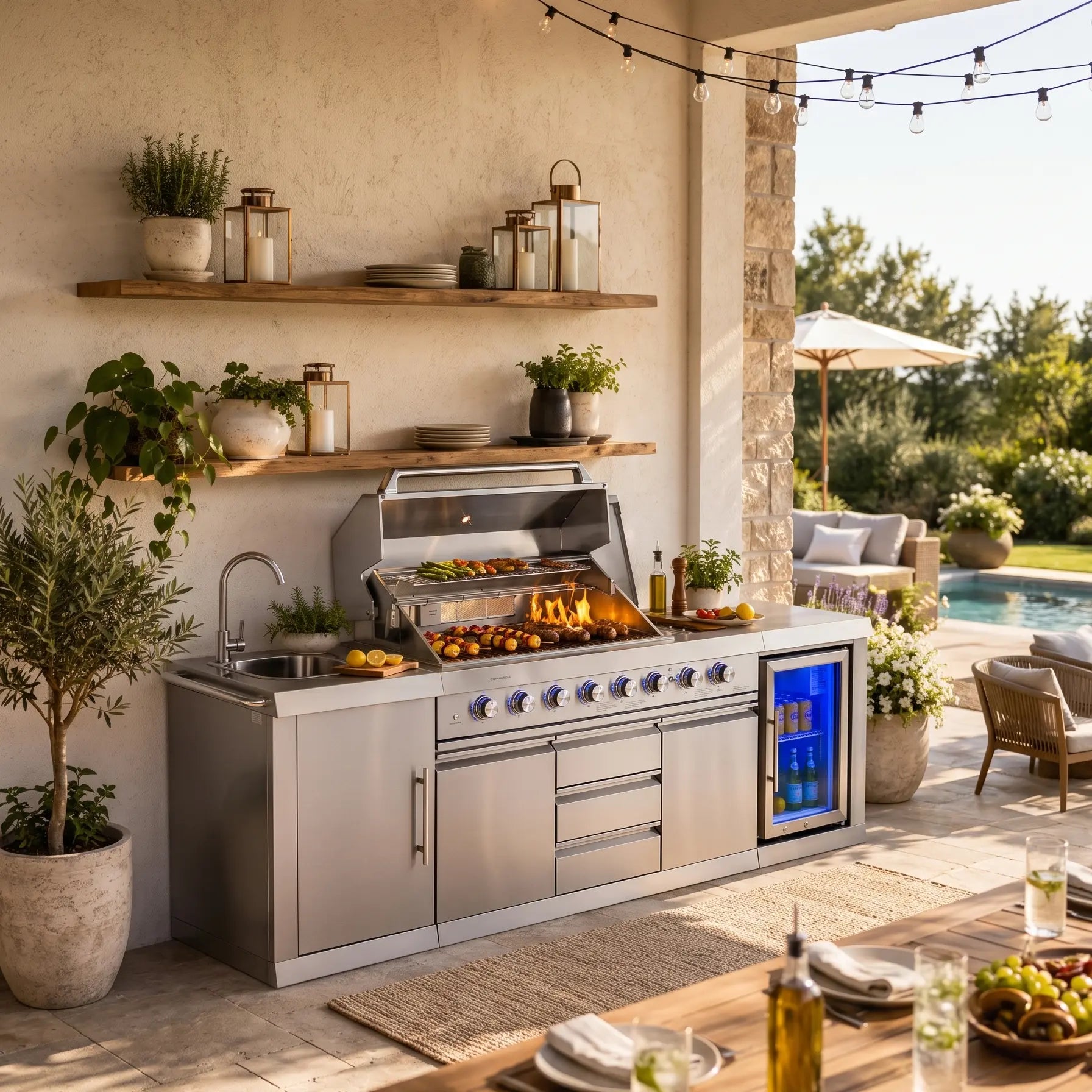
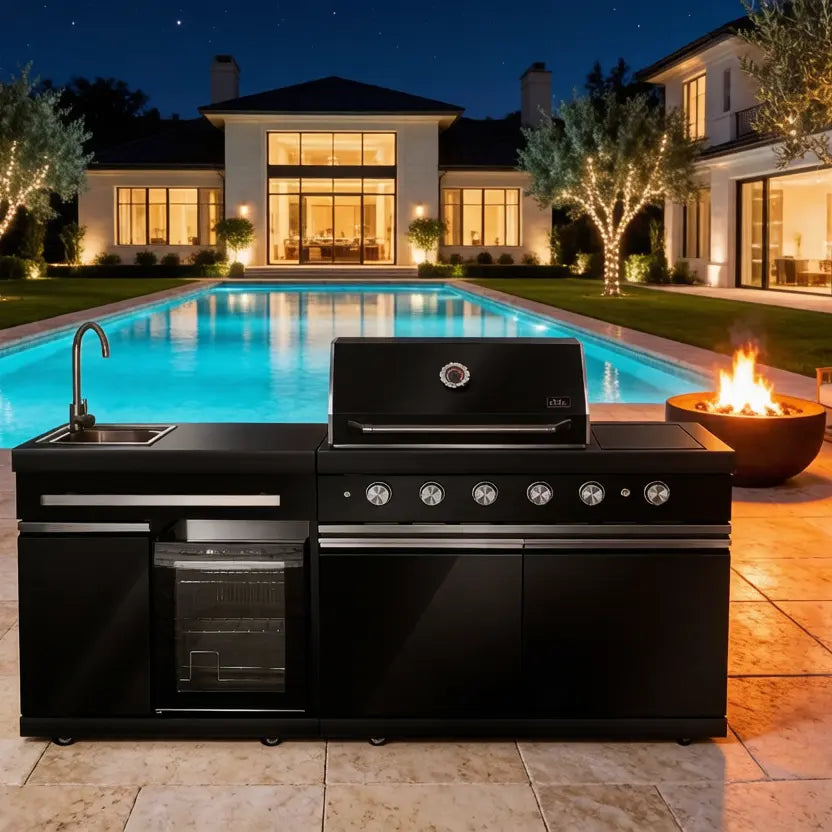
Outdoor cooking keeps expanding as more households invest in premium backyard dining, and high-heat pizza ovens sit at the absolute center of this culinary shift. Traditional indoor kitchen ovens max out around 500°F, which fails to create the intense top heat and conductive stone-floor blistering required for authentic, pizzeria-quality crusts.
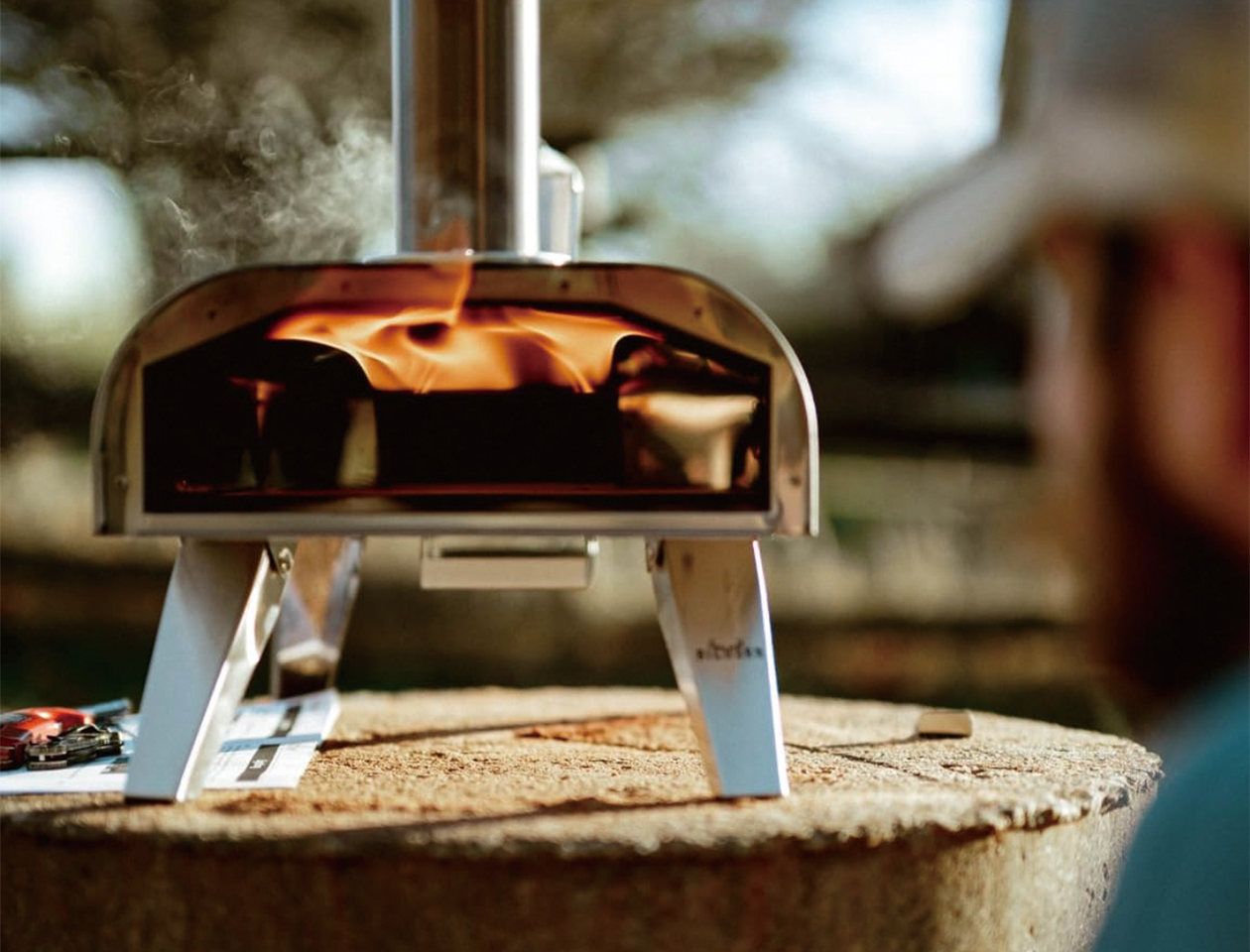
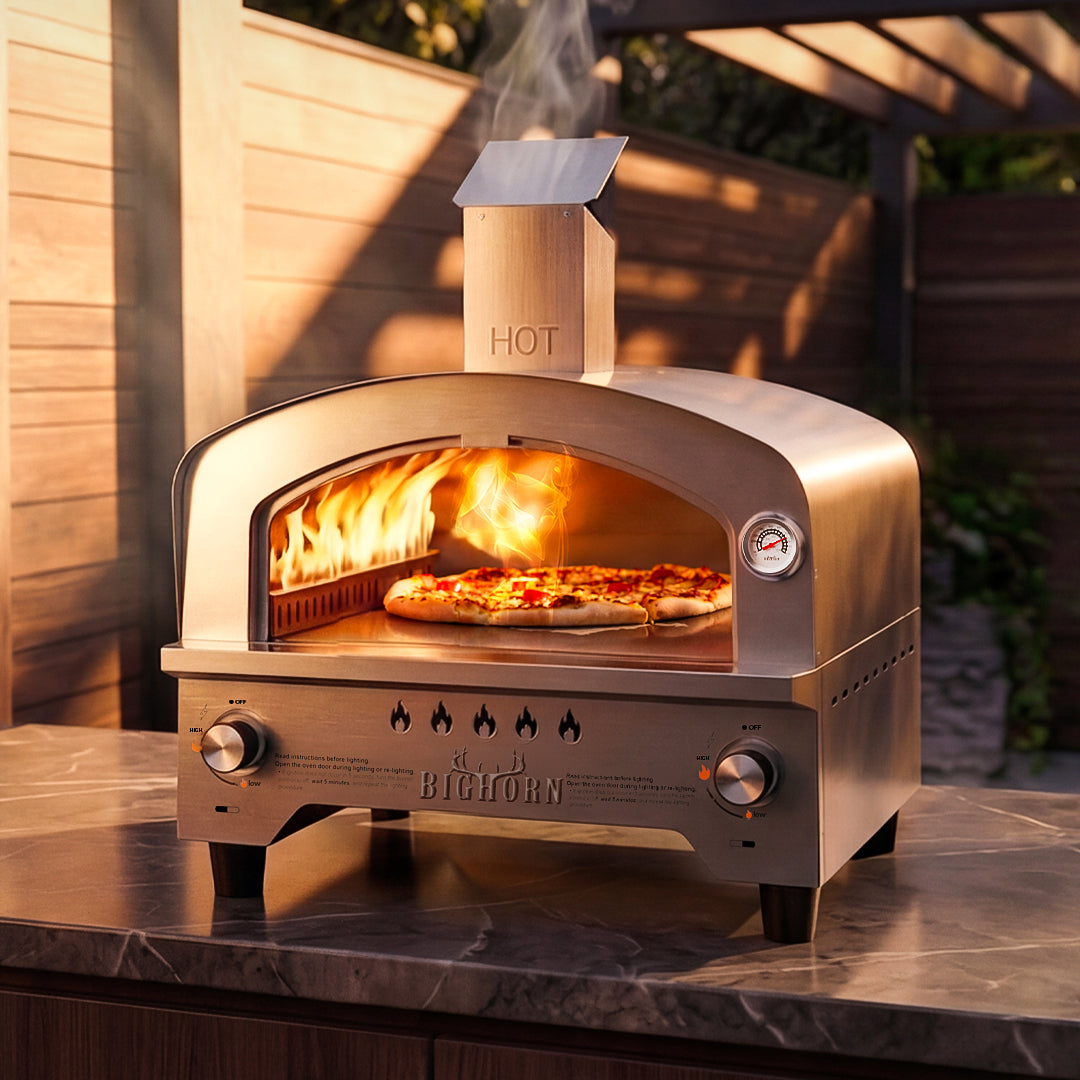
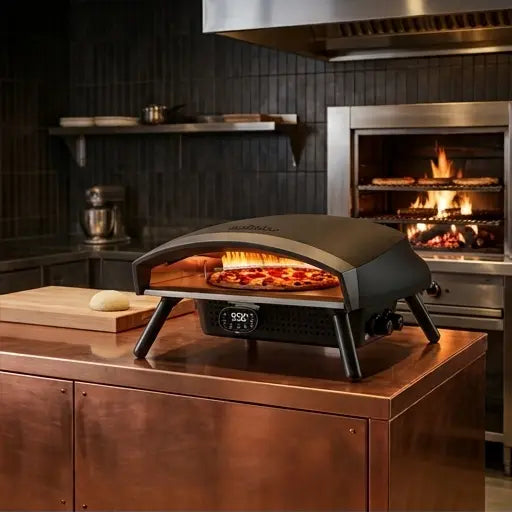
While traditional wood-fired cooking carries a classic rustic romance, it demands steep fire-management learning curves, constant fuel handling, and tedious ash cleanup. Big Horn Outdoors gas-fired models eliminate this operational friction by introducing push-button ignition and precise, adjustable temperature dials. These heavy-duty, outdoor-ready appliances effortlessly reach scorching temperatures between 750°F and over 900°F in just minutes, allowing home chefs to bake a flawless, stone-fired pizza in 60 to 90 seconds flat.
For modern home entertainers, this category isn't just about baking dough; it is about making luxury backyard entertaining repeatable, predictable, and highly efficient for busy weeknights and massive weekend gatherings alike.
Key Performance Features of Big Horn Outdoors Engineering
When building a dedicated backyard cooking station, Big Horn Outdoors focuses on structural durability and thermal efficiency. Evaluating these core engineering metrics shows why purpose-built gas gear outperforms standard outdoor workarounds:
-
Maximum Temperature & Heat-Up Speed: Big Horn Outdoors appliances are engineered to hit extreme cooking temperatures rapidly. Rapid preheating ensures the heavy-duty cordierite cooking stone absorbs enough thermal energy to instantly crisp the bottom of the dough, sealing the crust and preventing a soggy center.
-
Precision Temperature Control: The integration of responsive gas control knobs allows users to dial in exact flame heights. This stable, predictable heat source means beginners can achieve repeatable, professional results without mastering complex fire-building skills.
-
Outdoor-Friendly Design and Materials: Built with high-grade stainless steel components, these units are specifically designed to resist rust, moisture, and seasonal weather damage. High-density structural insulation locks in internal heat, improves fuel efficiency, and keeps outer shell surfaces more stable during high-heat operations.
-
The Integrated Product Ecosystem: Unlike brands that sell isolated appliances, Big Horn Outdoors designs complete backyard setups. Their signature pizza oven configurations are engineered to pair seamlessly with custom mobile outdoor tables, heavy-duty carts, and broader outdoor kitchen essentials.
📊 Structural Layout: Big Horn Outdoors Core Configurations
| Configuration & Product Class | Core Features & Specifications | Spatial Optimization | Ideal Target Audience |
| Standalone High-Heat Gas Pizza Oven | Heavy-duty stainless steel body; premium high-temp stone floor; responsive rear-burner assembly. | Compact footprint; easily fits on existing heat-safe patio counter space. | Home cooks looking for an efficient, powerful, and dedicated high-heat pizza appliance. |
| Pizza Oven & Outdoor Table Bundle | Integrated system combining the high-heat oven with a custom-fit mobile backyard cooking table. | Multi-tier vertical storage; dedicated propane tank security zone. | Backyard hosts who want a self-contained, fully mobile preparation and cooking station. |
| Modular Patio Grill Carts & Islands | Heavy-gauge steel frames; heavy-duty locking casters; side tool hooks and expansive prep surfaces. | Expandable workspace matching broader outdoor appliances. | Homeowners building a comprehensive, coordinated exterior kitchen layout. |
The Value of an Integrated Cooking Station
A major bottleneck for home pizza makers is workspace organization. A high-temperature oven requires dedicated room for prep dough, turning tools, and fuel management. Big Horn Outdoors addresses this structural bottleneck by focusing on a complete backyard cooking ecosystem rather than a one-off appliance.
Their signature Pizza Oven and Table Bundle bridges the gap between raw heat and practical workspace. The engineered outdoor pizza table provides a rock-solid, non-combustible foundation for the oven while incorporating specialized lower shelves to securely house a standard propane tank.
Integrated side hooks keep your launching peels, turning tools, and cleaning brushes organized and off the ground. This layout transforms an isolated appliance into a comprehensive outdoor kitchen centerpiece, making patio organization incredibly logical for homeowners building a coordinated, professional-grade exterior cooking zone.
Step-by-Step Operational Blueprint for Flawless Pies
-
Ecosystem Placement: Position your Big Horn Outdoors oven on its dedicated mobile cooking table or a stable, non-combustible surface like stainless steel, stone, or metal. Ensure substantial ventilation clearance away from wooden deck railings, overhead awnings, or low-hanging branches.
-
Gas Line Verification: Securely connect your propane tank or fuel line to the rear assembly. Conduct a quick safety check by applying a light film of soapy water to the connection valves; any active bubbling signals a micro-leak that must be tightened before ignition.
-
The Saturation Preheat: Turn the ignition dial to high and let the unit preheat for a full 20 minutes. This is critical: the ambient air temperature inside the insulated dome rises quickly, but your thick cordierite cooking stone requires a full 20 minutes to saturate completely with deep thermal energy.
-
Ingredient Moderation: While the stone charges, stretch your dough and assemble your ingredients. The most common beginner mistake is overloading a pizza with excessive wet sauce and heavy toppings. In an environment that cooks food in 90 seconds, heavy toppings trap moisture, leading to a soggy center and making the raw pie impossible to launch cleanly from the peel.
-
The Launch and Rotation: Dust your launching peel with a light coating of semolina flour or coarse cornmeal. Slide the pie smoothly onto the center of the white-hot stone. Wait 20 to 30 seconds for the structural base of the dough to firmly set, then use a circular turning peel to provide a quarter-turn every 15 seconds to ensure an even, uniform bake across the entire crust.
-
The Thermal Cleanup: Once the pizza is pulled, don’t turn off the gas immediately. Leave the burners on high for an extra 15 minutes. This functions as a natural self-cleaning pyrolytic cycle, reducing any dripped cheese, residual flour, or spilled sauce into fine ash that can be easily brushed away once the stone cools completely.
Solving Common Cooking Pitfalls
Fixing Uneven Cooking & Soggy Bottoms
If your toppings are charred crisp but the base dough remains pale and undercooked, your stone floor failed to reach full saturation temperature. Always extend your preheat time to at least 20 minutes, regardless of what the ambient air thermometer reads. If your pizza is cooking unevenly side-to-side, remember that the zone nearest to the internal gas burner is always the hottest. Frequent, calculated rotations with a turning peel are mandatory for uniform heat distribution.
Taming Fluctuating Temperatures
High winds can easily disrupt an open-throated patio oven, causing the internal flame to waver or dive in temperature. Always position your cooking station in a sheltered area protected from direct crosswinds. Additionally, check your fuel pressure: low propane tanks cause rapid drops in gas delivery line pressure, leading to a weak, inconsistent flame pattern.
Protecting Your Pizza Stone from Cracking
Pizza stones are highly sensitive to thermal shock—sudden, extreme shifts in temperature. Never place a cold stone directly into a preheated oven, and never clean a hot stone with cold water. Allow the stone to slowly cool down naturally inside the insulated dome of the oven overnight. Never submerge your stone in soapy water; its porous structure will trap the chemical moisture, destroying the stone's integrity and causing it to violently fracture during your next high-heat bake.
Frequently Asked Questions
Can I cook other foods besides pizza in my Big Horn Outdoors gas oven?
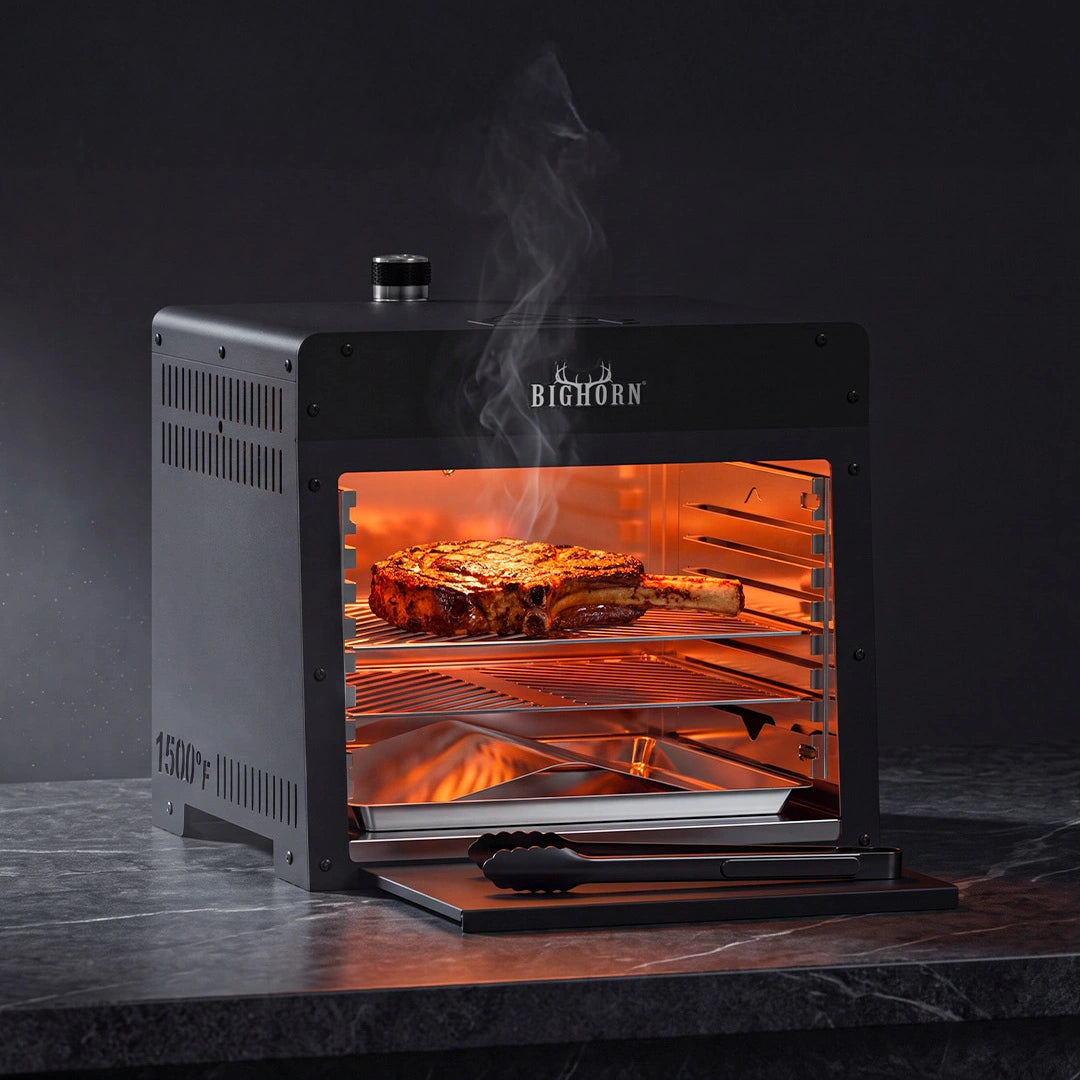
Absolutely. A Big Horn Outdoors pizza oven functions as an ultra-high-temperature convection station. It is spectacular for flash-searing premium steaks, blistering seasonal vegetables (like broccoli, peppers, and asparagus), charring chicken wings, or baking artisanal flatbreads that require immediate, intense ambient heat.
Do I really need to preheat the oven for a full 20 minutes every time?
Yes. Preheating is the absolute foundation of a great crust. The internal air heats up fast, but the thick cordierite stone takes longer to absorb and store thermal energy. Launching dough onto a partially heated stone results in an undercooked, soggy base. A full preheat guarantees that signature crispy texture.
Is it safe to use a gas pizza oven on a wooden deck?
You can safely use your oven on a wooden deck as long as you take proper precautions. Never place the oven directly on a wooden surface. Always mount the unit on a sturdy, stable table made of non-combustible materials like metal or stone—such as a dedicated Big Horn Outdoors mobile table. Maintain clear ventilation away from railings, walls, and low awnings.
How should I store my outdoor oven through the changing seasons?
Moisture, freezing temperatures, and debris will degrade burner lines over time. Once the unit is entirely cold and clean, wrap it in a heavy-duty, weatherproof cover. If you experience severe winter conditions, move the portable main body into a dry garage, basement, or storage shed to extend its operating lifespan for years to come.
Conclusion
A Big Horn Outdoors gas pizza oven efficiently eliminates the classic frustrations of backyard cooking: long waiting times, chaotic flame management, and inconsistent crust textures. By combining the push-button simplicity of gas with durable, insulated stainless steel engineering, these systems empower home cooks to replicate professional pizzerias directly on their backyard patios.
By upgrading to a fully integrated ecosystem—pairing high-heat power with a mobile workspace table—you clean up your cooking workflow and transform your patio into a highly functional, coordinated backyard kitchen center built for years of outdoor entertaining.