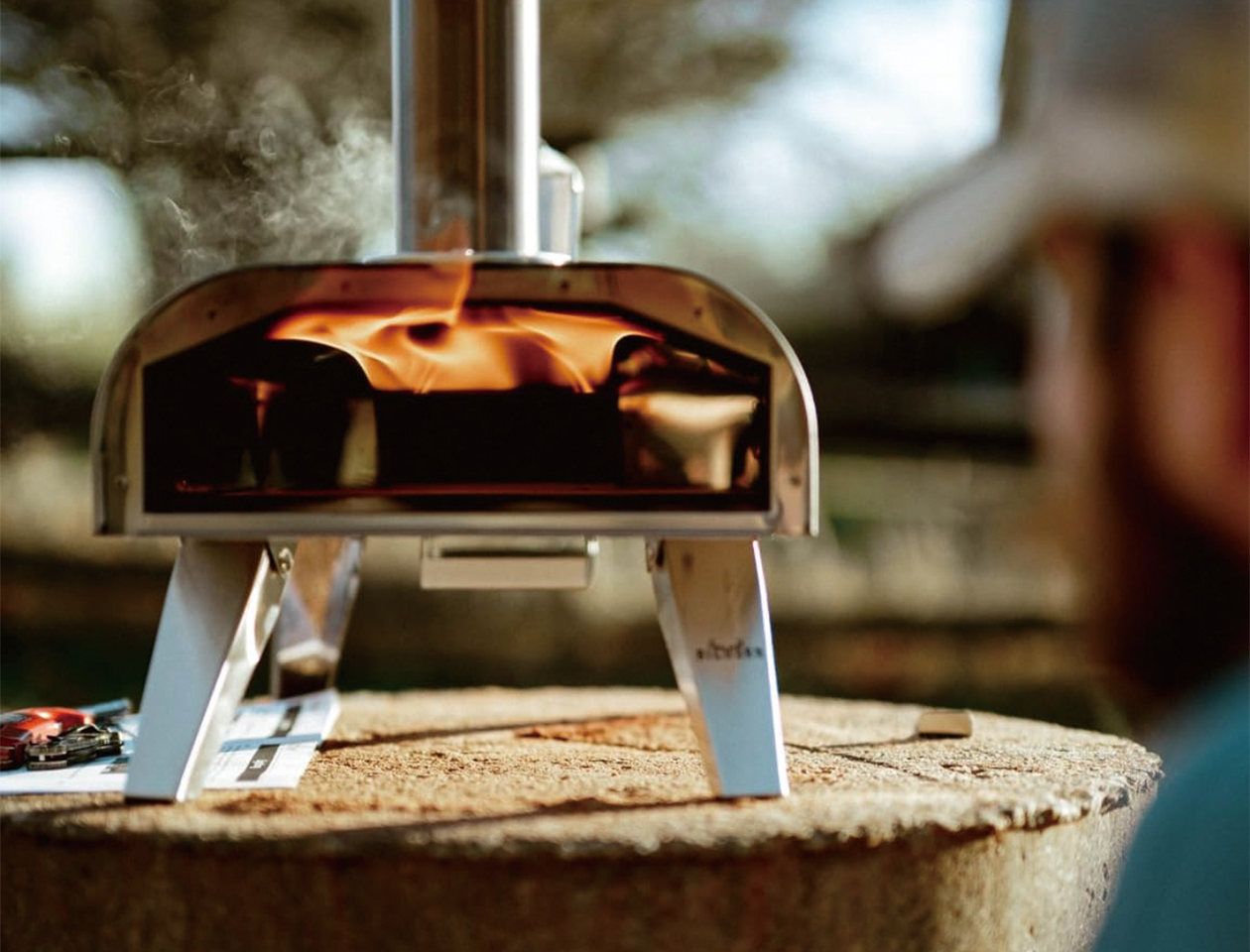
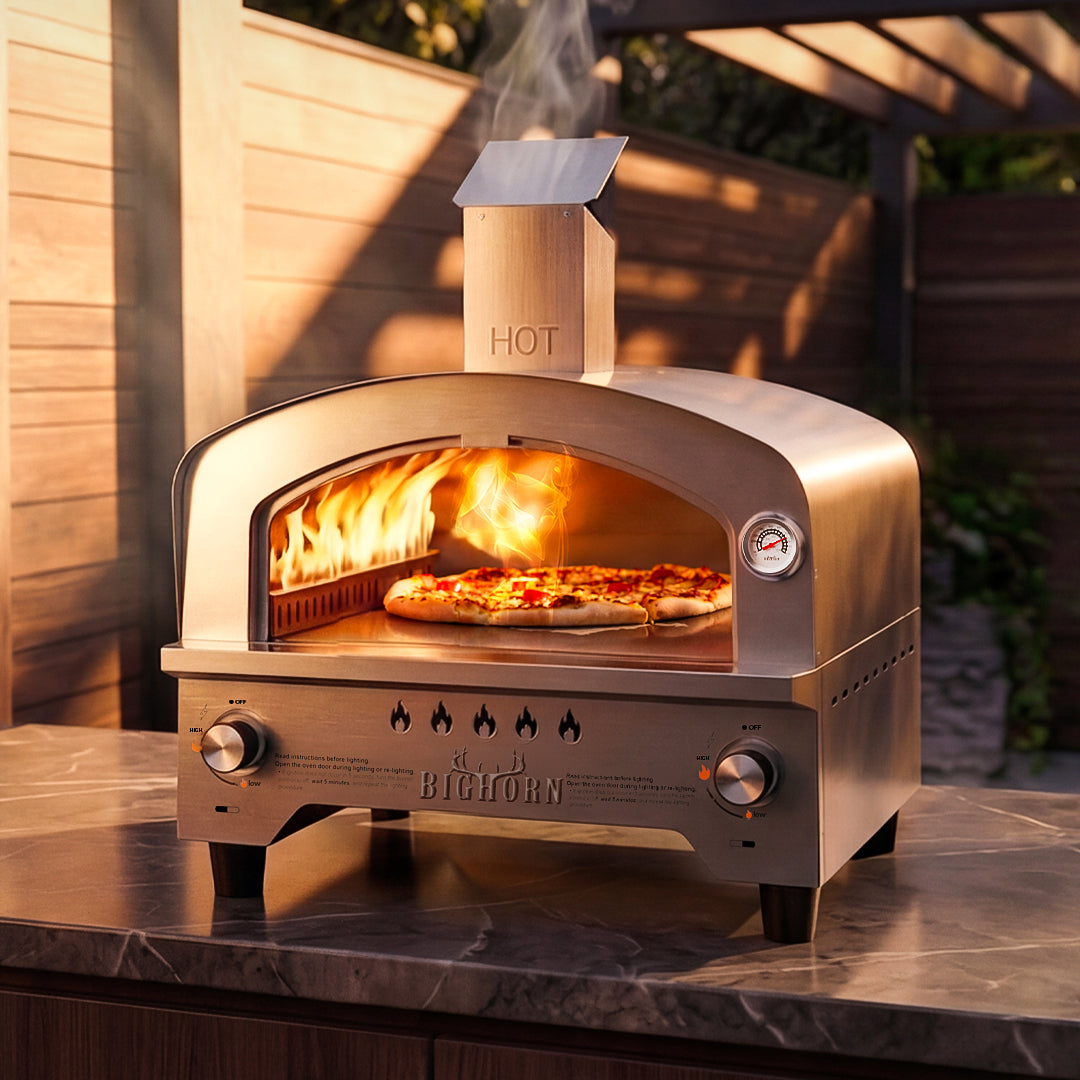
Authentic Neapolitan pizza is built on four rules: a simple dough of flour, water, salt, and yeast; a light, uncooked tomato sauce; fresh mozzarella with minimal toppings; and a very hot, fast bake. The Associazione Verace Pizza Napoletana (AVPN) codifies the style, and the practical result is a thin, soft center with a puffy, char-blistered rim. A Big Horn 12-inch pellet oven reaches about 887 °F (475 °C) after an 18–20 minute preheat, which sits at the top of the heat range the style needs.
What makes a pizza “authentically Neapolitan”?
Authenticity comes from the combination of ingredients, technique, and baking conditions — not from a single signature. The AVPN’s international regulation still sets the reference: a dough made from wheat flour, water, yeast, and salt; San Marzano or San Marzano-style tomatoes; and fior di latte or buffalo mozzarella. The regulation details the criteria the pizza must meet, and its spirit is restraint: fewer, better ingredients cooked at very high heat.
In practice, that means a center that stays soft and folds without tearing, a rim that puffs and chars in spots, and a base that is crisp from the hot stone. Any pizza can be labeled Neapolitan-style, but the style only exists when the dough, sauce, cheese, and bake all follow the tradition.
What dough is traditional?
Traditional dough uses flour, water, salt, and yeast — nothing else — fermented slowly. High-protein “00” flour is the classic choice because it stretches thin while holding structure, and a slow fermentation develops flavor and air in the crumb. The AVPN dictates the hydration and proofing parameters; the point is a dough that is easy to hand-stretch and capable of bubbling in the rim during a 60-to-90-second bake.
Hand-stretching matters as much as the recipe. Pressing the dough from the center outward preserves the gas in the rim, so the crust puffs instead of deflating. Rolling pins flatten the structure and produce a dense, cracker-like base rather than the airy rim that defines the style.
What sauce is traditional?
Crushed San Marzano-style tomatoes with a little salt, left uncooked. The sauce is spread thinly and stays bright; a heavy, cooked-down sauce would overpower the crust and steam the center. Under the intense heat of the oven, uncooked crushed tomatoes cook in under a minute without losing their acidity or freshness.
Keep the sauce light enough that you can see the dough underneath. Neapolitan pizza is not about a thick layer of tomato — it is about a balanced pie where sauce, cheese, and crust each stay distinct.

Which cheese and toppings are allowed?
Fresh mozzarella (fior di latte or buffalo) and a few leaves of basil are the classic pairing. The topping list stays short because the style depends on the crust and the fire rather than on heavy toppings. Too many or too wet toppings weigh down the center, release moisture, and steam the dough before the high heat can crisp it.
If you deviate from tradition, do it consciously. A well-made Neapolitan-style base tolerates a few non-traditional toppings as long as the dough, bake, and balance hold — but the authentic version is defined by what is left off as much as by what is on it.
How hot and fast should it bake?
Authentic Neapolitan pizza bakes at roughly 700–800 °F for 60 to 90 seconds, and an oven that cannot hold that heat cannot produce the style. The Big Horn 12-inch pellet oven’s 887 °F peak covers that window; both the AVPN reference range and the oven’s listed bake time of 60–90 seconds point the same direction. A cooler or slower bake dries the dough, collapses the rim, and produces a pale, cracker-like result instead of a soft, blistered center.
Launch only after the stone is fully heated, rotate once partway through, and pull the pizza when the rim is puffed and spotted with char. The crust is the signal, not the timer.
What texture should the finished crust have?
The target texture is a contrast: a thin, soft, foldable center; a puffy, airy rim; and a crisp base from the stone. The rim should show leopard-spotting — uneven char patches from the intense overhead heat. That combination is what distinguishes Neapolitan pizza from a flatbread or a standard pan-baked pie.
Judge the bake by feel and appearance: the center should sag slightly when lifted, the rim should resist lightly and return, and the base should be set enough to hold the toppings. If the base is pale and chewy, the stone was cold; if the rim is flat, the dough was under-proofed or rolled.
Dough hydration and fermentation, by the numbers
The AVPN’s reference standard sits around 55–65 percent hydration for the finished dough, and the recipe is built to be simple: wheat flour, water, yeast, and salt. In practical terms, a 60% hydration dough is a sweet spot for hand-stretching at home — wet enough to give an airy crumb, dry enough to shape without tearing. The water temperature and dough temperature matter less for home use than the proofing cycle: a 2–4 hour room-temperature rise followed by an overnight cold ferment develops the flavor and structure the style depends on.
Fermentation does more than flavor; it creates the air that fills the rim. Under the high heat of the bake, that trapped gas expands and puffs the cornicione while the center stays thin. If dough rises too little, the rim is dense; if too much, the dough becomes slack and tears on the peel. A digital scale and a thermometer for the stone remove most guesswork from the process.
The equipment that actually matters
Authenticity starts in the oven, not the shopping basket, but a few tools make the technique much easier:
- A peel and a turning peel: the first launches the pizza, the second rotates it mid-bake when the base is done before the rim.
- An infrared thermometer: the single most reliable way to confirm the stone has reached baking temperature instead of trusting a preheat timer.
- “00” flour and a digital scale: repeatability beats intuition when you are learning the dough.
- A peel you can shake: a well-floured peel that the pizza slides on saves the bake before it starts.
- An oven that holds 800+ °F: a pellet oven like the Big Horn 12-inch reaches 887 °F, which puts you in the right window.
You do not need any of this at restaurant grade; you need the tools that remove the two least reliable variables at home: stone temperature and dough handling.
Authentic Neapolitan pizza rules at a glance
| Element | Rule |
|---|---|
| Dough | Flour, water, salt, yeast; slow-fermented |
| Sauce | Crushed San Marzano-style tomatoes, lightly salted, uncooked |
| Cheese | Fresh mozzarella; minimal toppings |
| Bake | ~700–800°F for 60–90 seconds |
| Result | Soft foldable center, puffy charred rim, crisp base |
Common “rules” mistakes to avoid
The most frequent mistakes move the pizza away from the style: over-topping the center, using a cooked heavy sauce, and baking too cool. Each one breaks the balance the tradition depends on. A cold stone is the most common equipment mistake — it cannot crisp the base even if the air temperature is right, so full preheat is non-negotiable.
Wet or over-hydrated dough is the other failure point. It tears on the peel and steams in the oven. Use enough flour on the peel, build the pizza quickly, and launch with a confident motion so nothing sticks.
Neapolitan pizza rules FAQs
What dough is traditional?
A simple flour, water, salt, and yeast dough, slowly fermented, preferably with “00” flour. Hand-stretch it to preserve the air in the rim.
Can I use regular mozzarella?
Fresh mozzarella is traditional; shredded, low-moisture mozzarella melts differently and produces a greasier, heavier result. Use fresh if you want the authentic texture.
Does the sauce need to be cooked?
No. Crushed San Marzano-style tomatoes with a little salt, spread thinly, cook perfectly in the high-heat bake.
How do I know the stone is hot enough?
Can I use regular flour instead of “00”?
Yes, but expect a denser result. A strong bread flour stretches reasonably well; “00” is softer and more extensible, which makes the thin center and puffy rim easier to achieve. If you only have bread flour, raise the hydration slightly and accept a less delicate crumb.
How long should the dough ferment?
The reference style relies on cool, long fermentation — aim for 8–24 hours total, with a bulk rise and a cold retarded ball stage. Longer ferment builds flavor and a stronger, more extensible dough that holds up to high heat.
Preheat fully — about 18–20 minutes on the 12-inch pellet oven — and use an infrared thermometer on the stone surface if you have one. Launch only when the deck holds baking temperature.
If you are ready to bake the authentic style, start from the 12-inch Big Horn pellet pizza oven product page to confirm the current specs, and review the AVPN regulation as the reference standard for the tradition.