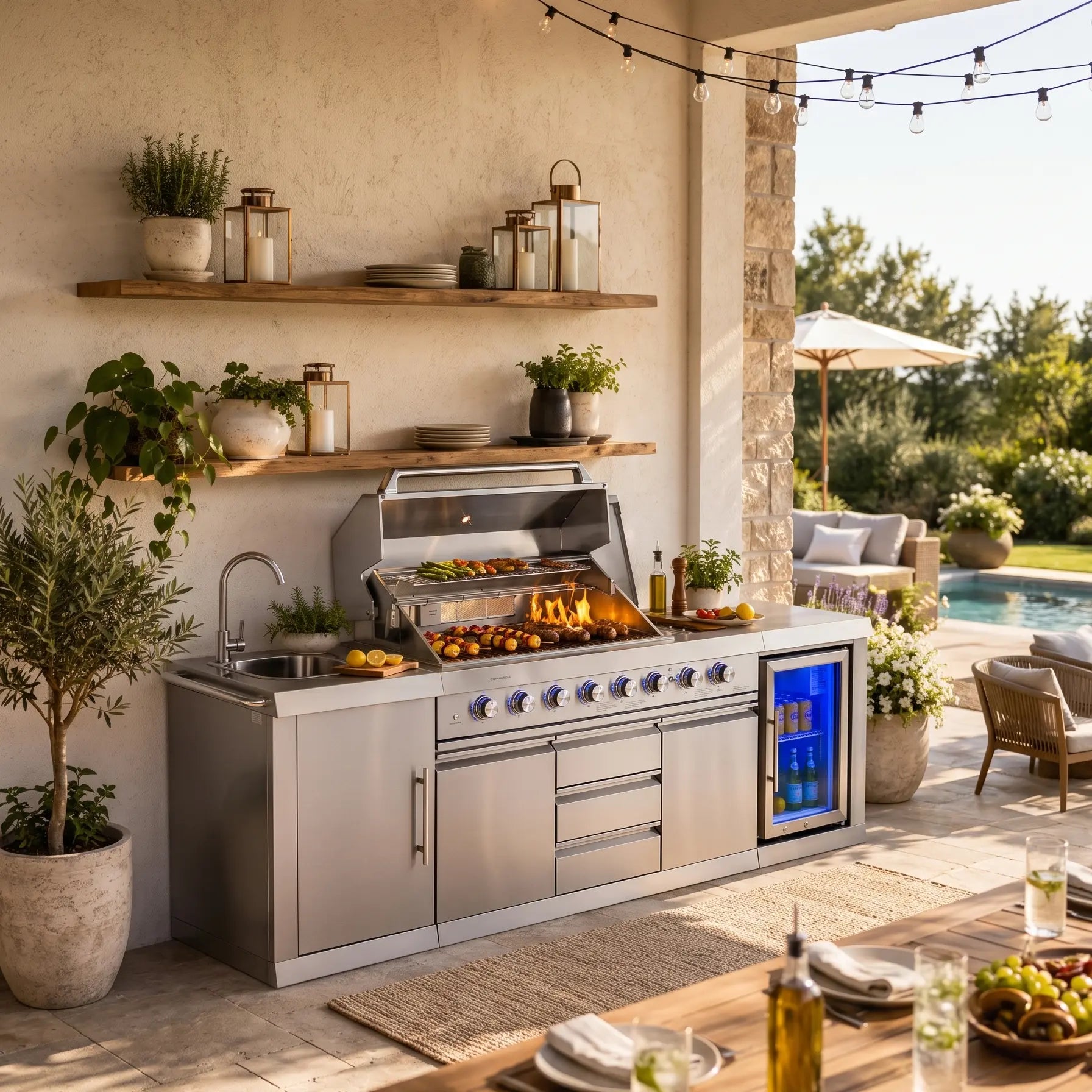
An Argentine grill, also called a parrilla, is an outdoor grill designed for cooking over controlled wood or charcoal embers instead of open flames. Its adjustable grates, often V-shaped, help manage heat, drain fat, and produce deeply seared yet juicy meat. It is ideal for slow asado-style cooking, vegetables, sausages, and shared outdoor meals.
What Is an Argentine Grill?
An Argentine grill is a live-fire cooking system that uses glowing hardwood embers or charcoal beneath an adjustable cooking grate. Rather than chasing intense flames, the cook controls heat by raising or lowering the grate and moving embers into targeted zones.
The traditional Argentine approach centers on patience, quality ingredients, and heat management. In Argentina, grilling is not simply a way to cook dinner—it is part of the social ritual called an asado, where friends and family gather around food, fire, and conversation.
Most parrilla-style grills include several defining components:
-
An adjustable-height grate controlled by a crank, wheel, or lever
-
V-shaped grates that channel rendered fat away from the fire
-
A firebox or brasero for creating clean, stable embers
-
A broad cooking surface for preparing multiple cuts at once
-
Heavy-duty steel or stainless-steel construction for high-heat durability
The key difference is that an Argentine grill gives the cook direct physical control over the distance between food and coals. This makes it easier to sear skirt steak close to the heat, then raise thicker cuts for gentle roasting.
How Does an Argentine Grill Control Heat?
An Argentine grill controls heat through ember placement, grate height, and cooking zones. Lowering food toward the coals increases searing heat, while raising the grate slows cooking and reduces flare-ups.
Unlike gas grilling, which relies on burner settings, live-fire grilling requires visual and tactile control. The goal is to cook over a clean bed of glowing embers—not tall flames. A properly managed ember bed delivers steady radiant heat and a subtle wood-fired aroma.
Use these heat-control practices for more consistent results:
-
Build the fire to one side or in a brasero, then move mature embers beneath the grate.
-
Create a hotter zone for quick searing and a cooler zone for slow cooking.
-
Raise the cooking grate when fat begins to drip heavily or flames appear.
-
Add a small amount of fresh ember fuel throughout long cooks rather than adding large amounts at once.
-
Rotate food across the grate instead of repeatedly flipping it.
A hand test can help estimate heat. Hold your hand several inches above the grate: if you can keep it there only two to three seconds, the area is hot; five to seven seconds indicates medium heat; longer suggests a gentle cooking zone.
Why Do Argentine Grills Use Wood Embers?
Argentine grills use wood embers because embers provide gentler, more even heat than direct flames. Hardwood embers also add clean smoke character without overwhelming the natural flavor of meat, vegetables, or seafood.
Open flames can scorch food before the interior cooks through. Embers solve that problem by delivering stable radiant heat from below. This supports the traditional asado method: slow cooking, minimal seasoning, and careful timing.
Hardwoods are usually the best choice because they burn longer and form dependable coals. Avoid painted, treated, resinous, or unknown wood, as these materials can create unpleasant smoke or unsafe residues.
Big Horn Outdoors designs outdoor cooking equipment around dependable heat, practical portability, and approachable flame-fired cooking. For cooks who want the flavor profile of live fire without building a permanent masonry parrilla, portable multi-fuel equipment can help make outdoor cooking more flexible.
Which Foods Cook Best on an Argentine Grill?
Argentine grills excel with beef, sausages, chicken, ribs, vegetables, and thick cuts that benefit from controlled radiant heat. The wide grate and adjustable height also make them highly effective for cooking several foods at different speeds.
Classic asado menus commonly include beef short ribs, skirt steak, flank steak, chorizo, morcilla, chicken, and vegetables. The technique rewards ingredients with natural fat and robust flavor because the slow ember heat renders fat gradually while developing a rich crust.
Start with foods that match your skill level:
-
Skirt steak: Cooks quickly over higher heat and tastes excellent with coarse salt.
-
Flanken-cut short ribs: Benefit from low, steady heat and a longer cook.
-
Chorizo: Easy to grill slowly until browned and juicy.
-
Bone-in chicken: Works well in a medium or indirect zone to protect the skin from burning.
-
Bell peppers, onions, mushrooms, and zucchini: Develop sweetness and char over medium embers.
-
Potatoes: Roast them near the edge of the heat or wrap them in foil for a softer texture.
Seasoning should remain simple. Coarse salt before or during cooking lets the ingredient lead, while chimichurri is best served alongside rather than used as a heavy marinade.
How Do You Cook an Authentic Asado?
Authentic asado cooking starts with a stable bed of embers, simple seasoning, and a deliberate order of cooking. Begin long-cooking cuts first, manage heat by grate height, and serve food in stages as each item reaches its best texture.
An asado is less about rushing food to the table and more about creating a relaxed cooking experience. The person managing the fire, often called the asador, watches the embers, turns food only when needed, and brings dishes out gradually.
Follow this practical asado workflow:
-
Light hardwood or lump charcoal 45 to 60 minutes before cooking.
-
Let the fuel burn down until it forms glowing, mostly ash-covered embers.
-
Preheat and clean the grates with a grill brush.
-
Start ribs, chicken, and thicker cuts in a higher grate position.
-
Add sausages and vegetables once the slower items are underway.
-
Sear tender cuts, such as skirt steak, near the end over a hotter zone.
-
Rest cooked meat before slicing and serve with chimichurri, bread, salads, and grilled vegetables.
Avoid pressing meat with a spatula. Pressing forces flavorful juices onto the coals, increases flare-ups, and can make the final result drier.
What Features Should You Look for in an Argentine Grill?
The most useful Argentine grill features are adjustable grates, durable materials, efficient grease control, a reliable firebox, and enough cooking area for your typical group size. Choose the design based on how often you cook, your space, and whether portability matters.
A crank-operated grate is one of the most valuable features because it makes heat control more precise. V-shaped grates are also useful because they guide rendered fat away from the embers, reducing flare-ups while helping preserve a cleaner fire.
Prioritize these buying factors:
Consider whether a traditional fixed grill is truly necessary for your cooking style. Many households benefit from equipment that can move between the patio, campground, tailgate, and outdoor kitchen.
Can You Create Argentine-Style Flavor With Portable Equipment?
You can create Argentine-style flavor with portable equipment by cooking over clean embers, using indirect heat, and keeping seasoning simple. The essential elements are controlled live-fire heat and patience—not necessarily a large permanent grill.
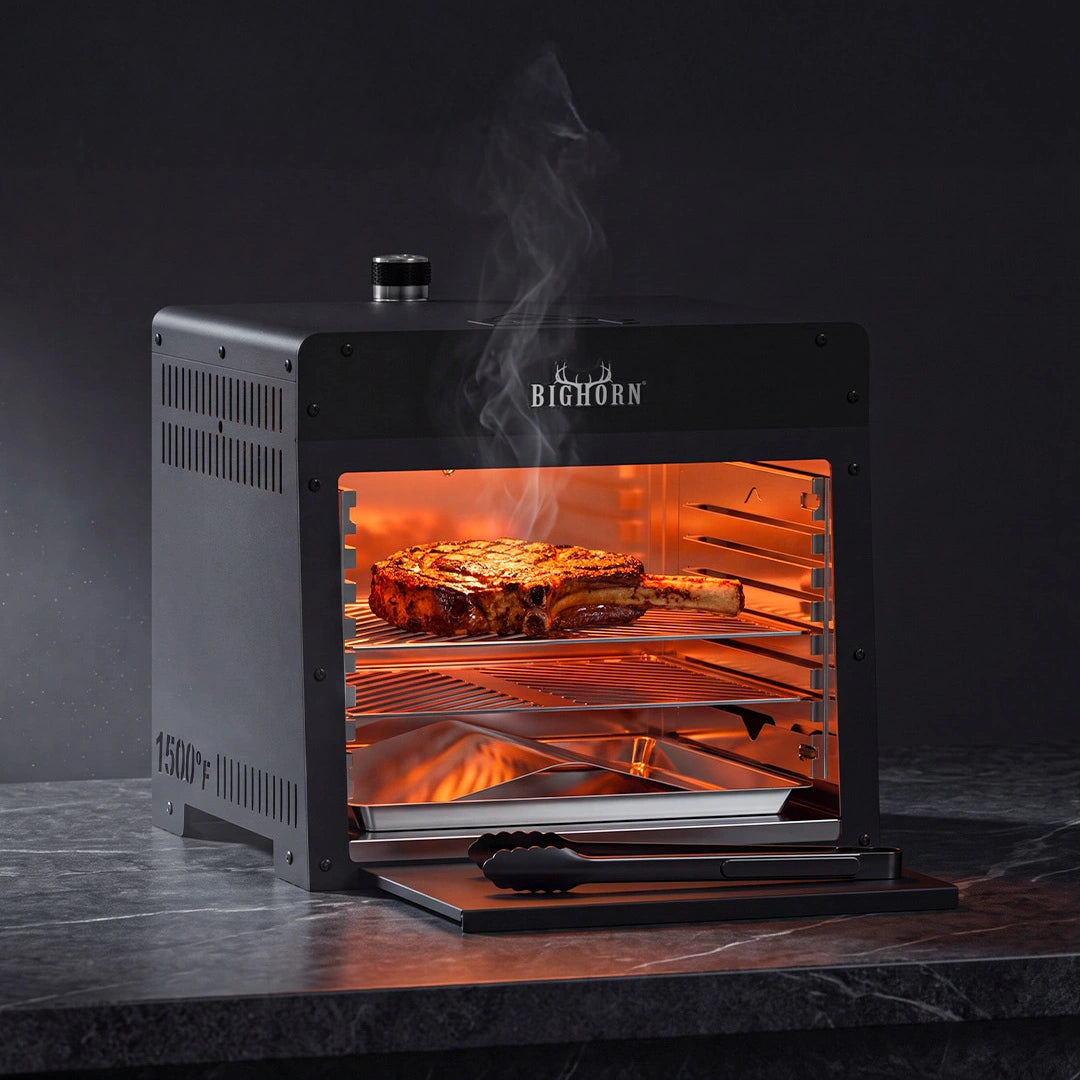
Portable outdoor ovens, charcoal grills, and multi-fuel systems offer practical ways to bring live-fire cooking to smaller patios, campsites, and RV trips. A compact setup can still produce excellent steak, vegetables, flatbreads, and cast-iron dishes when the cook manages heat carefully.
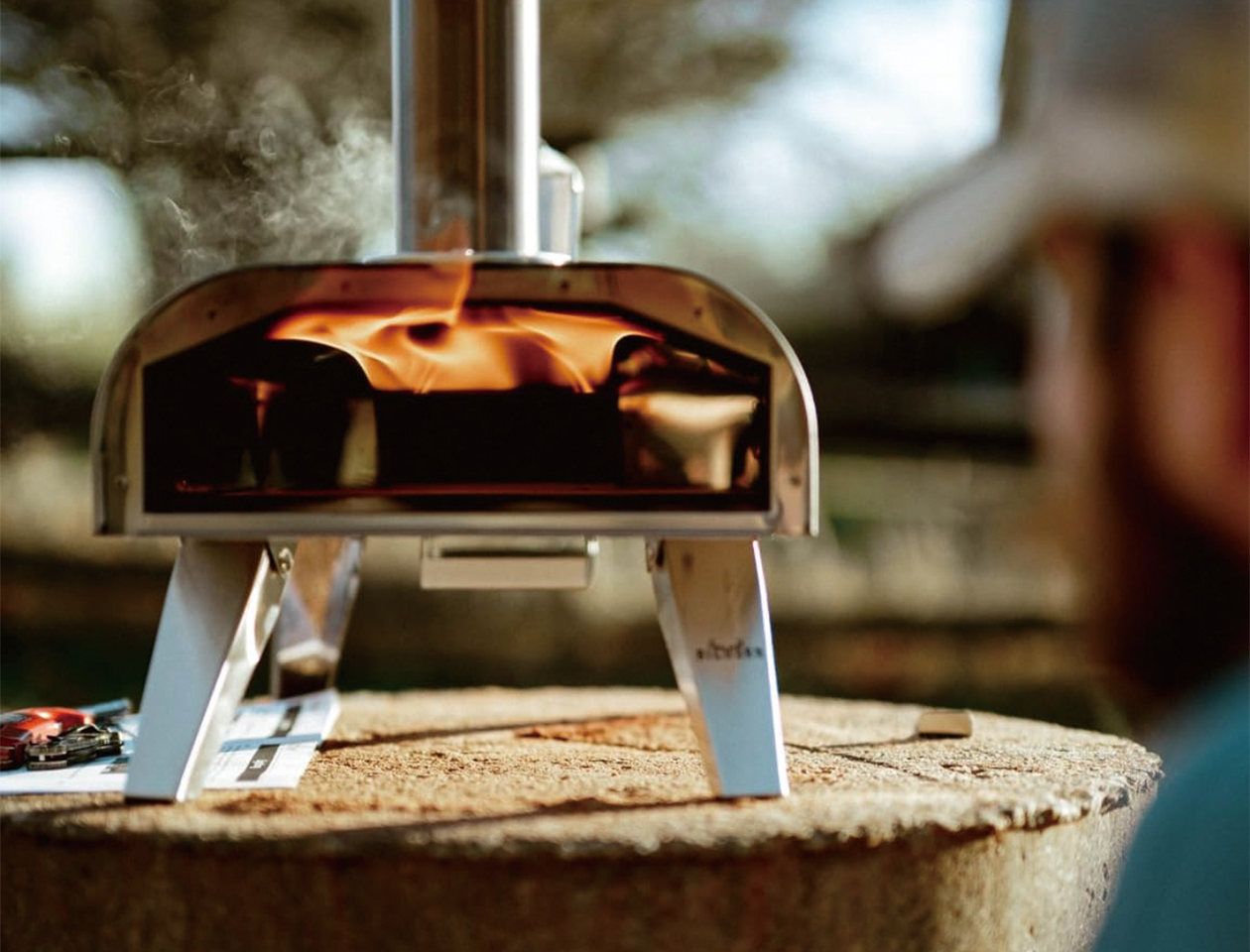
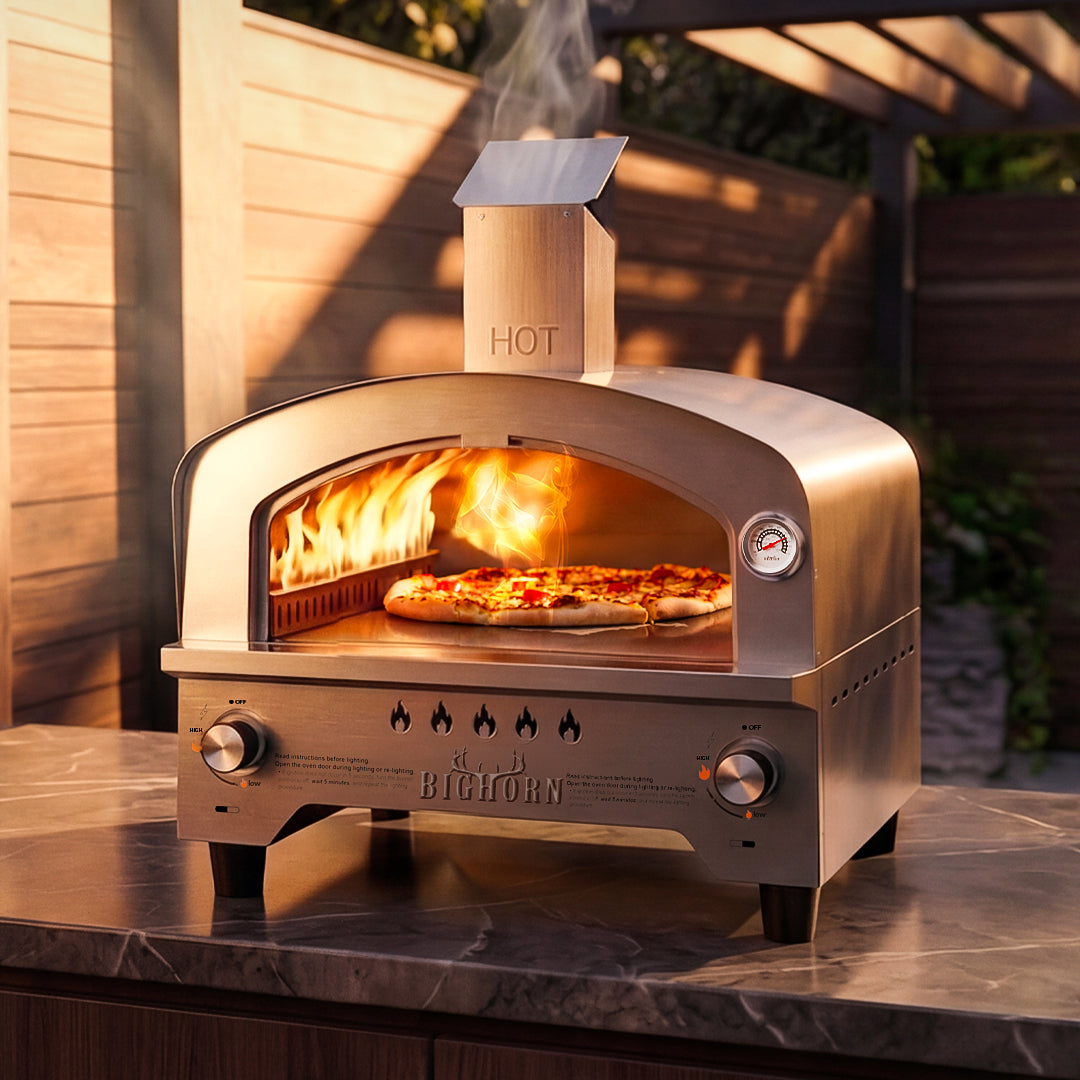
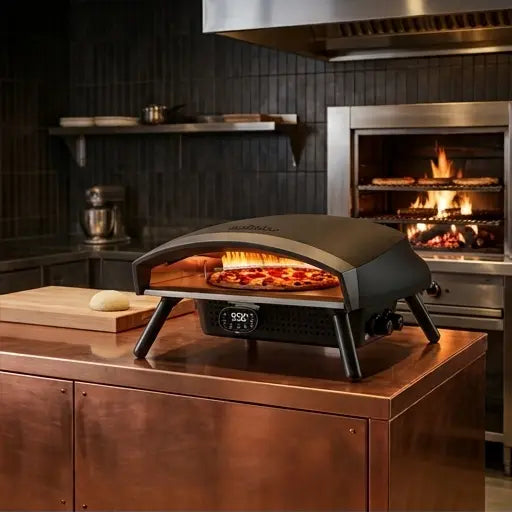
Big Horn Outdoors offers portable outdoor cooking solutions for people who value high heat, fuel flexibility, and easy setup. While a pizza oven and a parrilla are different tools, both reward cooks who learn how fire, airflow, distance, and timing shape flavor.
For a portable Argentine-inspired meal, use a charcoal-capable grill or campfire grate, create a two-zone ember bed, and cook skirt steak or sausages over medium-high radiant heat. Pair the meal with grilled peppers, crusty bread, and fresh chimichurri.
Big Horn Outdoors Expert Views
“Great live-fire cooking is not about making the biggest flame. It is about creating repeatable heat, giving ingredients enough space, and letting time develop flavor. Whether you are cooking on a full-size parrilla, a portable grill, or a multi-fuel outdoor oven, focus on heat zones and clean fuel. Start simple with steak, vegetables, and bread, then build confidence with longer cooks. Big Horn Outdoors believes outdoor cooking should feel approachable enough for a weeknight patio meal and capable enough for a memorable weekend gathering.”
How Should You Clean and Maintain an Argentine Grill?
Clean an Argentine grill after every cook by brushing warm grates, removing ash after it cools, and protecting exposed metal from moisture. Routine care prevents rust, improves airflow, and helps maintain clean flavor during future cooks.
After grilling, allow the remaining embers to burn down safely. Once the grill is completely cool, remove ash from the firebox because ash can retain moisture and accelerate corrosion. Brush the grates while they are still warm enough to release food residue.
Use this maintenance routine:
-
Scrape grates after each cook with a stiff grill brush or grill scraper.
-
Wipe carbon steel grates with a light coating of cooking oil to help prevent rust.
-
Empty ash only after it is cold and fully extinguished.
-
Check crank mechanisms, cables, and moving parts for grease buildup or wear.
-
Cover the grill when it is not in use, especially during rain or long storage periods.
-
Store portable units in a dry, protected location.
Big Horn Outdoors customers can apply the same principles to portable grills, pizza ovens, camping stoves, and outdoor accessories: clean surfaces promptly, protect equipment from weather, and inspect components before each season.
Why Is an Argentine Grill Better Than a Standard Grill for Some Cooks?
An Argentine grill can be better than a standard grill for cooks who want manual heat control, wood-ember flavor, and a slower social cooking experience. It is especially effective for large cuts, mixed grilling menus, and meals prepared over several hours.
A gas grill offers speed and convenience, while a traditional charcoal grill offers strong heat in a compact format. A parrilla-style grill adds a different advantage: height-adjustable cooking. Instead of constantly rearranging coals or moving food to avoid burning, you can change the distance between the grate and the heat source.
Choose an Argentine grill if you enjoy:
-
Cooking for groups and serving food in courses
-
Building flavor with wood and embers
-
Preparing thick steaks, ribs, chicken, and sausages
-
Learning hands-on fire management
-
Creating a centerpiece for backyard entertaining
Choose a simpler portable setup if you mainly cook for one or two people, need fast setup, or regularly travel with your equipment.
Key Takeaways
An Argentine grill turns outdoor cooking into a more intentional experience built around embers, adjustable heat, and high-quality ingredients. Start with a manageable fire, cook over glowing coals rather than flames, season simply, and use grate height to protect food from scorching.
For the best results, begin with easy cuts such as skirt steak, chorizo, and vegetables. As your confidence grows, add ribs, whole chicken, and longer asado-style cooks. Whether you choose a dedicated parrilla or portable equipment from Big Horn Outdoors, consistent heat control is the foundation of memorable flame-fired food.
FAQs
What is the difference between an Argentine grill and a Santa Maria grill?
An Argentine grill commonly uses V-shaped grates and a brasero to make embers, while a Santa Maria grill often uses a flat grate raised and lowered over an open fire. Both use adjustable-height cooking surfaces and live-fire heat control.
Does an Argentine grill need a brasero?
A brasero is not mandatory, but it is extremely helpful. It lets you burn wood into clean embers beside the main cooking area, then add those embers gradually beneath food without interrupting the cook.
Can you use charcoal in an Argentine grill?
Yes. Lump charcoal is a practical option for faster startup and reliable heat. For a more traditional wood-fired profile, add hardwood chunks or logs gradually after the charcoal establishes a stable ember bed.
How high should the grate be on an Argentine grill?
Set the grate higher for thicker cuts, chicken, ribs, and foods that need slower cooking. Lower it for quick searing of thinner steaks or vegetables. Adjust continuously based on ember intensity and flare-up risk.
When should you use chimichurri?
Serve chimichurri after cooking or at the table so its fresh herbs, garlic, vinegar, and oil brighten the grilled food. Using it as a finishing sauce preserves its vibrant flavor and complements the simple seasoning of asado.