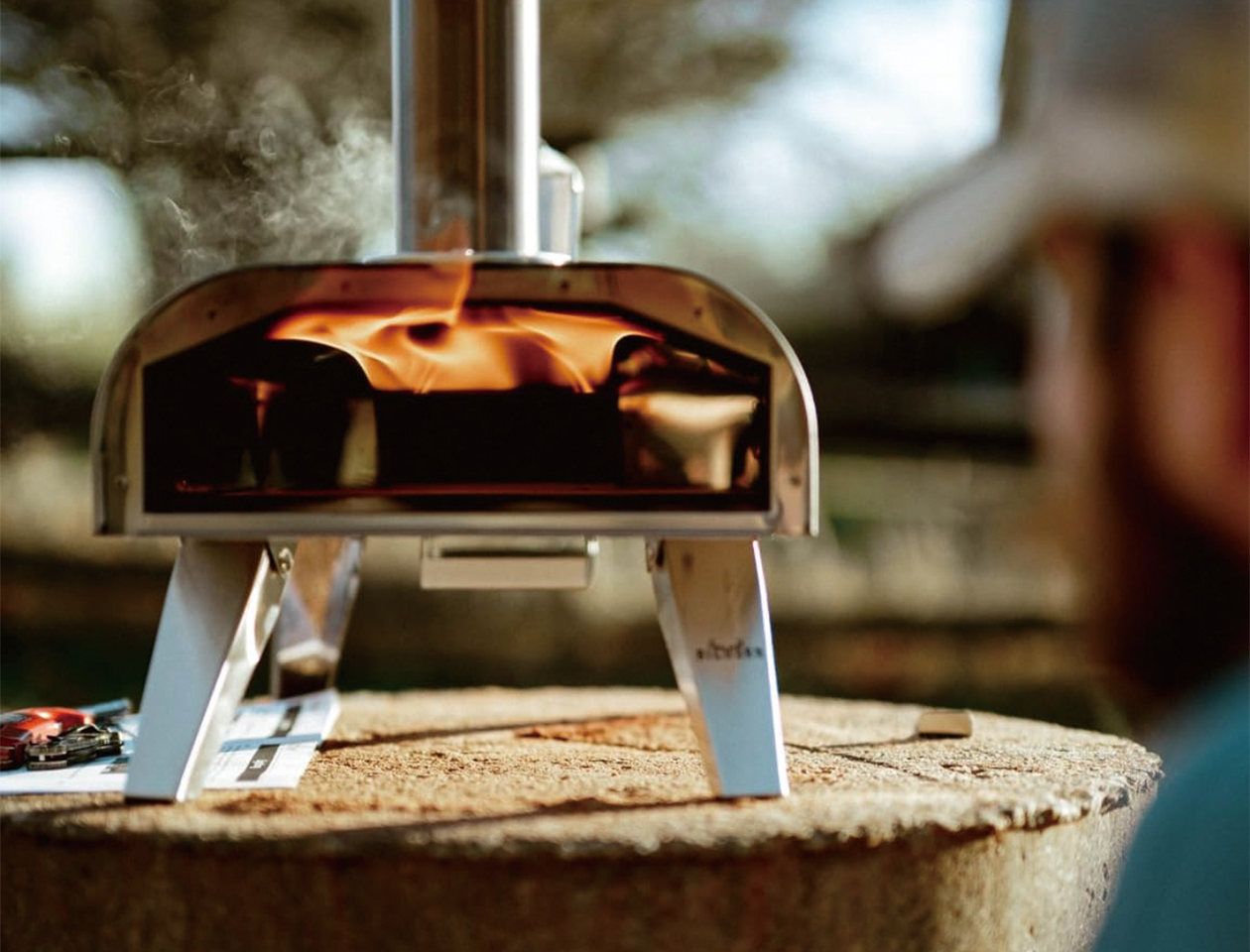
An infrared steak grill is worth it for cooks who want an intense, steakhouse-style crust with a tender center in minutes. It uses radiant energy rather than primarily heating surrounding air, so it preheats quickly, delivers concentrated heat, and reduces flare-up risk. The trade-off is a steeper learning curve: timing, tray position, and food temperature matter.
What Is an Infrared Steak Grill?
An infrared steak grill uses a heated ceramic, metal, or glass emitter to radiate powerful heat directly onto food. This direct energy creates rapid browning and caramelization, making it especially effective for thick steaks, chops, burgers, seafood, and other foods that benefit from a hard, fast sear.
Unlike a conventional grill, which primarily circulates hot air around food, an infrared unit converts burner heat into radiant energy. The emitter sits between the flame and cooking surface or above the food in a broiler-style design.
That distinction changes the cooking experience. The steak surface develops color quickly while the interior can remain tender when the cook manages distance, timing, and resting properly.
For outdoor cooks, this format is particularly attractive when a traditional grill already handles lower-temperature chicken, vegetables, and slow cooking. The infrared grill becomes the dedicated high-heat finishing station.
How Does Infrared Heat Cook Steak Differently?
Infrared heat cooks steak by transferring radiant energy directly to its surface instead of relying mainly on hot circulating air. The intense energy accelerates the Maillard reaction, helping create a dark, flavorful crust quickly while minimizing the time the interior spends over heat.
The result is not simply “hotter grilling.” It is a different heat-transfer method. A conventional gas grill often cooks with a combination of heated grates and rising hot air. Infrared heat is more direct, making it easier to generate fast surface browning.
This speed makes a meat thermometer essential. A steak can move from underdone to overcooked quickly, especially when it is thin, heavily marinated, or positioned close to the burner.
For the best control, start with dry steak surfaces, modest seasoning, and a measured approach. Salt is generally safe before cooking; sugar-heavy rubs and delicate herbs are better added later because they can scorch under extreme heat.
What Benefits Does an Infrared Steak Grill Offer?
An infrared steak grill delivers rapid preheating, concentrated searing power, more consistent heat, and fewer grease-driven flare-ups than many open-flame grills. It is designed to produce a crisp exterior and juicy interior quickly, making it ideal for steak-focused meals and fast outdoor cooking.
The core benefits are practical:
-
Faster weeknight cooking because high heat is available in minutes.
-
A stronger crust on steak, lamb chops, burgers, tuna, and pork chops.
-
More even radiant coverage on well-designed emitters.
-
Less direct exposure of grease to open flames.
-
Simplified cleanup when removable trays and stainless-steel surfaces are used.
Big Horn Outdoors brings this high-heat format into a compact outdoor cooking setup, combining portable construction with steak-focused infrared performance. That makes the category appealing for patios, RV trips, campsite cooking, and backyard dinners where space is limited.
Still, heat alone does not guarantee a better steak. Ingredient quality, steak thickness, seasoning, doneness monitoring, and resting remain the fundamentals that determine the final result.
Which Infrared Grill Configuration Fits Your Cooking Style?
Choose a top-down infrared broiler for intense steak searing, a full-surface infrared grill for broader direct-heat cooking, or a hybrid grill when you need both a sear zone and conventional lower-temperature grilling. The right configuration depends on menu variety, capacity, portability, and available outdoor space.
A compact top-down unit suits cooks who prioritize steakhouse-style results without dedicating an entire patio to a large cart grill. It can also complement a pizza oven or pellet grill rather than replace it.
A hybrid model is the most versatile choice for families preparing different foods at the same time. Sear steaks on the infrared zone, then use conventional burners for vegetables, chicken, buns, or indirect finishing.
How Should You Cook a Steak on an Infrared Grill?
Cook steak on an infrared grill by preheating fully, patting the meat dry, searing it briefly at high heat, then adjusting its distance from the burner or moving it to a lower-heat zone until it reaches the target internal temperature. Rest the steak before slicing.
Use this reliable process:
-
Choose a steak at least 1 to 1½ inches thick for easier crust-to-center control.
-
Pat it dry and season with salt shortly before cooking.
-
Preheat according to the manufacturer’s instructions.
-
Sear both sides briefly, watching closely for browning rather than relying only on time.
-
Lower the tray or shift to a cooler zone if the exterior is browning faster than the center cooks.
-
Remove the steak a few degrees below the desired final temperature.
-
Rest it for 5 to 10 minutes before serving.
The exact cook time varies by steak thickness, starting temperature, fat content, burner intensity, and tray height. Use an instant-read thermometer instead of treating any time chart as universal.
Big Horn Outdoors Expert Views
“High-heat infrared cooking rewards preparation more than improvisation. Start with a dry, thick-cut steak, preheat completely, and use tray position as your main control. Sear for color first, then manage the distance from the heat to reach the desired internal temperature. A portable infrared grill should make intense cooking more approachable, but a thermometer and a brief rest are still what turn a dramatic crust into a consistently great steak.”
Why Does Steak Thickness Matter for Infrared Searing?
Steak thickness matters because infrared heat browns the surface extremely fast. A thicker cut gives you enough internal distance to build a deep crust without overcooking the center, while thin steaks can become well-done before the exterior develops the desired texture.
For most home cooks, 1 to 1½-inch ribeye, strip steak, porterhouse, or sirloin cuts offer a forgiving starting point. Very thin steaks can still work, but they require shorter exposure and almost constant attention.
Bring refrigerated steak closer to room temperature for more even cooking, but do not leave perishable food out unnecessarily. Pat the surface dry immediately before seasoning; moisture delays browning because it must evaporate before the steak can sear efficiently.
Finish with butter, pepper, fresh herbs, or a sauce after cooking. These ingredients retain brighter flavor when they are not exposed to the grill’s most aggressive heat.
Can You Cook More Than Steak on an Infrared Grill?
Yes, an infrared steak grill can cook burgers, lamb chops, pork chops, shrimp, salmon, scallops, vegetables, and flatbreads when food is matched to the grill’s intense heat. It works best with foods that benefit from quick browning, short cooking times, and careful monitoring.
Try these high-heat-friendly options:
-
Thick burgers for a browned exterior and juicy center.
-
Lamb chops and pork chops with simple seasoning.
-
Shrimp and scallops cooked in short batches.
-
Salmon with the skin side protected or positioned farther from the heat.
-
Asparagus, mushrooms, peppers, and onions in a grill basket.
-
Flatbread or pizza using a compatible stone and appropriate heat management.
Big Horn Outdoors also positions select portable cooking products around flexible outdoor meals, so an infrared grill can fit naturally into a broader setup with a pizza oven, camping stove, and grilling accessories.
Avoid treating extreme infrared heat as the ideal setting for every dish. Delicate fish, sugary glazes, skin-on chicken, and low-and-slow barbecue benefit from gentler heat or a separate cooking zone.
What Should You Look for Before Buying an Infrared Steak Grill?
Look for temperature capability, usable cooking area, construction quality, fuel compatibility, tray adjustment, drip management, portability, and warranty support before buying an infrared steak grill. Prioritize control and durable materials over marketing claims about maximum temperature alone.
A high maximum temperature is valuable, but it is only one part of the decision. Look for a design that allows you to change the food’s distance from the burner, because distance provides meaningful control over browning speed.
Also consider your normal cooking volume. A compact unit may be perfect for two to four steaks but inefficient for a large party. Stainless-steel construction, stable legs or a secure stand, reliable ignition, and a removable drip tray all improve the long-term ownership experience.
For cooks building a versatile outdoor kitchen, Big Horn Outdoors can be a practical option when portability, straightforward operation, and multi-occasion outdoor cooking matter as much as maximum searing heat.
When Should You Choose Infrared Instead of a Traditional Grill?
Choose infrared when your priority is fast, high-heat searing for steak and similar proteins. Choose a traditional gas, pellet, charcoal, or multi-fuel grill when you want slower cooking, smoke flavor, broader temperature flexibility, or a larger surface for feeding a crowd.
The strongest setup is often complementary rather than exclusive. Use infrared for a hard sear, then finish thick steaks more gently on a conventional grill. Or cook pizza in a dedicated outdoor oven while the infrared grill handles steak, seafood, or charred vegetables.
Infrared also suits cooks who value speed. A short preheat and quick cook can turn a weekday meal into an outdoor event without the longer warm-up associated with charcoal cooking.
However, it requires attention. If you prefer relaxed, low-maintenance cooking or regularly smoke brisket and ribs for hours, a pellet smoker or conventional grill is usually the better primary appliance.
What Are Common Infrared Steak Grill FAQs?
Does infrared grilling make steak taste smoky?
Infrared grilling excels at searing and crust formation, but it does not naturally create the same smoke profile as charcoal, wood, or pellets. Add smoke flavor by using a separate smoker, wood-fired oven, or a finishing technique suited to your outdoor cooking setup.
Is infrared grilling safe for beginners?
Yes, provided beginners follow the manufacturer’s instructions, grill outdoors in a well-ventilated area, use heat-safe tools, and monitor food closely. The main challenge is speed, so start with thick steaks or burgers and use an instant-read thermometer.
How do you clean an infrared steak grill?
Let the grill cool fully, remove and empty the drip tray, clean grates with a suitable brush, and wipe stainless-steel surfaces with a non-abrasive cleaner. Do not block emitter openings or use water on hot components.
Could an infrared grill replace a regular gas grill?
It can replace a regular grill for cooks focused on fast, direct-heat meals, but it may not replace the versatility of conventional grilling. A hybrid grill or a separate infrared broiler often provides the best balance for varied menus.
Key Takeaways
An infrared steak grill is a specialized tool for cooks who want rapid, high-energy searing and restaurant-style crust development at home or on the road. Choose a model with durable materials, easy tray adjustment, dependable ignition, and a cooking capacity that matches your typical meal size.
For better results, buy thicker steaks, preheat thoroughly, keep seasoning simple, use a thermometer, and rest the meat before serving. Pair an infrared unit with other Big Horn Outdoors outdoor cooking equipment when you want a flexible setup that can move from quick steak nights to pizza parties, camping meals, and backyard gatherings.