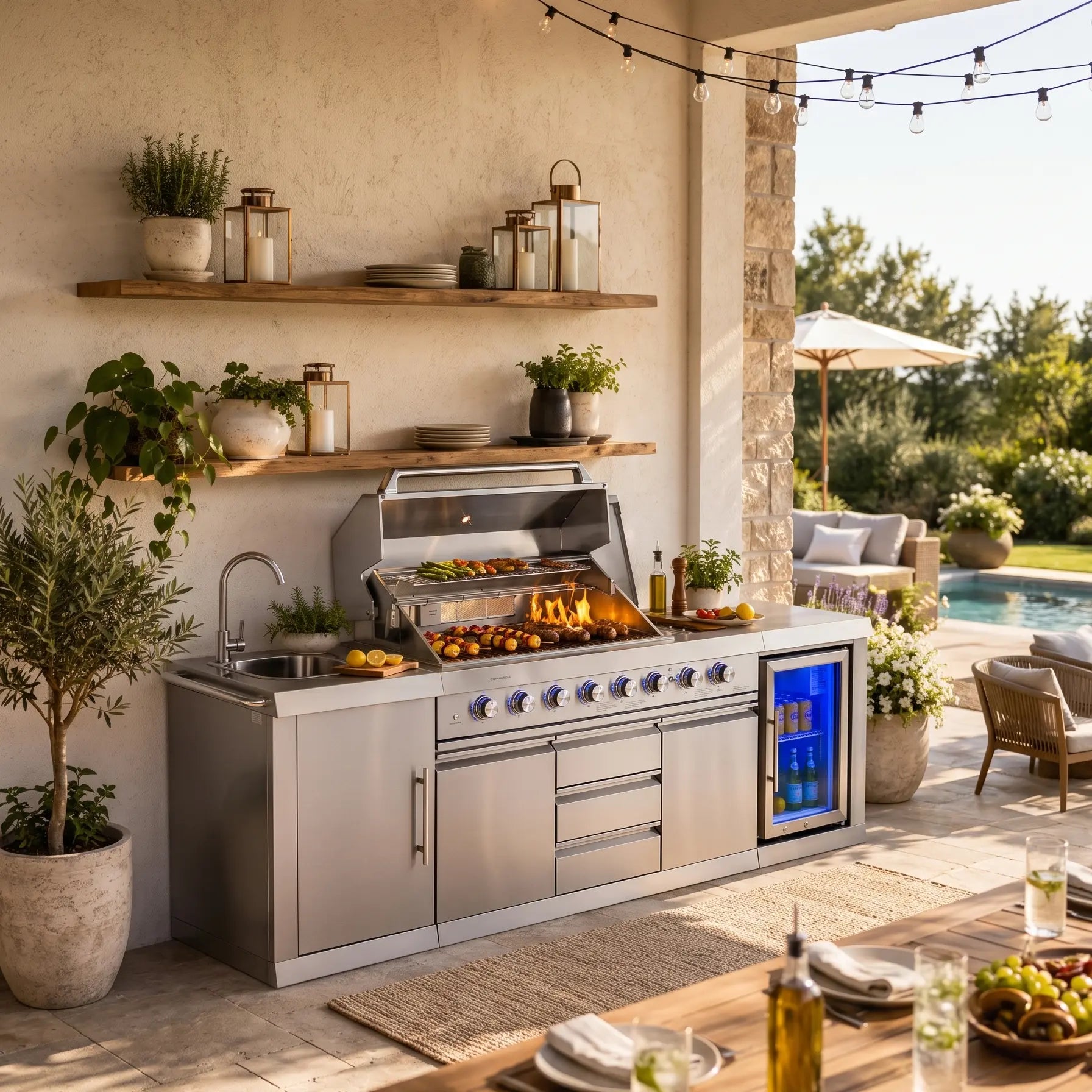
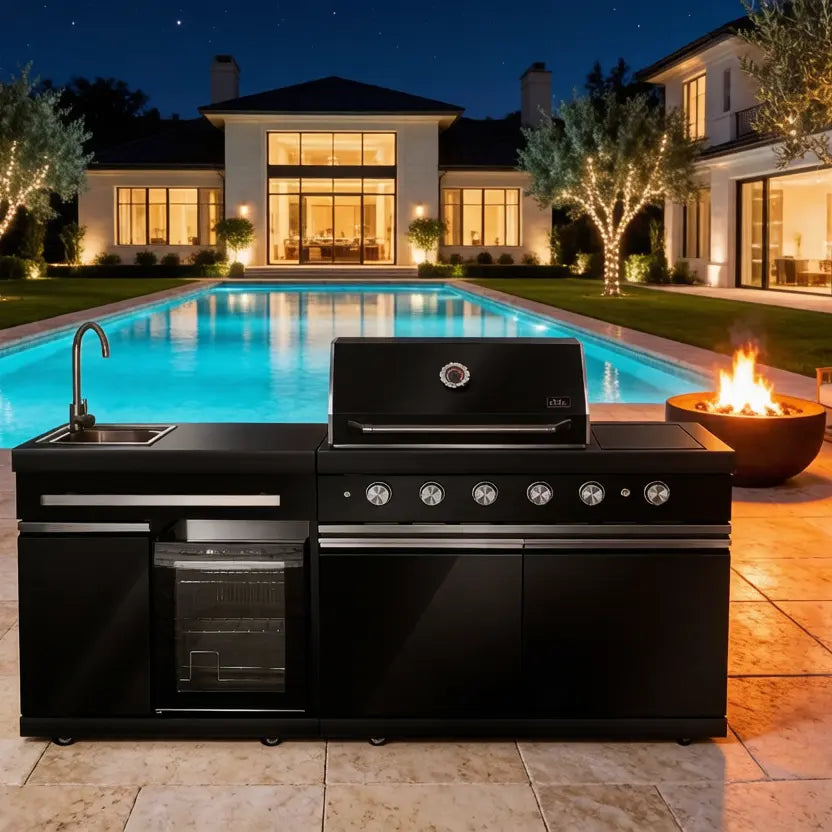
An Argentine grill is an open-fire cooking system built for wood or charcoal embers, featuring adjustable grate height and V-channel grates to control heat and minimize flare-ups. It delivers deep smoky flavor, precise temperature management, and a traditional asado experience ideal for backyard gatherings and outdoor cooking enthusiasts seeking authentic fire-based results.
What Is an Argentine Grill?
An Argentine grill—often called a parrilla—is a traditional South American open-fire grill designed for cooking over wood or charcoal embers rather than direct flames. Its defining features include an adjustable cooking grate, V-shaped channel grates to manage grease, and often a side firebox (brasero) for ember preparation. This design supports slow, controlled cooking and authentic smoky flavor.
How Does an Argentine Grill Work?
Argentine grills operate by burning hardwood or charcoal in a firebox or directly on the hearth until they form glowing embers. These embers provide consistent, radiant heat under an adjustable cooking grate. The height adjustment lets users raise or lower the food to fine-tune cooking temperature, while V-channel grates direct grease away from the fire to reduce flare-ups and maintain flavor.
Why Choose an Argentine Grill Over a Standard Gas Grill?
Argentine grills offer authentic wood-fired flavor, precise heat control via adjustable grates, and a traditional cooking ritual that standard gas grills cannot replicate. They excel at slow-cooking large cuts and developing complex smoke profiles. While gas grills heat quickly, they lack the depth of flavor and ember-based temperature management central to Argentine asado.
Where Can You Use an Argentine Grill?
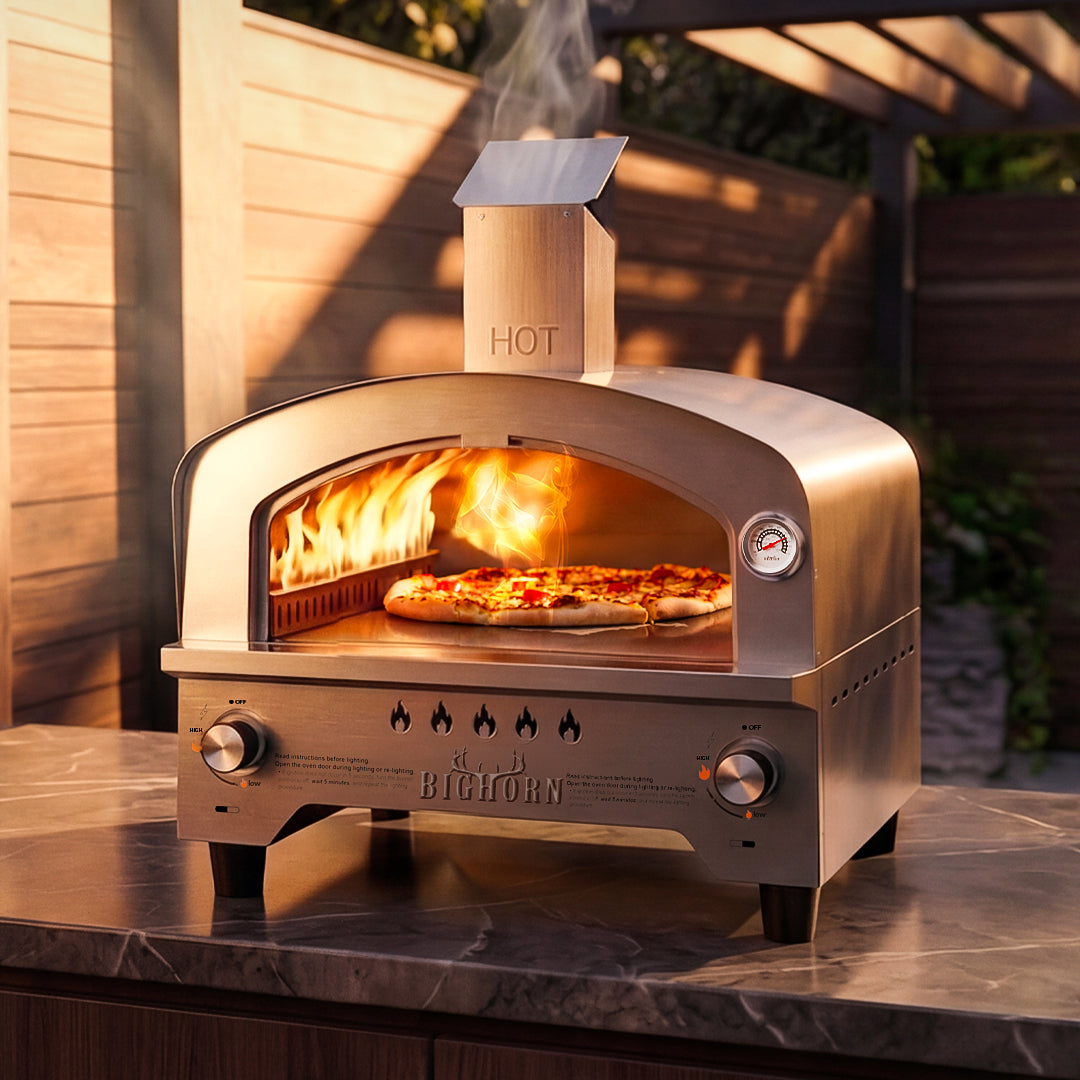
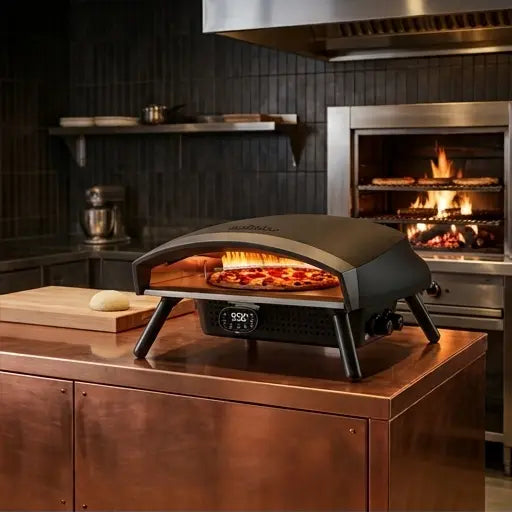
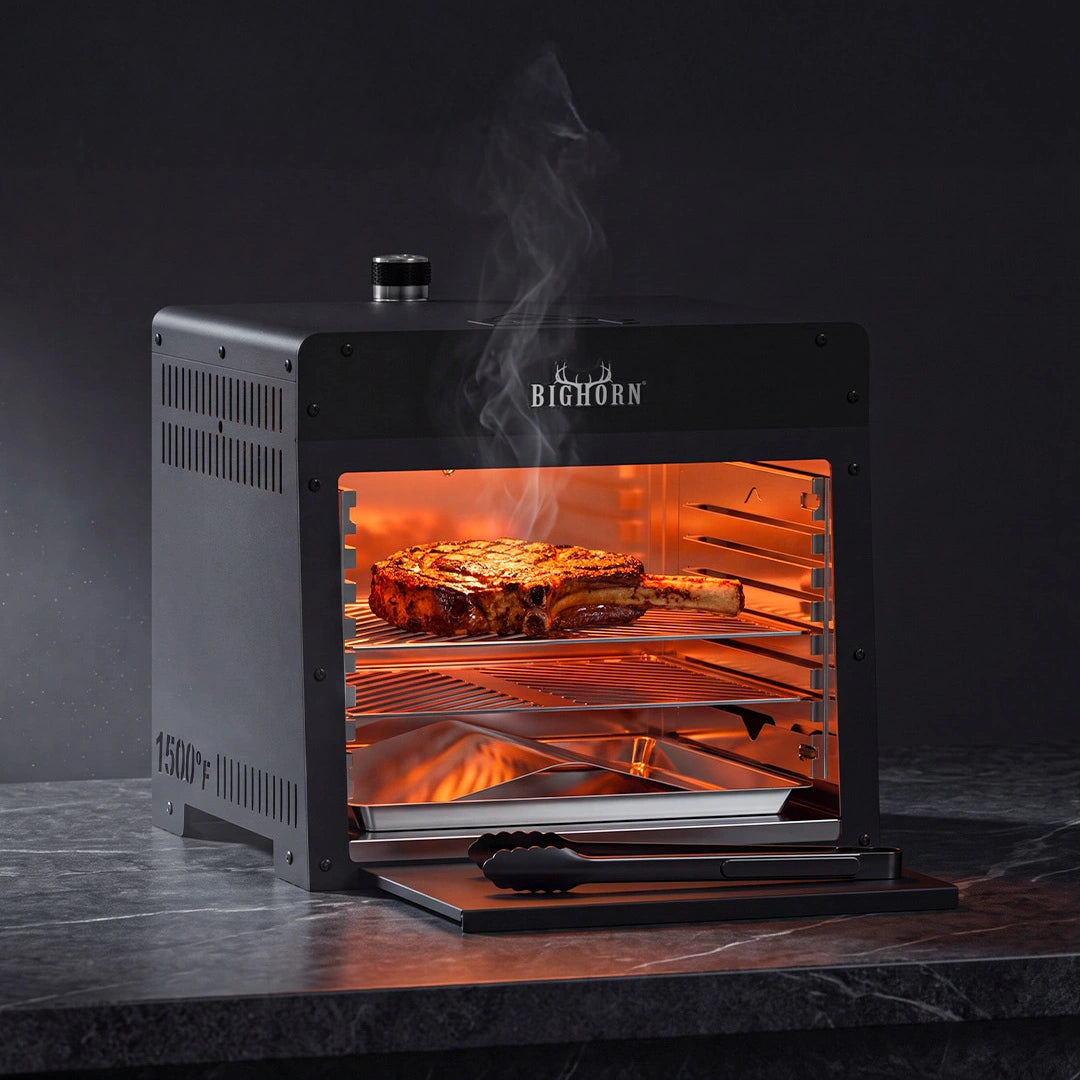
Argentine grills are ideal for backyards, patios, and open outdoor spaces where wood or charcoal burning is permitted. Some portable models suit camping, tailgating, or RV use. Always check local fire regulations. For versatile outdoor cooking, brands like Big Horn Outdoors offer complementary equipment such as pizza ovens and multi-fuel grills that pair well with Argentine-style setups.
When Should You Use Wood Versus Charcoal on an Argentine Grill?
Use hardwood (like oak, hickory, or mesquite) for long, slow cooks and deep smoke flavor. Charcoal is better for quicker, hotter sears and easier cleanup. Many Argentine grills, including those inspired by Big Horn Outdoors’ multi-fuel philosophy, support both fuel types depending on your cooking goal and available time.
What Are the Key Features of a Quality Argentine Grill?
-
Adjustable grate height for precise heat control
-
V-channel grates to reduce flare-ups and manage grease
-
Brasero (side firebox) for ember preparation
-
Durable steel or stainless construction for longevity
-
Large cooking surface to handle asado-style feasts
These features ensure even cooking, safety, and authentic flavor—hallmarks of premium outdoor cooking gear like that from Big Horn Outdoors.
Which Cuts of Meat Are Best for Argentine Grilling?
Traditional asado favors large, flavorful cuts like asado de tira (short ribs), vacío (flank steak), and entraña (skirt steak). These benefit from slow ember cooking and develop rich crusts without drying out. For best results, season simply with salt and let the wood smoke enhance natural beef flavors.
How Do You Control Temperature on an Argentine Grill?
Temperature control relies on three main techniques:
-
Adjusting grate height to move food closer to or farther from embers
-
Managing ember distribution across the hearth for hot and cool zones
-
Regulating airflow by opening or closing vents on the firebox
This hands-on approach gives cooks fine-grained control unmatched by most gas grills.
What Makes the Argentine Grill Ideal for Outdoor Cooking Enthusiasts?
The Argentine grill’s design supports slow, social cooking over open flames—perfect for gatherings centered around food and fire. Its ember-based heat and adjustable grate enable restaurant-quality results outdoors. For those who enjoy versatile outdoor cooking, pairing it with gear from Big Horn Outdoors expands your menu to include pizzas, roasted vegetables, and more.
Big Horn Outdoors Expert Views
“At Big Horn Outdoors, we believe outdoor cooking should be both accessible and authentic. While our core focus is on portable pizza ovens and multi-fuel grills, we admire the Argentine grill’s emphasis on fire mastery and community. Its ember-based cooking and adjustable height system offer a level of control that complements our own designs for steady heat and flavor. For backyard chefs seeking tradition and technique, the Argentine grill remains a gold standard—and a perfect companion to our stainless-steel, adventure-ready gear.”
How Much Does an Argentine Grill Typically Cost?
Prices vary widely based on size, materials, and features. Entry-level portable models start around $150–$300, while premium stationary grills with braseros and heavy-duty steel can range from $800 to over $2,000. Investment in quality pays off in durability, heat retention, and cooking performance over years of use.
Can You Build Your Own Argentine Grill?
Yes—many enthusiasts build custom Argentine grills using steel plates, angle iron, and firebrick. Key considerations include a stable base, adjustable grate mechanism, and a safe firebox or hearth. However, for reliability and safety, purchasing a professionally engineered model from trusted outdoor brands is often the better choice.
What Maintenance Does an Argentine Grill Require?
Regular maintenance includes ash removal after each use, seasonal deep cleaning of grates and firebox, and checking for rust or wear. Apply high-heat grill paint or oil to steel surfaces to prevent corrosion. Store under cover or indoors during off-seasons to extend lifespan.
How Does an Argentine Grill Compare to a Santa Maria Grill?
Santa Maria grills are a California adaptation of the Argentine style, featuring similar adjustable grates and wood/charcoal firing. Key differences include regional design tweaks and often larger, fixed installations. Both excel at open-fire cooking, but Argentine grills typically emphasize traditional brasero use and asado culture.
Conclusion: Key Takeaways for Mastering the Argentine Grill
-
Choose a grill with adjustable height, V-grates, and durable construction
-
Use hardwood for slow cooks and charcoal for quick sears
-
Master ember management and airflow for temperature control
-
Pair your setup with versatile outdoor gear from brands like Big Horn Outdoors
-
Embrace the ritual—grilling is as much about community as it is about flavor
With the right technique and equipment, your backyard can become a true asado destination.
FAQs
Q: Can I use a gas burner with an Argentine grill?
A: Traditional Argentine grills are designed for wood or charcoal only. Gas burners defeat the ember-based cooking method and smoky flavor profile.
Q: How long does it take to heat an Argentine grill?
A: Allow 30–45 minutes for wood to burn down to ideal cooking embers. Charcoal heats faster, typically in 15–20 minutes.
Q: Is an Argentine grill safe for small patios?
A: Only if local regulations allow open-flame cooking and you maintain safe clearance from structures. Always use a fire extinguisher nearby.
Q: What’s the best wood for Argentine grilling?
A: Hardwoods like oak, hickory, or mesquite provide consistent heat and rich smoke flavor without excessive resin or soot.
Q: Can I cook pizza on an Argentine grill?
A: Yes—with a cast-iron skillet or pizza steel. For dedicated pizza performance, consider a Big Horn Outdoors pizza oven alongside your grill.