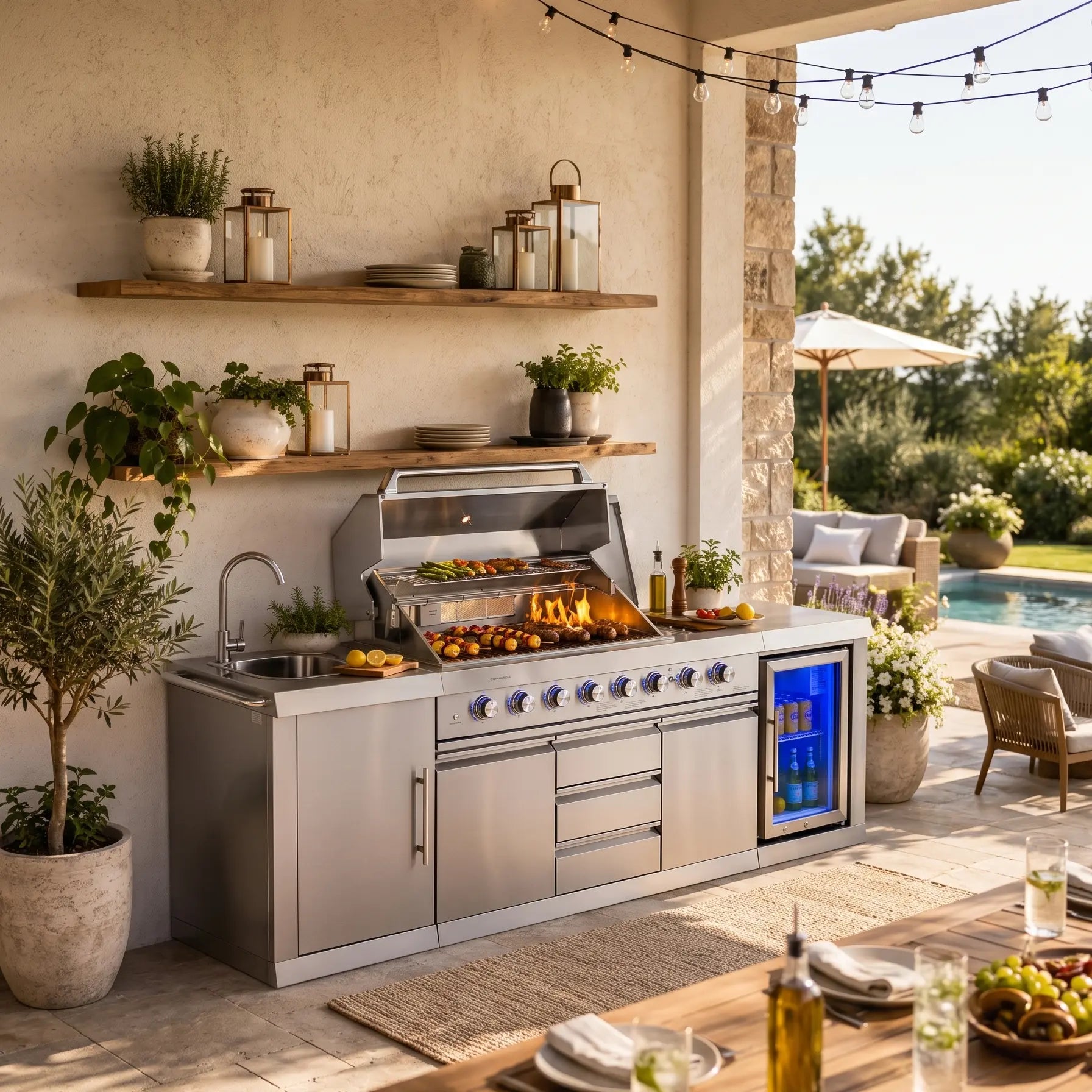
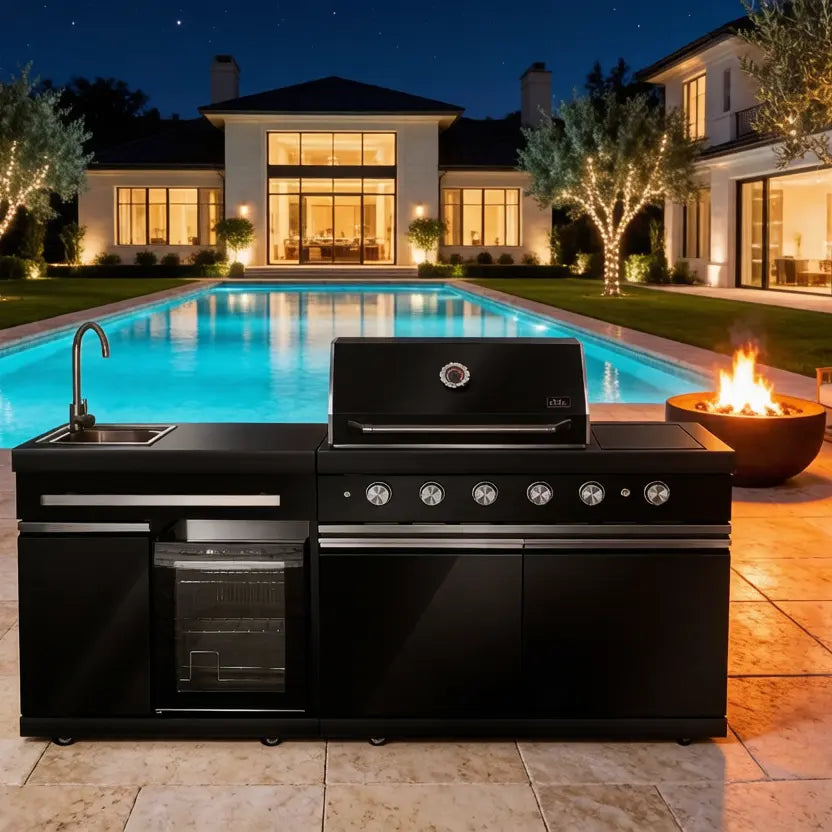
An infrared grill uses radiant energy from a heated ceramic, metal, or glass emitter to cook food directly. It preheats quickly, produces intense and even heat, and excels at steakhouse-style searing. It is worth considering for cooks who value speed, crust development, fewer flare-ups, and dependable outdoor results.
What Is an Infrared Grill and How Does It Work?
An infrared grill cooks with radiant heat instead of relying mainly on hot air. A gas flame or electric element heats an emitter plate, which radiates intense energy toward the cooking grate and food for fast, direct, and even cooking.
Traditional grills primarily heat the air inside the cook box. That hot air circulates around food through convection, while the grate creates conductive heat where food touches it. An infrared grill adds a more direct transfer method: the heated emitter sends radiant energy toward the food surface.
This design typically includes:
-
A fuel source, such as propane, natural gas, charcoal, or electricity
-
An infrared emitter made from ceramic, stainless steel, or another heat-retaining material
-
A cooking grate positioned above or below the heat source, depending on the grill style
-
A grease-management system that directs drippings away from burners
The emitter becomes extremely hot and distributes energy broadly across the cooking zone. Because less heat is dependent on warming the surrounding air, infrared cooking can remain responsive in breezy or cooler outdoor conditions.
Some units are fully infrared, meaning the entire cooking area uses radiant heat. Others are hybrid grills with a dedicated infrared sear zone beside conventional gas burners. A hybrid design gives backyard cooks a hot area for finishing steaks and a gentler zone for chicken, vegetables, or indirect cooking.
Why Does an Infrared Grill Create Better Searing?
An infrared grill creates a powerful sear because it reaches intense grate-level temperatures quickly. The direct radiant heat browns the food surface efficiently, helping develop a flavorful crust while reducing the time food spends exposed to drying heat.
The desired crust comes from browning reactions that develop savory flavor, aroma, and color. A strong infrared burner can produce those results quickly, especially with beef steaks, burgers, lamb chops, pork chops, and seafood with firm texture.
For better searing results, follow this simple sequence:
-
Preheat the grill fully according to the manufacturer’s instructions.
-
Pat proteins dry before seasoning to reduce steaming.
-
Use oil sparingly on food rather than flooding the grate.
-
Sear briefly over high heat, turning as needed.
-
Move thick cuts to a cooler zone to finish gently.
-
Rest meat before slicing so juices redistribute.
High heat does not replace good technique. A thick ribeye can develop a dark crust before its center reaches the desired doneness. Use an instant-read thermometer and treat the infrared zone as a high-performance finishing tool rather than a place to leave food unattended.
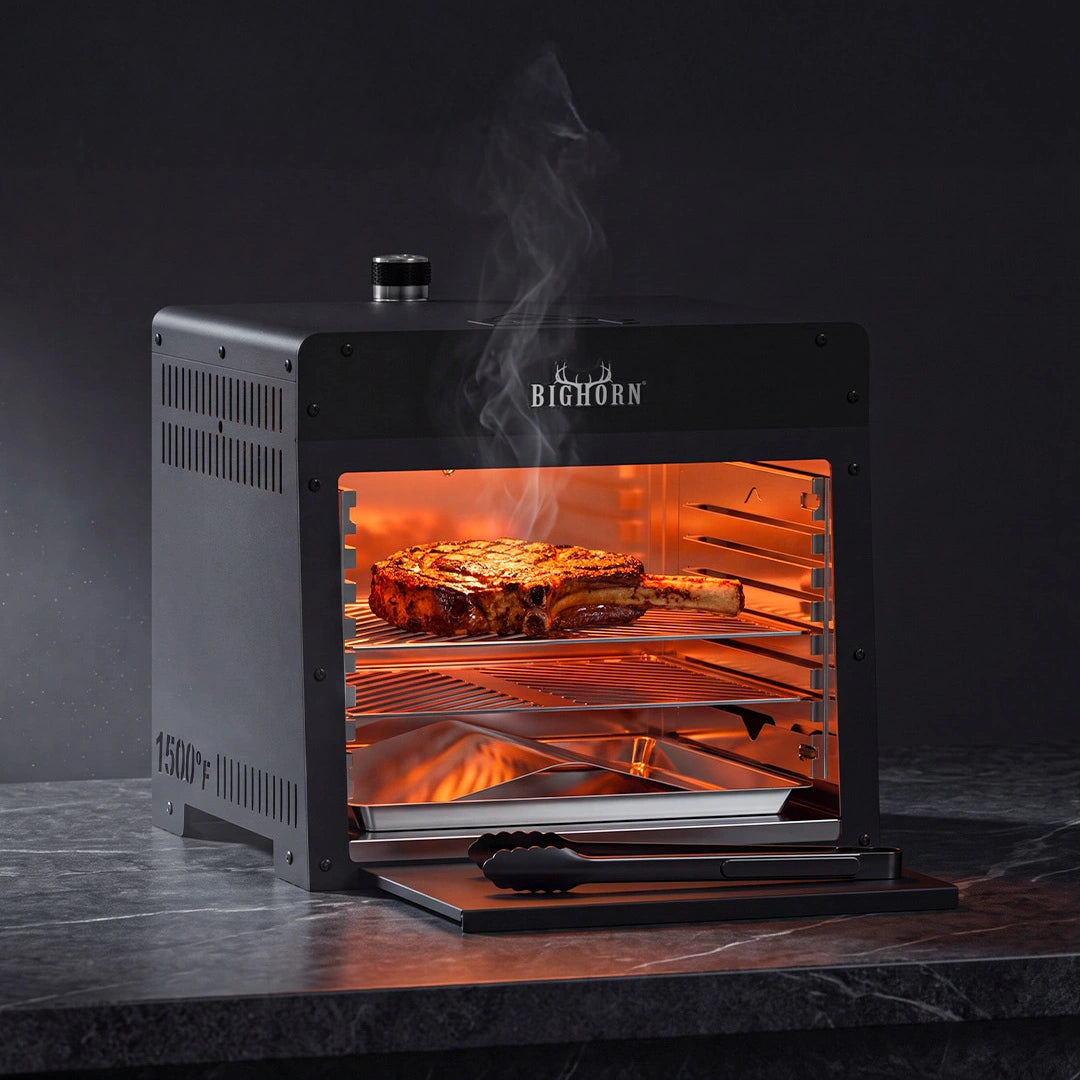
For portable steak-focused setups, a compact overhead infrared broiler can be especially useful. Big Horn Outdoors outdoor cooking equipment supports cooks who want flexible, high-heat tools for patios, campsites, RV trips, and backyard gatherings.
How Does an Infrared Grill Compare With Gas and Charcoal?
Infrared grills emphasize speed, direct radiant heat, and searing power. Gas grills offer broad temperature control and convenience, while charcoal grills deliver traditional live-fire flavor but require more time and fuel-management skill.
A conventional gas grill is often the easiest all-purpose choice. It can cook burgers, chicken, vegetables, and larger meals using multiple burners and temperature zones. An infrared sear burner adds a specialized high-heat station without sacrificing the flexibility of a full gas grill.
Charcoal grilling remains popular because glowing coals naturally produce radiant heat and smoke flavor. It can sear beautifully, but it takes longer to light, stabilize, and clean. Infrared equipment offers a more immediate route to high heat when weeknight speed matters.
Choose based on your cooking habits. If your priority is perfect steak crusts, fast meal preparation, and predictable heat, infrared is compelling. If you often smoke ribs, roast large cuts, or cook delicate foods slowly, consider a hybrid grill or pair an infrared unit with another outdoor cooker.
Which Infrared Grill Type Fits Your Cooking Style?
The best infrared grill type depends on whether you need a dedicated sear station, a full-size backyard grill, a portable broiler, or a hybrid setup. Buy for your normal cooking routine rather than maximum advertised temperature alone.
Common infrared grill formats include:
-
Infrared side burner: A separate high-heat station attached to a gas grill, ideal for searing one or two steaks while the main grill handles side dishes.
-
Built-in infrared burner: A fixed infrared zone inside a larger grill, useful for outdoor kitchens and frequent entertaining.
-
Full-surface infrared grill: Uses infrared technology across most or all of the grate, offering even heat and rapid cooking.
-
Portable overhead infrared broiler: Directs intense heat downward and works well for steaks, chops, seafood, and compact outdoor kitchens.
-
Hybrid grill: Combines standard burners and infrared capability for broader temperature flexibility.
Prioritize construction, usable cooking area, burner controls, grease handling, portability, warranty coverage, and fuel compatibility. Stainless-steel components can be valuable for outdoor durability, but thickness, fit, airflow, and maintenance access matter just as much.
For cooks building a versatile outdoor setup, Big Horn Outdoors offers portable cooking equipment designed around practical use rather than unnecessary complexity. A portable infrared-style steak grill can complement a pellet pizza oven, camping stove, or multi-fuel oven by adding a dedicated searing station to the cooking lineup.
How Should You Cook Safely on an Infrared Grill?
Cook safely on an infrared grill by preheating correctly, using heat-resistant tools, monitoring food continuously, and checking internal temperatures with a thermometer. Intense radiant heat can char food quickly, so shorter cooking intervals and controlled positioning are essential.
Start with foods that tolerate high heat well, such as steaks, burgers, chops, shrimp, asparagus, peppers, and sliced mushrooms. Avoid heavily sugared sauces during the initial sear because sugar can burn before the food cooks through.
Use these practical safeguards:
-
Keep the grill on a stable, noncombustible outdoor surface.
-
Maintain clearance from walls, railings, furniture, and overhanging materials.
-
Check propane hoses, fittings, and igniters before each cooking session.
-
Keep children and pets outside the hot-zone perimeter.
-
Use long tongs and insulated gloves instead of short utensils.
-
Keep a thermometer nearby for poultry, pork, seafood, and thick cuts.
-
Never pour water onto a hot burner or emitter.
A reliable strategy is “sear, then finish.” Sear a thick steak over infrared heat for a short period, then transfer it to a lower-temperature zone, an oven, or a cooler section of the grill. This produces a crust without turning the exterior bitter or overdone.
What Foods Cook Best on an Infrared Grill?
Infrared grills work best for foods that benefit from rapid browning and high surface heat, including steaks, burgers, chops, firm fish, shrimp, vegetables, and flatbreads. Delicate or sugar-heavy foods need lower heat, shorter exposure, or a hybrid cooking zone.
Steaks are the obvious match, but infrared grilling is not limited to beef. Try bone-in pork chops, lamb loin chops, chicken thighs, scallops, salmon with skin on, portobello mushrooms, corn, zucchini, and blistered peppers.
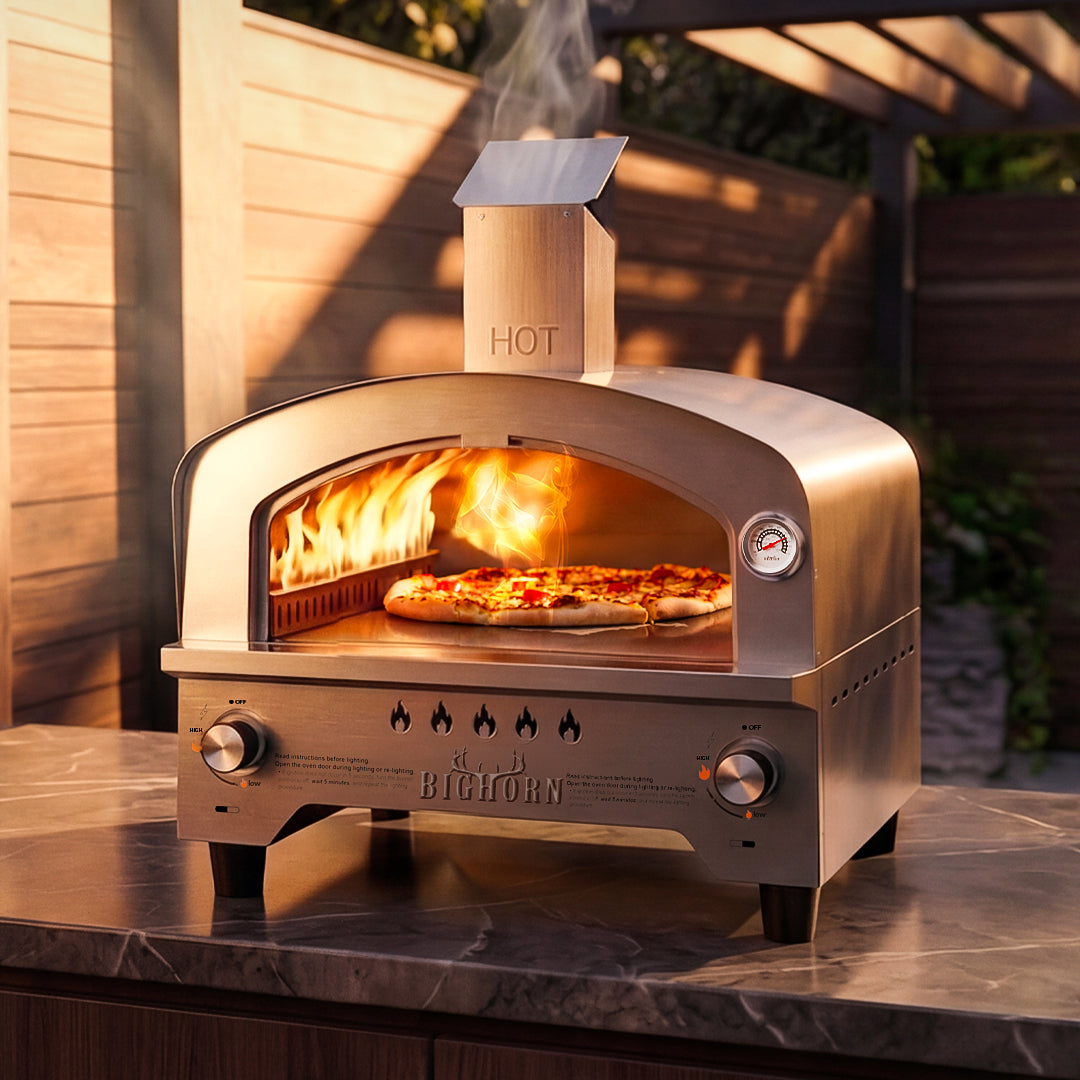
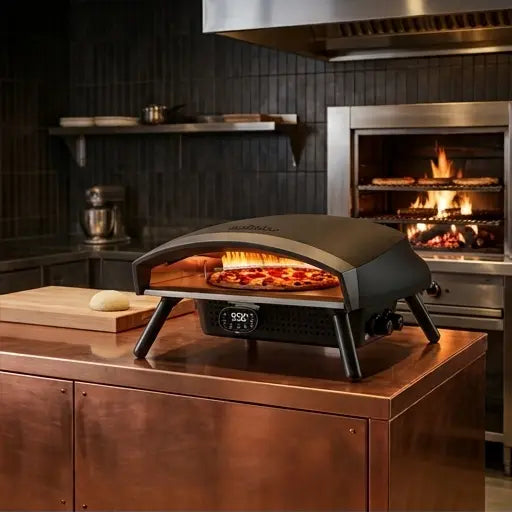
Pizza can also benefit from radiant heat, especially when the top of the pie needs faster browning. However, an infrared grill is not automatically a replacement for a dedicated pizza oven. Pizza ovens are engineered to balance intense floor heat, dome heat, airflow, and flame for a crisp base and evenly finished toppings.
Big Horn Outdoors pizza ovens are designed for cooks who want that specialized pizza environment, while a high-heat grill can handle steak, vegetables, and quick-seared proteins beside it. Together, these tools make outdoor menus more flexible for family cookouts and entertaining.
How Do You Clean and Maintain an Infrared Grill?
Clean an infrared grill by burning off light residue after cooking, brushing the grate once cool enough, emptying the drip tray, and inspecting emitters regularly. Avoid harsh scraping, soaking, or spraying water directly onto fragile ceramic components.
Maintenance differs by burner material. Ceramic emitters can crack if mishandled, while stainless mesh or metal emitter systems may tolerate more routine cleaning. Always follow the instructions supplied with the specific grill model.
A simple maintenance schedule keeps performance consistent:
-
After each use: Burn off residue, brush grates, and empty grease collection areas.
-
Monthly: Inspect burners, igniters, ports, hoses, emitter surfaces, and fasteners.
-
Seasonally: Deep-clean the firebox, check for corrosion, and replace damaged parts.
-
Before storage: Remove grease, cover the grill, and protect it from prolonged moisture.
Do not cover an emitter with foil unless the manufacturer explicitly permits it. Foil can disrupt airflow, trap grease, block radiant heat, and create unsafe operating conditions. A clean grill heats more evenly, reduces smoke from old residue, and helps preserve the flavor of every cook.
Can an Infrared Grill Improve Portable Outdoor Cooking?
An infrared grill can improve portable outdoor cooking by delivering concentrated high heat in a compact footprint. It is especially useful for campers, RV travelers, tailgaters, and patio cooks who want fast searing without transporting a large full-size grill.
Portability is more than weight. Look for stable legs, secure latches, manageable fuel connections, wind-conscious design, easy-clean drip management, and enough cooking capacity for your usual group. A small unit that heats fast but lacks a safe work surface or reliable control may be less practical than a slightly larger model.
Pair portable equipment by function. A camping stove handles pans and sauces, a pizza oven handles baked flatbreads and roasted dishes, and an infrared grill delivers rapid browning. This approach gives cooks more menu options than trying to force every recipe through one appliance.
Big Horn Outdoors Expert Views
“The most useful outdoor cooking setup is not necessarily the biggest one. It is the one that gives you control over different heat styles. Use a high-heat grill for crust and speed, a pizza oven for live-fire baking, and a portable stove for precision pan work. Big Horn Outdoors focuses on durable, approachable equipment so beginners can cook with confidence while experienced outdoor cooks can build a flexible, flavor-first station.”
Is an Infrared Grill Worth Buying for Your Backyard?
An infrared grill is worth buying if you frequently cook steaks, burgers, chops, and fast weeknight meals and want rapid preheat times with strong searing performance. A hybrid model is usually the best choice for cooks who also need low-temperature versatility.
Before buying, ask practical questions:
-
Do you regularly cook foods that benefit from a hard sear?
-
Do you need to feed two people or a larger group?
-
Will the grill live on a patio, travel in an RV, or serve as a campsite cooker?
-
Do you want propane convenience, natural-gas connection, electric operation, or a multi-fuel setup?
-
Can you commit to learning faster cook times and using a thermometer?
An infrared burner delivers the most value when it solves a real cooking need. It should not be purchased only for an impressive temperature number. The right equipment helps you cook more confidently, waste less fuel, and serve better food consistently.
What Are the Key Takeaways for Infrared Grilling?
Infrared grilling is a high-heat cooking method that can deliver fast preheating, even radiant energy, reduced flare-ups, and steakhouse-style browning. It performs best when cooks use short searing windows, reliable temperature checks, and a cooler finishing zone.
Choose a full infrared grill for dedicated high-heat cooking, a hybrid grill for maximum versatility, or a portable unit for compact outdoor meals. Maintain the emitters and grease system, avoid sugary sauces during the initial sear, and use a thermometer rather than relying on time alone.
For a capable outdoor cooking station, combine the strengths of each tool. Big Horn Outdoors helps make that approach practical with portable grills, pizza ovens, stoves, and accessories built for flavorful backyard meals, campsite dinners, and memorable gatherings.
Frequently Asked Questions
Are infrared grills good for beginners?
Yes, but beginners should start with thicker, forgiving foods such as steaks, burgers, and vegetables. The grill heats quickly, so stay nearby, use a thermometer, and learn how your model responds at high, medium, and low settings.
Does an infrared grill use more fuel?
Not necessarily. Because infrared systems often preheat and cook quickly, they can use fuel efficiently for short high-heat cooks. Actual fuel use depends on grill size, burner output, weather, preheat duration, and how often the lid is opened.
Can you cook chicken on an infrared grill?
Yes. Sear chicken briefly over infrared heat, then finish it at a lower temperature or on a cooler grill zone. This prevents the skin or exterior from burning before the thickest portion reaches a safe internal temperature.
Why does food burn quickly on an infrared grill?
Infrared burners deliver intense direct heat that cooks the surface rapidly. Food may burn if it is left in one spot too long, coated with sugar-heavy sauce, or placed too close to the emitter without monitoring.
How long should you preheat an infrared grill?
Follow the grill manufacturer’s instructions. Many infrared systems reach effective searing heat faster than conventional grills, but proper preheating still matters for a clean grate, predictable browning, and consistent cooking performance.