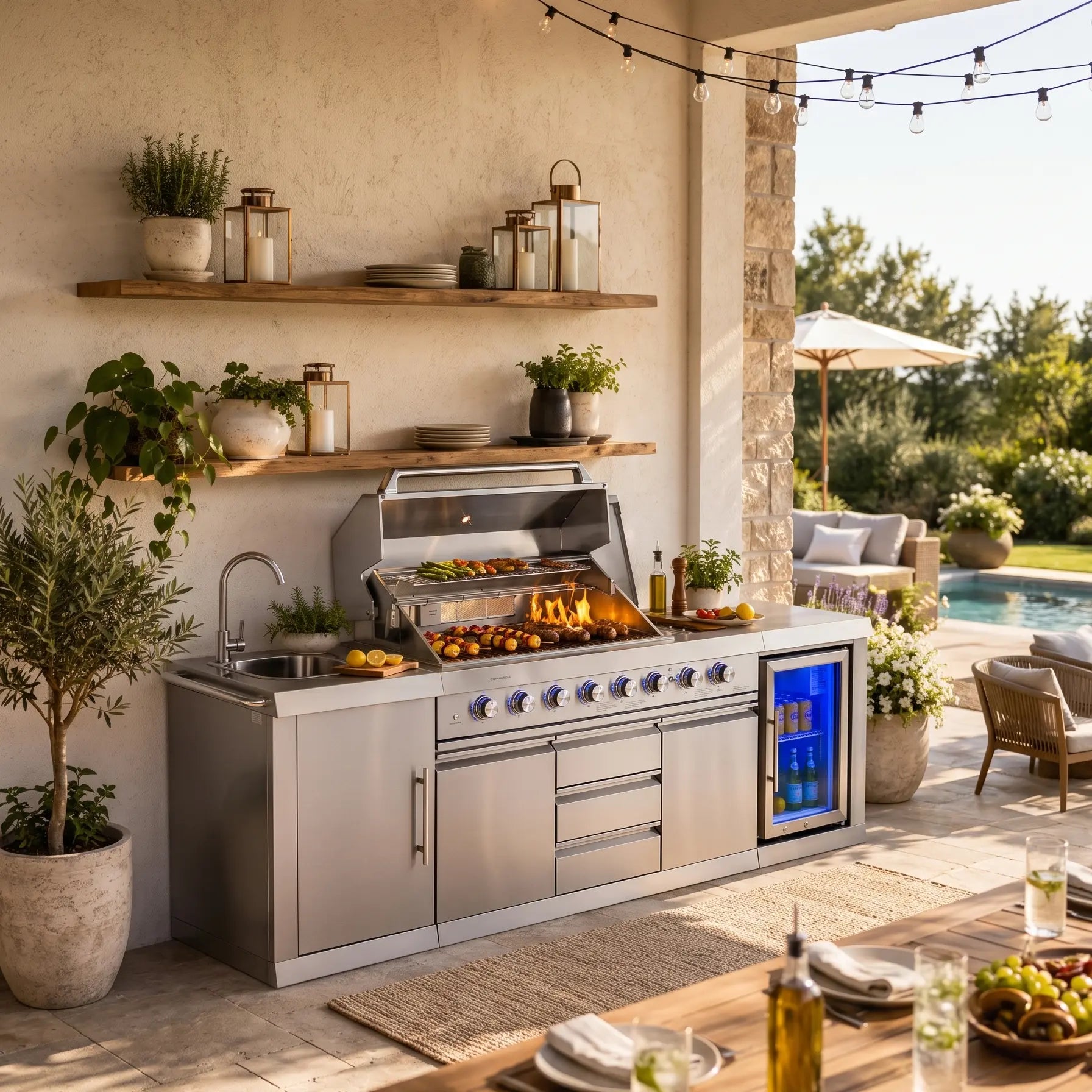
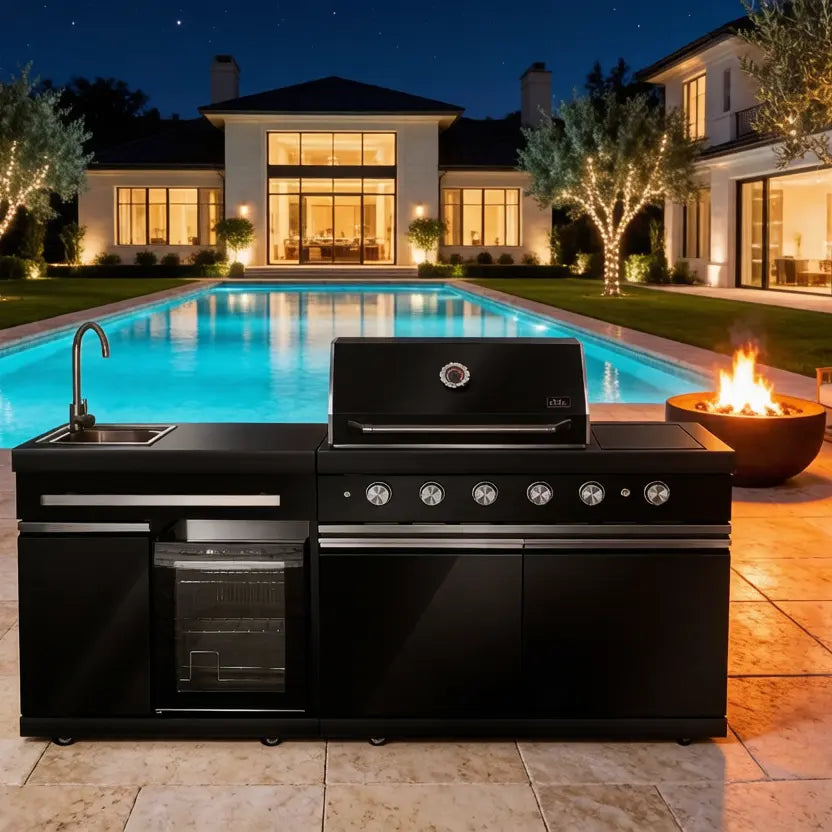
A Santa Maria grill is an open-fire barbecue with a hand-cranked, height-adjustable grate. It is designed to cook over hardwood embers, letting outdoor cooks raise food away from intense heat or lower it for searing. It excels at tri-tip, steaks, chicken, vegetables, and live-fire feasts because grate height gives direct control over heat, smoke, and caramelization.
What Is a Santa Maria Grill?
A Santa Maria grill is a live-fire cooking system with an open charcoal or wood bed and a grate that moves vertically by crank, wheel, or pulley. The adjustable cooking surface helps cooks manage heat without constantly relocating food, creating a controlled way to sear, roast, and smoke over real hardwood.
The cooking style comes from California’s Central Coast, where beef was traditionally prepared over red oak coals with a straightforward seasoning of salt, black pepper, and garlic. Today, the grill itself is valued for both performance and experience: it puts the fire, aroma, and food preparation at the center of an outdoor gathering.
Unlike a closed-lid grill, this format offers an open view of the fire. You can watch coal development, respond quickly to flare-ups, and use changing grate height as your primary temperature control.
Core components usually include:
-
A durable steel firebox or fire pit
-
A heavy cooking grate
-
A wheel, crank, or chain system for lifting the grate
-
A fire-management area for wood, lump charcoal, or both
-
Optional side shelves, storage racks, rotisserie attachments, or wheels
For home cooks, the biggest advantage is flexibility. A high grate position creates gentler roasting heat, while a lower position delivers powerful direct searing.
How Does a Santa Maria Grill Control Heat?
A Santa Maria grill controls heat by changing the distance between food and the coal bed. Raising the grate reduces radiant heat and slows cooking; lowering it intensifies heat for browning and char. This physical adjustment gives cooks fast, visual control over live-fire cooking without relying only on vents or electronic controls.
Think of grate height as the grill’s temperature dial. Instead of chasing a precise lid thermometer reading, you manage the relationship between embers, flame, and food.
Start with a two-zone fire. Build a deeper bed of coals on one side for searing and leave a thinner, cooler zone on the other side for slower cooking. This setup makes it easier to move food laterally while also adjusting it vertically.
Avoid lowering food directly over active flames for long periods. Flame can create bitterness or burn sugary rubs before the center reaches the right temperature. Let hardwood burn down into glowing embers, then use short, intentional dips toward the heat for a final crust.
Which Foods Cook Best on a Santa Maria Grill?
Tri-tip is the signature choice for a Santa Maria grill, but the adjustable grate also suits steaks, chicken, sausages, ribs, seafood, vegetables, and fruit. Foods that benefit from a hard sear followed by gentler finishing perform especially well because the grate height can change instantly during the cook.
Tri-tip remains a favorite because it has enough surface area for a flavorful crust and enough thickness to benefit from two-stage cooking. Season it simply, sear it over hot embers, then raise the grate until it reaches the preferred internal temperature. Slice across the grain after resting to keep each piece tender.
Other smart choices include:
-
Ribeye, strip steak, picanha, and lamb chops for direct-fire searing
-
Spatchcock chicken for even exposure to radiant heat
-
Thick pork chops and sausages for a crisp exterior and juicy middle
-
Salmon, shrimp, and firm fish in a grill basket
-
Corn, peppers, zucchini, mushrooms, and onions for charred sweetness
-
Pineapple, peaches, and stone fruit for caramelized desserts
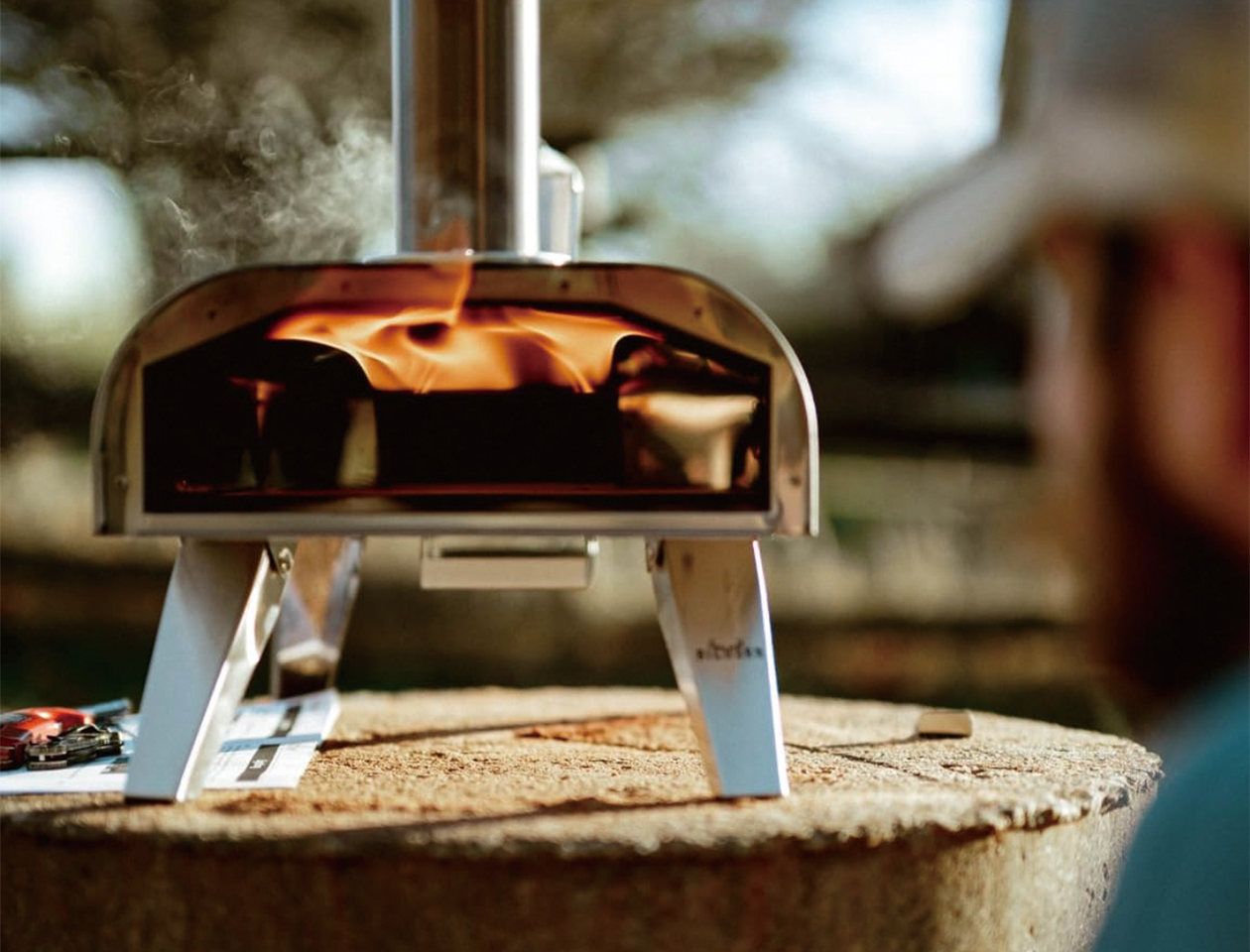
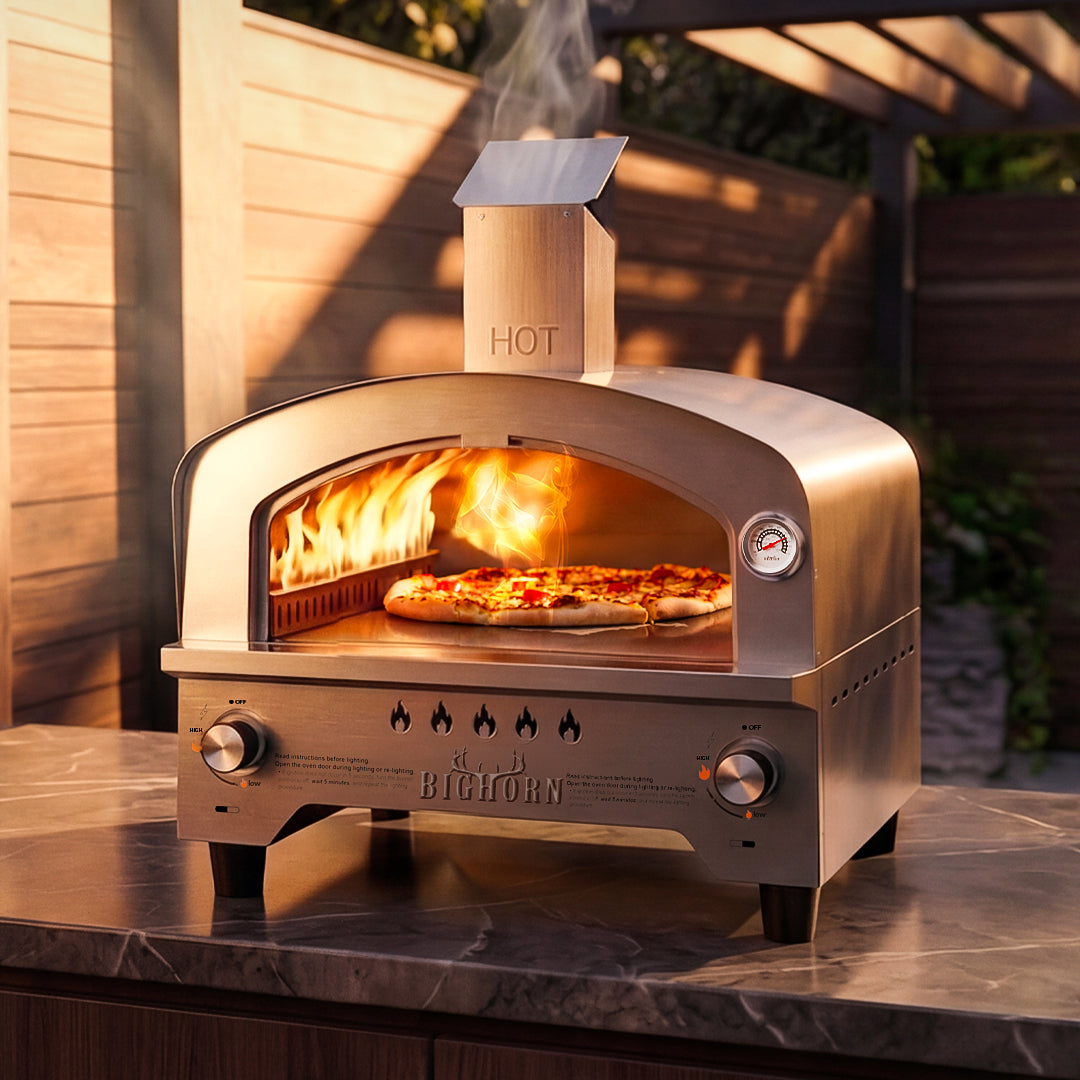
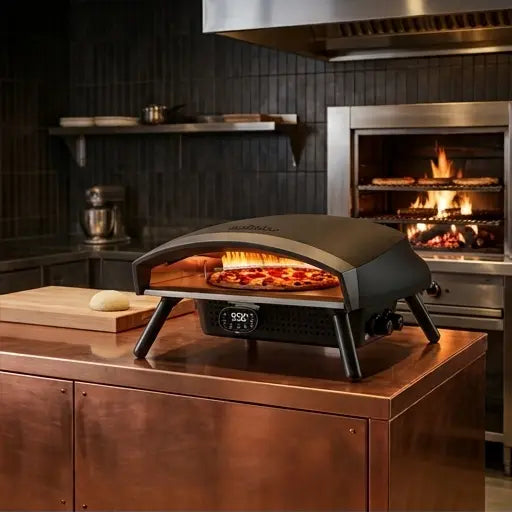
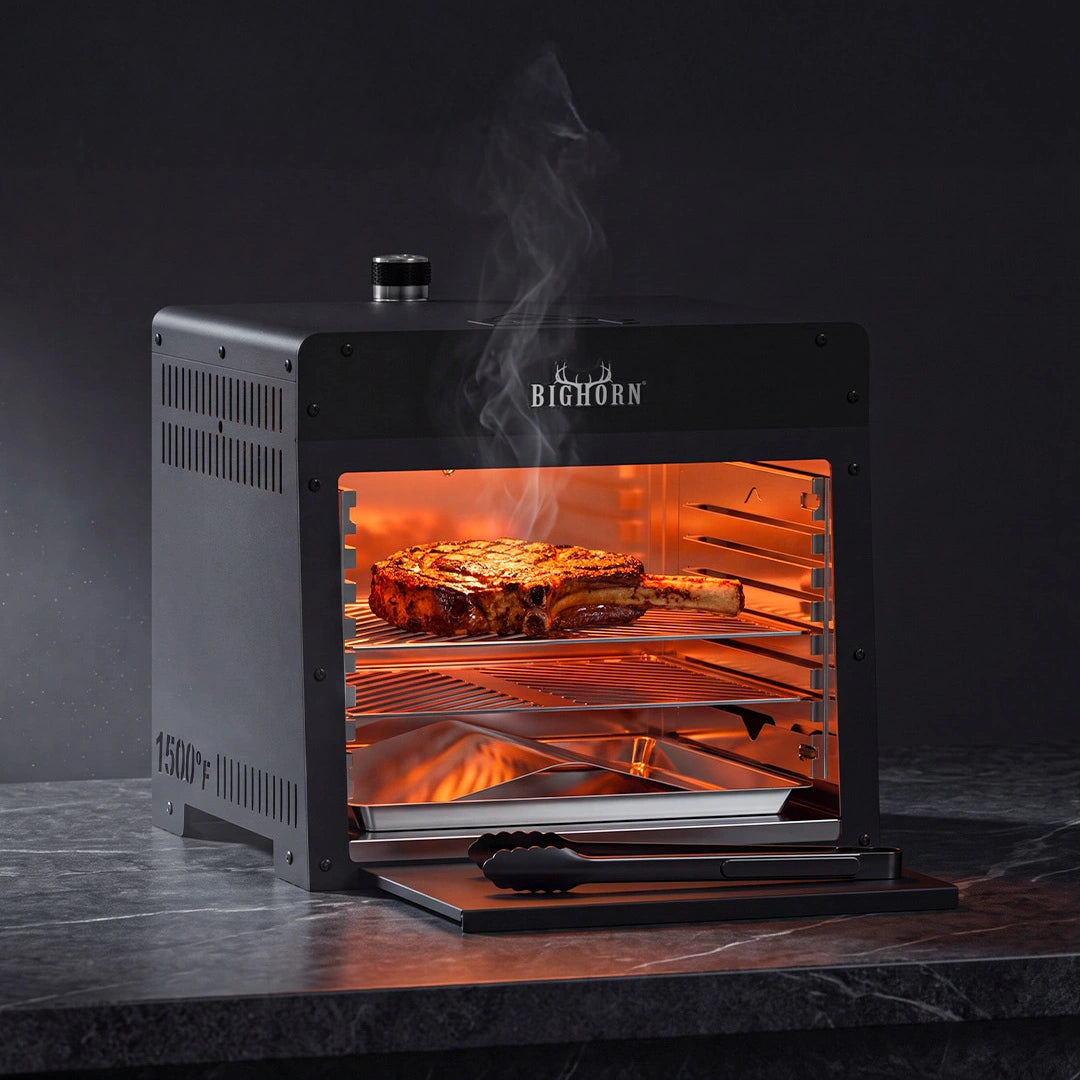
A Big Horn Outdoors live-fire setup can also complement pizza-oven cooking. Grill vegetables, sausage, or steak outdoors while a Big Horn Outdoors pizza oven handles high-heat flatbreads, pizzas, or roasted sides nearby. This division of tasks keeps the meal moving without crowding one cooking surface.
How Do You Cook Tri-Tip on a Santa Maria Grill?
Cook tri-tip by seasoning it simply, searing it close to hot hardwood embers, then raising the grate to finish gently until medium-rare or your preferred doneness. Rest the meat before slicing thinly against the grain. The adjustable grate prevents a burnt exterior while preserving a rosy, juicy center.
Use a tri-tip roast with even thickness and visible marbling. Pat it dry, coat lightly with oil if desired, and season generously with kosher salt, coarse black pepper, and garlic powder or garlic salt. Let the seasoning sit while the fire establishes clean, glowing embers.
Follow this reliable method:
-
Light hardwood or lump charcoal and wait for a stable coal bed with little harsh smoke.
-
Place the grate high and warm the tri-tip gradually for several minutes per side.
-
Lower the grate briefly to build a dark, savory crust without scorching the seasoning.
-
Raise the grate again and cook until the thickest section reaches about 130–135°F for medium-rare.
-
Rest for 10–20 minutes before slicing against the grain.
Tri-tip has two grain directions, so identify the grain before cooking if possible. Cut the roast into two sections where the grain changes, then slice each section across its own grain. This simple step makes a major difference in tenderness.
Serve with pinquito beans, grilled bread, salsa, salad, or roasted peppers for a complete Central Coast-inspired barbecue plate.
What Wood Should You Use for Santa Maria-Style Cooking?
Red oak is the traditional wood for Santa Maria-style cooking because it creates a clean, mild smoke and a steady ember bed. If red oak is unavailable, use other seasoned hardwoods such as white oak, post oak, pecan, or fruitwood. Avoid softwoods, painted lumber, treated wood, and damp wood.
The best firewood is clean, dry, and fully seasoned. Wet wood produces excessive smoke, uneven combustion, and a bitter residue on food. Split logs into manageable pieces so they ignite predictably and can be added gradually during a long cook.
Red oak is ideal, but it is not mandatory. The core technique is controlled cooking over quality hardwood embers. Choose alternatives based on flavor preference:
-
White oak offers a similarly balanced, versatile profile
-
Pecan brings a richer, slightly nutty smoke
-
Apple and cherry add mild sweetness to poultry and pork
-
Hickory creates a stronger profile, so use it in moderation
-
Lump charcoal provides dependable heat when wood access is limited
For the cleanest flavor, build the fire early and cook after the wood has developed a glowing coal base. Add a small split log only when you want a fresh burst of smoke or need to refresh the ember bed.
Can You Use a Santa Maria Grill for More Than Beef?
Yes, a Santa Maria grill can cook nearly any outdoor meal, including chicken, fish, vegetables, skewers, pizza toppings, and breakfast foods. Its adjustable grate makes it particularly useful for recipes requiring several heat levels. With the right cookware, it can also support cast-iron searing, Dutch-oven cooking, and fire-roasted side dishes.
The open design encourages versatile cooking. Place a cast-iron skillet on the grate for onions, peppers, bacon, or eggs. Set a Dutch oven high over moderate coals for beans, chili, or braised dishes. Use a plancha or griddle plate for tacos, smash burgers, and seafood.
For pizza-night hosting, use the grill for toppings and sides while a dedicated oven handles the pie. Big Horn Outdoors offers portable pizza ovens built for high-heat outdoor cooking, making a grill-and-oven station practical for patios, campsites, RV trips, and backyard parties.
This approach is especially helpful when entertaining. Grill protein over hardwood, roast vegetables in the pizza oven, and hold bread or sides on the upper grate. Every part of the meal stays outdoors, and the cooking area becomes a focal point rather than a hidden utility space.
Why Is Grate Height More Important Than Grill Temperature?
Grate height matters because it determines how much radiant heat reaches the food. On an open-fire grill, the coal bed changes constantly, so a single temperature number cannot describe every cooking zone. Raising or lowering the grate lets you respond immediately to heat intensity, flare-ups, thickness, and desired browning.
A lid thermometer measures air temperature in one location, but food on an open grill responds mainly to radiant energy from the embers below. The closer the grate is to hot coals, the faster the surface browns and the greater the risk of burning.
Use visual and sensory cues alongside a thermometer:
-
Hold your hand briefly above the grate to gauge relative heat from a safe distance
-
Watch for fat flare-ups and raise the grate quickly when they occur
-
Listen for a confident sizzle, not an aggressive, uncontrolled burn
-
Use an instant-read thermometer to verify internal doneness
-
Keep a cooler zone available for thicker foods and delicate ingredients
This control makes live-fire cooking less intimidating. Rather than fighting the fire, you adapt the food’s position to the fire.
Big Horn Outdoors Expert Views
“The best live-fire cooks are not about forcing the fire into one fixed temperature. They are about learning how food responds to distance, embers, airflow, and time. Raise the grate to build confidence and cook evenly; lower it only when you want deliberate sear and color. Pairing a versatile grill with a Big Horn Outdoors pizza oven can create an efficient outdoor kitchen where proteins, vegetables, and pizzas all finish at the right moment.”
Where Should You Set Up a Santa Maria Grill Safely?
Set up a Santa Maria grill outdoors on a stable, noncombustible surface with open airflow and ample clearance from buildings, railings, trees, furniture, and anything flammable. Never use it inside a garage, tent, enclosed patio, or RV. Keep a fire extinguisher, water source, and heat-resistant gloves nearby.
Because this style of grill is open, sparks and radiant heat deserve careful planning. A patio of concrete, stone, pavers, or compacted gravel is usually more suitable than a wood deck. If you must cook near combustible surfaces, use a purpose-built heat shield and follow the manufacturer’s placement guidance.
Create a safer cooking zone by:
-
Positioning the grill away from doors, windows, and foot traffic
-
Checking wind direction before lighting the fire
-
Keeping children and pets outside the hot-zone perimeter
-
Using long-handled tools, gloves, and a reliable meat thermometer
-
Disposing of ash only after it is completely cold
-
Cleaning grease and ash buildup before each major cook
Portable equipment expands where you can cook, but portability does not remove fire-safety responsibilities. Whether using a large live-fire grill or a compact Big Horn Outdoors camping stove, choose a level surface and maintain clear, attentive supervision.
When Should You Choose a Santa Maria Grill Over Other Grills?
Choose a Santa Maria grill when you want authentic hardwood flavor, visible fire control, a large cooking surface, and a social live-fire experience. It is especially useful for tri-tip, steaks, family gatherings, and multi-course outdoor meals. Choose a closed grill or pellet cooker instead when unattended low-and-slow cooking is your priority.
This grill style works best for cooks who enjoy tending the fire. It rewards attention with excellent crust, clean smoke, and flexible heat control. It is also a strong option when cooking for groups because a broad grate can handle several proteins and side dishes at once.
Consider your typical cooking habits before buying:
For a complete outdoor kitchen, combine tools by role rather than expecting one cooker to do everything. A Santa Maria grill can anchor the fire-cooking experience, while a Big Horn Outdoors pizza oven adds rapid baking and high-temperature versatility.
What Are the Most Common Santa Maria Grill Questions?
A Santa Maria grill is easy to learn when you understand coal management, grate height, and food temperature. New users should begin with simple cuts, cook over established embers, and keep the grate higher than they think they need. The following answers address common questions before your first live-fire cook.
Does a Santa Maria grill need red oak?
No. Red oak is traditional, but any clean, well-seasoned hardwood or quality lump charcoal can work. White oak, pecan, and fruitwoods are practical alternatives. The most important factor is a stable bed of clean-burning embers rather than a specific wood species.
Can beginners use a Santa Maria grill?
Yes. Beginners should start with vegetables, sausages, chicken thighs, or a small tri-tip. Build a two-zone fire, keep the grate high at first, and use an instant-read thermometer. The crank system makes it easier to correct heat mistakes than a fixed-grate fire pit.
How do you stop flare-ups on an open-fire grill?
Raise the grate immediately and move food away from the hottest coal area. Trim excessive surface fat when appropriate, avoid sugary sauces until late in cooking, and maintain an ember bed instead of cooking over tall flames. Never spray water on grease fires; use safe fire-control procedures.
Is a Santa Maria grill good for camping?
It can be, if the unit is compact, stable, and allowed at the campsite. Check local fire restrictions before using wood or charcoal. For smaller campsites, a portable Big Horn Outdoors stove or pizza oven may offer easier transport while still delivering outdoor-fired flavor.
What Should You Remember Before Your First Cook?
A Santa Maria grill delivers its best results when you cook over established embers, use grate height as your heat control, and treat the fire as part of the recipe. Start simple: season quality meat well, create a two-zone coal bed, sear briefly, finish gently, and rest proteins before slicing.
The essentials are straightforward:
-
Use seasoned hardwood or quality lump charcoal
-
Wait for clean-burning embers before cooking
-
Begin with the grate higher, then lower it for controlled searing
-
Cook by internal temperature, not time alone
-
Keep a cooler zone ready for flare-ups and finishing
-
Build the meal around shared outdoor cooking
Whether you are preparing classic tri-tip, vegetable skewers, or a full backyard feast, this approach turns outdoor cooking into an interactive experience. Add complementary equipment from Big Horn Outdoors when you want to expand from open-fire grilling into pizza, roasting, camping meals, and flexible outdoor entertaining.