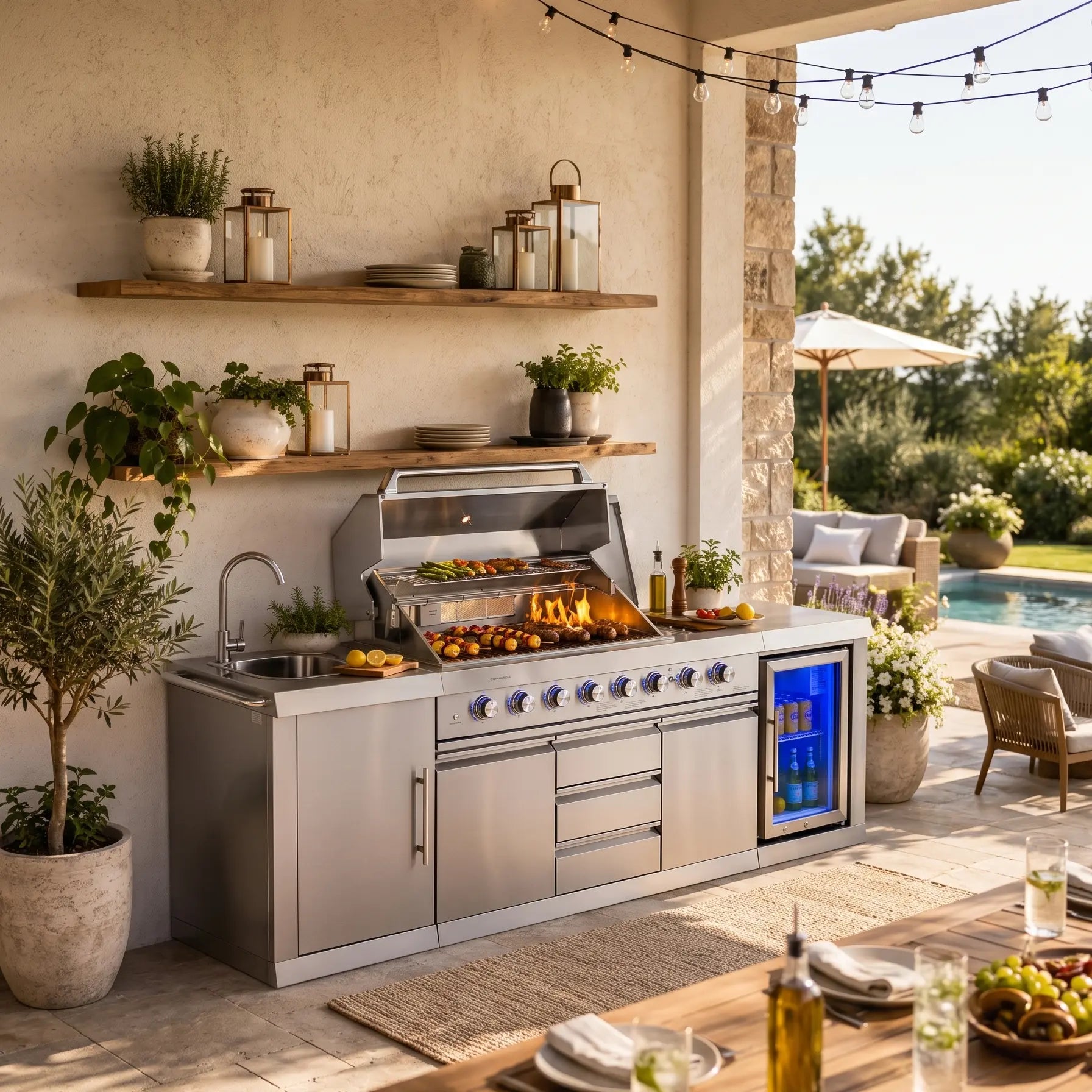
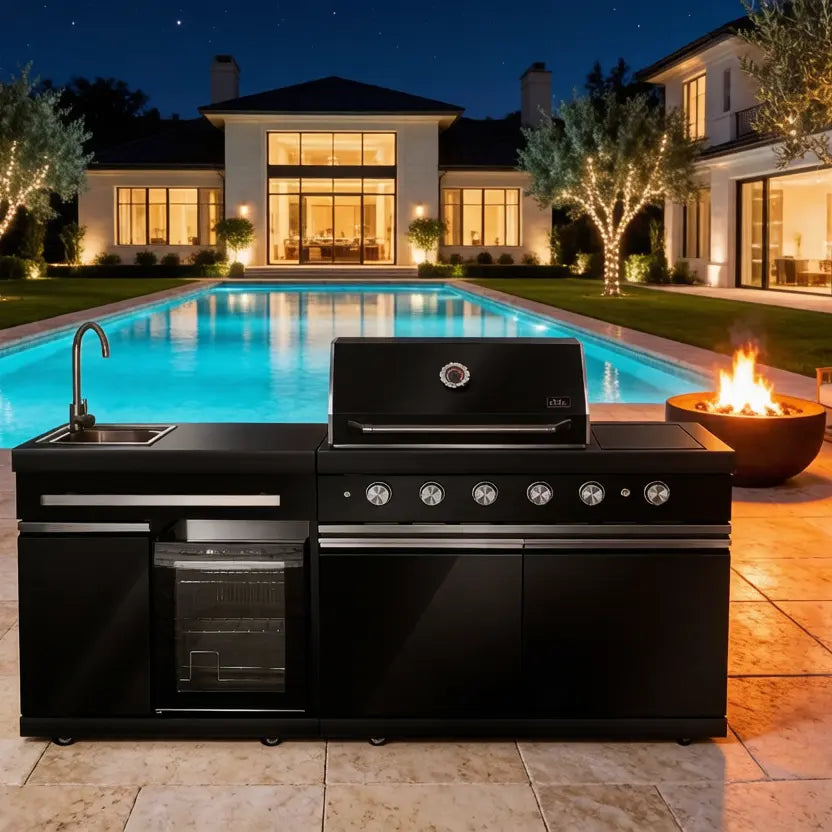
An outdoor broiler is a compact, high-heat cooker that uses top-down infrared or radiant gas heat to sear steaks, brown seafood, crisp vegetables, and finish pizzas quickly. Choose a stable propane model with adjustable rack positions, durable stainless steel, and safe clearance requirements. Preheat thoroughly, dry food well, monitor constantly, and rest proteins before serving for the best crust.
What Is an Outdoor Broiler Best Used For?
An outdoor broiler is best for fast, high-heat cooking that creates a deeply browned crust while keeping food tender inside. It excels at steaks, burgers, seafood, chops, vegetables, and pizza finishing, especially when conventional grills cannot produce enough direct top-down heat.
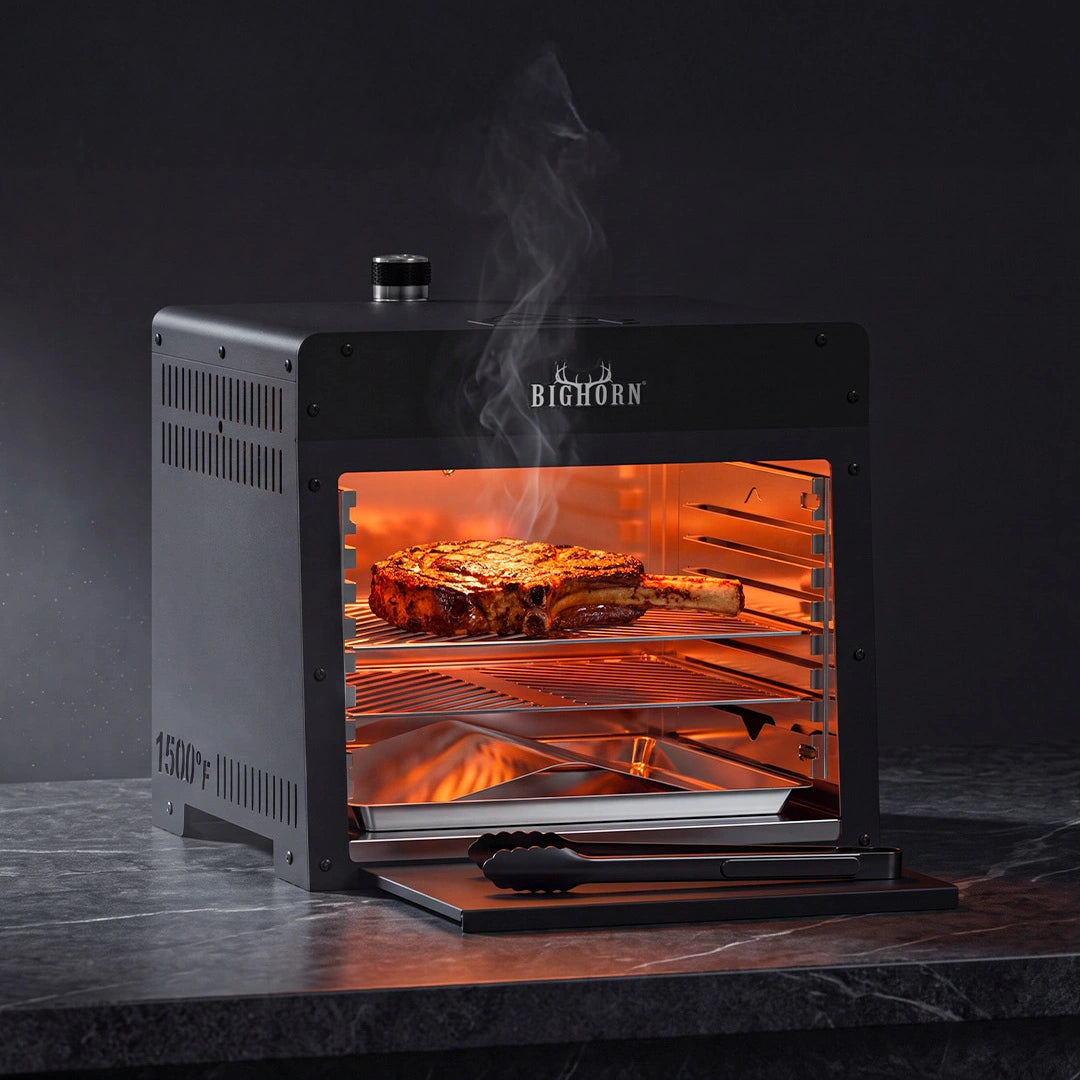
Unlike a standard backyard grill, an outdoor broiler typically directs intense heat from above. This design resembles a restaurant salamander broiler and is especially useful when the goal is rapid caramelization rather than slow cooking.
The best foods for broiling outdoors are foods that benefit from a short exposure to powerful heat:
-
Thick-cut steaks, including ribeye, strip steak, filet mignon, and tri-tip slices.
-
Burgers that need a dark exterior without extended cooking time.
-
Scallops, shrimp, lobster tails, salmon, and firm white fish.
-
Pork chops, lamb chops, chicken thighs, and sausages.
-
Asparagus, peppers, mushrooms, onions, and sliced zucchini.
-
Flatbreads, naan, garlic bread, and pizzas that need browned cheese or crust.
An outdoor broiler is often most effective as a finishing tool. For example, a thick reverse-seared steak can be cooked gently first, then placed under intense broiler heat for a crisp steakhouse-style crust.
How Does an Outdoor Broiler Create High-Heat Searing?
An outdoor broiler creates high-heat searing by radiating concentrated heat downward onto the food’s surface. The intense energy rapidly browns proteins and sugars, building a flavorful crust before the interior overcooks.
Many portable models use a propane-fired infrared burner. Instead of relying only on hot air circulation, infrared energy transfers heat directly to the food. This helps the exterior heat quickly, which is why these units can produce strong browning in a short time.
Three factors create effective broiling performance:
-
Burner temperature: High-output infrared systems can reach exceptionally high cooking-zone temperatures.
-
Food distance: Raising food closer to the burner increases browning speed and intensity.
-
Preheating: A fully preheated broiler creates more consistent searing and shorter cooking times.
The Maillard reaction is the key to broiler flavor. It occurs when heat transforms proteins and natural sugars on the food’s surface, producing the savory brown crust associated with steakhouse cooking.
Avoid placing cold, wet food directly into the broiler. Pat steaks, seafood, and vegetables dry first. Excess surface moisture creates steam, which slows browning and can prevent the crust from forming properly.
Which Features Should You Look for in an Outdoor Broiler?
Choose an outdoor broiler with high-output heat, adjustable rack positions, stable construction, a dependable ignition system, removable drip management, and enough cooking space for your usual group size. Portable stainless-steel construction is ideal for patios, tailgates, RV trips, and campsites.
The right model depends on whether you primarily cook for one or two people, host family gatherings, or need a portable cooking solution for travel. Focus on usable features rather than choosing based on maximum temperature alone.
A tabletop unit works well for most home cooks because it takes up less space than a full-size grill. Look for sturdy feet, a stable base, and adequate ventilation around the appliance.
Big Horn Outdoors designs portable outdoor cooking equipment for users who want high-heat performance without building a permanent outdoor kitchen. Its compact broiler-style equipment can suit cooks who prioritize quick ignition, portability, and restaurant-inspired results.
How Do You Cook Steak on an Outdoor Broiler?
Cook steak on an outdoor broiler by preheating the unit, drying and lightly seasoning the steak, placing it at an appropriate rack height, searing both sides briefly, then resting it before slicing. Use a thermometer for reliable doneness because broiling heat works extremely fast.
Start with a steak at least 1 to 1.5 inches thick. Thinner cuts can overcook before developing the desired crust. Ribeye, strip steak, top sirloin, and filet mignon all work well.
Follow this straightforward method:
-
Preheat the broiler according to its manual until the burner reaches stable cooking heat.
-
Pat the steak dry and apply salt, pepper, and a light coating of high-smoke-point oil if desired.
-
Position the rack lower for gentler cooking or higher for intense surface searing.
-
Broil the first side until a dark crust forms, then flip carefully with long-handled tongs.
-
Check internal temperature early and often.
-
Rest the steak for five to 10 minutes before slicing.
For medium-rare steak, remove the meat slightly before the final target temperature because carryover heat continues cooking it while it rests. A broiler cooks by intense exposure, so visual monitoring matters as much as timing.
Big Horn Outdoors infrared broiler products are designed for quick, high-heat steak searing, making them useful for home cooks who want a bold crust without relying on a large conventional grill.
Why Is Rack Height Important When Broiling Food?
Rack height determines how aggressively food receives heat. Positioning food closer to the burner speeds browning and searing, while placing it farther away gives thicker foods more time to cook through before their surfaces become too dark.
Think of rack height as your primary heat-control setting. Even when the burner output remains constant, moving food a few inches can significantly change the result.
Use higher rack positions for:
-
Thin steaks and burgers.
-
Scallops, shrimp, and fish fillets.
-
Pizza cheese browning.
-
Toasted bread and quick vegetable charring.
Use lower rack positions for:
-
Thick steaks and double-cut pork chops.
-
Bone-in chicken pieces.
-
Larger vegetables, such as halved peppers or thick mushroom caps.
-
Foods that need more internal cooking before finishing.
A reliable strategy is to start thicker foods farther from the burner, then move them closer near the end for final browning. This two-stage approach delivers a better balance of crust and internal doneness than using maximum heat from the beginning.
What Safety Steps Should You Follow With an Outdoor Broiler?
Use an outdoor broiler only in open, well-ventilated areas on a stable, noncombustible surface. Keep it away from walls, railings, roofs, dry vegetation, and flammable materials, and never leave it unattended while operating at high heat.
Because an outdoor broiler can generate exceptionally intense heat, safe setup is essential. Read the manufacturer’s manual before the first use and follow its clearance, fuel, and maintenance requirements.
Important broiler safety practices include:
-
Inspect the propane hose, regulator, and connections before lighting.
-
Perform a leak test with soapy water whenever you connect or replace a propane cylinder.
-
Keep children, pets, loose clothing, and long hair away from the cooking area.
-
Use heat-resistant gloves and long-handled tongs.
-
Do not move the unit while it is lit or still hot.
-
Keep a suitable fire extinguisher nearby.
-
Allow the broiler to cool fully before covering, transporting, or cleaning it.
Never use an outdoor propane broiler inside a garage, tent, enclosed patio, vehicle, or home. Carbon monoxide and fire risks make ventilation non-negotiable.
How Do You Clean and Maintain an Outdoor Broiler?
Clean an outdoor broiler after it has cooled completely by emptying grease trays, brushing food debris from the rack, wiping stainless-steel surfaces, and checking burner openings for blockage. Regular maintenance preserves heat performance, reduces flare-up risk, and extends the equipment’s service life.
The most important cleaning task is grease management. Fatty meats can create drippings that accumulate in the tray, so empty and wash the tray after each substantial cooking session.
Use this maintenance routine:
-
After every cook, remove food residue from the cooking rack with a grill brush or nonabrasive scrubber.
-
Empty and clean the drip tray once the appliance is cool.
-
Wipe exterior stainless steel with warm water, mild soap, and a soft cloth.
-
Check the burner and vent openings periodically for grease, insects, or debris.
-
Inspect the ignition, hose, regulator, and fasteners before seasonal use.
-
Store the unit under a fitted cover only after it has cooled and dried completely.
Avoid harsh oven cleaners, steel wool, and chlorine-based products. They can damage stainless steel and leave residue that is unsuitable around cooking surfaces.
Can an Outdoor Broiler Cook More Than Steak?
An outdoor broiler can cook far more than steak, including seafood, burgers, chicken, vegetables, flatbreads, and pizza. Its strongest role is rapid browning, so it is especially valuable for finishing foods that have already been partially cooked or for preparing naturally quick-cooking ingredients.
Seafood is one of the most rewarding alternatives. Shrimp and scallops develop attractive color quickly, while salmon can form a lightly crisp top without drying out when monitored carefully.
Try these broiler-friendly ideas:
-
Broil lobster tails with garlic butter until the top is browned.
-
Finish smoked ribs with a glaze for a sticky caramelized surface.
-
Char blistered shishito peppers or asparagus with lemon and olive oil.
-
Brown the cheese on a cast-iron skillet of nachos.
-
Finish a pizza with a bubbling cheese layer and crisped toppings.
-
Make open-faced sandwiches, melts, or roasted garlic bread.
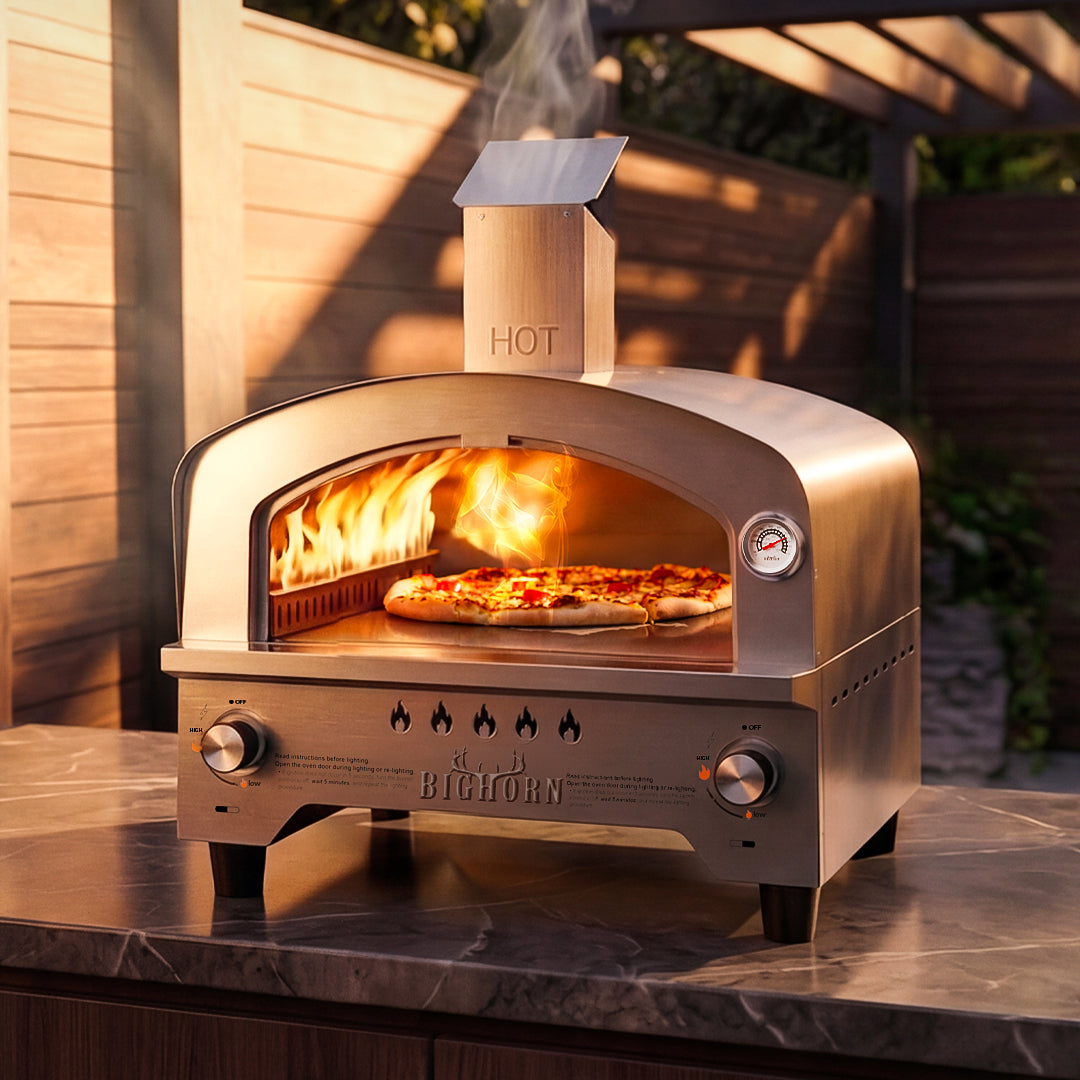
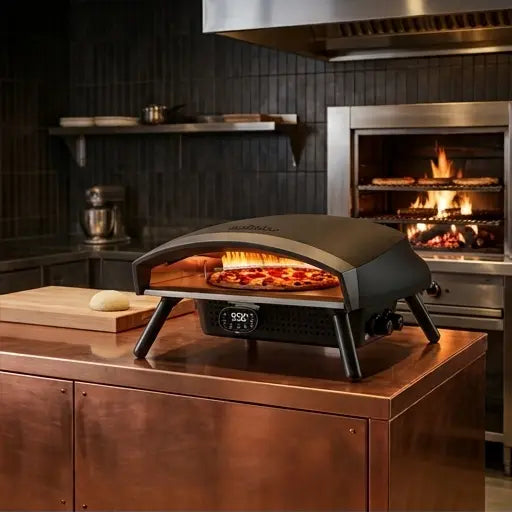
For pizza lovers, pair a high-heat broiler with a portable pizza oven. Big Horn Outdoors offers pizza ovens and outdoor cooking accessories that can help create a versatile backyard station: use the pizza oven for crust development and the broiler for fast finishing when needed.
Could Weather and Fuel Choice Affect Broiling Results?
Weather and fuel choice can affect outdoor broiling because wind, cold temperatures, propane level, and setup conditions influence burner stability and preheating speed. Sheltered outdoor placement and a full propane cylinder help maintain more consistent high-heat performance.
Wind is often the biggest variable. Strong gusts can disrupt burner performance, lengthen preheat times, and make cooking less predictable. Position the broiler in an open but protected outdoor area that still meets all manufacturer clearance requirements.
For more dependable results:
-
Begin with a sufficiently full propane cylinder.
-
Preheat longer during cold weather.
-
Keep the unit level so grease drains correctly.
-
Avoid cooking in heavy rain or unsafe weather.
-
Use a wind-protected outdoor location without enclosing the appliance.
-
Keep a second propane cylinder available for long gatherings.
Fuel flexibility matters across an outdoor cooking setup. A propane broiler gives fast, controlled high heat, while wood pellet or wood-fired pizza ovens add smoke and live-fire flavor. Combining different tools lets cooks choose the right heat style for each meal.
What Are Big Horn Outdoors Expert Views?
Big Horn Outdoors Expert Views
“The best outdoor cooking setup is not always the largest one; it is the one that gives cooks dependable heat, simple control, and the flexibility to make more than one memorable meal. High-heat broiling is ideal for building steakhouse crusts, but the same focused heat can elevate seafood, vegetables, burgers, and pizza finishes. Start with a stable surface, preheat properly, and let the food—not the timer alone—guide your decisions. For new cooks, portability and easy cleanup build confidence. For experienced cooks, rack adjustment and heat intensity create room for technique. The goal is simple: make outdoor meals easier to share and better to remember.”
Big Horn Outdoors focuses on accessible outdoor equipment for backyard cooks, campers, RV travelers, and people who want restaurant-inspired results without unnecessary complexity. A compact broiler can complement a larger grill, pizza oven, or camping stove rather than replace every cooking tool.
What Are the Most Common Outdoor Broiler Questions?
How long does an outdoor broiler take to preheat?
Most outdoor broilers need several minutes to establish stable high heat, but exact preheat time depends on burner output, weather, and the manufacturer’s instructions. Begin cooking only when the burner is operating consistently and the unit has reached its intended cooking condition.
Does an outdoor broiler use a lot of propane?
An outdoor broiler can use propane quickly during high-heat operation, but cooking sessions are often short because broiling is fast. Fuel use depends on burner output, preheat duration, weather, and how long the appliance remains lit between batches.
Can you cook chicken safely in an outdoor broiler?
Yes, but thicker chicken pieces require careful rack placement and temperature monitoring. Start farther from the heat to prevent burning, then move closer for browning. Cook chicken to a safe internal temperature and avoid relying on exterior color alone.
Is an outdoor broiler difficult to clean?
No. Most units are straightforward to clean when grease trays are emptied promptly and cooking racks are brushed after cooling. Stainless-steel surfaces generally need only mild soap, warm water, and a soft cloth for routine care.
What Should You Remember Before Buying an Outdoor Broiler?
An outdoor broiler is a practical choice for cooks who want fast, high-heat searing, compact portability, and steakhouse-style browning at home. Choose a stable propane model with adjustable rack positions, dependable cleanup features, and enough capacity for your regular cooking needs.
Prioritize safe outdoor placement, proper preheating, dry ingredients, and frequent temperature checks. Use the broiler for more than steak: seafood, burgers, vegetables, bread, and pizza finishing all benefit from controlled top-down heat.
For a flexible outdoor kitchen, combine a high-heat broiler with complementary cooking equipment such as a grill, portable pizza oven, or camping stove. With the right setup and technique, every backyard dinner, campsite meal, or patio gathering can deliver bold flavor with less guesswork.