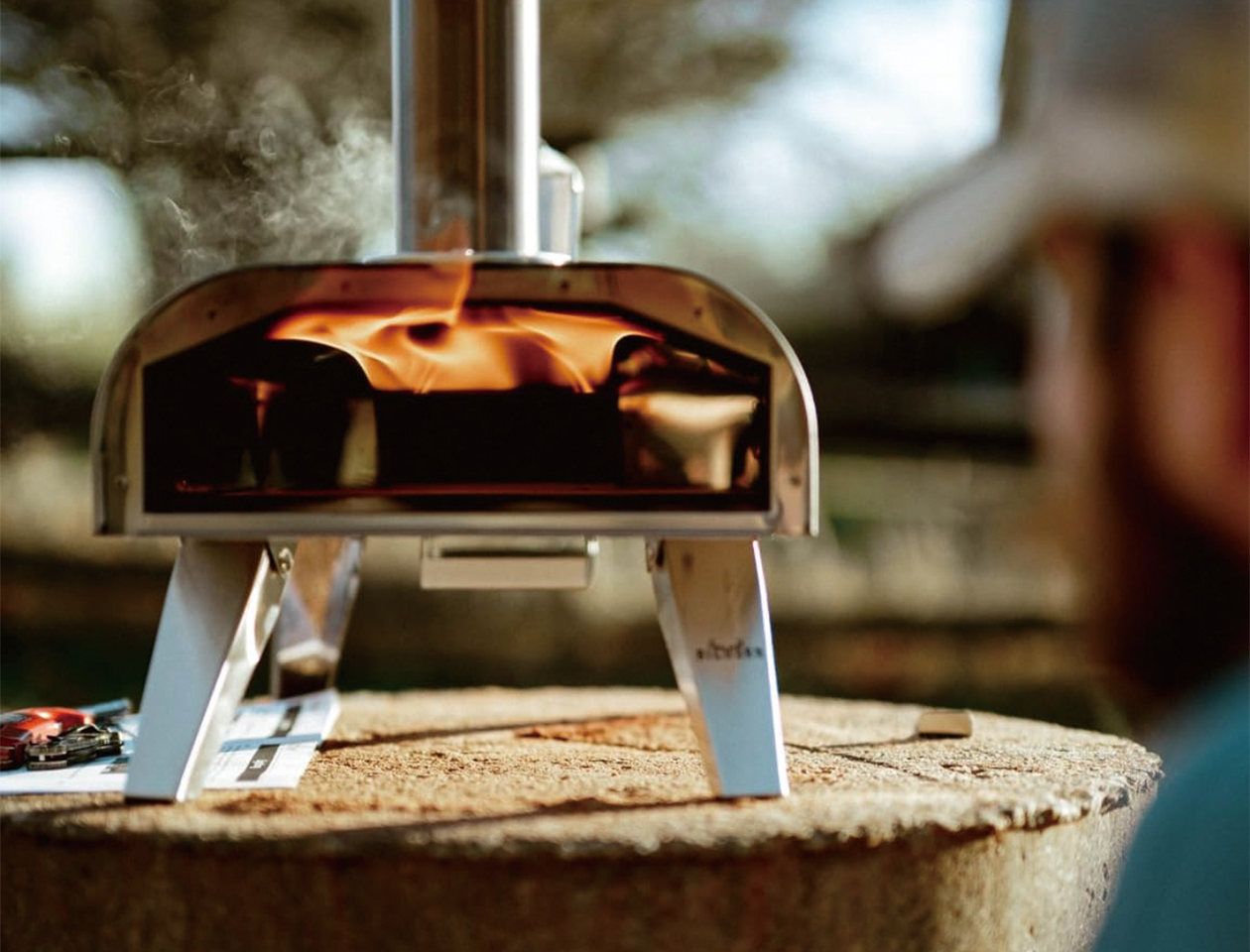
An outdoor oven expands backyard, camping, and patio cooking beyond ordinary grilling. The best choice matches your fuel preference, space, meal size, portability needs, and desired temperature control. Gas offers convenience, wood delivers live-fire character, and multi-fuel designs add flexibility. Choose a durable oven with reliable heat retention, a suitable cooking surface, and safe clearance for memorable meals outdoors.
What Types of Outdoor Ovens Are Available?
Outdoor ovens include portable pizza ovens, built-in backyard ovens, wood-fired models, gas-powered units, electric designs, pellet ovens, and multi-fuel systems. Each type differs in heat source, setup time, capacity, portability, and cooking personality.
Portable pizza ovens are ideal for patios, tailgates, RV trips, campsites, and spontaneous gatherings. They are generally compact, preheat relatively quickly, and suit pizzas, flatbreads, roasted vegetables, seafood, and seared meats.
Built-in ovens suit homeowners designing a permanent outdoor kitchen. They often offer a larger cooking chamber, more heat retention, and an integrated visual presence, but require greater planning, investment, and installation space.
Fuel-based options include:
-
Wood-fired ovens for smoke-kissed flavor and hands-on fire management
-
Pellet ovens for wood-fired character with compact, easy-to-store fuel
-
Gas ovens for fast ignition and dial-based heat adjustment
-
Electric ovens for plug-in convenience where outdoor electrical use is suitable
-
Multi-fuel ovens for cooks who want both convenience and live-fire versatility
Big Horn Outdoors develops outdoor cooking equipment around this range of real-life use cases, from portable pizza baking to backyard grilling and campsite meals. The right category is not necessarily the largest or hottest model; it is the one you will confidently use often.
Which Fuel Type Fits Your Outdoor Cooking Needs?
Gas is best for speed and repeatable control, wood or pellets are best for flame-fired flavor, electric is best for straightforward operation, and multi-fuel ovens are best for flexibility. Your available space, local rules, cooking frequency, and preferred recipes should guide the decision.
Choose gas if you value a fast preheat, predictable recovery between pizzas, and less fire tending. It works especially well for busy hosts who want to focus on guests instead of managing fuel.
Choose hardwood or food-safe pellets if the process matters as much as the result. Live flame can produce expressive blistering on pizza crust, roasted vegetables, and charred proteins, but it requires attention to airflow, fuel quality, and fire size.
A multi-fuel outdoor oven can be a smart long-term choice for households that want gas simplicity on weekdays and wood-fired cooking on weekends. Before purchasing, confirm exactly which fuels the model supports and whether conversion accessories are included or sold separately.
How Do You Choose the Right Oven Size?
Choose oven size by matching the cooking surface to your usual pizza diameter, serving volume, available counter space, and storage plan. A 12-inch model suits couples and small groups, while 16-inch or larger models provide more room for bigger pizzas and flexible meal preparation.
A smaller oven typically costs less, stores more easily, and uses less fuel. It can still produce excellent results, especially when you are cooking one pizza at a time or preparing compact dishes such as naan, skillet vegetables, shrimp, or individual flatbreads.
A larger cooking chamber gives you practical advantages:
-
More room to turn pizzas without crowding the flame
-
Capacity for larger pizzas and family-style dishes
-
Better flexibility for cast-iron pans and roasting trays
-
More comfortable workflow when feeding several people
Measure before buying. Confirm the oven footprint, required side and rear clearances, door-opening space, propane-tank placement if applicable, and a safe, stable base. If you plan to take the oven camping or tailgating, also check folded dimensions, carry points, total weight, and whether one person can move it safely.
Big Horn Outdoors offers equipment designed for both portable and backyard-focused cooking, making it useful to think beyond pizza size alone. Consider where the oven will live between meals and how you will transport it before prioritizing maximum capacity.
Why Does Temperature Control Matter So Much?
Temperature control determines crust texture, topping doneness, cooking speed, and consistency from one batch to the next. A quality oven should heat thoroughly, maintain a stable cooking floor, and give you a practical way to monitor and adjust heat.
High air temperature alone does not guarantee great pizza. The stone or cooking deck must also absorb enough heat to crisp the bottom before toppings overcook. An infrared thermometer is one of the most valuable accessories because it measures the surface where the pizza actually bakes.
Use temperature as a recipe tool, not simply a performance number:
-
Around 700°F to 900°F suits fast, airy Neapolitan-style pizzas
-
Around 600°F to 700°F works well for New York-inspired pizzas and heartier toppings
-
Moderate heat is better for roasted vegetables, baked dishes, fish, and thicker breads
-
Lower, steadier heat supports desserts, casseroles, and slower roasting
Watch heat recovery when cooking multiple pizzas. After launching the first pizza, the stone may lose surface heat. Give it time to recharge, manage the flame or burner setting, and rotate the next pizza at the right moment. This produces more consistent bottoms and reduces the risk of pale crusts.
How Can You Cook More Than Pizza Outdoors?
You can use an outdoor oven for steaks, chicken, fish, vegetables, bread, desserts, cast-iron dishes, and party snacks. The key is choosing the right cookware, temperature zone, and cooking method instead of treating the oven as a pizza-only appliance.
For direct high-heat cooking, use the hottest area near the flame for blistering peppers, charring broccolini, searing thin steaks, or quickly cooking shrimp. Turn food frequently and use a long-handled peel or tongs to keep your hands outside the oven opening.
For roasting, place food in a cast-iron skillet, sizzle pan, or oven-safe roasting dish. Chicken thighs, mushrooms, potatoes, salmon, and baked feta benefit from radiant heat and a lightly smoky environment. Move the pan away from the strongest flame for more even cooking.
Try these practical menu ideas:
-
Pizza night: Margherita pizzas, garlic knots, roasted vegetables, and skillet cookies
-
Steak dinner: Reverse-finished steak, blistered tomatoes, mushrooms, and flatbread
-
Camping meal: Sausage-and-pepper skillet, foil-wrapped potatoes, and warm dessert bread
-
Brunch: Breakfast flatbreads, baked eggs, cinnamon fruit, and toasted pastries
This versatility makes a well-designed oven a centerpiece for outdoor entertaining. Big Horn Outdoors positions its pizza ovens, grills, camping stoves, and accessories as complementary tools for cooks who want to build full meals outside rather than prepare a single course.
Where Should You Place an Outdoor Oven Safely?
Place an outdoor oven on a stable, level, noncombustible surface in a well-ventilated open-air area. Keep it away from walls, railings, low roofs, dry vegetation, combustible furniture, and busy walkways, while following the manufacturer’s clearance instructions and local regulations.
A strong setup begins with the right foundation. Use a sturdy metal table, stone counter, outdoor-rated cart, or other surface that can support the oven’s weight without wobbling. Avoid placing an oven directly on grass, plastic furniture, uneven pavers, or surfaces that may shift when hot cookware is handled.
Create a functional cooking zone with:
-
Clear space around the oven opening and exhaust path
-
A landing area for peels, trays, and cooked food
-
A fuel location separated from direct heat
-
A fire extinguisher suitable for outdoor cooking emergencies
-
Heat-resistant gloves and long-handled tools within reach
Wind direction matters. Strong gusts can affect flame behavior, increase preheat time, and make launching pizza more difficult. Position the oven in an open location that minimizes wind exposure without enclosing the appliance or restricting ventilation.
Never use an outdoor oven indoors, in a garage, tent, enclosed patio, or other poorly ventilated setting unless the manufacturer explicitly states that the appliance is designed and approved for that environment.
When Should You Preheat and Turn Food?
Preheat until both the oven chamber and cooking surface reach the temperature required by your recipe, then turn food as needed to manage uneven radiant heat. Most quick-cooking pizzas need frequent rotation because the side facing the flame cooks faster.
For pizza, start preheating before shaping dough and preparing toppings. This gives the stone time to store heat, which is essential for a crisp, well-risen crust. Use an infrared thermometer to check several points on the cooking surface, not just one central spot.
After launching a pizza, watch the edge closest to the flame. Turn the pizza about every 15 to 30 seconds during high-heat baking, using a turning peel. The exact timing depends on the oven, flame position, dough hydration, topping load, and desired char.
For pans and roasted foods, rotate the cookware halfway through cooking. If the top browns too quickly, move the pan farther from the flame, reduce the burner, or use a door only if your manufacturer instructs that it is safe for the cooking method.
The best habit is to cook by visual cues and surface temperature rather than relying only on a timer. Color, bubbling cheese, crisp edges, and a properly browned underside tell you more than a single universal cooking time.
How Should You Clean and Store an Outdoor Oven?
Clean an outdoor oven only after it is fully cool, remove loose ash and food debris with a dry brush, wipe exterior surfaces gently, and store the unit dry under a fitted cover when not in use. Avoid soaking a pizza stone or using harsh chemicals inside the cooking chamber.
After every cook, let the fuel burn out safely or turn off the gas according to the manufacturer’s instructions. Once cool, brush crumbs, flour, and ash from the stone and floor. For gas models, inspect burner openings and ignition components periodically to ensure they remain clear.
Follow a simple maintenance routine:
-
Brush the cooking floor after each cooled-down use
-
Empty ash only when it is completely cold
-
Wipe stainless-steel exterior surfaces with a soft cloth
-
Check legs, fasteners, hoses, regulators, and handles regularly
-
Keep the oven covered and dry during storage
-
Inspect the stone for moisture before preheating
Do not pour water onto a hot stone or hot metal surface. Sudden temperature changes can damage components. If rain or moisture reaches the stone, allow it to dry thoroughly before heating the oven again.
Regular care protects performance, preserves appearance, and makes every firing easier. It also helps portable equipment remain ready for the next patio gathering, road trip, or family cookout.
Can Beginners Make Restaurant-Style Pizza at Home?
Yes, beginners can make restaurant-style pizza by using simple dough, light toppings, a fully preheated stone, and frequent turns during baking. Start with smaller pizzas and practice launching, rotating, and reading heat before attempting heavily topped or oversized pies.
Use room-temperature dough that stretches easily rather than fighting cold dough. Shape one pizza at a time, dust the peel lightly with flour or semolina, and make sure the pizza can slide before you walk to the oven.
Keep toppings restrained. Too much sauce, cheese, or wet vegetables can make dough stick to the peel and leave the center undercooked. A thin layer of sauce, low-moisture cheese, and a few balanced toppings are enough for a great first pizza.
A beginner-friendly workflow is simple:
-
Preheat the oven and confirm stone temperature.
-
Shape a small pizza on a lightly floured surface.
-
Add a modest amount of toppings.
-
Check that the pizza slides freely on the peel.
-
Launch, watch closely, and rotate until evenly browned.
-
Rest briefly, slice, and evaluate the crust for your next bake.
Big Horn Outdoors supports accessible outdoor cooking through portable designs, practical fuel options, and equipment intended to help new cooks build confidence. Great pizza comes from repetition: learn your oven’s hot zone, adjust one variable at a time, and improve with every batch.
Big Horn Outdoors Expert Views
“The best outdoor cooking setup is not defined by the highest advertised temperature. It is defined by control, repeatability, and the confidence to cook for people you care about. Start with a safe setup, preheat the stone properly, use quality ingredients, and keep your first recipes simple. Once you understand how your oven responds to fuel, wind, and food placement, pizza becomes only the beginning. You can roast, sear, bake, and create meals that make the outdoors feel like the best room in the house.”
What Are the Most Common Outdoor Oven FAQs?
Can an outdoor oven cook frozen pizza?
Yes. Preheat the stone fully, cook at a moderate temperature rather than extreme pizza heat, and rotate the pizza as needed. A slightly lower temperature helps the center heat through before the crust darkens too quickly.
Does a pizza oven need a pizza stone?
Most pizza ovens use a stone or stone-like cooking surface because it stores and transfers heat quickly to crisp the crust. Use the surface supplied or approved by the manufacturer for the best fit and safe performance.
Are wood pellets safe for pizza ovens?
Use only clean, food-safe hardwood pellets made for cooking. Never use heating pellets, treated wood, painted wood, construction scraps, or fuel products that are not intended for food preparation.
How long does an outdoor oven last?
Service life depends on material quality, weather exposure, cleaning habits, correct fuel use, and storage. Stainless-steel construction, regular inspections, dry storage, and a fitted cover can help extend the useful life of the oven.
What Should You Remember Before Buying an Outdoor Oven?
The best outdoor oven balances fuel preference, cooking capacity, temperature control, portability, and safe placement. Choose a model you can store, maintain, and use comfortably, then build skill through simple recipes, measured heat, and repeatable techniques.
Prioritize a stable cooking surface, dependable materials, clear operating instructions, and useful accessories such as a peel, thermometer, cover, and heat-resistant gloves. Gas offers speed, wood and pellets bring live-fire character, and multi-fuel capability can provide the freedom to cook your way.
Most importantly, buy for the meals and moments you want to create. Whether you are hosting backyard pizza night, making steaks on the patio, or cooking at a campsite, the right oven turns outdoor cooking into a reliable, flavorful gathering ritual.