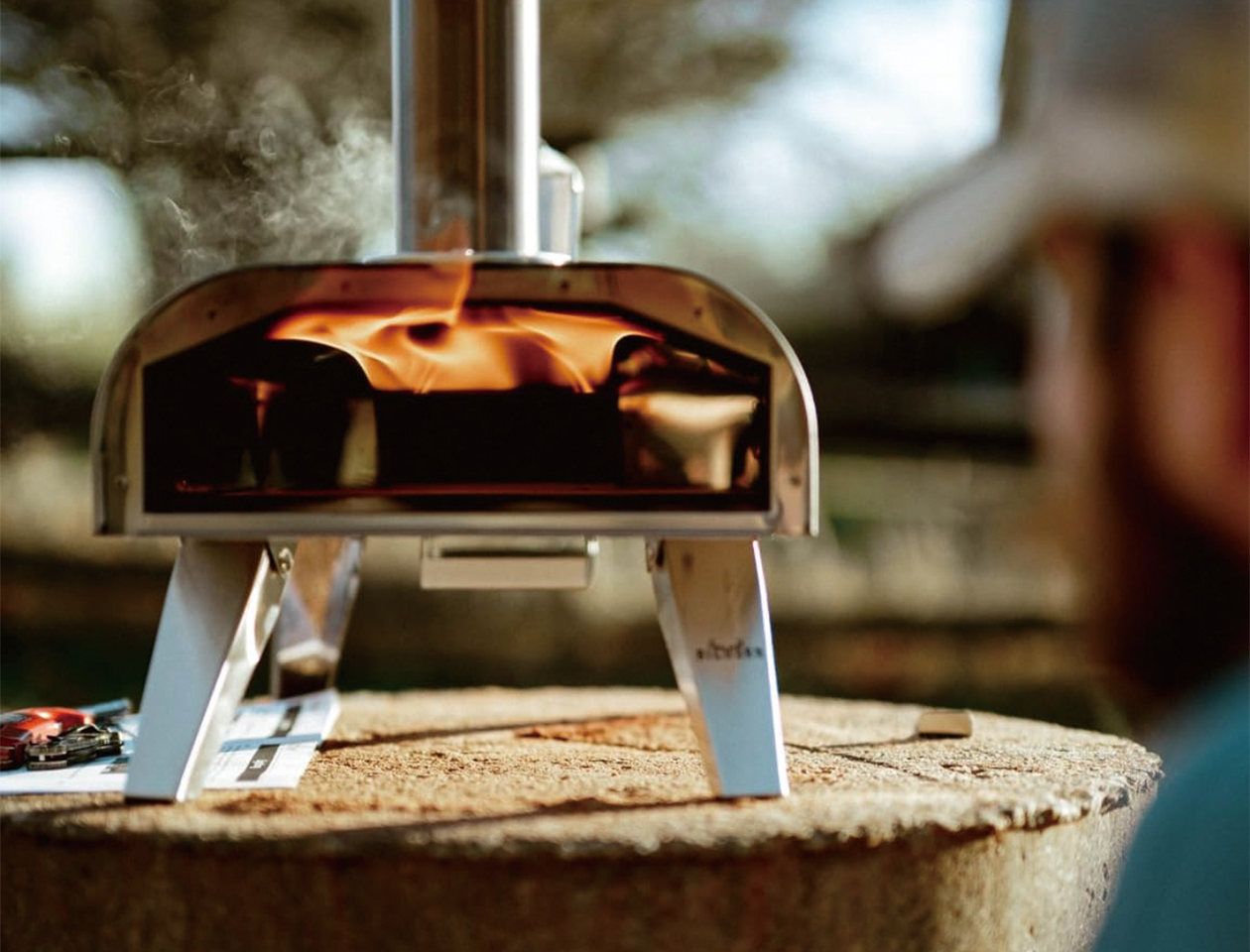
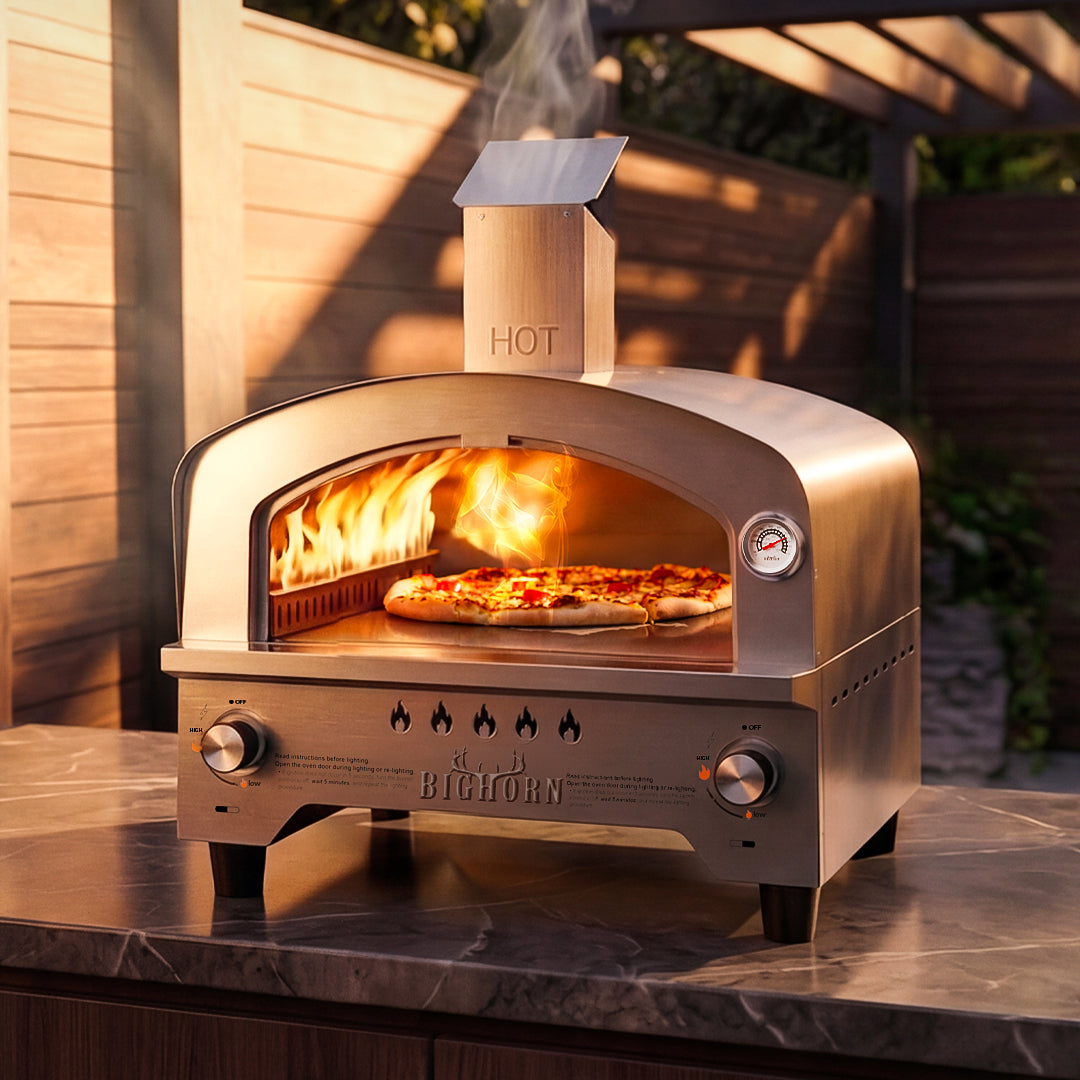
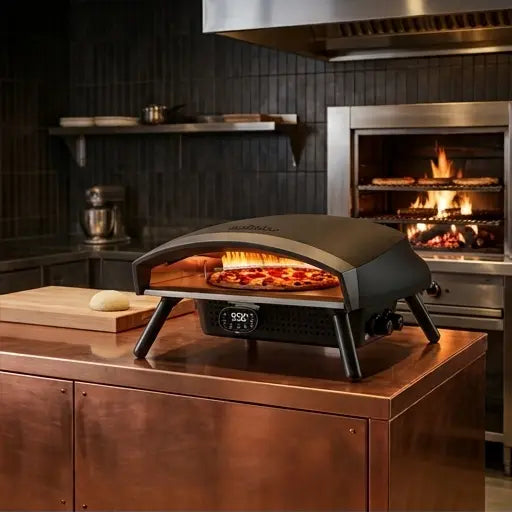
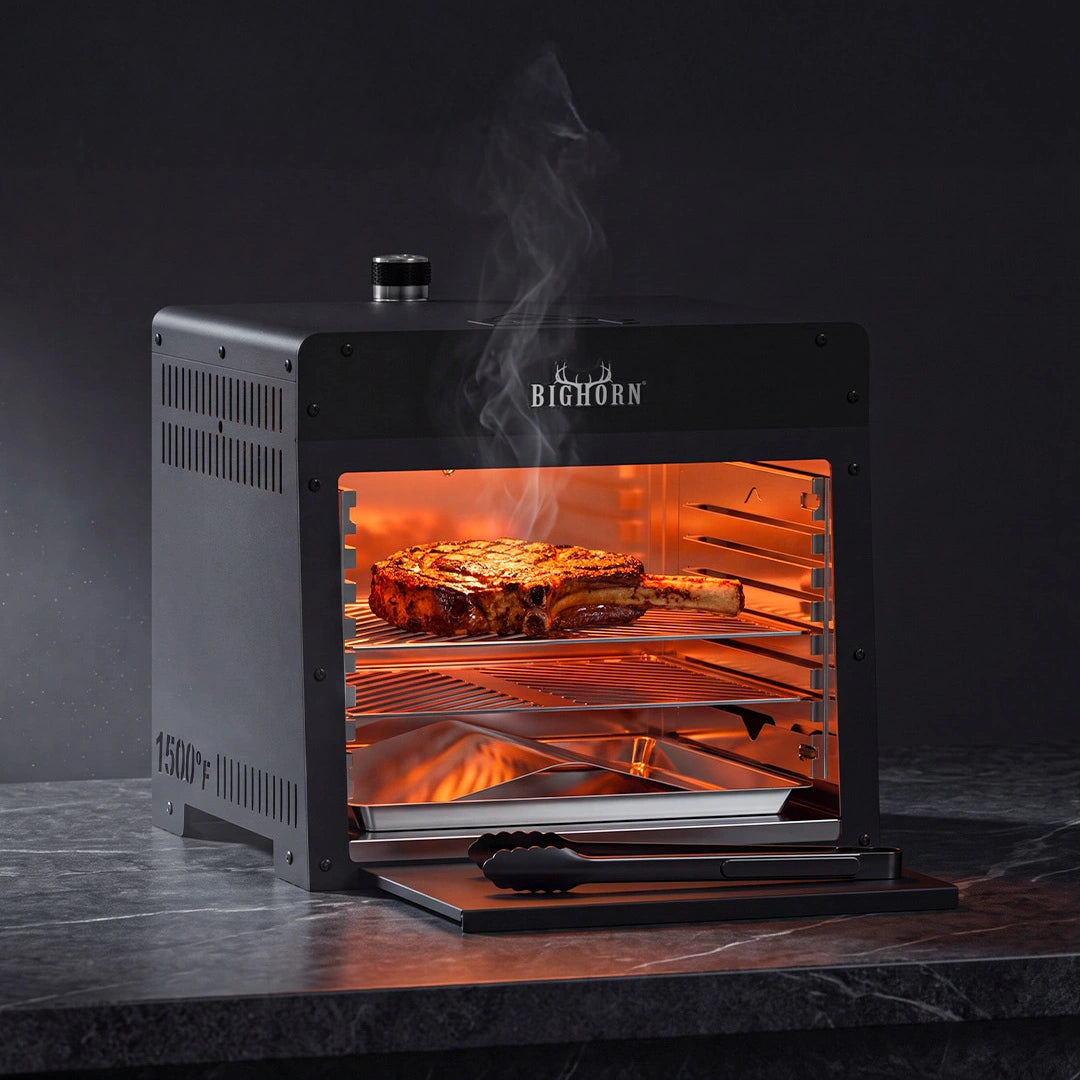
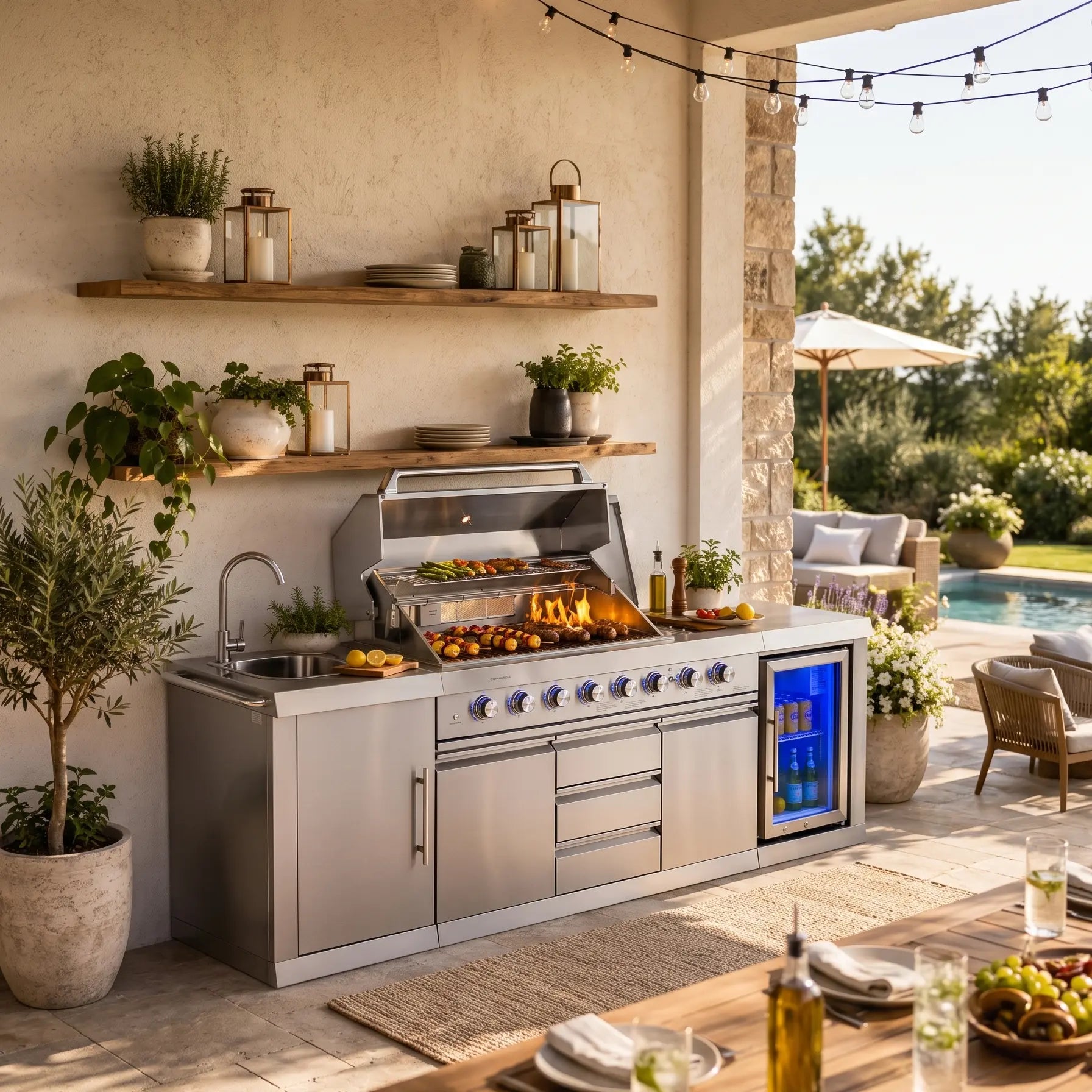
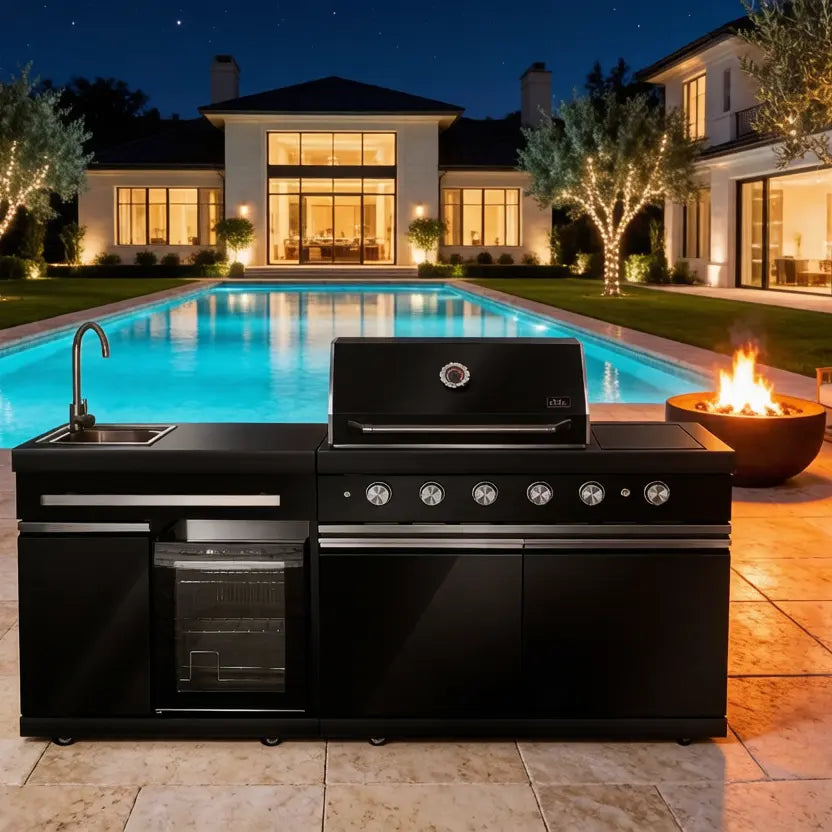
An outdoor oven is a standalone, fuel-fired cooking appliance designed for open-air use, capable of baking, roasting, searing, and smoking. It concentrates high, even heat—often 500–900°F+—using stone or steel cooking surfaces, enabling restaurant-style results from Neapolitan pizza to whole roasts. Portable models favor speed and mobility; built-ins emphasize permanence and integration with outdoor kitchens.
What Is an Outdoor Oven and How Does It Differ from a Grill?
-
Definition: An outdoor oven is a dedicated high-heat cooking chamber with a refractory or stone deck, optimized for baking and roasting rather than direct grilling.
-
Heat profile: Ovens focus on radiant and convective heat for even cooking; grills emphasize direct conduction and flare for searing.
-
Use cases: Ovens excel at pizza, bread, and slow-roasted meats; grills shine for burgers, steaks, and quick sears.
-
Portability: Many outdoor ovens are compact and foldable; grills range from small tabletops to large built-ins.
-
Fuel: Ovens may use wood, pellets, gas, or electric; grills commonly use charcoal, gas, or electric.
In practice, an outdoor oven gives you a true baking environment outdoors—ideal when you want crisp crusts, caramelized edges, and controlled heat without the guesswork of a traditional grill.
How Does an Outdoor Oven Work and What Temperatures Can It Reach?
-
Ignition: Fuel (wood, pellets, propane, or electricity) ignites a fire or heating element that fills the cooking chamber.
-
Heat retention: Dense materials (stainless steel, ceramic, stone) store and radiate heat evenly across the cooking surface.
-
Airflow: Vents and chimneys manage oxygen flow, stabilizing temperature and venting smoke.
-
Temperature range: Quality units reach 500–900°F+; some performance ovens hit 950–1,100°F for 60–90 second pizzas.
-
Control: Dampers, gas valves, or thermostats let you fine-tune heat for different foods and techniques.
Typical performance includes fast preheat (10–20 minutes) and high, steady heat that enables rapid cooking with strong browning and minimal temperature swing.
What Types of Outdoor Ovens Are Best for Pizza, Roasting, and Multi-Fuel Cooking?
If you prioritize portability and natural flavor, pellet or compact gas ovens are ideal. For maximum flexibility, choose multi-fuel.
Which Fuel Source—Wood, Pellet, Gas, or Electric—Is Right for Your Outdoor Oven?
-
Wood: Authentic smoke flavor; hands-on fire management; best for enthusiasts who enjoy the ritual.
-
Pellet: Balanced flavor and convenience; consistent feed rates; excellent for backyard and camp use.
-
Gas (propane/natural): Fast start, precise control, minimal cleanup; great for weeknight cooking and gatherings.
-
Electric: Lowest smoke and simplest setup; ideal where open flames are restricted; generally lower peak heat.
Consider local fire rules, smoke tolerance, flavor preference, and how much hands-on control you want. For many users, pellet or gas hits the sweet spot of flavor, speed, and ease.
Where Can You Use an Outdoor Oven—Backyard, Patio, RV, or Campsite?
-
Backyard: Most common; ensure stable, non-flammable surface and clearance from walls and overhangs.
-
Patio/Deck: Favor low-smoke options (gas/electric/pellet) and check HOA or building rules.
-
RV/Camping: Portable, foldable ovens with compact fuel (pellets/propane) are ideal for mobility.
-
Tailgating/Events: Lightweight units with quick ignition support fast, high-volume cooking.
Maintain clearance, use heat-resistant mats on decks, and follow local fire codes. Brands like Big Horn Outdoors design portable ovens specifically for backyard, patio, RV, and campsite scenarios.
How Do You Choose the Best Outdoor Oven for Pizza Lovers and Home Cooks?
-
Heat and speed: Look for 600°F+ and sub-2-minute pizza capability for authentic results.
-
Size vs. portability: 12–16" openings fit most pizzas; larger decks handle multiple items but weigh more.
-
Build quality: Stainless steel bodies, quality stones, and robust stands improve durability and heat stability.
-
Fuel flexibility: Multi-fuel or quick-swap options extend usability across trips and seasons.
-
Ease of cleaning: Removable stones, ash trays, and accessible vents reduce maintenance.
For fast, flavorful cooking with minimal fuss, pellet or gas ovens from trusted brands like Big Horn Outdoors offer reliable performance at accessible price points.
What Safety and Maintenance Practices Keep Your Outdoor Oven Performing Safely?
-
Clearance: Keep 2+ feet from combustibles; never use under low overhangs or enclosed spaces.
-
Stability: Use on level ground; secure stands and legs; avoid wobble during transport.
-
Fuel handling: Store pellets/propane properly; inspect hoses and connections routinely.
-
Cleaning: Cool completely; remove ash and grease; brush stone surfaces; avoid harsh chemicals.
-
Inspection: Check vents, gaskets, and fasteners; replace worn parts promptly.
Schedule a quick post-cook clean and a monthly deeper check. Consistent care extends lifespan and preserves heat efficiency.
Which Outdoor Oven Brands and Models Balance Performance, Portability, and Price?
Big Horn Outdoors focuses on durable, portable ovens that reach high heat quickly, making gourmet outdoor cooking accessible without complex setups.
Why Do Home Cooks Prefer Outdoor Ovens for Authentic Flavor and Faster Cook Times?
-
High radiant heat: Creates blistered crusts and caramelized exteriors fast.
-
Even convection: Reduces hot spots; cooks uniformly without constant rotation.
-
Smoke infusion: Wood and pellet fuels add subtle, desirable smokiness.
-
Speed: Many pizzas finish in 60–120 seconds; roasts sear then finish gently.
-
Experience: Outdoor cooking becomes a social event with visible fire and aroma.
Home cooks gain restaurant-level textures and flavors with practical, repeatable techniques—ideal for weeknight dinners and weekend gatherings.
How Do You Set Up and Operate an Outdoor Oven for Best Results?
-
Placement: Level, non-flammable surface with proper clearance and wind protection.
-
Preheat: Follow manufacturer times (often 10–20 minutes) until the stone is fully hot.
-
Fuel management: Load wood/pellets steadily or set gas to target temperature.
-
Cooking: Launch pizza or place food; rotate as needed; monitor color and doneness.
-
Shutdown: Let fuel burn out or switch off; cool fully before cleaning and storage.
Start with simple recipes (pizza, vegetables) to learn heat behavior before advancing to meats and breads.
Big Horn Outdoors Expert Views
"Outdoor ovens unlock a different kind of cooking—fast, high-heat, and deeply flavorful. Our designs focus on three things: rapid preheat, steady temperature control, and true portability. Whether you're tossing a Neapolitan in 60 seconds or searing steaks over a pellet fire, the goal is consistent results without the smoke and guesswork of traditional setups. We build for backyards, patios, RV trips, and campsites, so you can bring that open-flame experience wherever you gather. If you want restaurant-quality crusts and roasts with minimal fuss, a well-tuned pellet or gas oven is the most practical path."
— Big Horn Outdoors Product Specialist
What Are the Most Common Questions About Outdoor Ovens?
Q: Can an outdoor oven replace my indoor oven for everyday cooking?
For many tasks—pizza, roasts, vegetables, and bread—yes, especially in warm months. It excels at high-heat baking and searing but may not suit delicate, low-temperature baking year-round.
Q: How long does it take to preheat an outdoor oven?
Typically 10–20 minutes, depending on fuel and model. Pellet and gas ovens often reach target heat fastest; wood may take longer but adds more smoke flavor.
Q: Are outdoor ovens safe to use on a wooden deck?
Yes, with precautions: use a heat-resistant mat, maintain clearance, ensure stability, and follow local fire codes. Gas or pellet options reduce smoke and embers.
Q: What size pizza fits in a 12-inch vs. 16-inch outdoor oven?
A 12-inch oven fits most personal to medium pizzas; a 16-inch unit accommodates larger pies and multiple items, improving throughput for gatherings.
Q: Can I use an outdoor oven in winter?
Absolutely. Expect slightly longer preheat times and more fuel use. Wind shields and covered areas help maintain temperature and comfort.
What Should You Do Next to Get the Most From Your Outdoor Oven?
-
Define your use case: Pizza-focused? Choose high-temp pellet or gas. Want flexibility? Go multi-fuel.
-
Prioritize portability vs. permanence: Compact stainless ovens travel well; built-ins suit established outdoor kitchens.
-
Master heat management: Preheat fully, manage fuel, and learn rotation for even browning.
-
Start simple: Begin with pizza and vegetables; progress to meats and breads as you learn your oven's behavior.
-
Choose reliable brands: Companies like Big Horn Outdoors emphasize fast ignition, high heat, and user-friendly designs—ideal for beginners and enthusiasts alike.
Pick a fuel type that fits your space and lifestyle, set up a safe cooking zone, and run a test cook to learn your oven's heat profile. With a few sessions, you'll consistently deliver restaurant-quality results outdoors.