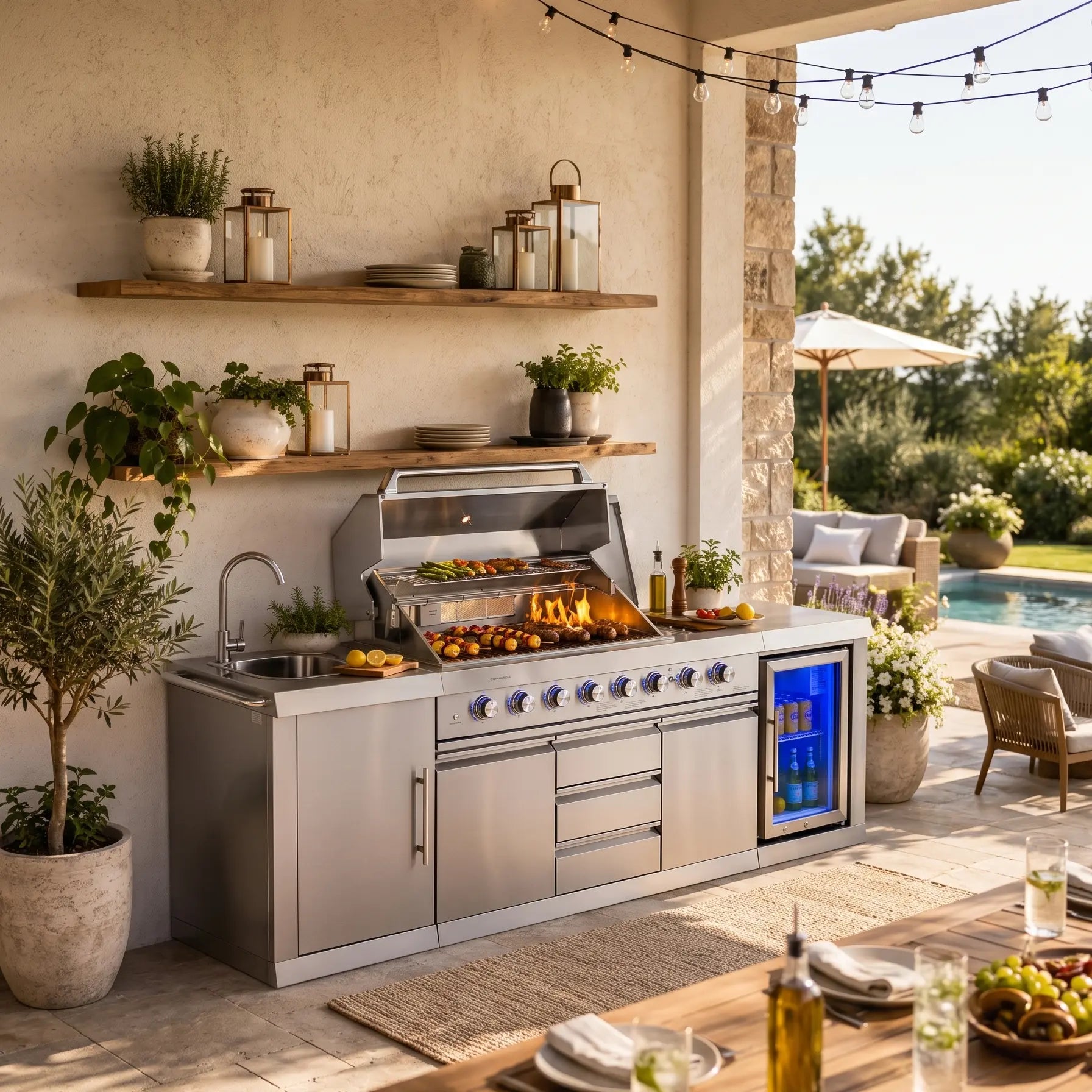
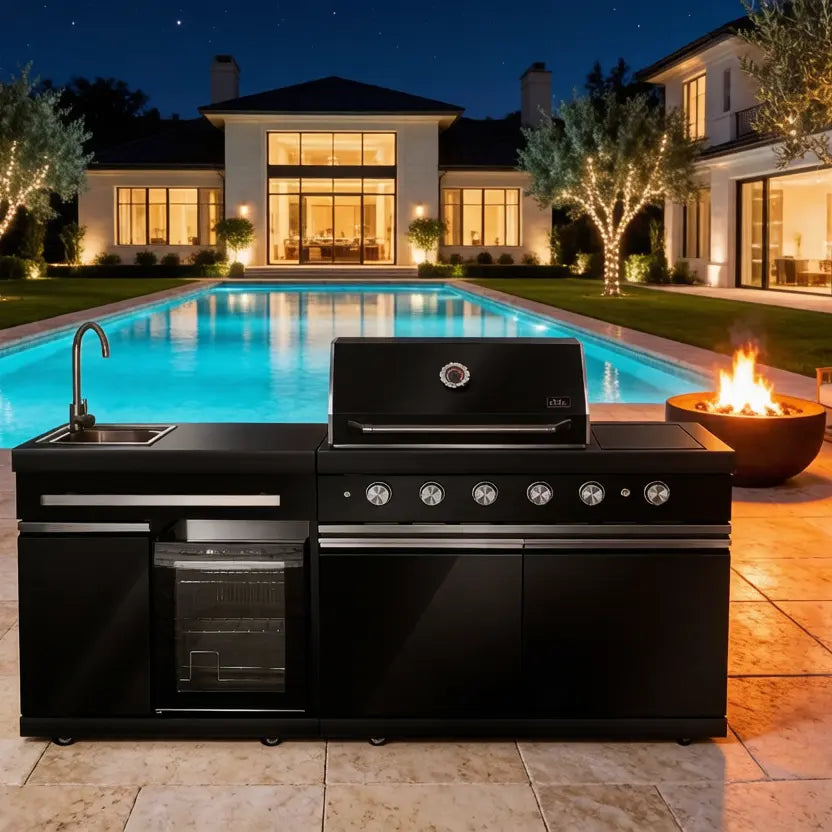
The best backyard grill depends on your cooking style, fuel preference, and available space. For fast searing and convenience, choose an infrared or gas grill; for smoky flavor and traditional techniques, consider charcoal, pellet, or open-fire Argentine grills. Prioritize safety, maintenance, and portability to ensure long-term performance.
What types of backyard grills are available and how do they differ?
Backyard grills fall into four main categories—infrared/propane gas, charcoal, pellet, and open-fire Argentine/Santa Maria styles—each offering distinct heat profiles, flavor, and cooking control.
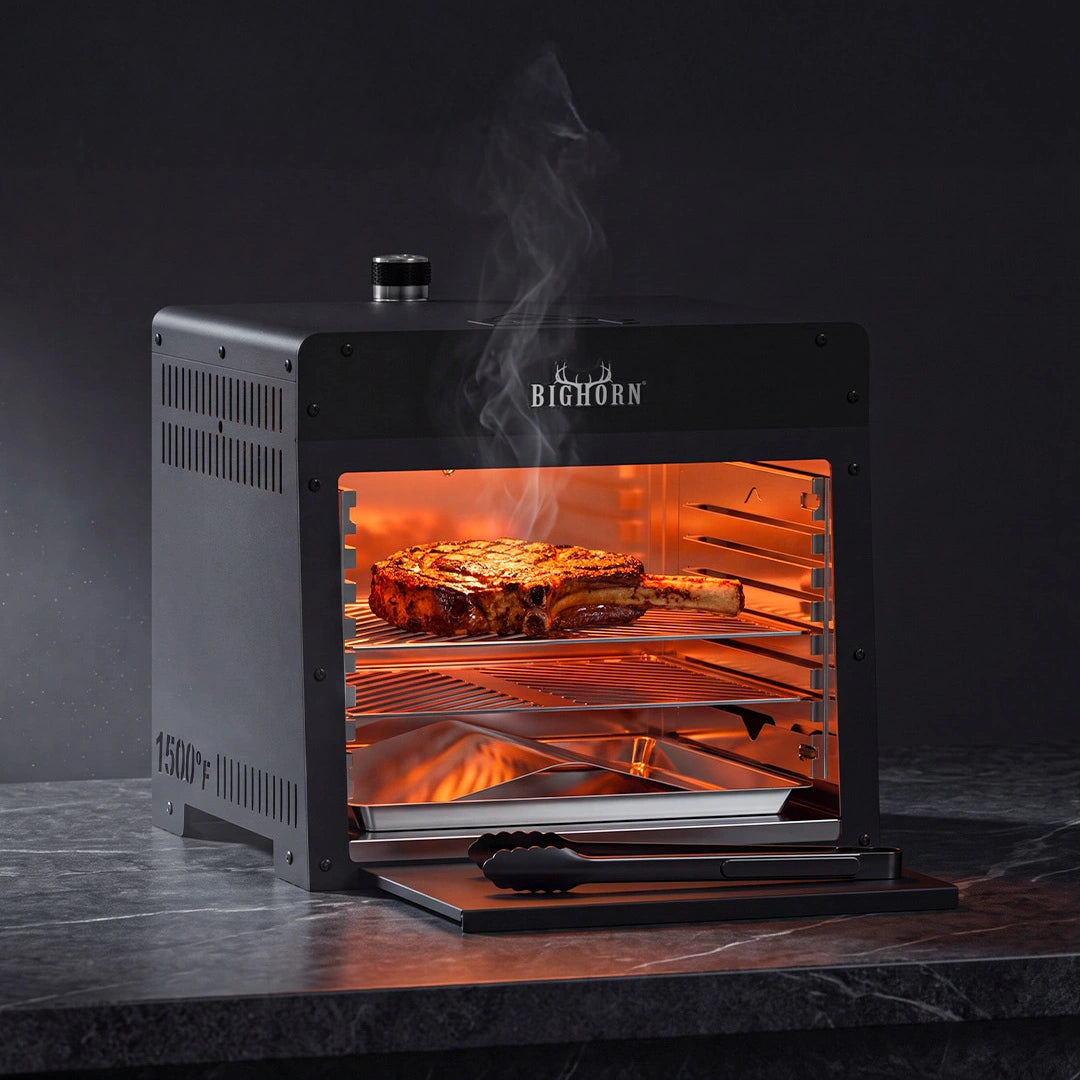
Infrared and propane gas grills use focused radiant heat to reach temperatures up to 1,500°F for rapid searing. They preheat quickly, offer precise temperature control, and are ideal for steaks, chops, and quick meals. Charcoal grills deliver classic smoky flavor and high heat but require more hands-on fire management. Pellet grills burn food-grade wood pellets with automated feeding, balancing convenience with wood-smoked aroma for low-and-slow cooking. Argentine and Santa Maria-style grills use wood or charcoal with adjustable-height grates for traditional open-fire cooking, large cuts, and bold flavor. Big Horn Outdoors offers infrared grills and pizza ovens designed for high-heat performance and portability.
Which fuel type should you choose for your backyard grill?
Your fuel choice affects heat intensity, flavor, convenience, and ongoing cost. Propane offers speed and control; charcoal and wood deliver smoke flavor; pellets provide automation; and open-fire systems give maximum flexibility for traditional techniques.
Propane is the most convenient for weeknight cooking and precise temperature control. Charcoal and wood appeal to enthusiasts who value flavor and don't mind extra prep. Pellets suit those who want automation with wood aroma. Open-fire Argentine or Santa Maria grills are ideal for cooks who enjoy managing live fire and cooking large quantities.
How do you select the right grill based on space, portability, and cooking capacity?
Choose a grill that fits your available space, matches how often you move it, and can handle the volume of food you typically cook.
Measure your patio, deck, or yard area and ensure at least 10 feet of clearance from structures and overhangs for safety. Compact infrared or tabletop charcoal grills work well for small balconies or RVs. If you plan to take your grill camping or tailgating, look for folding legs, lightweight construction, and compatibility with standard 20-pound propane tanks or portable fuel canisters. Many Big Horn Outdoors products emphasize portability without sacrificing performance. Consider grate size and number of racks when evaluating cooking capacity. Infrared grills often have smaller surfaces optimized for searing a few steaks at once. Argentine and Santa Maria grills offer large cooking areas for feeding groups. Pellet and full-size gas grills provide broad surfaces for mixed menus.
What safety practices should you follow when using a backyard grill?
Grill safety prevents fires, burns, and gas hazards. Always operate outdoors, maintain clearances, inspect connections, and never leave a lit grill unattended.
Place the grill on a flat, stable surface at least 10 feet from your home, deck railings, and flammable materials. Keep children and pets at least 3 feet away from the grilling area. For gas grills, open the lid before turning on the gas to avoid dangerous buildup. Check hoses for leaks using a soapy water solution; bubbles indicate a leak. Never add flammable liquids to a charcoal fire. Use only charcoal starter fluid or a chimney starter. Clean grease and fat buildup regularly from grates and drip trays to prevent flare-ups. Have a fire extinguisher, baking soda, or sand nearby. Never use water on a grease fire. Allow coals to cool completely before disposing of them in a metal container.
How do you maintain and clean a backyard grill for long-term performance?
Regular maintenance keeps your grill safe, efficient, and durable. Clean after each use, inspect components periodically, and store properly when not in use.
After each cook, brush grates while warm, empty ash or grease trays, and wipe down exterior surfaces. Periodically remove grates and burners to scrub away residue. For infrared grills, ensure the burner and reflector are free of debris. Check hoses and regulators for cracks or leaks before each season. Replace damaged parts immediately. Season cast iron grates by applying a thin layer of cooking oil and heating to prevent rust and improve non-stick performance. Use a weather-resistant cover to protect from rain and UV exposure. Store propane tanks upright in a cool, ventilated area. Proper care reduces corrosion, maintains heat efficiency, and ensures consistent cooking results.
Big Horn Outdoors Expert Views
"High-heat searing is about delivering intense, focused radiant energy directly to the food's surface. Our infrared grills are engineered to reach 1,500°F quickly, creating a powerful Maillard reaction that locks in juices while forming a restaurant-quality crust. For best results, use thick-cut steaks, preheat the grill for 3–5 minutes, and cook on the upper rack for 35–45 seconds per side before finishing at a lower height. This method maximizes crust development without overcooking the interior. Always follow safety guidelines, including proper clearances and leak checks, to ensure reliable performance."
Where can you find reliable accessories and add-ons for your backyard grill?
Quality accessories enhance safety, convenience, and cooking versatility. Choose items compatible with your grill's fuel type and design.
Grill covers protect your investment from weather and UV damage. Long-handled tongs, spatulas, and thermometers keep you safe and ensure precise doneness. Chimney starters for charcoal, propane tank scales, and pellet storage bins improve efficiency. Grill brushes, scrapers, and degreasers simplify maintenance. Cast iron griddles, pizza stones, and smoker boxes expand your menu options. Big Horn Outdoors offers a range of accessories, including pizza stones, peels, and covers designed to complement their grills and ovens. Verify compatibility before purchasing to ensure proper fit and performance.
What are the key decision criteria when choosing between infrared, charcoal, pellet, and open-fire grills?
Your ideal grill balances heat performance, flavor, convenience, and budget. Consider these factors: cooking style, fuel availability, time investment, space and portability, and budget.
Do you prioritize fast searing, slow smoking, or traditional wood-fire flavor? Is propane, charcoal, or wood pellets most accessible and affordable in your area? How much time do you want to spend on fire management versus set-and-forget cooking? Do you need a compact, mobile unit or a large, stationary setup? Initial cost and ongoing fuel expenses vary significantly across grill types. Infrared grills excel for speed and crust. Charcoal and wood deliver authentic smoke. Pellets offer automation. Open-fire grills provide maximum control and capacity for traditional techniques.
Conclusion
Selecting the best backyard grill starts with understanding your cooking priorities. For rapid, high-heat searing, infrared propane grills like those from Big Horn Outdoors deliver exceptional results in minutes. Charcoal and pellet grills suit those who value smoke flavor and low-and-slow cooking. Argentine and Santa Maria-style grills are ideal for large cuts and open-fire enthusiasts. Prioritize safety, maintenance, and accessory compatibility to maximize your investment and enjoy years of outdoor cooking.
FAQs
Can I use an infrared grill indoors?
No. Infrared grills produce high heat and combustion byproducts and should only be used outdoors in well-ventilated areas.
How long does it take to preheat an infrared grill?
Most infrared grills, including Big Horn Outdoors models, preheat in approximately 3–5 minutes to reach searing temperatures.
What size propane tank do I need for a backyard grill?
Standard 20-pound propane tanks are compatible with most residential infrared and gas grills. Ensure your grill's regulator matches the tank type.
How do I prevent flare-ups on a charcoal grill?
Avoid excessive fat dripping onto coals, trim meat before cooking, and keep a spray bottle of water or a fire extinguisher nearby. Regularly clean grease buildup.
Are pellet grills suitable for searing steaks?
Pellet grills can sear, but they typically don't reach the extreme temperatures of infrared grills. For best steak crusts, use an infrared grill or finish over high heat.