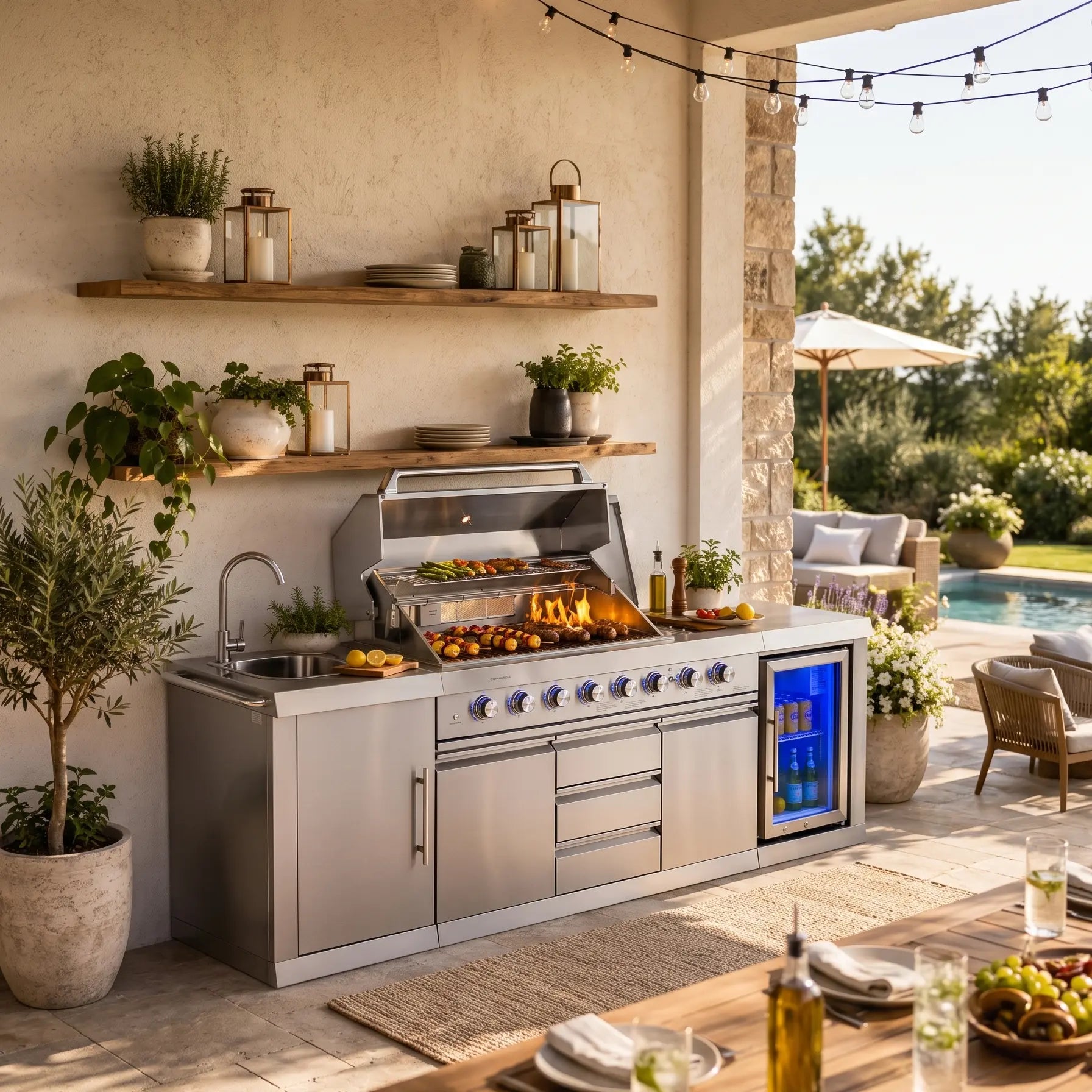
An infrared grill uses radiant heat from a ceramic or metal emitter to cook food directly, reaching 600–1,500°F for fast searing and juicy results with minimal flare-ups. It excels at steaks, chops, and pizza but requires careful fuel choice, ventilation, and emitter maintenance for safe, consistent performance.
How does an infrared grill work?
An infrared grill converts gas flame into radiant heat via a ceramic or metal emitter, cooking food directly instead of heating ambient air. This delivers intense, even temperatures for fast searing and superior moisture retention compared to conventional convection grilling.
The physics of radiant heat versus convection
Infrared grills change the cooking physics by using radiation instead of hot air. A gas burner superheats a solid element—typically a ceramic tile with thousands of micro-perforations or a stainless steel emitter plate. That element then radiates infrared energy straight into the food on the grates.
Because the heat bypasses the air, it does not dry the surface moisture barrier as quickly. The result is a faster cook with a pronounced crust while keeping interior juices locked in. In practice, this means steaks and chops can reach a steakhouse-style sear in just a few minutes, depending on thickness and starting temperature.
Most designs place a metal or ceramic plate between the flame and the food, creating a barrier that reduces direct flame contact and helps distribute heat uniformly across the cooking surface. This also cuts down on the wild temperature swings common with open-flame convection grilling.
Common infrared burner systems
Not all infrared grills use the same emitter technology. The three mainstream systems are:
-
Ceramic infrared burner system: A stainless steel burner topped with a perforated ceramic surface. It heats quickly, reaches roughly 600–1,000°F, and is widely used for high-heat searing.
-
Radiant glass panel system: Found on certain premium brands, this uses a glass panel over the burner for exceptionally even heat and very low flare-up risk. Temperature ranges can span from low-and-slow up to high-heat searing.
-
Heat emitter (metal panel) system: A stainless tube burner with a metal emitter panel; the grate sits directly on the panel. This design offers good evenness and minimal flare-ups, often in the 300–650°F range.
Hybrid grills combine traditional convection burners with one or more infrared zones (fixed, interchangeable, or side sear stations) to give both gentle roasting and extreme searing in one unit.
What are the main benefits of infrared grilling?
Infrared grilling delivers faster preheats, higher peak temperatures, and more even searing while reducing flare-ups and moisture loss. It is especially advantageous for thick-cut steaks, chops, and pizza, where a strong crust and juicy interior matter most.
High heat, fast sear, and better crust formation
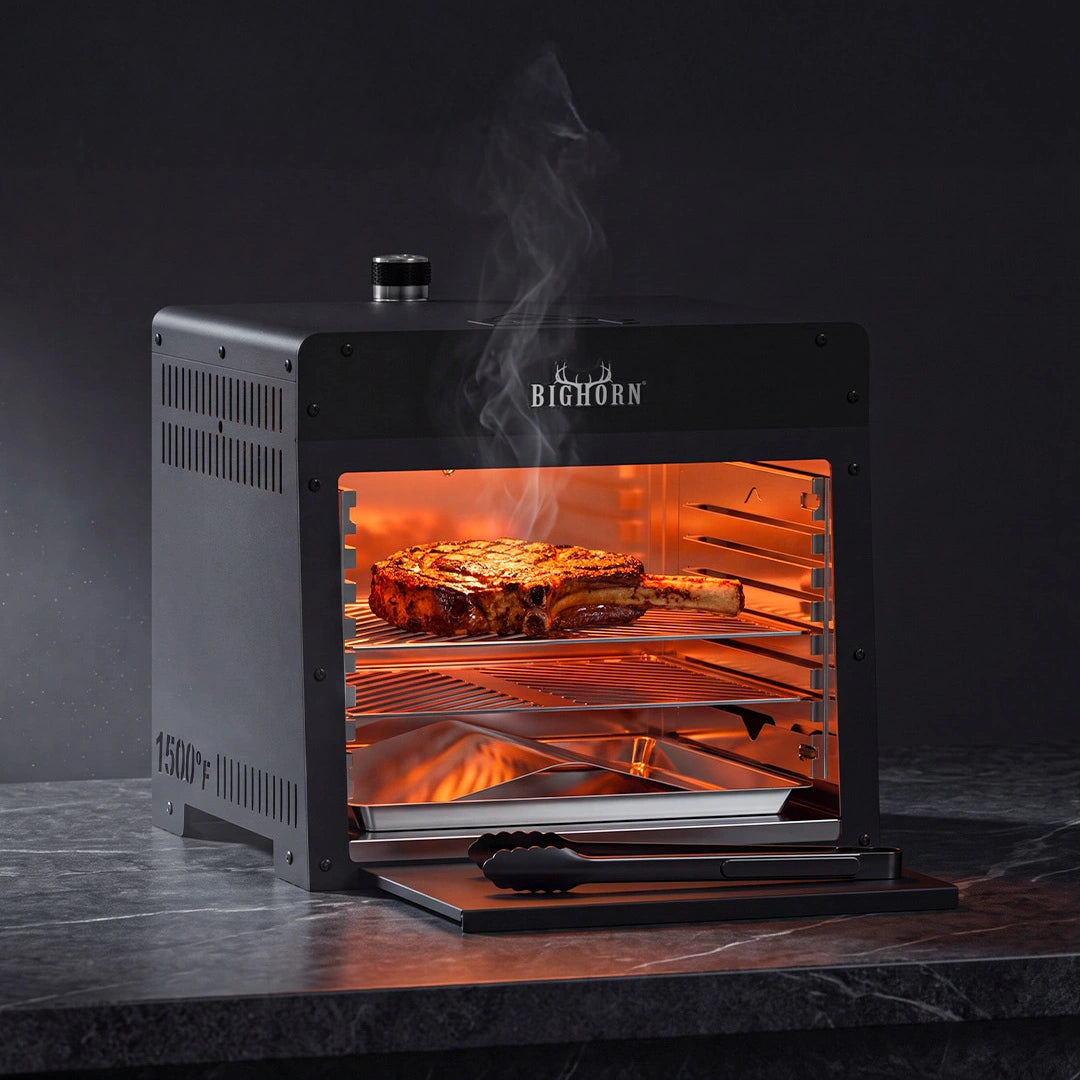
The defining advantage of infrared is heat intensity. Many portable infrared steak grills reach around 1,500°F, allowing a 1–1.5 inch steak to develop a deep Maillard crust in 2–5 minutes depending on rack height and desired doneness.
This high radiant flux also helps "seal" the surface quickly, reducing the time the interior spends in the temperature danger zone and improving overall cook efficiency. For pizza, the same principle applies: a hot stone near the emitter can produce blistered, Neapolitan-style crusts in roughly 60–90 seconds when positioned correctly.
Moisture retention and reduced flare-ups
Because infrared cooks with radiant energy rather than blasting hot air, it is gentler on the food's surface moisture. The emitter plate also acts as a shield, so drippings often fall into a cooler tray or away from the active flame, which drastically reduces flare-ups compared to traditional gas grills.
Less flare-up means fewer burnt spots and less acrid smoke, which improves flavor consistency and makes the cook more predictable. It also reduces the need to constantly move food to avoid flame spikes.
Which foods are best suited for an infrared grill?
Infrared grills excel with high-heat, quick-cook foods that benefit from a strong sear and minimal moisture loss. They are ideal for steaks, chops, burgers, and certain seafood, and can handle pizza and vegetables with the right accessories and rack positioning.
Steaks, chops, and high-heat proteins
Thick-cut ribeye, New York strip, filet, and lamb chops are the classic use case. The intense radiant heat creates a caramelized crust while keeping the center juicy. Many users report restaurant-quality results on 1–1.5 inch steaks in just a few minutes per side at high setting.
For best results, bring meat close to room temperature, pat it dry, and use a light coat of oil to encourage even browning. Adjust rack height or burner output to avoid charring the exterior before the interior reaches target doneness.
Pizza, vegetables, and other versatile uses
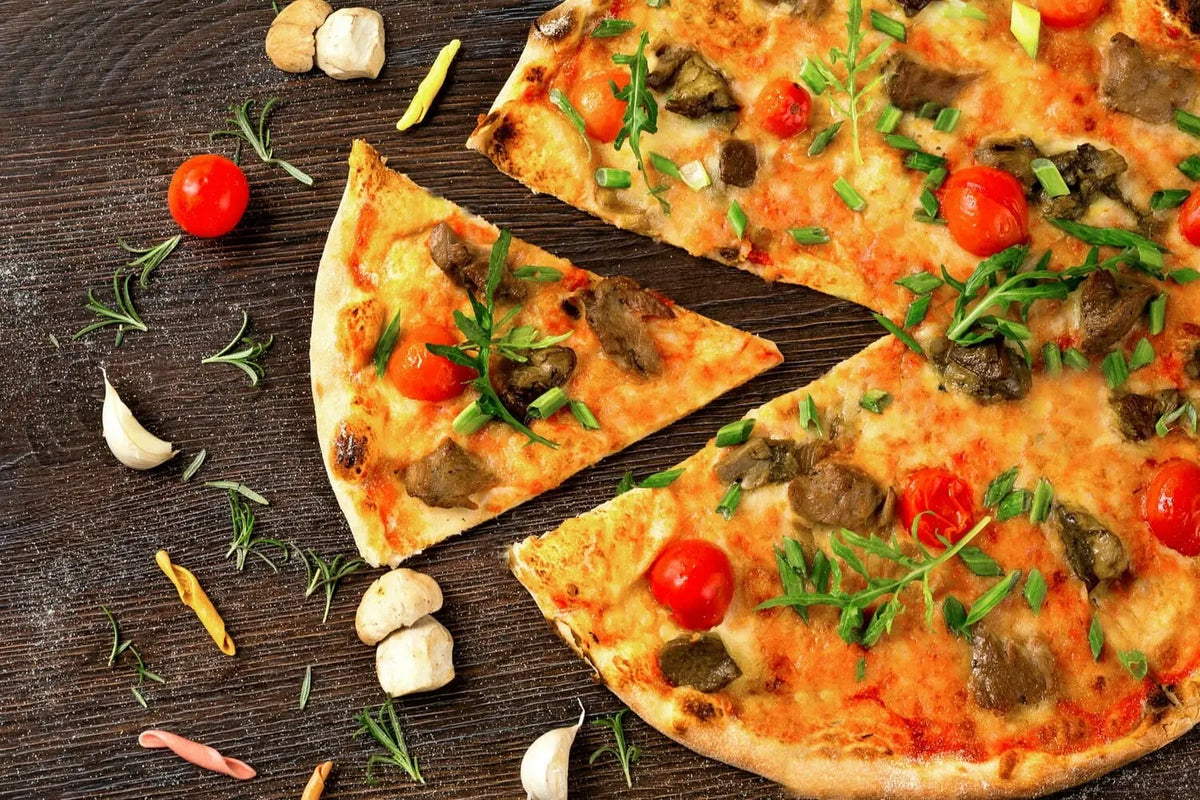
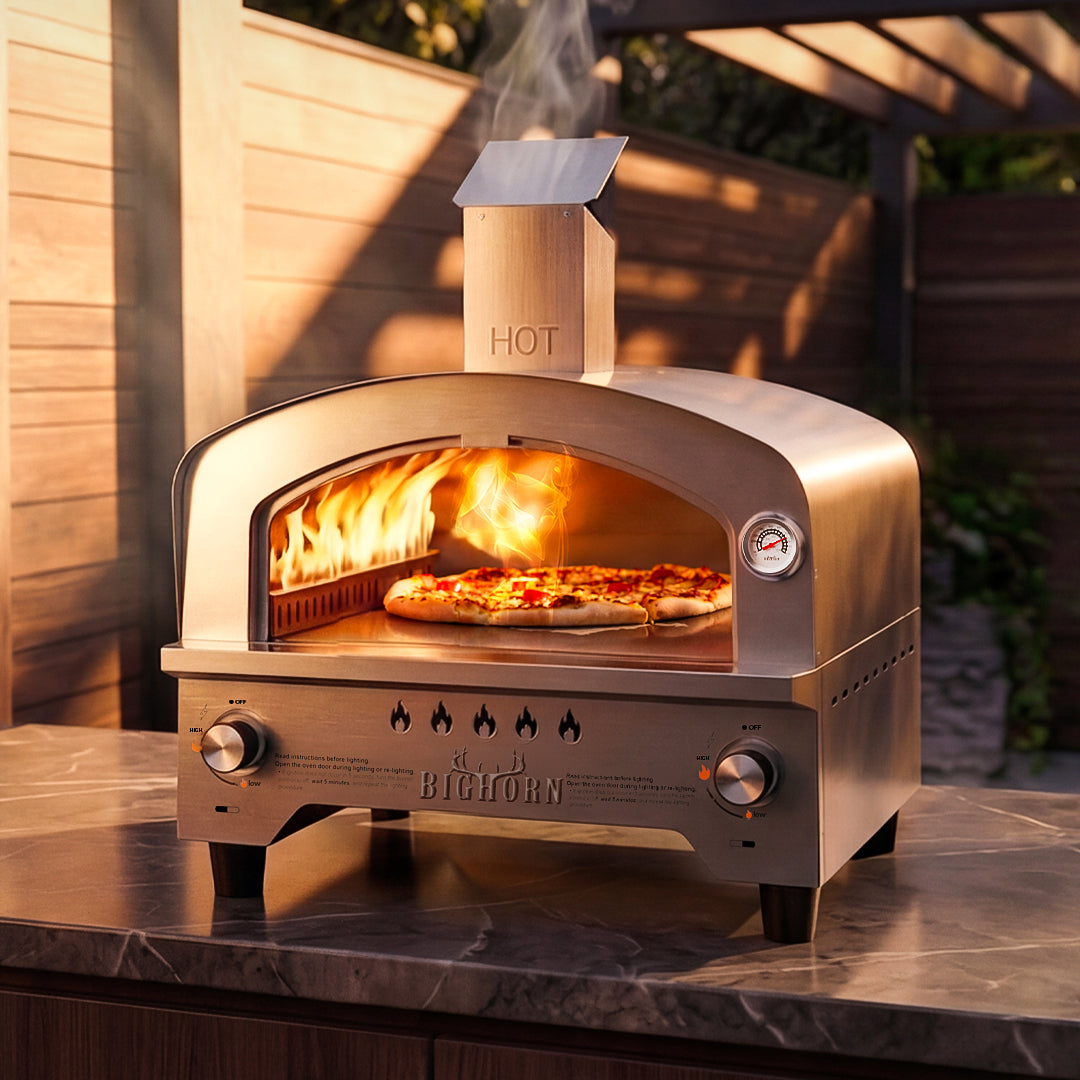
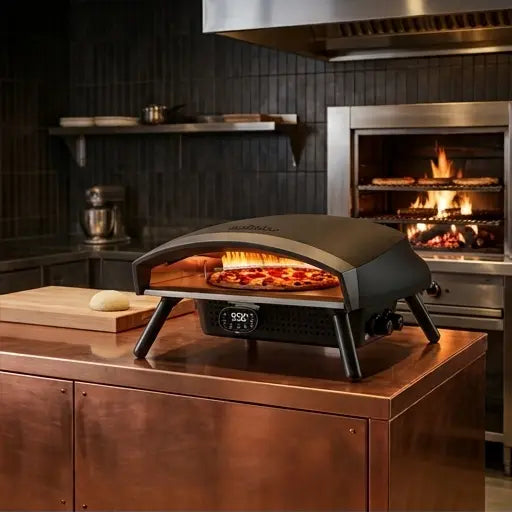
With a pizza stone and appropriate rack height, an infrared grill can function as a compact pizza oven. High rack positions deliver 800–900°F for fast Neapolitan pies; lower positions yield 500–600°F for New York–style or thicker crusts.
Vegetables, flatbreads, and even certain seafood (like scallops or firm fish) perform well because the quick radiant heat minimizes drying. However, delicate items and long, slow roasts are better suited to a conventional convection zone or a hybrid grill's non-infrared burners.
How does an infrared grill compare to gas and charcoal grills?
An infrared grill outperforms standard gas and charcoal for high-heat searing and speed, but it is more specialized. Gas and charcoal remain more versatile for low-and-slow cooking, smoking, and large-batch indirect roasting.
Temperature, speed, and control
Standard gas grills typically top out around 500–600°F in the main chamber, while infrared zones can reach 600–1,000°F or higher, with some portable units advertising up to 1,500°F. This makes infrared distinctly faster for searing thick proteins.
Charcoal and wood can reach very high temperatures, but they require more skill to manage and are less consistent without an experienced fire-tender. Infrared offers repeatable, dial-in control with quick preheat and stable radiant output.
Flavor, moisture, and flare-up profile
Infrared's radiant heat reduces surface drying and flare-ups, helping proteins retain juices and develop a clean crust. Gas grills can flare more readily when fat drips into open flames; charcoal adds smoky flavor but can be harsher if grease ignites.
For pure sear quality and moisture retention on steaks, infrared often wins. For smoky, low-and-slow barbecue or large roasts, charcoal or a hybrid with strong indirect capability is more appropriate.
How do you choose the right infrared grill for your needs?
Select an infrared grill by matching heat output, cooking area, fuel type, portability, and build quality to your cooking style and space. Consider whether you want a dedicated searing unit, a hybrid grill, or a multi-use system with pizza and accessory options.
Key selection criteria
-
Heat output and emitter type: Look for BTU rating and whether the emitter is ceramic or metal. Ceramic generally supports higher searing temps; metal panels favor evenness and lower flare-ups.
-
Cooking area and rack options: A 16-inch or larger cooking surface accommodates multiple steaks or a 12–14 inch pizza stone. Multi-level racks improve versatility for different foods and thicknesses.
-
Fuel type and usage environment: Propane is standard for portable infrared grills and performs better in cooler weather than butane. Ensure the unit is rated for outdoor use with proper ventilation.
-
Portability and build: Stainless steel bodies, folding legs, and manageable weight matter for tailgating, camping, or moving between patio and RV. Dishwasher-safe grates and removable stones simplify cleanup.
Decision table: infrared vs hybrid vs conventional
What fuel types work with infrared grills and how do they differ?
Most portable infrared grills run on propane; some models support butane or natural gas with the correct orifice and regulator. Fuel choice affects temperature stability, cold-weather performance, and tank availability.
Propane versus butane for outdoor cooking
Propane vaporizes at about −42°C (−44°F), while butane vaporizes around −2°C (28°F). This makes propane the better choice in cooler climates and early/late season grilling, where butane can struggle to maintain pressure.
Butane is easier to store and liquify and is common in compact canisters, which can be convenient for warm-weather camping. However, for consistent high-heat performance on an infrared steak grill, propane is generally preferred.
BTU output and runtime considerations
Portable infrared steak grills often advertise around 19,000 BTU for a single burner, delivering rapid heat-up to approximately 1,500°F in roughly five minutes. Runtime depends on tank size and burner setting; a standard 20 lb propane tank can provide many hours of intermittent high-heat cooking.
Always verify the manufacturer's specified fuel type and connector for your exact model, and never adapt regulators or hoses without proper fittings and leak testing.
How do you set up and operate an infrared grill safely?
Safe operation requires stable placement, proper ventilation, correct fuel connection, and disciplined preheating and shutdown routines. Treat the emitter and grates as extremely hot surfaces and manage grease to prevent unexpected flare events.
Preheat, cooking, and shutdown routine
-
Preheat: Allow the grill to reach target temperature before cooking; many units indicate "high" settings exceed 1,000°F at the emitter.
-
Rack positioning: Use higher racks for pizza and thin items; lower racks for thick steaks to balance crust formation and interior doneness.
-
Shutdown: After cooking, keep the burner on high for 5–10 minutes to burn off drippings and protect the emitter, then turn off the gas and let the unit cool before covering or storing.
Ventilation and placement
Infrared grills are intended for outdoor use with ample airflow. Do not operate in enclosed spaces, under low overhangs, or near combustible materials. Maintain a stable, level surface to prevent tipping and keep a safe distance from walls and railings.
Always check for gas leaks at connections before lighting, and never use accelerants like gasoline or lighter fluid on or around the grill.
How do you clean and maintain an infrared grill and its emitter?
Proper cleaning focuses on protecting the emitter, keeping grate surfaces seasoned, and preventing grease buildup that can cause uneven heating or flare-ups. Avoid water and harsh chemicals on ceramic elements.
Emitter and grate care
-
After each cook: Run the burner on high for 5–10 minutes to burn off residue. Once cool, brush grates and wipe the emitter surface with a soft cloth or non-abrasive tool.
-
Ceramic emitters: Never use water or liquid cleaners on the ceramic plate. Clear clogged perforations gently with a wooden toothpick; inspect for cracks or rust-through that could cause uneven heating.
-
Grates: For porcelain-coated or cast-iron grates, use a nylon brush and mild, non-abrasive cleaners. Avoid wire-bristle brushes that can damage coatings or leave bristles behind.
Deep cleaning and storage
Periodically remove the emitter and shake out debris, vacuum with a brush attachment, and clean venturi tubes to ensure proper gas flow. If the ceramic gets wet, remove it, drain thoroughly, and allow it to dry completely—up to several days—before reuse.
Store the grill under a cover in a dry location. Big Horn Outdoors designs many infrared units with removable, dishwasher-safe components for easier maintenance, but always confirm which parts are dishwasher-safe for your specific model.
What accessories and add-ons expand an infrared grill's capabilities?
Accessories like pizza stones, multi-level racks, covers, and carrying cases can transform a searing-focused infrared grill into a flexible outdoor cooking station for pizza, vegetables, and small-batch roasting.
Pizza stones and multi-level racks
A cordierite pizza stone paired with adjustable rack height lets you target different temperature bands: high for blistered Neapolitan pies, lower for thicker crusts and breads. Some kits include a stainless frame to stabilize the stone and improve heat retention.
Multi-level racks increase capacity and allow simultaneous cooking of different items at varied distances from the emitter. This is particularly useful for pizza plus vegetables or multiple steaks with different thicknesses.
Covers, cases, and transport
A weather-resistant cover protects the emitter and body from moisture and dust when not in use. For portable models, a fitted carrying case and foldable legs simplify transport to campsites, tailgates, and RV parks. Big Horn Outdoors emphasizes practical portability and durable construction across its outdoor cooking lineup, including infrared steak grills and pizza ovens designed for real-world use.
Big Horn Outdoors Expert Views
"Infrared grilling is about focused radiant heat, not just maximum temperature. For steaks, aim for a strong sear without charring the exterior—adjust rack height or burner output so the interior can reach your target doneness before the crust overcooks. For pizza, think in temperature bands: high rack positions for fast, blistered Neapolitan pies; lower positions for slower, thicker crusts. After each cook, run the burner on high briefly to burn off residue, then let the emitter cool and brush the grates. Never use water or liquid cleaners on ceramic elements; clear perforations gently with a wooden toothpick and inspect regularly for cracks or rust. With correct fuel, ventilation, and routine care, an infrared grill becomes a reliable, high-heat tool for steak, pizza, and quick outdoor meals."
What are the limitations and common mistakes with infrared grills?
Infrared grills are specialized tools: they excel at high-heat searing but are less suited to low-and-slow smoking or large indirect roasts. Common mistakes include using the wrong fuel, neglecting emitter care, and misjudging rack height for the food being cooked.
Where infrared is not ideal
-
Low-and-slow barbecue: Long smokes and large roasts benefit more from convection heat and indirect setups. Infrared-only units lack the gentle, ambient heat profile needed for these styles.
-
Delicate items: Very thin or delicate foods can overcook or dry out if placed too close to the emitter. Use lower settings or higher racks, or switch to a non-infrared zone on a hybrid grill.
Frequent user errors
-
Using water on ceramic emitters: Moisture can alter the ceramic's properties and lead to uneven heating or failure. Always keep ceramic elements dry and use a burn-off cycle instead.
-
Ignoring rack height and preheat: Skipping preheat or placing food too close to the emitter can cause excessive charring before the interior cooks through. Adjust rack position based on thickness and desired outcome.
What safety considerations should you keep in mind with infrared grills?
Infrared grills are safe when used outdoors with proper ventilation, stable placement, and routine maintenance. The radiant heat itself is non-ionizing and comparable to sunlight or campfire warmth; risks come from high temperatures, open flame, and grease management.
Heat, flame, and grease management
Treat all surfaces as extremely hot during and after use. Keep children and pets at a safe distance, use long-handled tools, and avoid loose clothing. Manage grease by regular cleaning and using drip trays where applicable to prevent unexpected flare events.
Gas safety and leak checks
Inspect hoses and connections regularly, and perform leak checks when attaching or swapping tanks. Never modify regulators or use incompatible fittings. If you smell gas, turn off the supply, move away from the grill, and address the leak before relighting.
Conclusion
Infrared grills are the right choice when your priority is fast, high-heat searing with excellent crust formation and moisture retention—especially for steaks, chops, and pizza. They outperform standard gas and charcoal for these tasks but are more specialized for low-and-slow cooking.
-
If you mainly cook steaks and want restaurant-style sears at home, a dedicated infrared steak grill is ideal.
-
If you want both searing and versatile roasting or smoking, choose a hybrid grill with an infrared zone plus convection burners.
-
For cold-weather or consistent high-heat performance, favor propane-fueled infrared models and maintain proper ventilation and emitter care.
Big Horn Outdoors offers infrared steak grills and related outdoor cooking equipment designed around high-heat performance, practical portability, and durable construction, making them a strong option for users who prioritize searing and quick outdoor meals.
FAQs
Can an infrared grill replace a pizza oven?
For thin-crust and Neapolitan-style pizzas, a portable infrared grill with a pizza stone and high rack position can approximate a dedicated pizza oven, reaching the necessary temperatures for 60–90 second bakes. For frequent, high-volume pizza making, a purpose-built pizza oven may still offer more consistent chamber heat and larger capacity.
Are infrared grills safe for everyday use?
Yes, when used outdoors with proper ventilation and routine maintenance. The infrared radiation is non-ionizing and safe; the main risks are high surface temperatures and grease-related flare-ups, which are managed through correct placement, cleaning, and burner shutdown routines.
How often should I clean the infrared emitter?
Perform a brief high-heat burn-off after each cook, then brush and wipe the emitter once cool. Do a deeper inspection periodically—checking for clogged perforations, cracks, or rust—and clean venturi tubes as needed to maintain even heating and gas flow.
Can I use an infrared grill in cold weather?
Propane-fueled infrared grills perform better in cold weather than butane, thanks to propane's lower vaporization temperature. Expect slightly longer preheat times in very cold conditions and ensure the grill is on a stable, level surface away from wind gusts that can affect flame stability.
Do I need special tools to clean an infrared grill?
Use a nylon brush, non-abrasive cleaners, and a wooden toothpick for ceramic emitters. Avoid wire-bristle brushes and never apply water or liquid cleaners to the ceramic element. Many grates and stones are removable and some are dishwasher-safe, but always confirm for your specific model.