
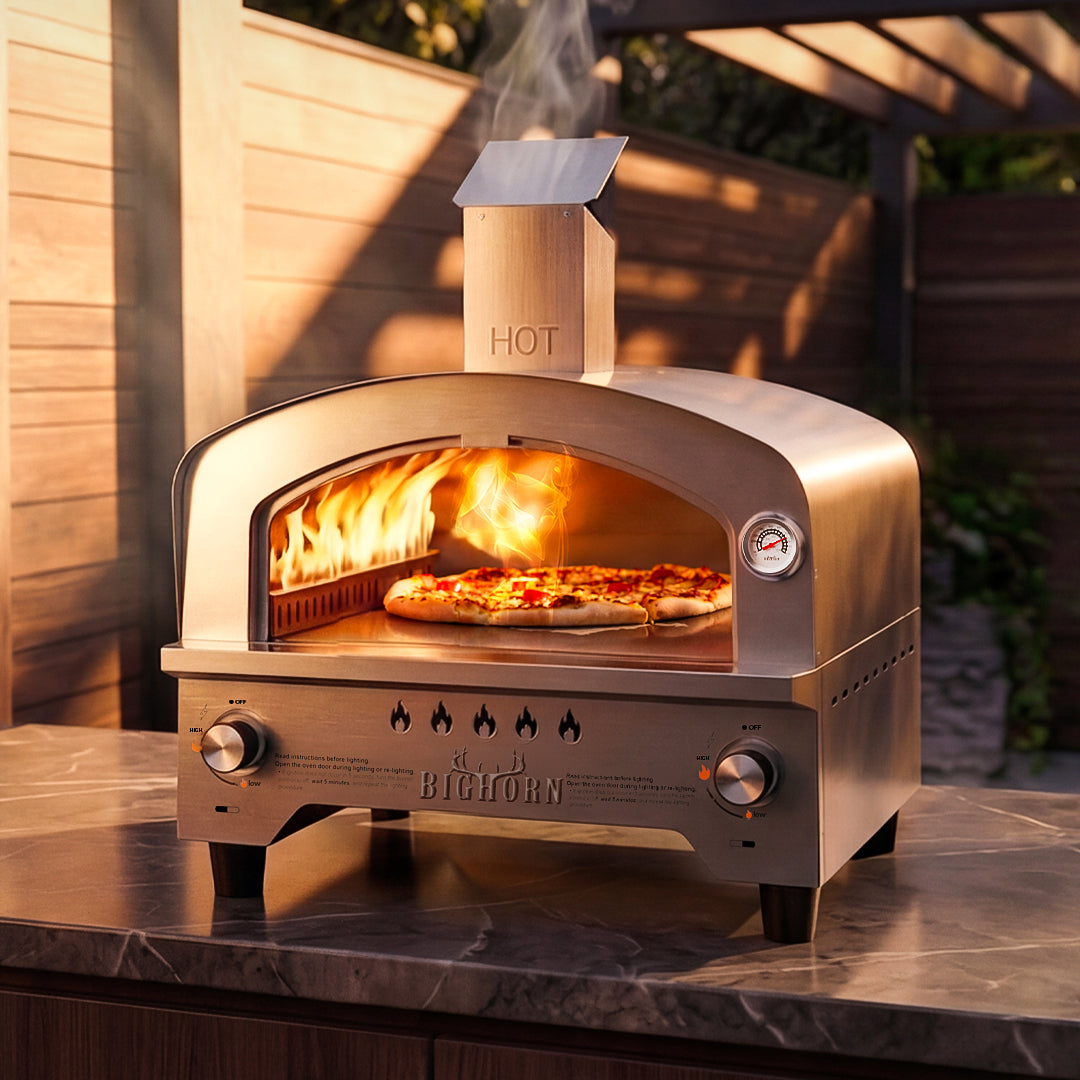
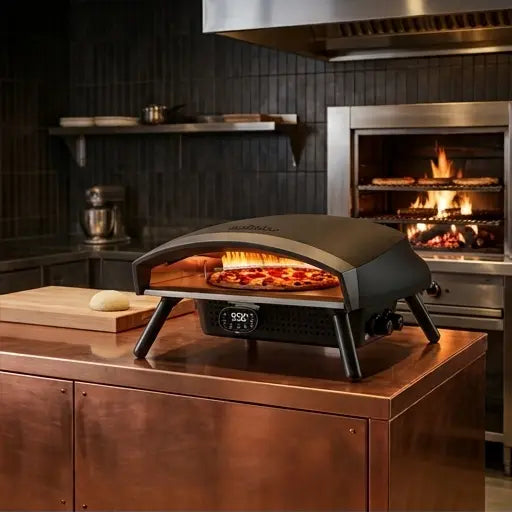
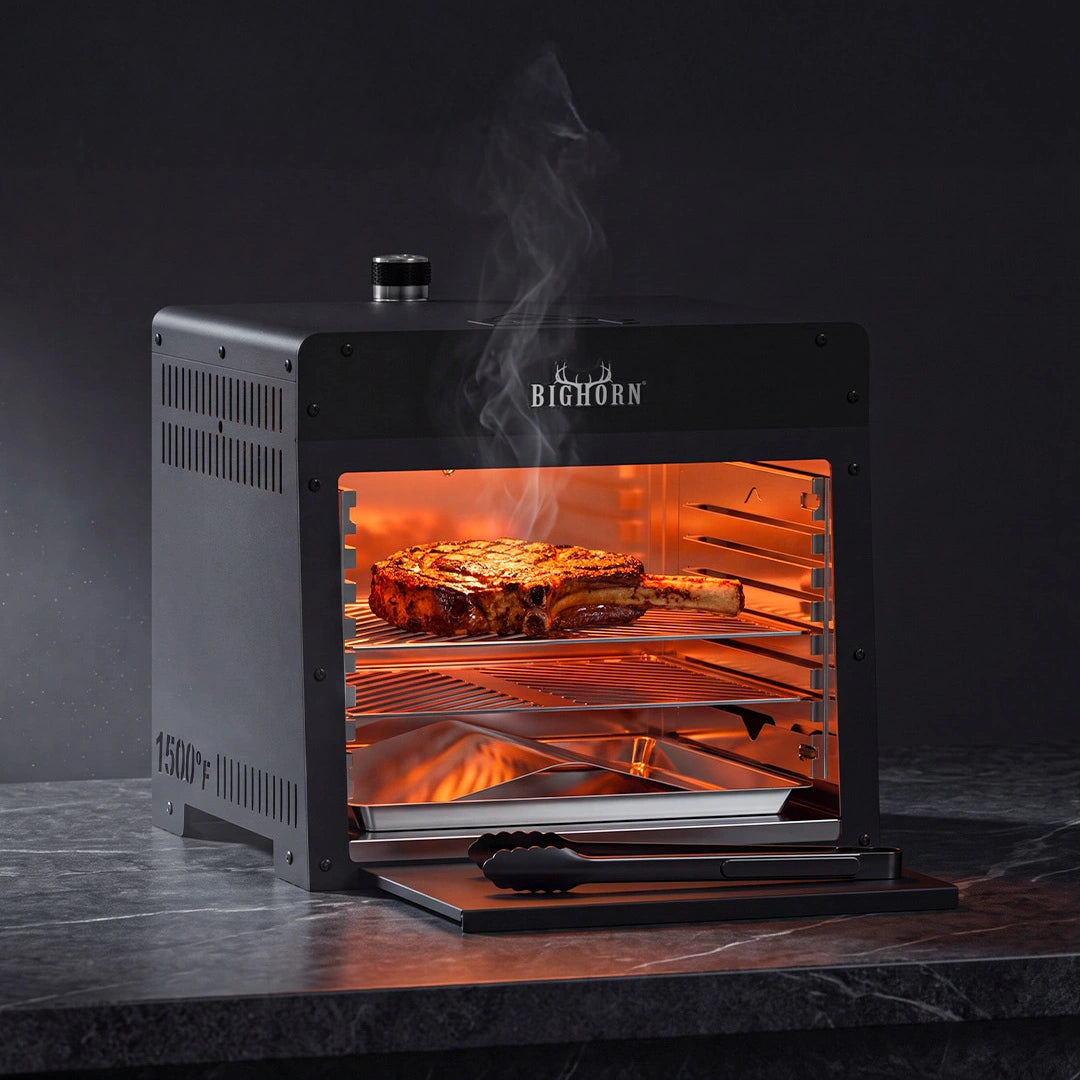
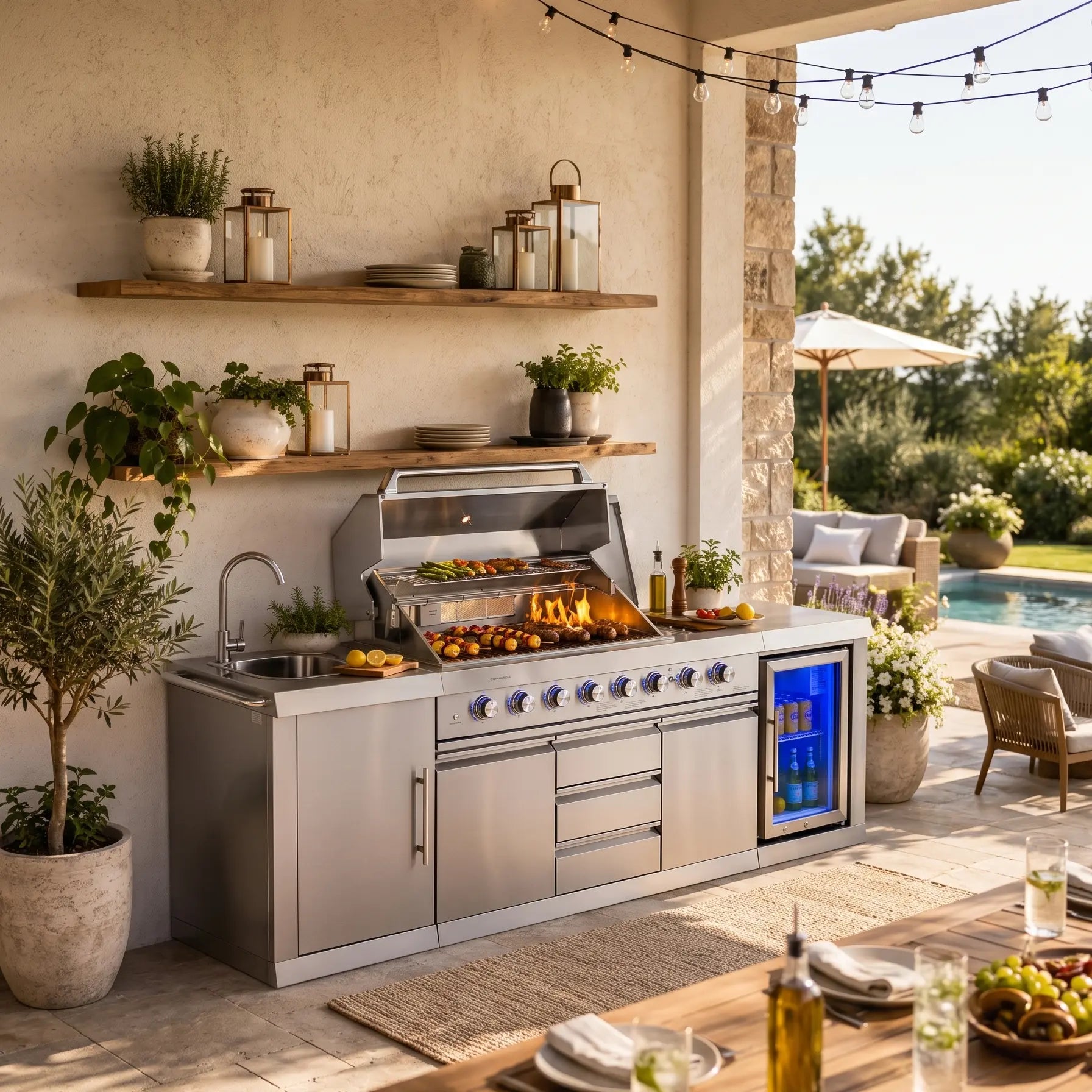
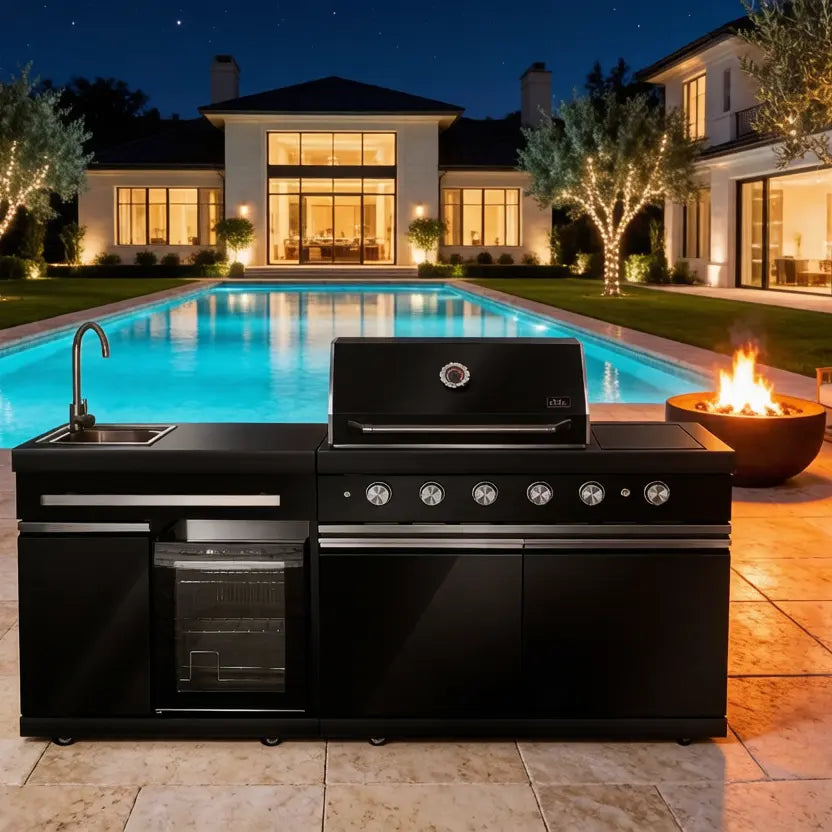
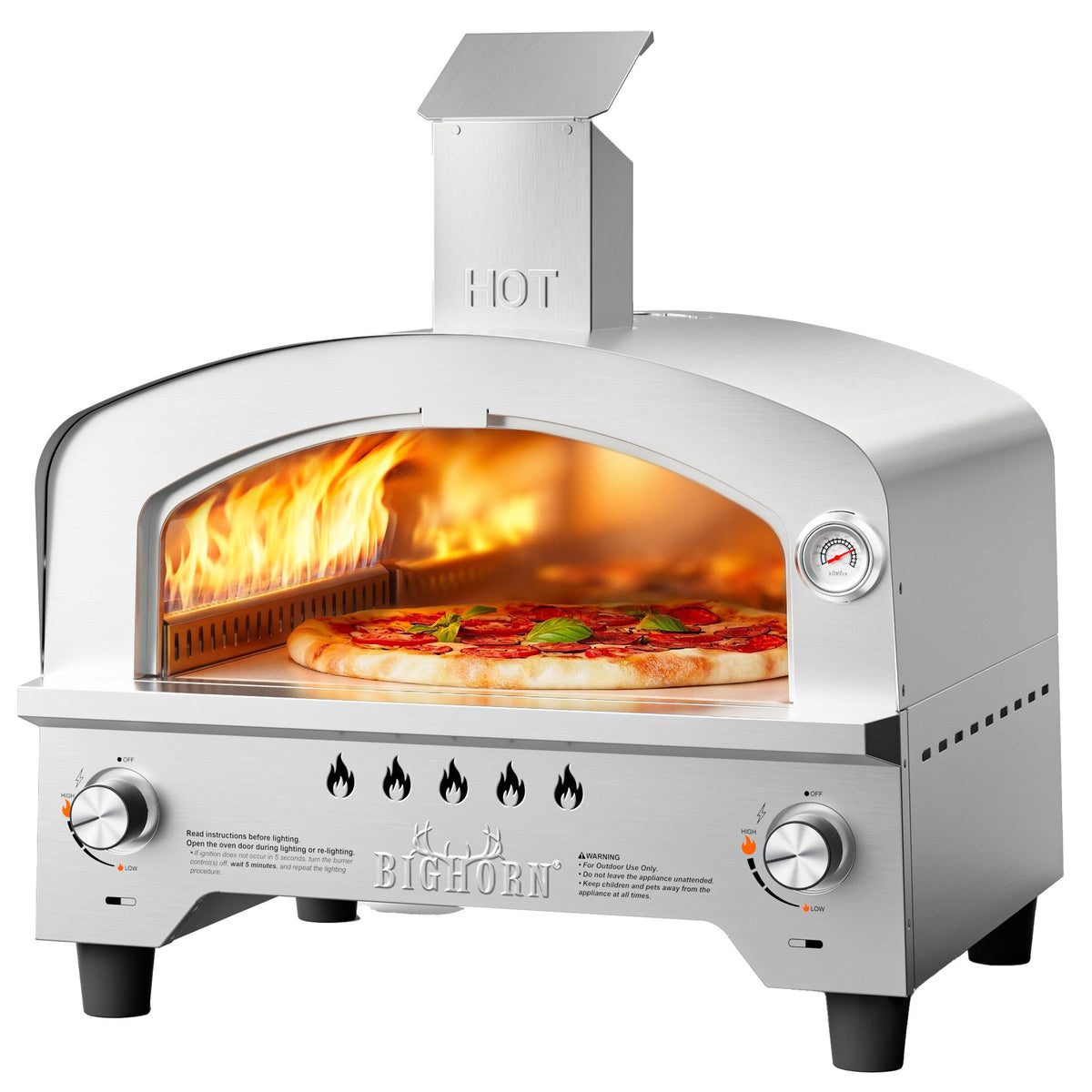
A garden pizza oven brings high-heat cooking to your backyard, producing crisp pizza, roasted vegetables, seared meats, and baked desserts with remarkable speed. The best setup matches your fuel preference, available space, safety requirements, and entertaining style. Choose a stable location, preheat the stone thoroughly, use essential tools, and learn heat control for consistently flavorful outdoor meals at home today.
What Fuel Type Is Best for a Garden Pizza Oven?
Gas is ideal for fast ignition and reliable temperature control, while wood and pellets create a hands-on flame-fired experience. A multi-fuel oven offers the greatest flexibility for cooks who want to switch between convenience, traditional flavor, and different outdoor cooking occasions.
Your preferred fuel affects every part of the pizza-making process, including preheating, smoke level, flavor, cleanup, portability, and temperature management. The right choice should fit your normal routine rather than only your occasional weekend pizza party.
Gas pizza ovens are a strong choice for beginners, busy households, and cooks who value consistency. They heat quickly, allow simple flame adjustments, and make it easier to repeat successful results. Gas models are especially practical for weeknight dinners, family meals, and entertaining guests.
Wood pellet ovens bring authentic fire flavor in a compact and portable format. They can reach high temperatures quickly and are easy to fuel when pellets are stored in a dry container. However, they require more attention because the cook must monitor the flame and replenish pellets during longer sessions.
Traditional hardwood ovens offer a classic live-fire experience and rich smoky character. They suit outdoor cooks who enjoy managing a fire and have room to store seasoned wood. They also create more ash and require more time for lighting, heating, and cleaning.
Big Horn Outdoors designs pizza ovens in wood pellet, gas, electric, and multi-fuel formats, allowing backyard cooks to choose equipment that suits their preferred cooking style. The best fuel is the one you will feel confident using regularly.
Which Garden Pizza Oven Size Fits Your Backyard?
Choose an oven size based on your available outdoor space, the pizza diameter you prefer, and the number of people you serve. Compact 12-inch ovens work well for smaller patios and casual meals, while larger ovens provide more room for entertaining, cookware, and family-sized pizzas.
Before buying, measure more than the oven itself. Account for the stand, fuel source, pizza peel movement, prep area, serving space, and required clearances. An oven may have a small footprint, but a comfortable cooking station needs enough room for you to work safely and efficiently.
A 12-inch pizza oven is practical for couples, smaller families, camping trips, balconies with suitable outdoor space, and occasional pizza nights. It is often lighter, easier to store, and quicker to move. A compact oven can still produce excellent crust when the stone is properly preheated.
A larger 16-inch model provides more turning room, supports larger pizzas, and accommodates skillets, pans, and roasting dishes more easily. This size works particularly well for hosts who cook several pizzas in succession or want to use the oven for more than pizza.
Consider the oven opening as well as its stated pizza capacity. A wider opening gives you better access when turning pizzas and placing cookware. It can also reduce stress when cooking at high temperatures, especially for beginners.
A portable Big Horn Outdoors pizza oven can be an effective solution for homeowners who want serious outdoor cooking performance without building a permanent masonry oven. Pair it with a sturdy prep table, a safe location, and organized tools to create a practical backyard cooking zone.
Where Should You Place a Garden Pizza Oven Safely?
Place your pizza oven on a stable, level, heat-resistant surface in a well-ventilated outdoor area. Keep it clear of walls, fences, low roofs, furniture, plants, and combustible materials, while following the exact safety and clearance instructions supplied with your oven.
A safe location supports better cooking. If the oven wobbles, sits unevenly, or lacks room for pizza peels and hot cookware, the experience becomes more difficult and less secure. Use a strong metal cart, stone surface, concrete base, or manufacturer-approved stand that can safely support the oven.
Position the oven near your prep area, but avoid placing it directly in a high-traffic path. You should be able to stretch dough, add toppings, launch pizzas, turn them, and serve guests without people walking behind you. A clear cooking zone is especially important when children and pets are nearby.
Wind can also influence placement. Strong gusts may affect gas flames, move smoke toward your guests, cool the oven exterior, and make temperature control harder. A naturally sheltered open-air location is usually better than an exposed corner or a tightly enclosed space.
Keep essential safety equipment nearby, including heat-resistant gloves and an appropriate fire extinguisher. Secure propane cylinders according to the manufacturer’s instructions, store wood or pellets away from heat, and allow the oven to cool fully before moving or covering it.
How Hot Should a Garden Pizza Oven Be?
For thin, fast-cooking pizza, the stone should usually reach about 700–850°F. Thicker pizzas, breads, roasted vegetables, and baked dishes perform better at lower temperatures, so the ideal heat level depends on the food, dough style, and desired cooking speed.
The cooking stone is more important than the oven’s air temperature. A hot flame can make the oven look ready while the stone remains too cool to crisp the bottom of the pizza. Use an infrared thermometer to check the center and front of the stone before launching your first pie.
At high heat, a Neapolitan-style pizza can cook in roughly 60–120 seconds. The crust develops airy charred spots, while the cheese melts quickly and the sauce stays bright. Rotate the pizza every 15–25 seconds to prevent one edge from burning near the flame.
For New York-style, thicker-crust, or heavily topped pizzas, lower the heat and extend the cooking time. This gives the center enough time to bake without scorching the exterior. A slightly cooler stone is also helpful for doughs with more sugar, cheese, or rich toppings.
Do not focus only on the highest advertised temperature. Reliable heat recovery, insulation, airflow, stone quality, and flame control often matter more during real pizza parties. A well-managed oven should recover efficiently between pizzas and produce consistent results for every guest.
How Do You Cook Better Pizza in an Outdoor Oven?
Cook better pizza by preheating the stone fully, using properly fermented dough, applying light toppings, launching quickly, and turning the pie often. Small technique improvements create a crispier base, evenly baked crust, balanced toppings, and more reliable results in every outdoor cooking session.
Start with manageable dough balls, especially if you are new to high-heat pizza cooking. Ten- to 12-inch pizzas are easier to stretch, launch, turn, and retrieve than oversized pies. Stretch the dough evenly, leaving a slightly thicker rim to create an airy crust.
Use less topping than you might use in a conventional indoor oven. Fresh mozzarella, vegetables, sauce, and cured meats release moisture as they cook. Overloading the pizza can lead to a soft center, soggy crust, and difficult launching.
Build the pizza on a lightly floured peel immediately before cooking. Give the peel a gentle shake to make sure the pizza moves freely. If it sticks, lift one edge and add a small amount of flour beneath the affected area before launching.
Watch the pizza continuously once it enters the oven. High heat changes quickly, and a few extra seconds can turn a beautifully blistered crust into a burnt one. Turn the pizza in smaller increments rather than rotating it only once halfway through the cook.
Big Horn Outdoors pizza ovens support high-temperature cooking for classic pizza styles, but results still depend on dough preparation and heat management. Practice with simple cheese pizzas first, then experiment with vegetables, meats, herbs, and regional pizza styles once you understand your oven.
Why Does Wind Affect Outdoor Pizza Oven Performance?
Wind affects outdoor pizza ovens because it can disrupt flames, cool the oven, move smoke, and create uneven heat across the pizza stone. Cooking in a sheltered but well-ventilated space helps maintain steadier temperatures, improves comfort, and supports more predictable outdoor results.
Gas-fired ovens can be particularly sensitive to strong crosswinds. A gust may push the flame away from its normal path, causing uneven browning or delayed cooking. Watch the flame pattern during preheating and adjust your cooking approach if conditions change.
Wood and pellet ovens can also experience airflow issues. Excessive wind may increase smoke, consume fuel faster, or make the fire burn inconsistently. On breezy days, allow extra time for preheating and check the stone temperature more frequently.
Avoid using makeshift walls, covers, or enclosures that reduce proper ventilation. An outdoor pizza oven needs open airflow for safe operation. Instead, choose a location with natural protection, such as an open patio area beside a solid but safely distanced wall.
If weather conditions become severe, delay cooking. Pizza night should be enjoyable, and a calm day makes it easier to control fire, maintain heat, and serve consistently cooked food. Good planning is often the simplest form of outdoor cooking success.
Which Accessories Make Outdoor Pizza Cooking Easier?
The most useful pizza oven accessories are a launching peel, turning peel, infrared thermometer, heat-resistant gloves, oven brush, weather cover, dough containers, and a stable prep table. These tools improve safety, workflow, temperature control, cleaning, and the overall quality of your pizza.
A launching peel transfers the uncooked pizza into the oven, while a turning peel helps rotate and retrieve it safely. A smaller turning peel gives you better control inside a high-heat oven, particularly when the pizza needs frequent movement near an active flame.
An infrared thermometer is one of the most valuable tools for outdoor pizza cooking. It lets you measure the stone directly instead of guessing whether the oven is ready. Check the stone before every pizza, particularly when cooking multiple pies for a group.
Heat-resistant gloves protect your hands when managing fuel, moving hot cookware, or adjusting oven components after cooking. A long-handled oven brush helps remove burned flour and food residue from the stone between pizzas.
A fitted cover helps protect a cooled oven from rain, dust, dirt, and sun exposure. Keep the oven dry, store fuel properly, and clean ash only after the appliance has fully cooled. Proper care supports consistent performance and extends the life of your outdoor cooking equipment.
Can a Garden Pizza Oven Cook More Than Pizza?
Yes, a garden pizza oven can cook steaks, vegetables, fish, flatbreads, chicken, breads, baked pasta, and desserts. With suitable cookware and controlled temperatures, it becomes a versatile outdoor cooker that can handle complete meals instead of serving only one purpose.
Cast-iron cookware performs especially well in high-heat outdoor ovens. Use a skillet to sear steak, blister peppers, roast mushrooms, bake cornbread, or prepare a skillet cookie. The retained heat of cast iron helps cook food evenly while adding a satisfying seared finish.
After cooking pizza, allow the oven to cool slightly for dishes that need moderate heat. Roasted vegetables, baked chicken, casseroles, and bread can benefit from the oven’s retained warmth. This approach makes better use of the complete heat cycle and reduces fuel waste.
Try building an outdoor meal around the oven. Begin with charred vegetables or garlic flatbread, serve pizza as the main course, and finish with baked fruit, a skillet brownie, or cinnamon dessert bread. This creates a complete dining experience without returning repeatedly to the indoor kitchen.
Big Horn Outdoors equipment is designed for flexible outdoor cooking, from fast pizza nights to campground meals and backyard gatherings. An oven that can handle several dishes offers greater long-term value and more reasons to cook outdoors.
What Are Big Horn Outdoors Expert Views?
Big Horn Outdoors Expert Views
“The right outdoor pizza oven should fit the way you gather, cook, and entertain. Focus first on a safe, stable setup and a fuel source you will enjoy using often. Learn how your stone holds heat, keep toppings balanced, and practice turning pizzas with confidence. Once you understand the basics, your oven becomes more than a pizza maker—it becomes a dependable centerpiece for backyard meals, campsite cooking, family celebrations, and memorable outdoor experiences.”
Big Horn Outdoors focuses on making flame-fired outdoor cooking approachable for beginners while providing the performance and flexibility valued by experienced home cooks. The most satisfying results come from matching the oven to your lifestyle, then developing simple, repeatable cooking habits.
What Are the Key Takeaways for Choosing an Outdoor Pizza Oven?
Choose an outdoor pizza oven that matches your available space, preferred fuel, cooking style, and safety needs. Build a stable setup, use the right tools, preheat the stone properly, and practice basic techniques until every pizza comes out crisp, balanced, and ready to share.
Take these practical steps before your first cook:
-
Measure your cooking area, prep zone, and required clearances
-
Select a fuel type that fits your normal outdoor cooking routine
-
Use a stable, heat-resistant stand or table
-
Buy a pizza peel, turning peel, infrared thermometer, gloves, and cover
-
Start with lightly topped pizzas and simple dough recipes
-
Check the stone temperature before every launch
-
Use the oven for vegetables, meats, breads, and desserts to maximize its value
A well-chosen garden pizza oven can turn a patio, backyard, campsite, or outdoor kitchen into a place where people gather naturally. Select equipment carefully, prioritize safe placement, and build your confidence through regular cooking. Great outdoor pizza comes from dependable heat, thoughtful preparation, and the pleasure of sharing food with others.
What Are Common Garden Pizza Oven Questions?
How long does a garden pizza oven take to preheat?
Most portable outdoor pizza ovens take about 15–30 minutes to preheat, depending on the fuel type, weather, insulation, and target temperature. Check the cooking stone with an infrared thermometer to confirm it is hot enough for the pizza style you plan to make.
Can I use a pizza oven under a covered patio?
Use an oven under a covered patio only when the manufacturer explicitly permits it and all ventilation, clearance, and local safety requirements are met. Open-air placement is generally safer for gas, wood, and pellet models because they generate high heat, flames, smoke, or combustion gases.
How often should I clean my garden pizza oven?
Brush away food residue after each session once the oven has cooled completely. Remove ash from wood or pellet models only when cold, wipe the exterior as needed, and follow the manufacturer’s care instructions for deeper cleaning, storage, and stone maintenance.
Do I need a special table for a portable pizza oven?
Yes, use a stable, level, heat-resistant table, cart, or approved stand that can safely support the oven’s weight. The setup should provide enough room for safe clearances, pizza tools, hot cookware, toppings, and a clear working path around the cooking area.