The best pizza oven for home use depends on your cooking style, space, and fuel preference. Most U.S. households benefit from a 12–16 inch portable gas or pellet oven that reaches 850°F+ for authentic 60–90 second Neapolitan pizzas. Big Horn Outdoors models deliver these results outdoors, while electric countertop ovens suit indoor kitchens without ventilation.
What Is a Pizza Oven and How Does It Work?
A pizza oven is a compact, high-heat cooking chamber that reaches 700–950°F to produce crisp crusts and fast cook times unachievable in standard home ovens. It combines radiant heat from the dome, conduction from the stone, and convection from circulating hot air.
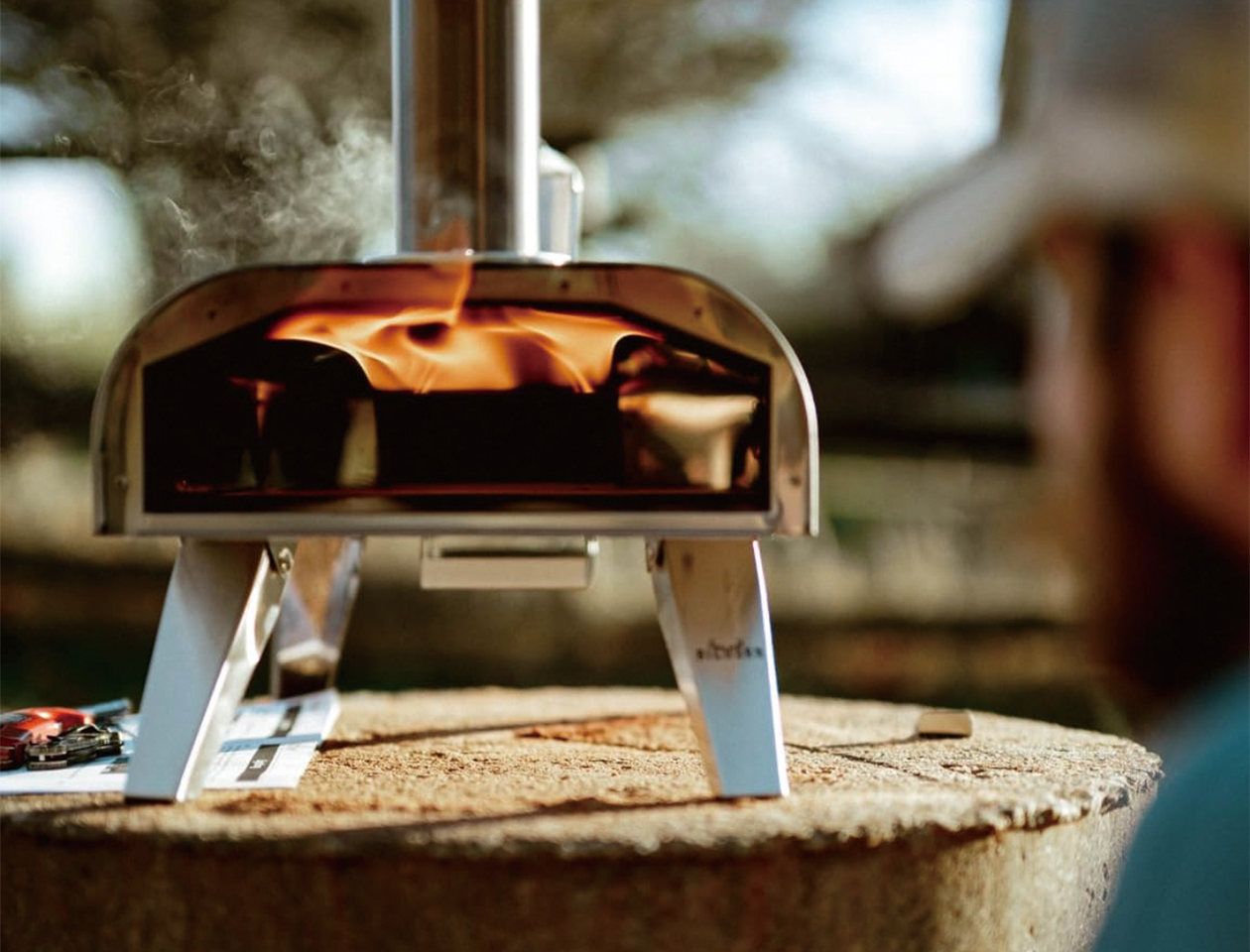
Unlike conventional ovens that max out near 500–550°F, pizza ovens concentrate intense heat in a small, insulated space. The cooking surface—typically cordierite or refractory stone—absorbs and radiates heat directly into the dough base, while the arched dome reflects thermal energy downward for even top browning and leopard spotting. Fuel sources vary: propane gas offers instant ignition and steady temperatures; wood pellets or logs deliver authentic smoky flavor; electric elements provide indoor-safe operation. Portable designs from brands like Big Horn Outdoors use stainless-steel bodies with folding legs to retain heat efficiently while remaining transportable for backyard, patio, or campsite use.
Which Fuel Type Is Best for a Pizza Oven?
The best fuel type depends on your priorities: propane gas for convenience and consistent heat, wood pellets for authentic smoky flavor, and electric for indoor safety and ease of use.
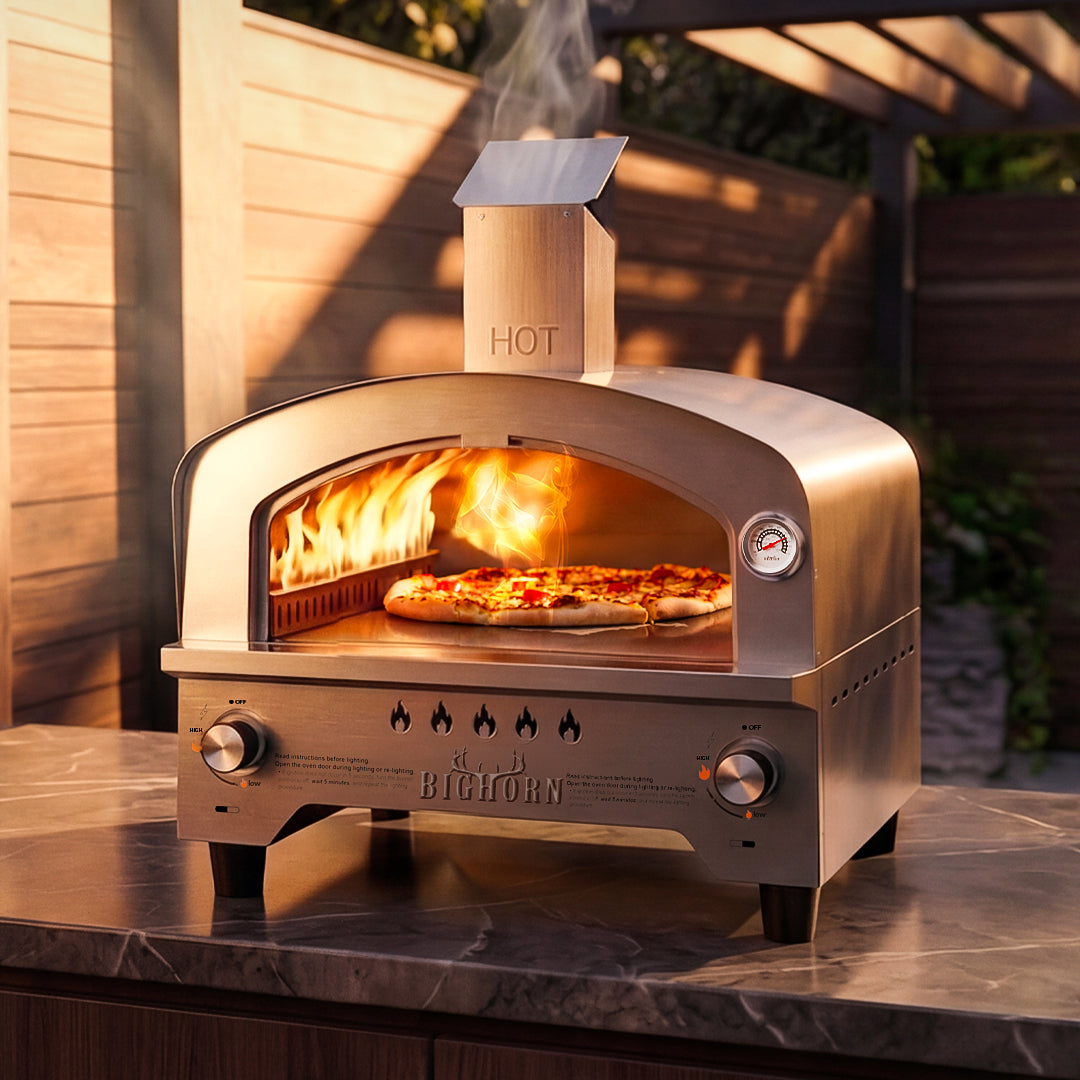
Propane gas ovens ignite instantly and maintain steady temperatures with minimal tending, making them ideal for frequent home use. Wood-pellet models require 18–25 minutes to preheat but deliver genuine wood-fired flavor and can reach temperatures up to 887°F, enabling 60–90 second Neapolitan-style pizzas. Electric countertop ovens eliminate outdoor setup entirely and often include preset cooking modes, though they lack the smokiness of wood or gas. Multi-fuel systems let you switch between gas and pellets but add assembly complexity and require careful fuel management. Big Horn Outdoors offers pellet, gas, and electric options across its catalog, each designed for specific environments and cooking preferences.
How Hot Does a Pizza Oven Need to Be?
A pizza oven needs 700–950°F to cook authentic Neapolitan-style pizza in 60–90 seconds; lower temperatures produce slower, denser results better suited to thick-crust or pan styles.
Authentic Neapolitan pizza relies on blistering heat to rapidly puff the crust while keeping the interior tender and airy. Below 600°F, moisture evaporates slowly, yielding bread-like textures rather than the characteristic charred spots and crisp exterior. Most quality portable ovens target 850°F or higher to replicate traditional wood-fired pizzeria conditions. Models like Big Horn Outdoors' 12-inch pellet oven reach 887°F, enabling fast 60–90 second bakes with proper dough hydration and technique. For thicker American-style crusts, deep-dish, or indoor electric models, 500–750°F suffices with longer cook times of 5–10 minutes. A built-in or handheld infrared thermometer helps monitor both dome and stone temperatures, ensuring consistent results across multiple pizzas.
What Size Pizza Oven Should I Buy?
Choose a 12-inch oven for 1–2 people or small spaces, a 16-inch model for families or entertaining, and always verify external dimensions to ensure portability and proper storage fit.
A 12-inch cooking surface handles individual 10–12 inch pizzas, ideal for couples, small patios, or RV travel. These compact units, such as Big Horn Outdoors' 12-inch stainless-steel pellet oven, weigh approximately 25 pounds and feature folding legs for easy transport and storage. Sixteen-inch models accommodate larger pies or multiple items simultaneously but require more counter or patio space and consume additional fuel. Always measure your intended location—countertop depth, patio table dimensions, or RV storage compartment—against the oven's full external footprint, not just the advertised pizza diameter. For indoor kitchens, electric countertop ovens in 14–16 inch formats offer similar capacity without outdoor ventilation requirements, though they need dedicated electrical outlets and heat-resistant surfaces.
How Long Does It Take to Preheat a Pizza Oven?
Preheat times range from 10 minutes for electric or well-insulated gas ovens to 18–25 minutes for wood-pellet models, depending on fuel type, ambient temperature, and wind conditions.
Electric ovens heat fastest, often reaching 750–900°F in under 15 minutes due to direct resistance heating and compact chambers. Propane gas models like Big Horn Outdoors' dual-fuel systems typically preheat in 18–20 minutes to stabilize at 850°F+. Wood-pellet ovens require 18–25 minutes as the hopper feeds fuel gradually and the stone saturates with heat. Cold, rainy, or windy weather can extend preheat times by 5–10 minutes. Always allow extra minutes beyond the manufacturer's estimate for the stone to fully absorb and radiate heat evenly. A thermometer reading of 800°F+ on the stone surface indicates readiness for launching the first pizza.
How Do I Use a Pizza Oven Safely?
Use pizza ovens outdoors on stable, non-flammable surfaces, maintain clearances from walls and overhead structures, keep children and pets at a safe distance, and follow fuel-specific safety protocols.
Outdoor ovens generate extreme heat and, in the case of gas or wood models, open flames or combustible fuel. Place units on concrete, brick, stone pavers, or certified heat-resistant mats—never directly on wooden decks, dry grass, or plastic surfaces. For propane models, inspect hoses and connections for leaks before each use, attach regulators securely, and store tanks upright in well-ventilated areas. Wood-pellet ovens require natural hardwood pellets stored in airtight containers to prevent moisture absorption and mold growth. Electric ovens must plug into grounded, GFCI-protected outlets and never operate near standing water or in rain. Big Horn Outdoors emphasizes durable stainless-steel construction and stable folding-leg designs, but users must still maintain at least 3 feet of clearance from combustible materials. Always use long-handled pizza peels and heat-resistant gloves to prevent burns when launching or retrieving pizzas.
How Do I Clean and Maintain a Pizza Oven?
Clean pizza ovens by brushing ash or debris after the unit cools completely, wiping stainless exteriors with a damp cloth, and storing fuel sources properly to prevent corrosion, moisture damage, or pest infestation.
After each cooking session, allow the oven to cool to ambient temperature before cleaning. Remove accumulated ash from pellet models using a small brush or vacuum designed for hot ash. Wipe grease or food residue from gas burners and stainless-steel bodies with a soft cloth and mild dish soap—avoid abrasive cleaners that scratch finishes. Cordierite or refractory stones should be brushed dry only; never wash them with water, as rapid temperature changes cause cracking. Store pellets in sealed, food-grade containers to maintain dryness and prevent rodent access. Cover propane tank connections and store tanks outdoors in upright positions. Big Horn Outdoors' foldable designs simplify storage in garages or sheds, but periodic inspection of legs, hinges, fuel lines, and burner assemblies ensures long-term safety and optimal performance.
Big Horn Outdoors Expert Views
"Success with outdoor pizza ovens starts with matching your model to your lifestyle and cooking habits. For regular weeknight use, a propane or dual-fuel oven delivers fast, repeatable results with minimal preparation. If you value authentic wood-fired flavor and don't mind an 18–20 minute preheat, a pellet oven reaches 887°F for genuine 60–90 second Neapolitan pies. Always verify your specific model's fuel type, dimensions, temperature range, and included components—specifications vary across our 12-inch, 16-inch, and electric countertop formats. Safety is essential: operate ovens outdoors on stable, non-flammable surfaces, maintain clearances from walls and overhead structures, and store pellets in airtight containers. With the right setup and technique, you can achieve pizzeria-quality crusts and explore versatile cooking, from steaks to vegetables, right in your backyard."
What Accessories Do I Need for a Pizza Oven?
Essential accessories include a pizza peel for launching and retrieving pies, a turning peel for even browning, and a weather-resistant cover for protection. Optional upgrades include infrared thermometers, carrying cases, and spare stones.
A 12–16 inch aluminum or wooden peel matches most oven sizes, while a smaller turning peel aids rotation during bakes for uniform charring. Infrared thermometers verify stone and dome temperatures, ensuring optimal launch conditions and preventing undercooked or burnt results. Weather-resistant covers extend oven life by shielding stainless steel from rain, UV exposure, and dust accumulation. Big Horn Outdoors sells compatible peels, stones, and covers designed for specific models, but third-party options work if dimensions align precisely. For gas models, keep extra propane tanks and regulators on hand to prevent mid-cook interruptions. Avoid plastic or non-heat-resistant tools near the oven opening, as they can melt or warp at high temperatures.
Conclusion
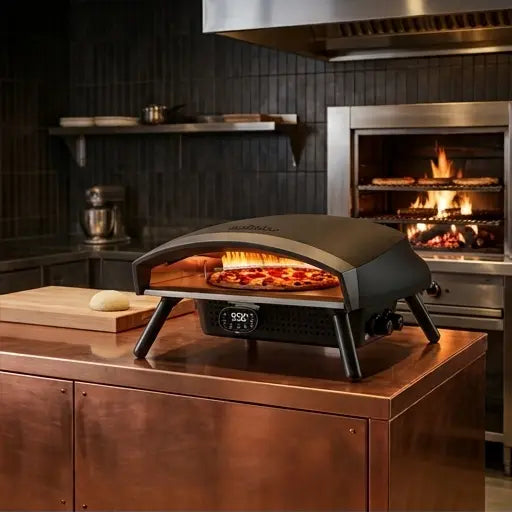
Select a pizza oven based on your fuel preference, cooking frequency, available space, and portability needs. Propane or dual-fuel models suit convenience-focused users seeking fast, consistent results. Wood-pellet ovens deliver authentic smoky flavor for enthusiasts willing to manage longer preheat times. Verify model-specific specifications—Big Horn Outdoors' 12-inch pellet oven reaches 887°F in 18–20 minutes, ideal for 60–90 second Neapolitan pizzas. Prioritize safety with proper outdoor placement, fuel handling, and essential accessories like peels and thermometers. For indoor kitchens, electric countertop ovens offer similar capacity without outdoor ventilation requirements. Match your choice to your cooking style, space constraints, and experience level to achieve consistent, pizzeria-quality results at home.
FAQs
Can I use a pizza oven indoors?
Only electric countertop models are designed and certified for indoor use. Gas, pellet, and wood-fired ovens produce carbon monoxide and require outdoor ventilation; never operate them in enclosed spaces.
How often should I replace the pizza stone?
With proper care, cordierite or refractory stones last for years. Replace only if the stone develops deep cracks, chips, or loses its ability to retain heat evenly. Avoid washing or exposing stones to rapid temperature changes.
Do pizza ovens work effectively in cold or windy weather?
Yes, but preheat times increase by 5–10 minutes in cold or windy conditions. Use a weather-resistant cover to shield the oven during cooking, and position it to minimize wind exposure while maintaining proper ventilation.
Can I cook foods other than pizza in a pizza oven?
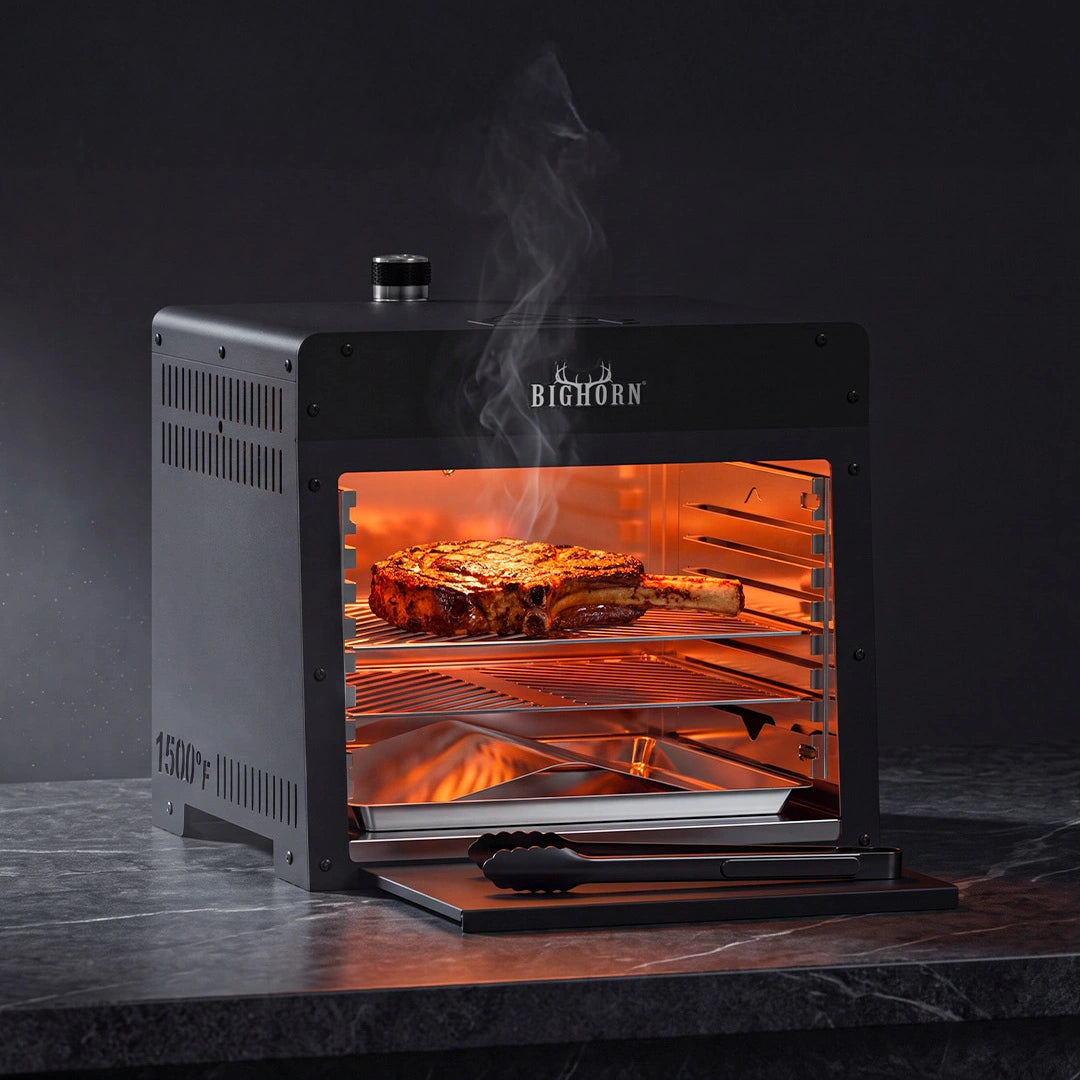
Absolutely. High-heat ovens excel at searing steaks, roasting vegetables, baking artisan bread, and cooking fish. Adjust cook times and temperatures based on the food type and desired doneness.
Does a portable pizza oven require assembly?
Most portable models, including Big Horn Outdoors' 12-inch pellet oven, require minimal tool-free assembly—typically attaching folding legs to the main body. Electric countertop units arrive fully assembled and ready to use out of the box.