







Pizza Dough
Grandma pizza is the thin-ish pan pie with a frico-like edge and sauce on top of the cheese. Learning how to make grandma pizza means oiling a sheet pan, pressing dough to the corners, and baking until the bottom crisps.
You can finish in a home oven or give it a blast in a pizza oven if the pan fits safely. Dough technique notes from King Arthur pizza resources help if your dough fights the pan.
What grandma pizza is (and isn't)
Grandma style is a rectangular pan pizza associated with Long Island and nearby pizzerias: thinner than deep Sicilian, often cheese-first, sauce-second.
It is not a Neapolitan round and not a Detroit pizza with cheese baked up the black-steel walls. Think sheet pan, olive oil, and a crisp bottom.
If your pan pizza is tall and airy like focaccia, you drifted toward Sicilian territory.
Grandma vs Sicilian vs Detroit
Sicilian is typically thicker and spongier. Detroit uses a particular pan and cheese-to-edge frico in a square. Grandma stays thinner with a quicker press-and-bake feel.
Sauce placement differs too: many grandma pies spoon sauce over cheese in stripes or dollops. That look is a clue you are in the right family.
Use the comparison to pick a recipe lane—not to argue on the internet mid-bake.

Dough and pan choices
A moderately hydrated dough that can press to the corners works. Oil the pan generously so the bottom fries as it bakes.
Metal sheet pans and rectangular pizza pans are common. Avoid glass if you plan a very hot finish.
Press dough to the edges; thick center and thin corners bake unevenly.
Cheese-then-sauce build
Scatter mozzarella first, then spoon crushed tomatoes or sauce over the top in ribbons. Season with oregano and grated hard cheese.
Cheese-first helps protect the dough and creates browned patches where sauce does not fully cover.
Keep toppings modest so the thin slab can crisp.
Baking in a home oven vs a pizza oven
Home ovens often bake around 450–500°F until the bottom is golden when you lift a corner. A stone or steel under the pan helps.
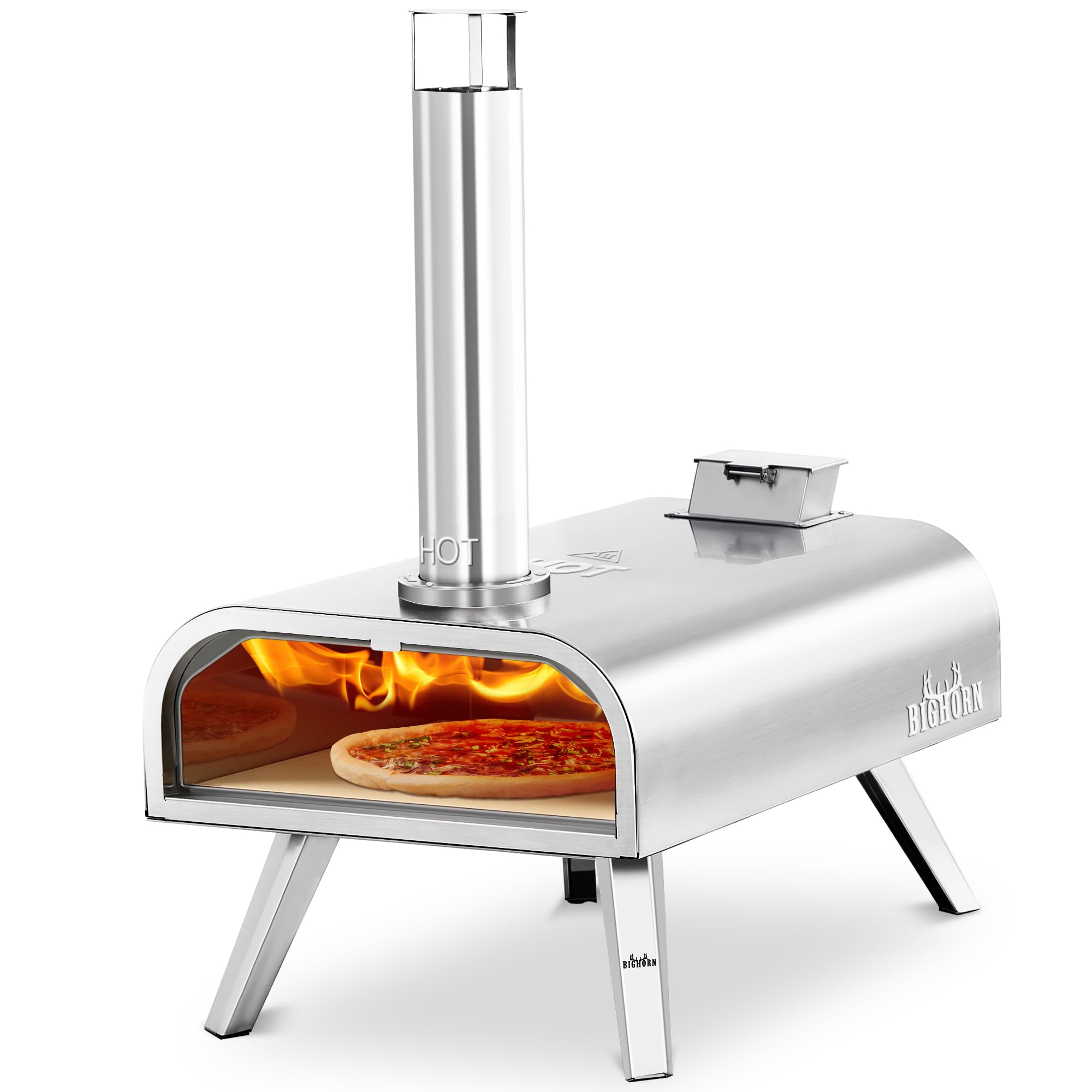
In a pizza oven, use a heat-safe pan and watch closely—top heat can race ahead. Rotate and lower flame if the cheese darkens before the bottom sets.
Never assume a pan is safe for extreme oven temperatures; check the pan rating.
Crisp-bottom tricks
Preheat the pan with oil for a few minutes when safe to do so, or start on a lower rack and move up. More oil than a typical cookie sheet is normal.
If the top is done but the bottom is pale, finish on the stove carefully in the pan over medium heat, or return without top heat if your oven allows.
Cool two minutes before slicing so cheese settles.
Serving ideas, storage and leftovers
Serve in squares with chili flake and Parmesan. Leftovers reheat on a skillet to recrisp the bottom.
Refrigerate promptly following FDA kitchen habits. More pan-pizza nights pair well with recipes on the recipes blog.
Cold grandma slices make excellent next-day lunches without reheating if that is your style.
How to make pizzeria style pizza crust?
High heat, strong gluten, and a well-preheated surface are the core.
Pizzeria crusts vary by style, but they share decisive oven temperature and dough that can hold gas. Grandma style specifically leans on oiled pans rather than a bare peel launch.
Practice dough feel more than chasing a single secret flour brand.
Field notes you can reuse next time
Write down timing, heat feel, and what you would change. A two-line phone note beats trying to remember a perfect cook a month later. Keep raw and cooked tools separate, and chill leftovers within two hours.
If wind is strong, shield the fire and extend timing rather than maxing every control. If food browns too fast, build a cool zone and finish there. If food stays pale, preheat longer before the next batch hits the surface.
Scrape grease mid-session when smoke turns bitter. Keep a lid or sheet pan ready for flare-ups, and shut fuel down fully before you walk inside. Confirm ashes or burners are out.
Practice once on a quiet night before you host a crowd. One calm rehearsal teaches timing better than another tip list. Stage spare fuel, a clean platter, and a thermometer before you light anything.
Buy the ingredient your method actually needs when tenderness or melting behavior matters. Assign one person to the heat and one to sides when guests arrive so the cook is not pulled away mid-sear. Taste, adjust salt, and repeat the part that worked.
Field notes you can reuse next time
Write down timing, heat feel, and what you would change. A two-line phone note beats trying to remember a perfect cook a month later. Keep raw and cooked tools separate, and chill leftovers within two hours.
If wind is strong, shield the fire and extend timing rather than maxing every control. If food browns too fast, build a cool zone and finish there. If food stays pale, preheat longer before the next batch hits the surface.
Scrape grease mid-session when smoke turns bitter. Keep a lid or sheet pan ready for flare-ups, and shut fuel down fully before you walk inside. Confirm ashes or burners are out.
Practice once on a quiet night before you host a crowd. One calm rehearsal teaches timing better than another tip list. Stage spare fuel, a clean platter, and a thermometer before you light anything.
For related references while you plan, see King Arthur Neapolitan-style crust notes; CDC food-safety resources; NFPA cooking safety; FoodSafety.gov cookout tips.
Conclusion
Oil the pan, press dough thin, cheese then sauce, and bake until the bottom crisps. That is grandma pizza without confusing it for Sicilian height or Detroit walls. Slice into squares and eat while the edges still crackle.
Explore outdoor ovens for pizza night in the Big Horn Outdoors pizza oven collection.
FAQ
What are the ingredients of Grandma pizza?
You need pizza dough, olive oil, mozzarella, tomato sauce or crushed tomatoes, and seasonings like oregano and grated hard cheese. Optional toppings stay light. The oiled rectangular pan is part of the method.
Should pizza be at 375 or 400?
Grandma-style pan pies usually prefer hotter ovens than 375—often nearer 450°F or above in a home oven—so the bottom crisps. Exact settings depend on your oven and pan. Watch bottom color, not only the dial.
How to make pizzeria style pizza crust?
Build dough strength, ferment for flavor, and bake on a fully preheated surface at high heat for your style. Grandma pies use an oiled pan rather than a bare launch. Consistency beats one-off tricks.
What is the difference between Sicilian pizza and Grandma pizza?
Sicilian is typically thicker and airier; grandma is thinner in a sheet pan with a crisp bottom and often sauce over cheese. Both are rectangular pan pizzas, but height and crumb differ. Detroit is another square style with its own pan rules.
Explore more in the Pizza Making Guides.
More to Read
 Ssausage Dogs
Big Horn Outdoors® Recipe
Smoky, cheesy, and packed with big flavor — these Sausage Dogs are a quick and easy favorite, made rig...
 Jalapeño Cheese Pizza Recipe
Big Horn Outdoors® Recipe
Cranberry-jalapeño spread, double cheese, and crispy bacon on a blistered crust — sweet heat meets piz...
Sourdough Pizza Dough Recipe (Active Starter or Discard Paths)
Sourdough pizza dough recipe: sourdough pizza dough with active starter or discard paths, hydration guidance, timelines, and outdoor oven bake notes.
