







Pizza Dough
Pinsa looks like pizza until you tear a piece: lighter crumb, crisp underside, oval shape. Making pinsa romana at home outdoors is about a high-hydration blend, long fermentation, and a bake that finishes the airy crumb without burning delicate toppings.
You do not need a Roman bakery deck. A well-preheated outdoor pizza oven and a patient cold ferment get you most of the way there.
Pinsa vs pizza: dough, shape and texture
Pinsa dough typically blends flours (often including wheat with rice and/or soy flours in commercial mixes) at higher hydration than many American grocery-store pizza doughs. The shape is an elongated oval, and the crumb is airy with a delicate crunch.
Classic Neapolitan pizza leans on soft wheat flour, a round shape, and a very hot, short bake. Pinsa is usually fermented longer and baked to keep the rim light rather than leopard-spotted at all costs.
Texture is the giveaway when you taste them side by side. Pizza can be chewy and pliable; pinsa often shatters lightly at the rim and feels less dense in the center. That difference comes from hydration, fermentation time, and how gently you press gas toward the edges while shaping.
Do not chase pinsa by simply stretching a same-day ball into an oval. Without the long ferment, you mostly get oval pizza. Give the dough cold time, then shape with fingertips so you keep the open crumb that defines the style.
If you already own an outdoor oven for pizza, you can alternate styles on different nights. Explore fuel options in the pizza oven collection once your dough process feels repeatable.

Flour blend and hydration for pinsa
Home bakers often approximate pinsa with high-protein wheat flour plus a portion of rice flour for crispness and lightness. Hydration commonly sits higher than a stiff sandwich dough—think sticky, stretchy dough that needs wet hands or a scraper.
Start with baker’s percentages you can repeat: note flour weight, water weight, salt (around 2–2.5%), and a small yeast amount for long ferments. Guides such as King Arthur Neapolitan-style crust resources help you understand gluten development even when your blend differs from pure pizza flour.
If rice flour is unavailable, a small percentage of fine semolina can add bite, though the crumb will not match a true pinsa blend. Keep notes on percentages so you can move one variable at a time. High hydration dough sticks—wet your hands, use a bench scraper, and resist burying the dough in bench flour that dulls flavor.
Do not chase a brand-name secret flour on day one. Get fermentation timing and shaping right with a simple blend, then tweak rice flour percentage for more snap.
Long fermentation schedule
Pinsa shines with cold time. Mix, rest until dough shows life, then refrigerate 24–72 hours depending on yeast amount and fridge temperature. Longer ferments need less yeast.
Bulk ferment in a lightly oiled container with room to rise. Divide when cold, then bench-rest balls until they relax. If the dough tears when you dimple it, give it more time on the counter.
A practical schedule: mix in the evening, bulk until the dough looks alive, cold-ferment through the next day or two, then divide and proof before dinner service. If bubbles look huge and fragile, the dough may be over-fermented—use it sooner next time or reduce yeast. Cold dough is easier to shape than warm, slack dough.
Food safety still matters with toppings: keep cheeses and meats refrigerated until topping time, following FDA kitchen food-safety basics for clean prep surfaces.
Shaping the oval base
Press from the center outward with oiled fingertips, keeping gas in the rim. Aim for an oval that fits your peel and chamber—usually longer than it is wide, with an even center thickness.
Avoid a rolling pin if you can; pressing preserves the open crumb. Dust the peel with semolina or fine rice flour so the soft dough slides.
Baking at oven temperatures that suit pinsa
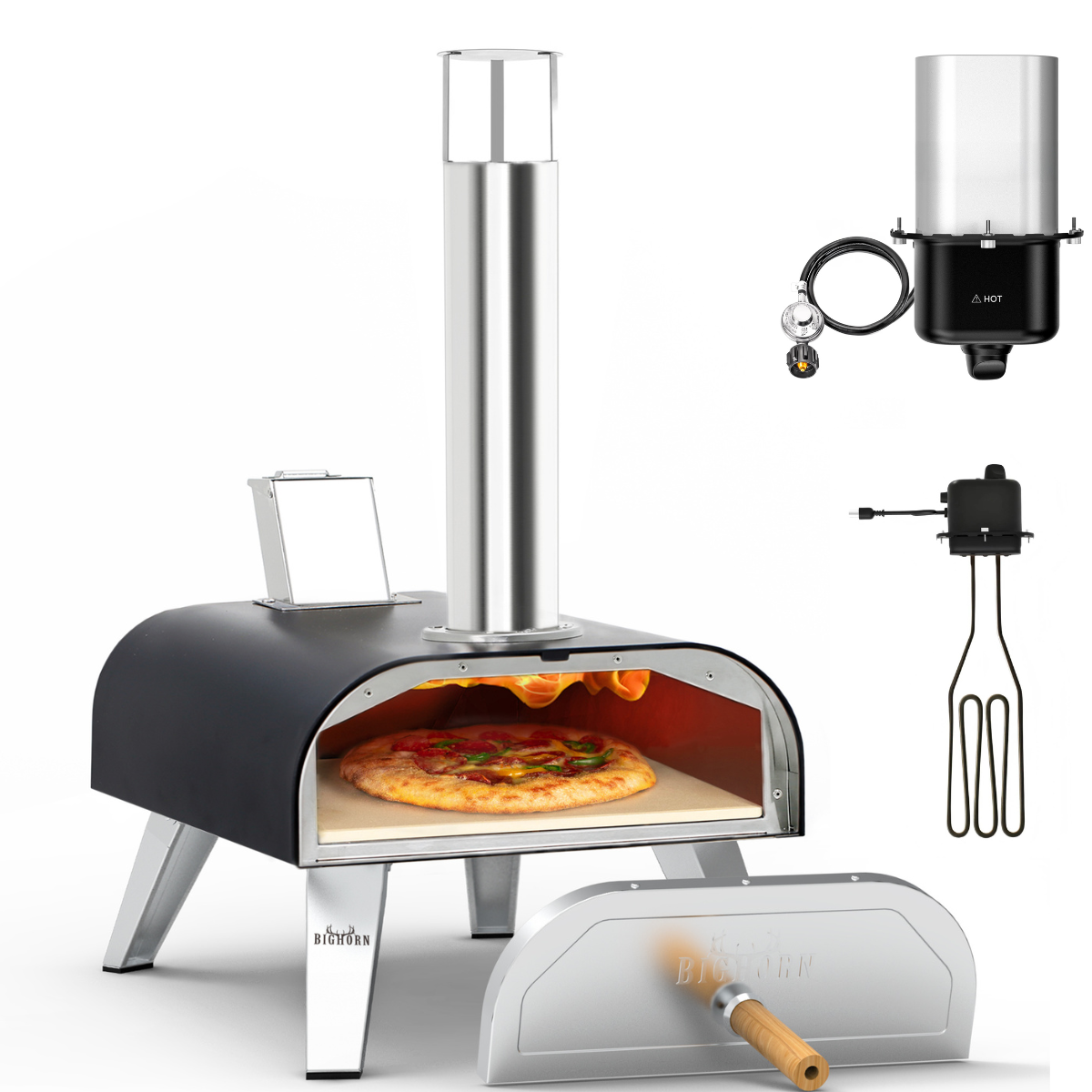
Pinsa often prefers hot-but-not-maximum heat compared with the hottest Neapolitan launches, so the crumb sets before toppings scorch. Follow your oven’s manual for safe operating temperatures rather than copying a restaurant deck setting.
Launch, turn as needed, and pull when the underside is crisp and the top is just finished. Soft cheeses go on late if your oven runs very hot.
Launch with confidence; sticky pinsa dough punishes hesitation. If the oval sticks, stop and unstick with a scraper rather than tearing holes. Turn earlier than you would a heavily topped pepperoni pie, because lighter toppings hide less of the crust color underneath.
For fuel flexibility on mixed pizza-and-pinsa weeks, look at multi-fuel pizza ovens that let you change heat sources without changing your dough process.
Pellet and multi-fuel ovens may need more turning for even color; gas can hold a steadier flame. Compare pellet pizza ovens and multi-fuel pizza ovens if you bake breads beyond standard pizza.
Topping ideas
Go lighter than a loaded American pie. Prosciutto and arugula after the bake, mortadella and pistachio, zucchini and stracciatella, or simple tomato, garlic, and oregano all suit the airy crust.
Pat moist toppings dry. Too much sauce defeats the light crumb you spent days fermenting.
Serving ideas, storage and leftovers
Serve pinsa whole on a board and cut into strips. Leftovers reheat best in a hot oven or skillet to restore crunch; microwaves soften the rim.
Store cooled pieces airtight in the fridge and eat within a couple of days. For longer storage, freeze baked bases lightly wrapped, then re-crisp before topping.
Yeast and flour timing habits from educators such as Red Star yeast conversion charts and King Arthur pizza crust resources transfer well to pinsa schedules. Keep outdoor oven placement fire-aware with NFPA grilling safety and CPSC fire-safety education. When you want fuel flexibility for breads beyond pizza, compare pellet pizza ovens.
Conclusion
Treat pinsa as a long-ferment, high-hydration oval—not a round pizza with a new name. Nail the press-out, keep toppings light, and bake on a fully preheated stone for a crisp, airy backyard version of the Roman classic.
Looking for an outdoor oven for breads and pizza nights? Start with Big Horn Outdoors pizza ovens.
FAQ
What's the difference between a pinsa and a pizza?
Pinsa usually uses a higher-hydration dough, often with a flour blend that includes rice or similar lighteners, shaped into an oval with an airy crumb. Pizza styles vary widely, but classic Neapolitan pies are round, soft-wheat based, and baked very hot for a short time. On the plate, pinsa feels lighter and crispier for many eaters.
What is the secret to making good pizza dough?
Consistent weights, enough gluten development, controlled fermentation, and a dough temperature you can repeat matter more than secret ingredients. For pinsa-style dough, that means measuring hydration carefully and giving the dough a long cold ferment with modest yeast. Keep notes so you can adjust time when your kitchen runs warm or cold.
What are some popular pinsa recipes?
Popular finishes include tomato and oregano, mortadella with pistachio cream, prosciutto with arugula and shaved cheese, and seasonal vegetable pinsas with light cheese. Add delicate greens and cured meats after baking so they do not wilt into mush. Keep sauce thin to protect the open crumb.
What is Roman style pinsa crust?
Roman pinsa crust is associated with an elongated shape, high hydration, long fermentation, and a light, crisp bite. Commercial pinsa flours are proprietary blends; home bakers approximate the texture with wheat plus rice flour and patient cold time. The goal is airy structure without a dense, bready center.
Explore more in the Pizza Oven Guides.
More to Read
 Ssausage Dogs
Big Horn Outdoors® Recipe
Smoky, cheesy, and packed with big flavor — these Sausage Dogs are a quick and easy favorite, made rig...
 Jalapeño Cheese Pizza Recipe
Big Horn Outdoors® Recipe
Cranberry-jalapeño spread, double cheese, and crispy bacon on a blistered crust — sweet heat meets piz...
Sourdough Pizza Dough Recipe (Active Starter or Discard Paths)
Sourdough pizza dough recipe: sourdough pizza dough with active starter or discard paths, hydration guidance, timelines, and outdoor oven bake notes.
