Plan a Tailgating Grill Setup from Loading to Pack-Down
A successful tailgate depends on more than choosing a portable grill. The appliance, fuel,
work surface, food storage, serving plan, venue rules, and cooling time all need to fit the same
trip. Plan the complete cooking workflow before departure so the grill is useful at the event
and manageable when it is time to leave.
Venue-Rules Check
Confirm whether the destination permits propane, pellets, electric appliances, open flames,
and cooking near parked vehicles. Check designated cooking zones, cylinder limits, fire-safety
requirements, cleanup rules, and the time by which equipment must be packed.
Vehicle-Space Check
Measure the packed appliance and reserve separate room for fuel, food, a stable table, tools,
and waste containers. A grill that fits by itself may not fit once the full cooking setup and
passengers are included.
Menu and Capacity Check
Estimate portions and cooking rounds before selecting a size. A smaller grill is easier to
load but may create a long serving queue; a larger grill reduces rounds but requires more
cargo, work-surface, and cooling space.
Fuel-Plan Check
Match the exact appliance to an approved energy source. Confirm the propane connection,
pellet supply, or electrical rating and outlet access. Pack only compatible components and
follow the manufacturer's fuel transport, storage, and connection instructions.
Choose a Menu That Fits the Appliance
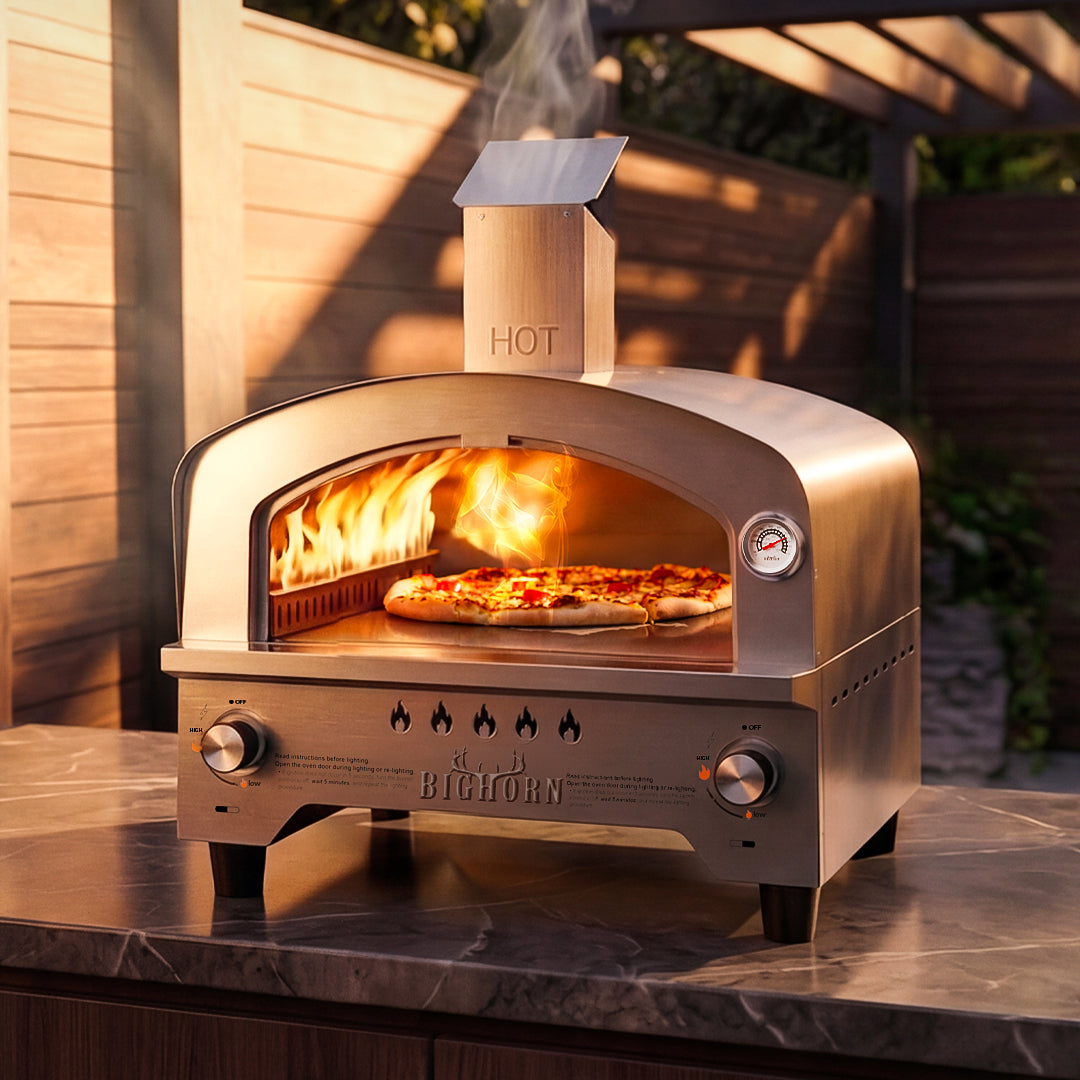
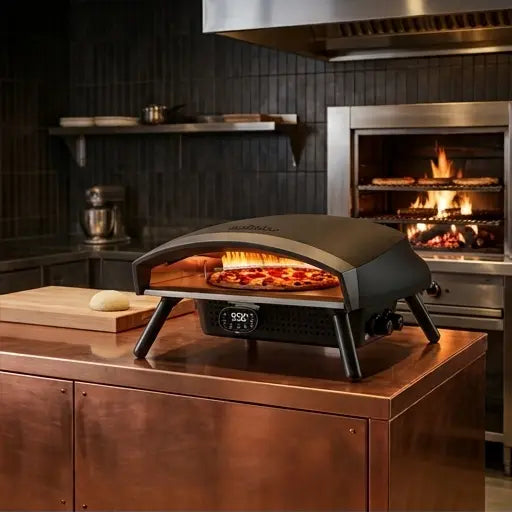
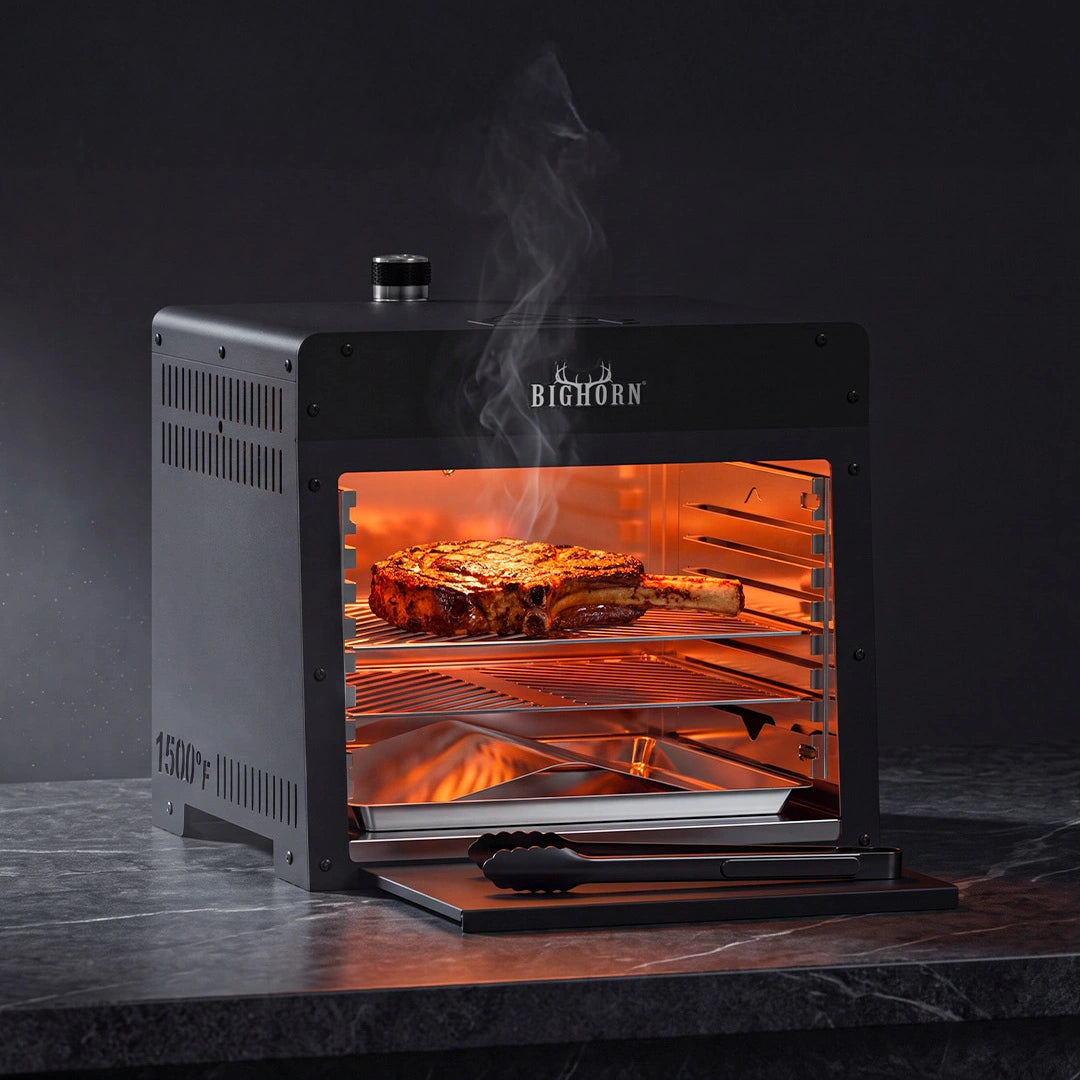
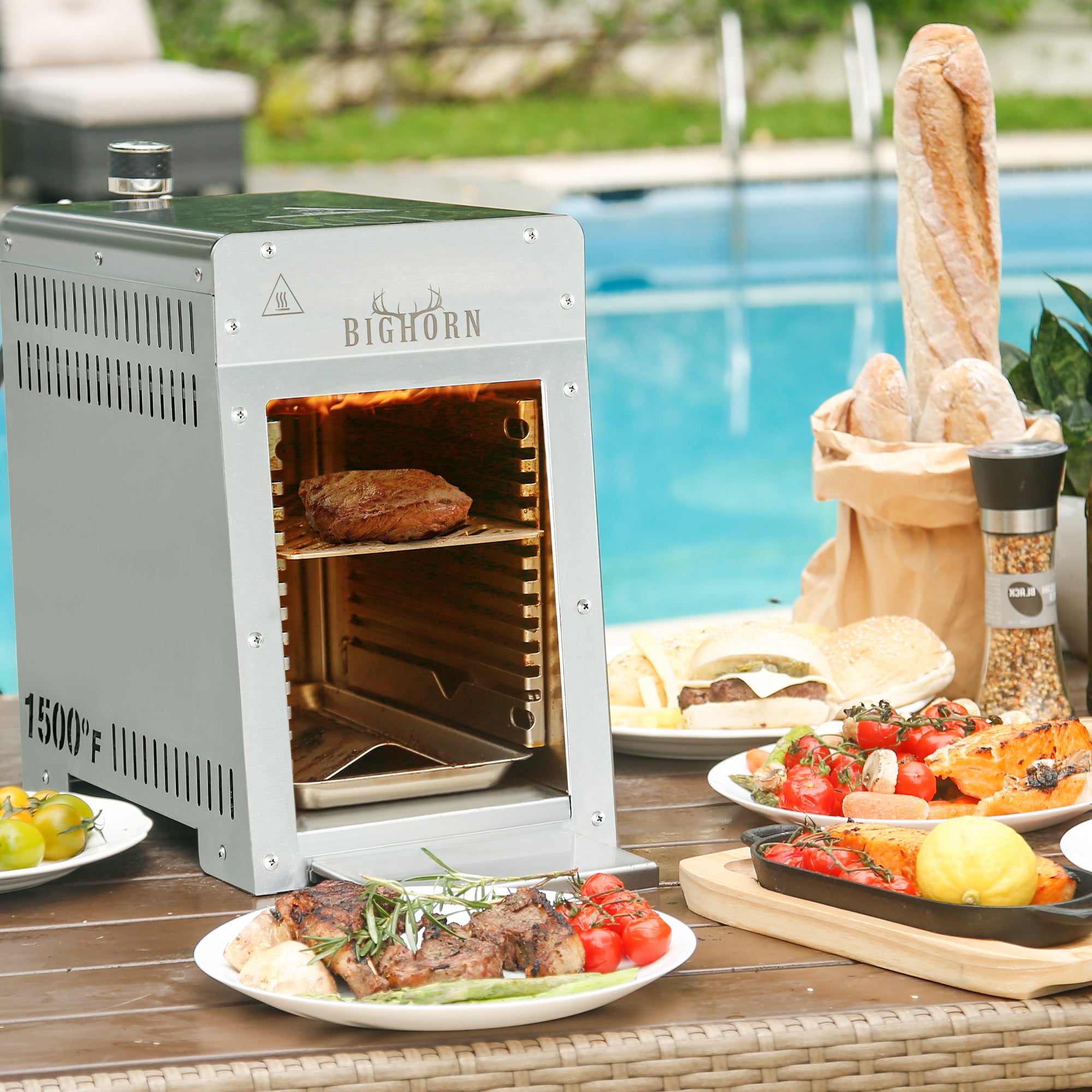
Tailgating food should be realistic for the grill and the available time. Infrared grills favor
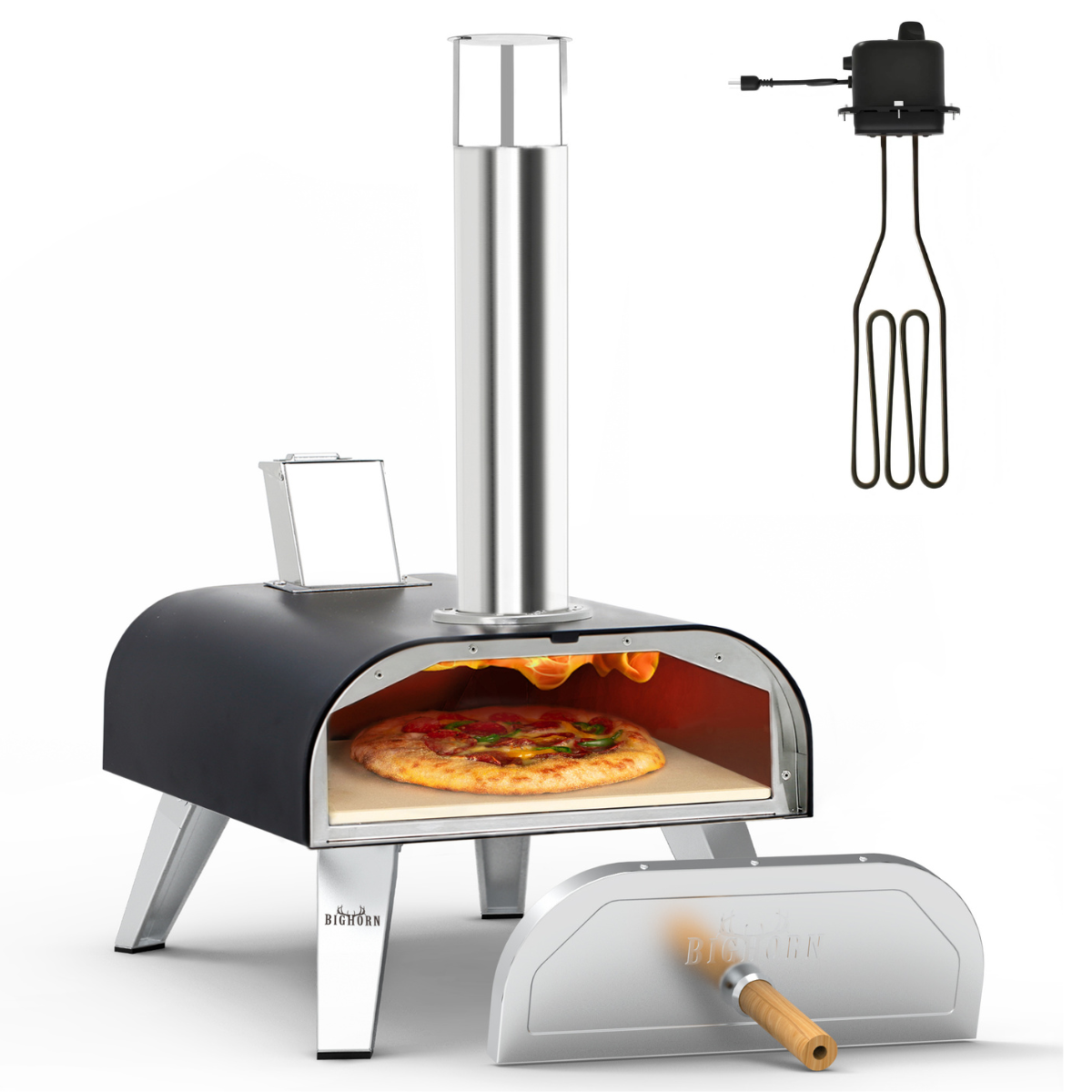
short, high-heat cooking for steaks, burgers, seafood, chops, and vegetables. Portable pizza ovens
favor individual or shareable pizzas and foods that work well on a stone or in a compact oven.
Avoid building a menu that requires more cookware, preparation space, or holding capacity than
the site provides.
Use a Three-Zone Tailgate Layout
- Raw-food zone: Keep uncooked meat sealed, cold, and separated from ready-to-eat food.
- Hot-cooking zone: Place the appliance on a stable surface with required clearance and no pedestrian shortcut through the work area.
- Serving zone: Use clean plates and utensils away from raw food, fuel, grease, and hot components.
Separating these functions reduces crowding and cross-contamination while making it easier for
the cook to monitor high heat. Keep children, pets, and guests who are not cooking outside the
appliance clearance area.
Pack for Cooking, Safety, and Cleanup
- The exact grill or oven, required grates or stone, approved hose or cable, and model-specific tools
- A stable heat-resistant table, protective gloves, long-handled utensils, and a food thermometer
- Cold storage, separate raw and cooked food containers, clean serving utensils, and hand-cleaning supplies
- A suitable method for handling grease, ash, food scraps, and general waste under venue rules
- Weather protection for stored supplies, without enclosing or obstructing the operating appliance
- A cooling and pack-down plan that leaves enough time before the event area closes
Avoid Last-Minute Tailgating Problems
Do not discover at the parking gate that your fuel is prohibited, that the grill will not fit on
your table, or that an electric oven has no approved power source. Test assembly and ignition or
electrical operation at home according to the product instructions. Confirm every removable part,
accessory, and connection before loading the vehicle.
Allow Time for Shutdown and the Return Trip
Stop cooking early enough for a controlled shutdown. Disconnect or secure the energy source only
as directed, contain grease and food waste, and let the appliance cool completely before loading.
Never place a hot grill, warm pizza stone, live ember, or smoldering pellet component inside a
vehicle. Follow local rules for ash or fuel disposal rather than improvising at the parking site.
Continue with a Focused Product Comparison
Use these links to compare the main cooking formats represented in the collection. Verify the
exact variant and included parts on the live product page because similar model names can have
different sizes, burner arrangements, accessories, and fuel requirements.
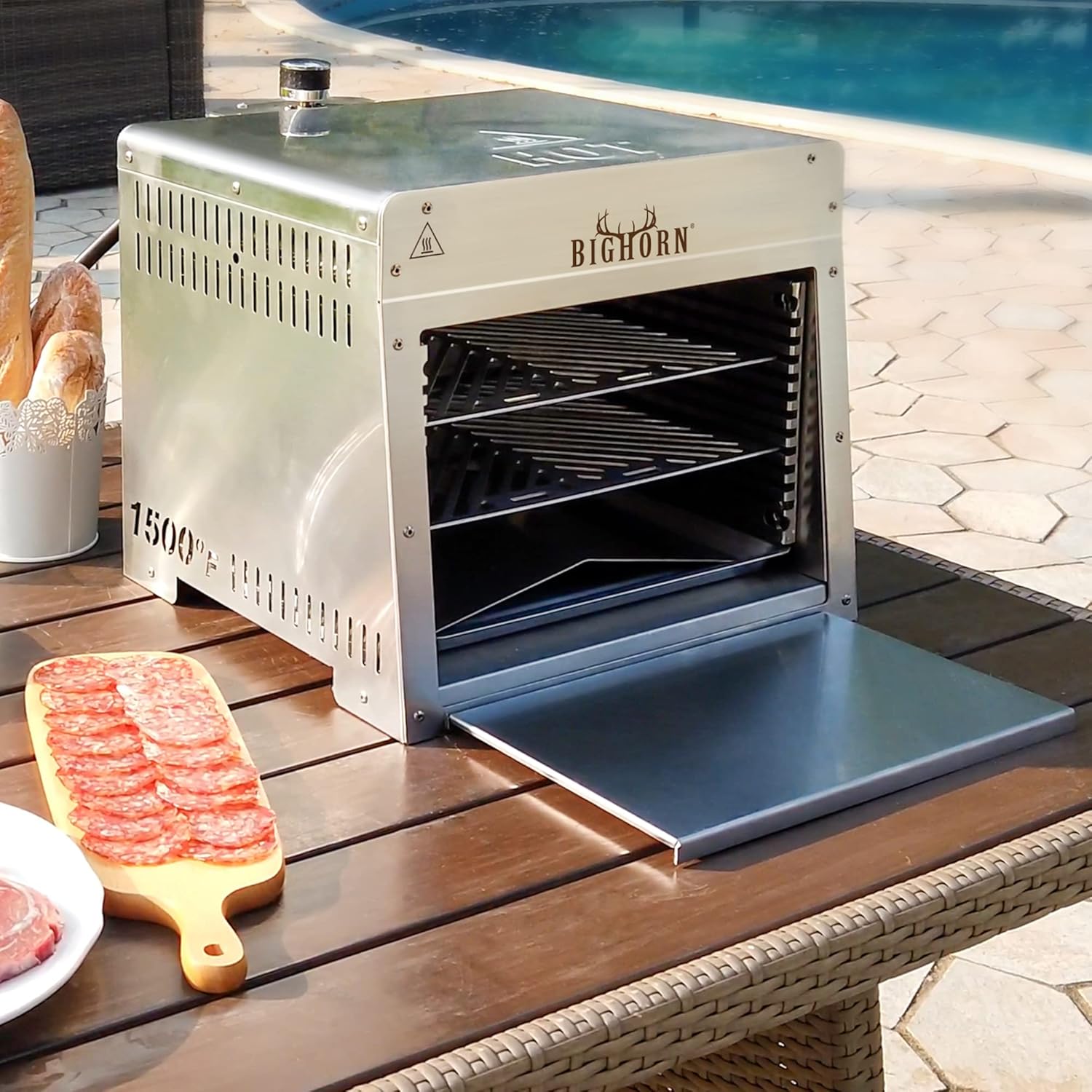
Compact Infrared Grill
Review the 9-inch propane option for smaller high-heat tailgating menus.
View the 9-inch grill
Family-Size Infrared Grill
Compare the 16-inch format for more cooking room and rapid searing.
View the 16-inch grill
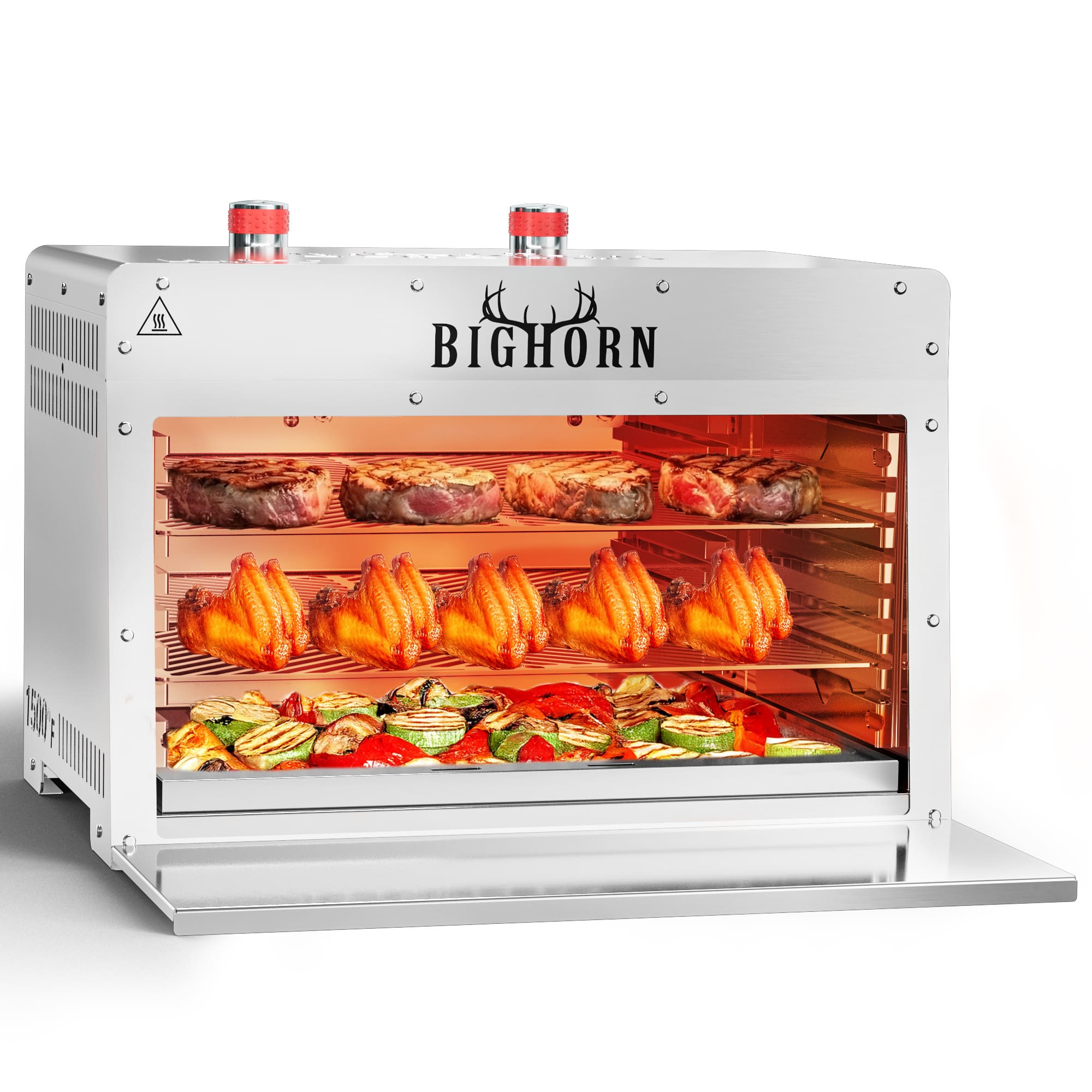
Dual-Burner Infrared Grill
Review the 21.2-inch model for larger groups and two controlled heat zones.
View the dual-burner grill
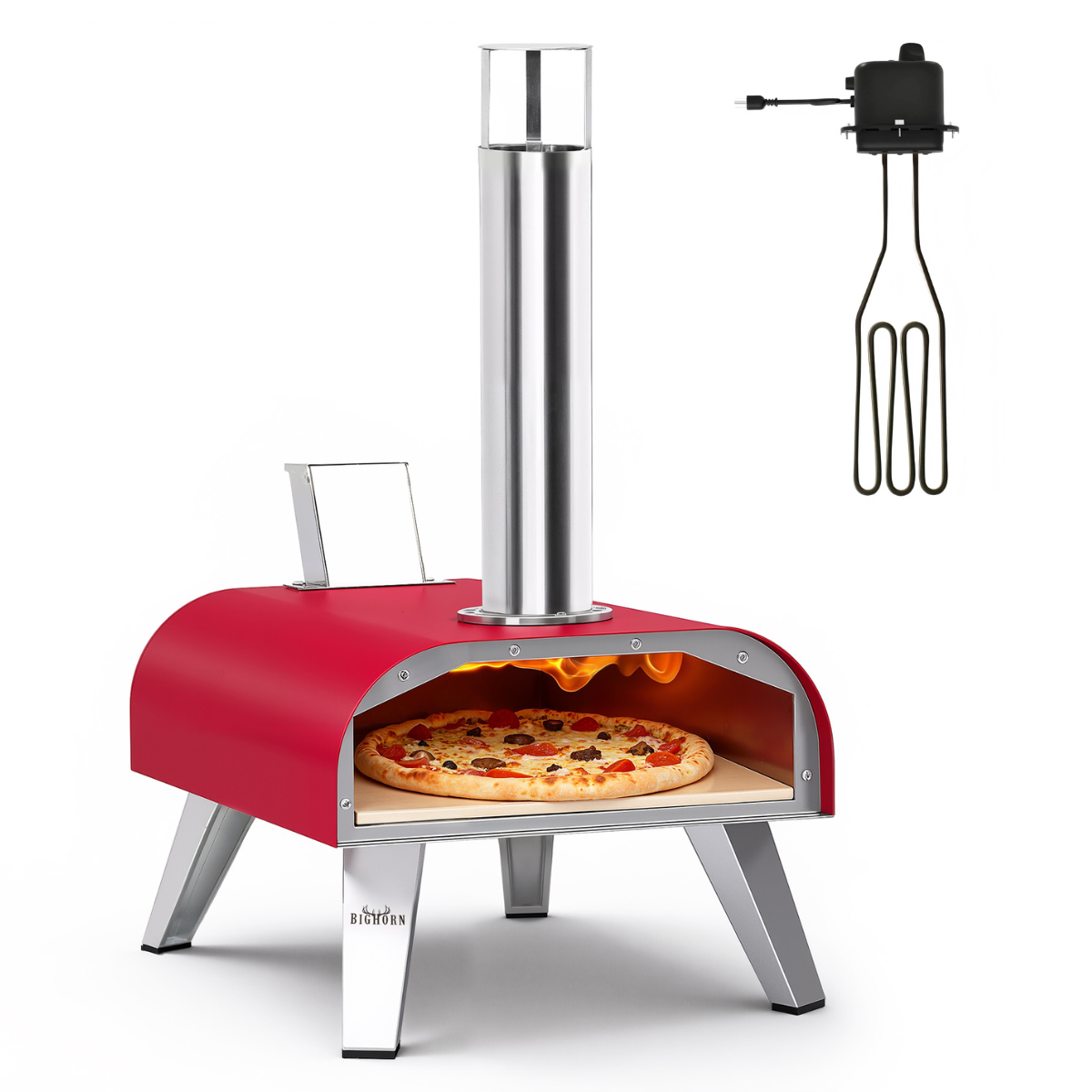
Pellet & Electric Pizza Oven
Compare two compatible heating paths for a portable 12-inch pizza menu.
View the dual-fuel oven
Expandable Pellet Pizza Oven
Start with pellets and review separately sold compatible burner accessories.
View the expandable oven
Tailgating Grill Collection
Return to the full collection to compare current options and configurations.
Shop tailgating grills
Portability Is the Complete Trip, Not Just the Product Weight
The best tailgating grill is one you can transport with its fuel and accessories, operate in
the permitted space, use for the planned number of portions, and cool before departure. Choose
the entire workflow—not only the appliance—and game-day cooking becomes faster, safer, and
easier to repeat.