Plan a Tailgating Stove Workflow from Arrival to Kickoff
Tailgating creates a fixed service window. The stove must be unloaded, connected, lit, used, shut
down, cooled, and packed within the event schedule. Build the menu backward from kickoff or entry
time, allowing more room for setup and cooling than for complicated recipes. A simple meal served on
time is more successful than an ambitious menu that leaves hot equipment when the group must depart.
Rules-and-Timing Audit
Confirm when the parking area opens, where cooking is allowed, which fuels and container sizes are
permitted, and when equipment must be shut down. Include security checks, walking time, cleanup,
and full cooling in the schedule.
Guest-and-Menu Audit
Count guests, portions, dietary needs, and realistic serving waves. Match a two-burner stove to
varied group meals or a single folding burner to drinks and simple dishes that can be prepared in
one pot or pan.
Loading Audit
Pack the stove with its specified fuel components, cookware, tools, food storage, serving items,
stable table, and waste containers. Verify that the complete setup fits without placing heavy or
sharp items where they can damage the stove or fuel system.
Shutdown Audit
Decide when the last cooking round must begin and when the flame must stop. Leave enough time for
grease handling, cleaning, fuel shutdown, and complete cooling before loading the vehicle or
leaving the cooking zone.
Complete Most Food Preparation at Home
Wash and cut ingredients, portion seasonings, shape burger patties, and organize foods in sealed
containers before departure. Keep raw meat cold and separated from cooked or ready-to-eat items.
Reducing knife work and packaging at the event keeps the cooking area cleaner and lets the stove be
used only when the meal is ready to move forward.
Create Three Distinct Tailgating Zones
- Cold zone: Keep raw ingredients and temperature-sensitive foods in suitable cold storage.
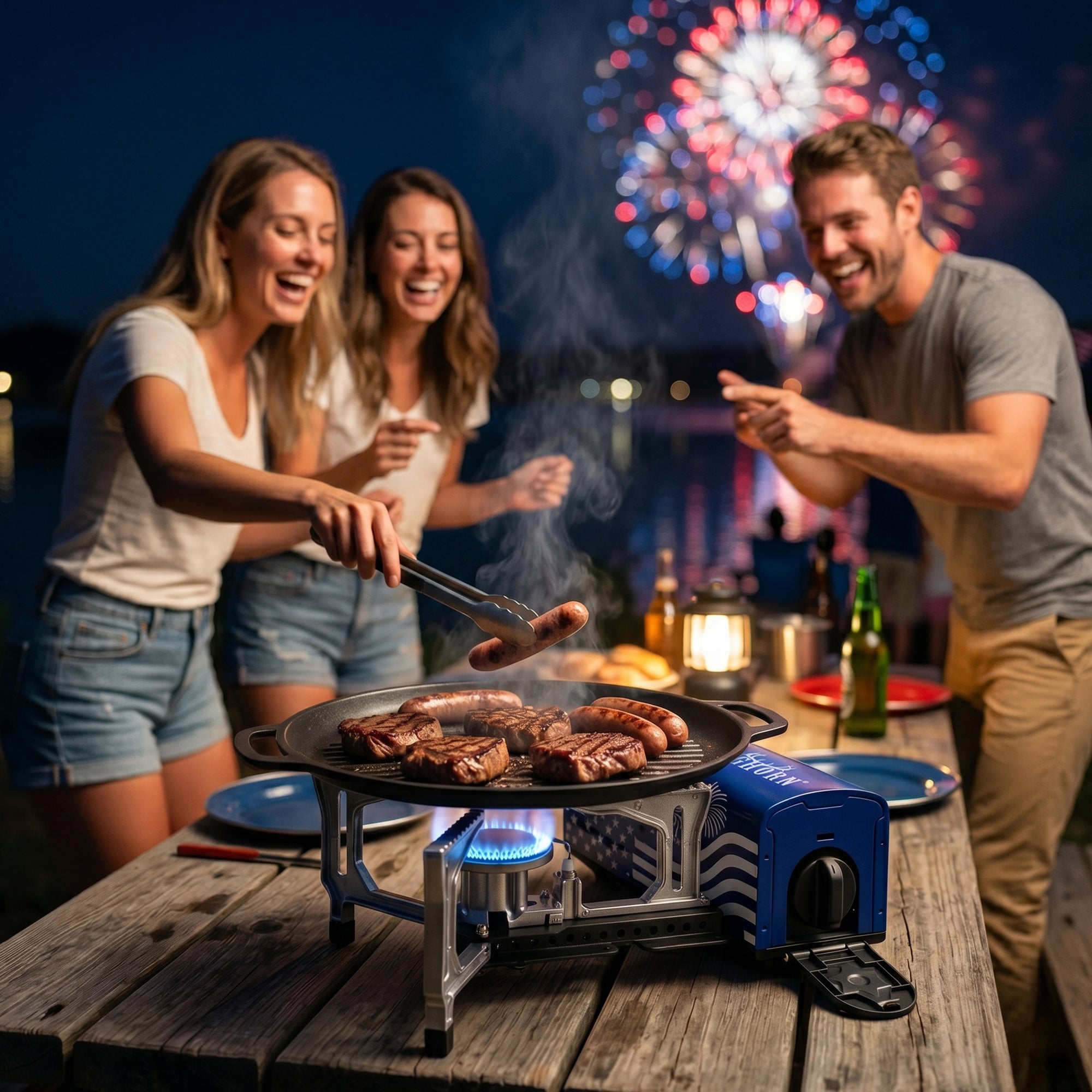
- Hot zone: Place the stove and fuel on a stable outdoor surface with required clearances and no guest shortcut.
- Serving zone: Hold clean plates, utensils, condiments, and cooked food away from raw ingredients and fuel.
The zones do not need to be far apart, but they should prevent cross-contamination and keep guests
from reaching across the operating stove. Assign one person to manage cooking when the area becomes
busy.
Use Serving Waves Instead of Crowding the Stove
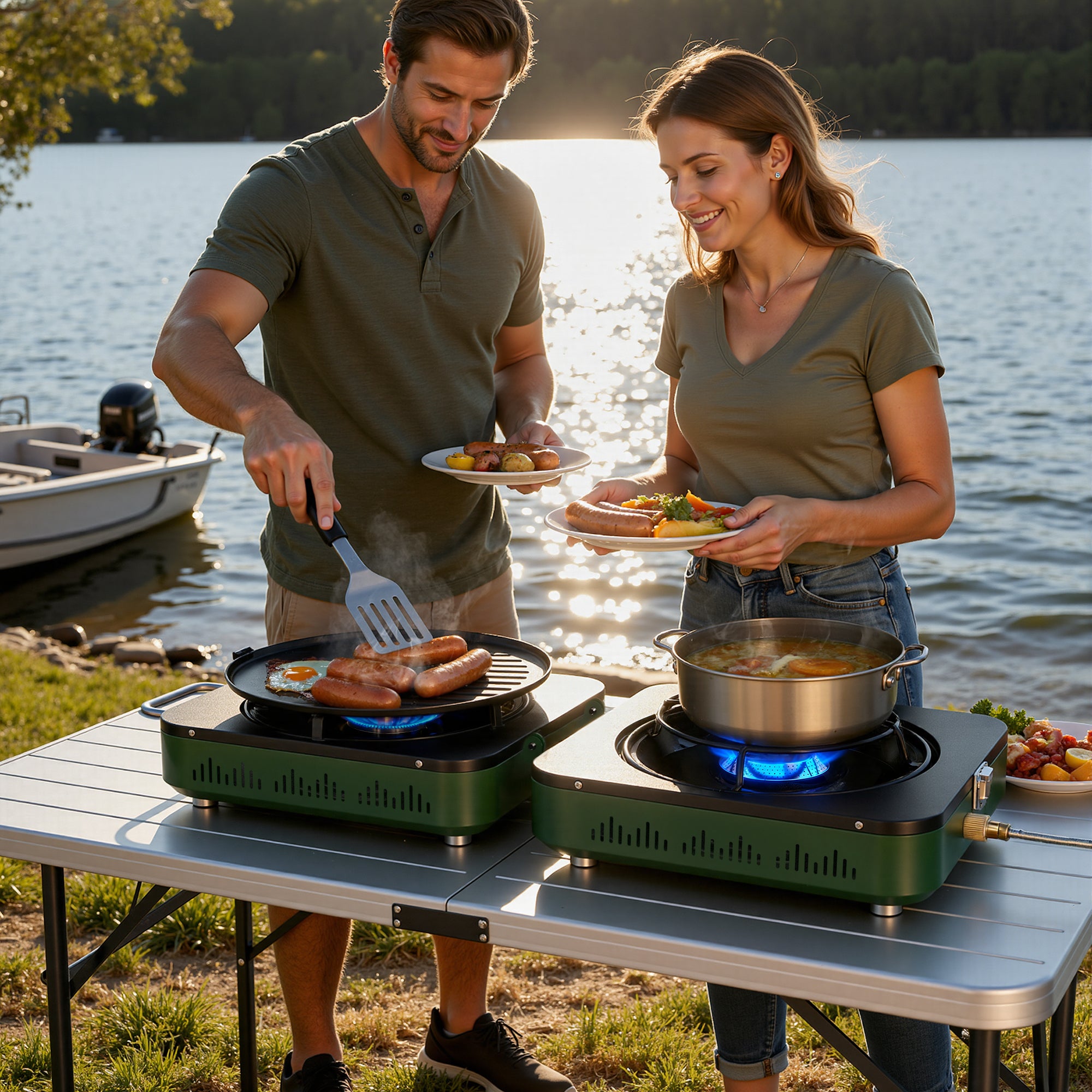
For a two-burner setup, group foods by heat level and finish time. Cook items that hold well first,
then prepare quick foods closer to serving. For a single burner, choose a sequence that reuses one pot
or pan efficiently. Do not overload the cooking surface simply to serve everyone in one round; crowding
makes turning food, temperature control, and grease management more difficult.
Keep Fuel Systems Separate and Clearly Identified
Use only the fuel and connection components specified for the selected stove. Label or pack the system
as one verified kit so an incompatible canister, hose, regulator, or adapter is not selected during a
rushed setup. Perform the required inspection and connection steps before ignition, and stop if a part
is damaged or the setup does not match the instructions.
Avoid Game-Day Setup Mistakes
- Do not assume last season's stadium or parking rules remain unchanged.
- Do not operate the stove inside a vehicle, tent, enclosed canopy, garage, or other enclosed space.
- Do not place the stove on a vehicle surface, cooler, unstable table, or pedestrian route.
- Do not use cookware that is oversized, unbalanced, or outside the stove's stated limits.
- Do not leave cooking unattended while greeting guests or preparing food elsewhere.
- Do not wait until departure time to begin shutdown and cooling.
Pack Down Without Rushing Hot Equipment
Follow the model-specific shutdown procedure, contain food and grease waste, and keep the cooking area
supervised while everything cools. Do not fold, cover, box, or load the stove until the burner,
supports, griddle, cookware, body, and fuel-related areas are fully cool. Check the site for food,
packaging, and fuel-related items before leaving.
Continue with the Right Game-Day Stove
Use these links to select the cooking capacity and packed format that fit the event. The tailgating
collection explains the game-day use case, while the fuel-specific collections provide deeper product
and operating information.
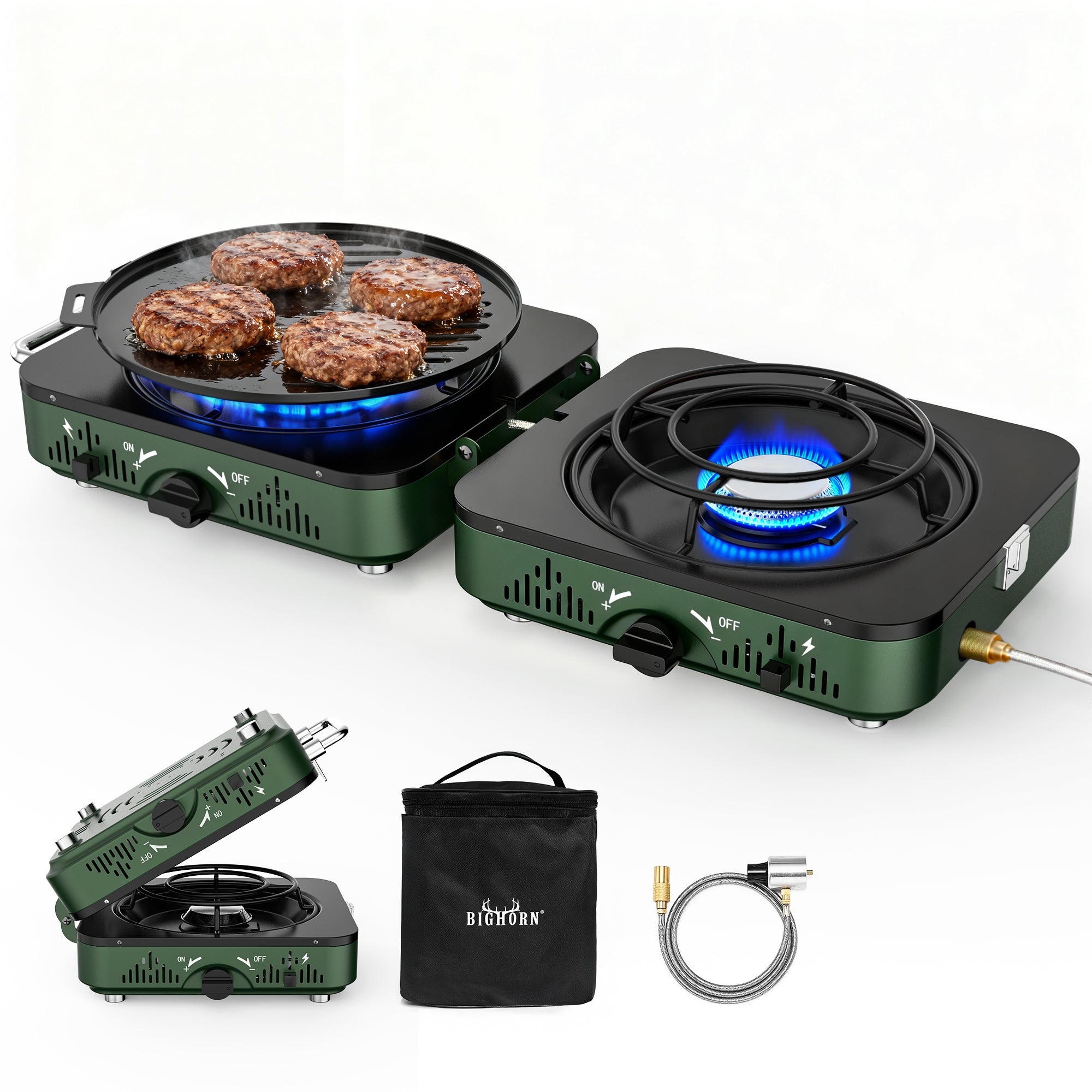
2-Burner Tailgating Stove
Review the 17,000 BTU stove and reversible griddle for larger game-day menus.
View the 2-burner stove
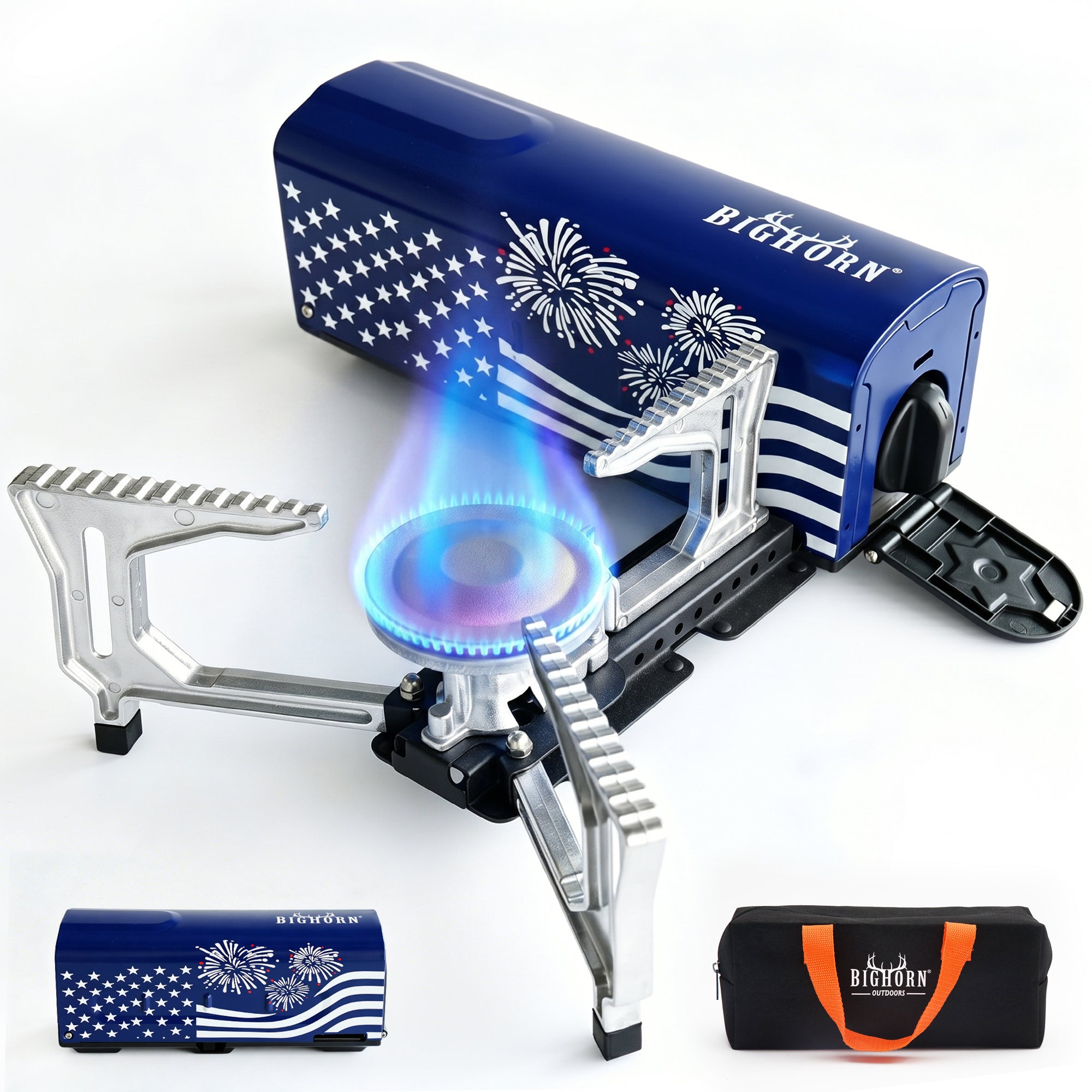
Folding Tailgating Stove
Explore the 7,500 BTU compact burner for drinks and simple one-pan meals.
View the folding stove
Tailgating Stoves
Return to the collection to compare the current game-day cooking options.
Shop tailgating stoves
Propane Camping Stoves
Review the two-burner fuel system, griddle functions, and camping workflow.
Explore propane stoves
Butane Camping Stoves
Learn about the folding burner, cookware fit, colors, and butane setup.
Explore butane stoves
Tailgating Grills
Compare larger portable grilling and pizza equipment for broader menus.
Explore tailgating grills
Plan Backward from Departure Time
Choose a menu that fits the guest count and stove capacity, prepare ingredients before arrival,
and set a firm final-cook time. When cooling and pack-down are part of the schedule from the start,
the tailgate can end cleanly without loading hot equipment or missing the event.