
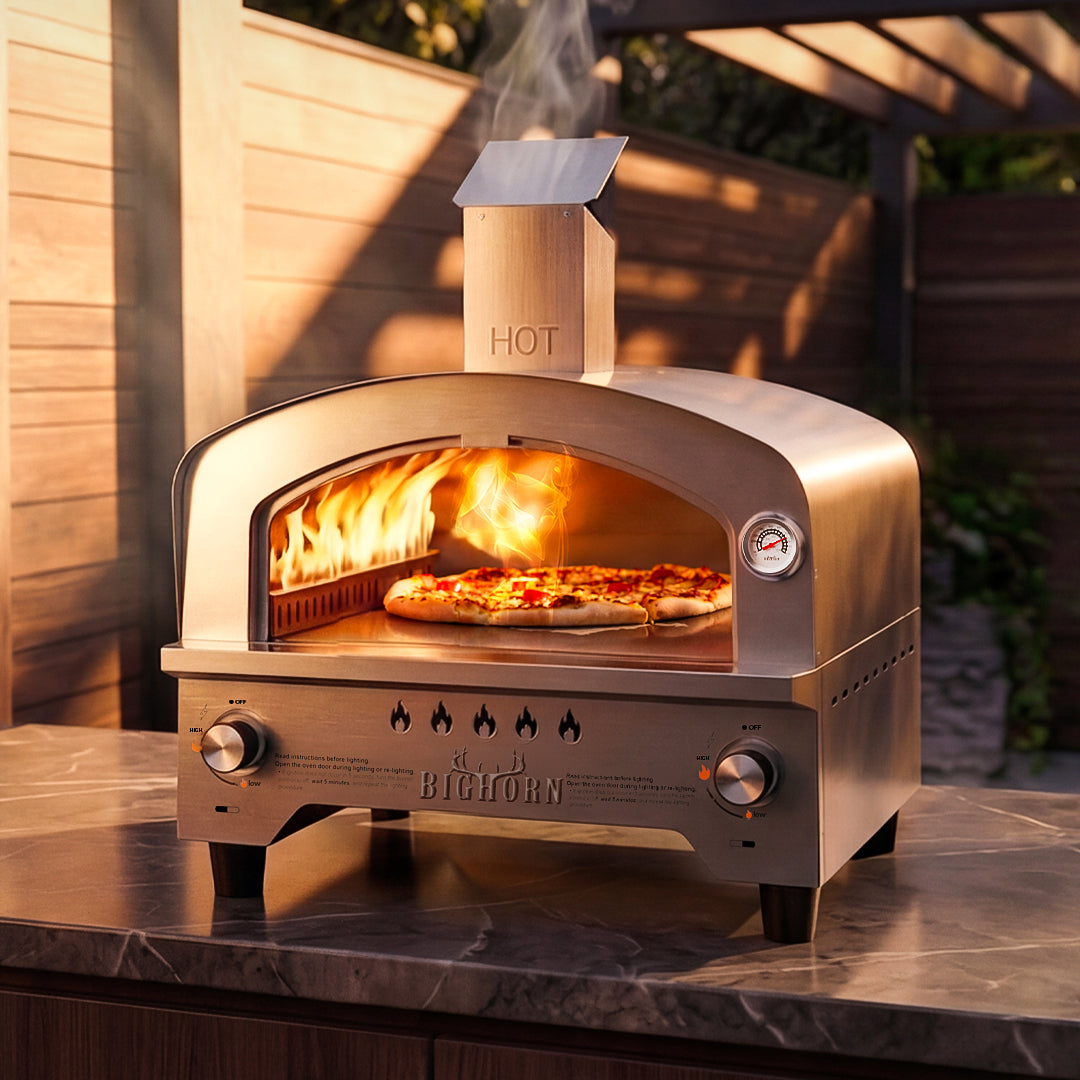
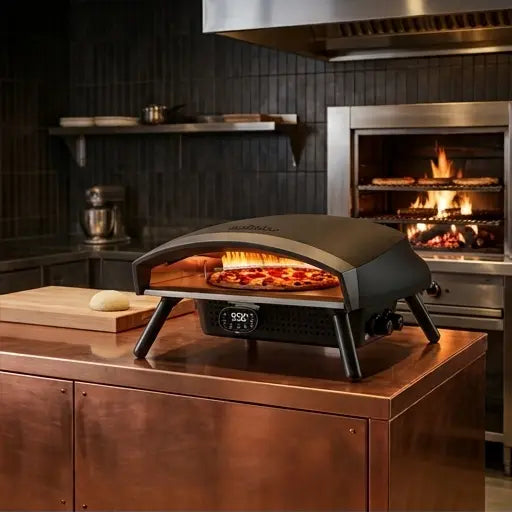
A multi-fuel pizza oven is worth the extra cost for cooks who value fuel flexibility, outdoor versatility, and long-term use across different locations. If you mainly cook at home and prefer simple operation, a single-fuel oven may provide better value. The decision depends on whether switching between wood, pellets, gas, or other compatible fuels solves a real cooking need.
The direct answer: when is a multi-fuel oven worth buying?
A multi-fuel pizza oven is worth the additional cost when you regularly need different fuel options for convenience, flavor, portability, or changing outdoor conditions. The biggest advantage is not automatically higher heat — it is the ability to choose the fuel that fits the situation.
For example, a homeowner may prefer gas for a quick weeknight pizza session because it starts easily and offers simple temperature control. The same person may choose wood or pellets on weekends when they want a traditional outdoor cooking experience. A multi-fuel system combines these use cases into one platform.
However, paying extra only makes sense if you will actually use the additional fuel capability. Someone who always cooks on a patio with easy propane access may not benefit from paying more for fuel flexibility.
Big Horn Outdoors offers different outdoor cooking formats, including pellet, gas, electric, and multi-fuel pizza oven options. The right choice depends on cooking habits, available space, fuel access, and how often you move the equipment.
What is a multi-fuel pizza oven and how does it work?
A multi-fuel pizza oven is an outdoor oven designed to operate with more than one compatible fuel source, allowing users to change the heating method based on their cooking needs. Unlike a single-fuel oven, it gives the cook more control over convenience, flavor, and setup.
The main difference is the heating system. A wood or pellet fire produces heat through combustion, creating direct flame and radiant energy that warms the cooking chamber and pizza stone. Gas burners generate heat through controlled combustion and usually provide faster ignition and easier adjustment.
The cooking result depends on more than the fuel type. Factors such as stone temperature, airflow, insulation, flame position, and cooking technique influence pizza quality.
A multi-fuel oven does not automatically create better pizza than a single-fuel model. Instead, it gives the user more ways to reach the desired cooking environment.
Common fuel options
| Fuel type | Main advantage | Best suited for |
|---|---|---|
| Wood | Traditional fire cooking experience | Users who enjoy flame management and smoky character |
| Pellets | Compact fuel storage and automated feeding on compatible designs | Outdoor cooking with convenient solid fuel |
| Gas | Fast ignition and simple heat adjustment | Weeknight cooking and predictable results |
| Electric | Indoor-friendly convenience on compatible countertop models | Controlled home cooking environments |
The best fuel depends on whether the priority is convenience, flavor, portability, or simplicity.
Does multi-fuel create better pizza flavor?
Multi-fuel does not guarantee better flavor, but different fuels can influence the cooking experience and the way heat reaches the pizza. The final result depends heavily on dough preparation, toppings, stone temperature, and cooking technique.
Wood and pellets are often chosen by outdoor cooks who enjoy the character of live fire cooking. Combustion creates flame and radiant heat, while the cook manages airflow and fuel levels to maintain the cooking environment.
Gas offers a different advantage. It provides consistent heat without requiring fuel loading or ash cleanup. For many home cooks, consistency is more valuable than managing a live fire.
The Maillard reaction, which creates browning and complex flavors, depends mainly on heat intensity, surface temperature, and cooking time. A properly heated pizza stone and balanced cooking chamber are essential regardless of fuel choice.
A multi-fuel oven gives cooks the option to choose the experience they want, but the operator still controls the final quality.
Who should choose a multi-fuel pizza oven?
A multi-fuel pizza oven is best for outdoor cooks who have multiple cooking situations and want one oven that adapts to different fuel preferences. It is especially useful for people who host gatherings, travel, or do not want to depend on only one fuel source.
A multi-fuel model may be a good match for:
Backyard entertainers
People who regularly cook for family and friends may appreciate having options. Gas can simplify large cooking sessions, while solid fuel can create a more traditional outdoor atmosphere.
Campers and RV travelers
Fuel availability changes when traveling. A flexible oven can be useful when propane is available in one location but another fuel source is preferred elsewhere.
Outdoor cooking enthusiasts
Users who enjoy experimenting with pizza styles, temperatures, and cooking methods may find fuel flexibility valuable.
Homeowners unsure about their preferred fuel
New pizza oven buyers sometimes do not know whether they prefer gas convenience or wood-fired cooking. A multi-fuel design reduces the need to buy separate equipment later.
However, casual users who make pizza occasionally may find a dedicated single-fuel oven easier and more economical.
When is a single-fuel pizza oven the better choice?
A single-fuel pizza oven is often the better choice when simplicity, lower cost, and straightforward operation matter more than flexibility.
A gas pizza oven can be ideal for cooks who want:
- Quick startup
- Easy temperature adjustment
- Minimal cleanup
- Consistent operation
A pellet or wood-fired oven may suit users who enjoy managing fire and prefer the traditional outdoor cooking process.
The extra cost of multi-fuel capability should be evaluated based on actual usage. If a second fuel option will rarely be used, that added capability may not provide meaningful value.
Big Horn Outdoors recommends matching equipment features to real cooking habits rather than choosing the most feature-rich option by default.
How does multi-fuel affect maintenance and setup?
Multi-fuel ovens require attention to the specific fuel systems being used. More flexibility can also mean more components to understand and maintain.
Solid fuels typically require ash removal and attention to airflow. Gas systems require proper connection, inspection, and safe outdoor operation according to manufacturer instructions.
Good maintenance practices include:
- Cleaning ash and cooking residue after use
- Keeping burners and vents clear
- Storing fuel properly
- Protecting the oven from unnecessary weather exposure
- Following the exact instructions for compatible accessories
The maintenance difference is usually manageable, but users should consider whether they prefer a simpler setup.
A person who wants to open the oven, ignite the burner, and cook quickly may prefer gas. A person who enjoys the complete outdoor cooking process may appreciate fuel flexibility.
Big Horn Outdoors Expert Views
“A multi-fuel outdoor oven should solve a real cooking need. The value comes from having the right fuel option available for different situations — convenience during everyday cooking, flexibility during outdoor trips, or a different fire experience when entertaining. Choosing the right oven starts with understanding how and where you actually cook.”
— Big Horn Outdoors Product Team
How should you decide if the extra cost is justified?
The extra cost of a multi-fuel oven is easier to justify when fuel flexibility provides practical benefits. Before purchasing, consider four questions:
-
How often will you cook?
Frequent users are more likely to benefit from additional flexibility. -
Where will you cook?
A backyard setup, campsite, and RV environment may have different fuel needs. -
Do you value convenience or traditional fire cooking?
Gas prioritizes simplicity, while solid fuels provide a more hands-on experience. -
Will you actually switch fuels?
If the answer is no, a single-fuel oven may offer better value.
The best outdoor cooking equipment is not the one with the most features. It is the one that fits your routine.
Conclusion: should you pay more for a multi-fuel oven?
A multi-fuel pizza oven is worth the extra cost for cooks who want flexibility between convenience and traditional fire cooking. It provides more options for different locations, cooking styles, and fuel availability.
Choose multi-fuel if you enjoy experimenting, host outdoor meals, travel frequently, or want one oven that adapts over time. Choose a single-fuel oven if you prefer a simpler setup and already know your preferred cooking method.
For many outdoor cooks, the key question is not “which oven has more features?” but “which fuel system will I actually use?”
FAQs
Is a multi-fuel pizza oven hotter than a gas pizza oven?
Not necessarily. Maximum cooking temperature depends on the oven design, insulation, burner or fire system, airflow, and operating conditions. Fuel flexibility does not automatically mean higher heat.
Does a multi-fuel pizza oven require more maintenance?
It can require slightly more attention because different fuel systems may have different cleaning and operating requirements. Proper maintenance depends on the exact model and fuel attachments.
Is gas easier than wood or pellets for pizza cooking?
Gas is generally easier because it starts quickly and allows simple heat adjustment. Wood and pellets require more active fire management but provide a different cooking experience.
Should beginners buy a multi-fuel pizza oven?
Beginners can benefit from multi-fuel flexibility, especially if they are unsure which fuel they prefer. However, a single-fuel oven may be easier for someone who wants the simplest learning process.
Can a multi-fuel oven replace multiple outdoor cooking appliances?
A multi-fuel oven can reduce the need for separate pizza ovens for different fuels, but it is still important to choose a model designed for your intended cooking style and environment.