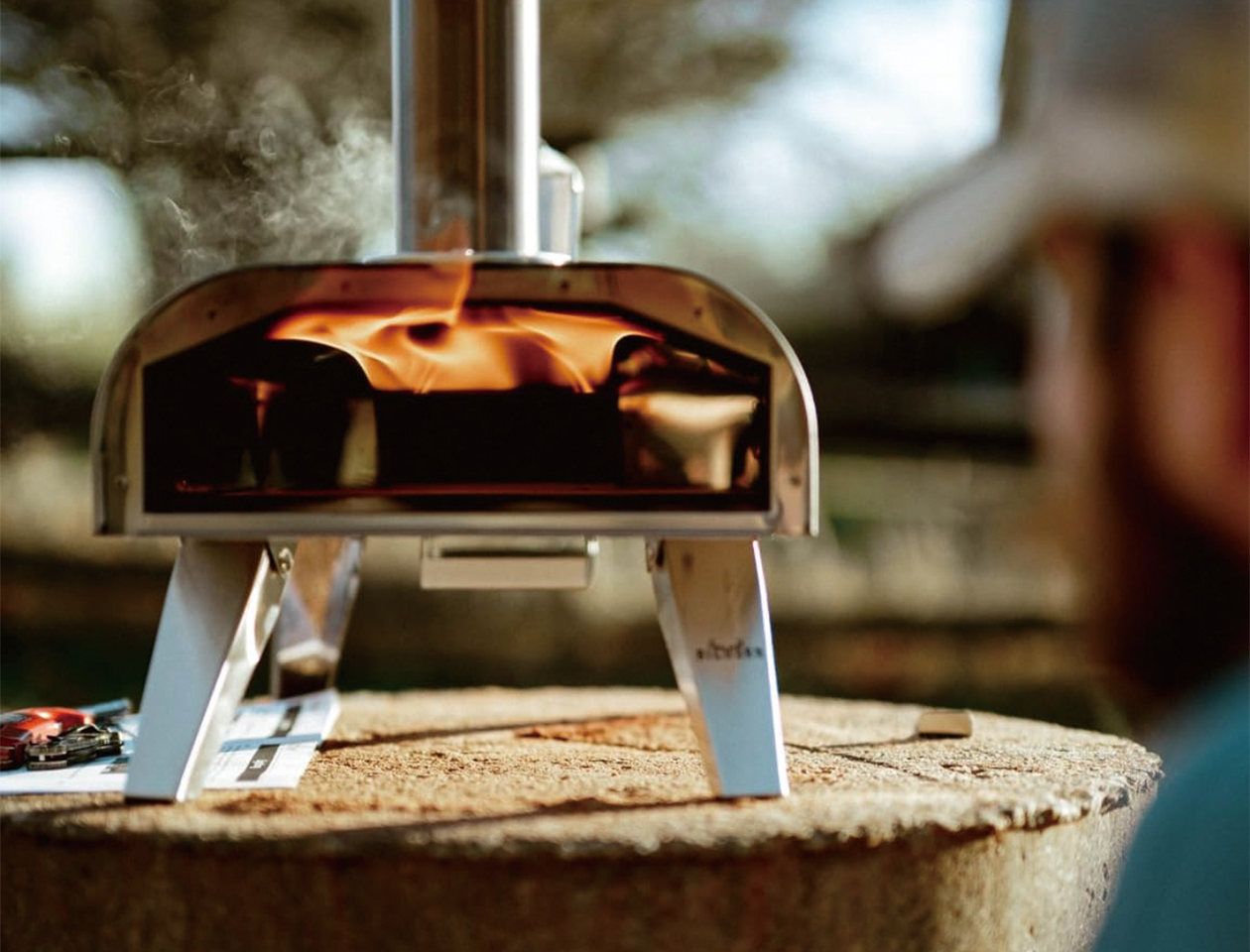
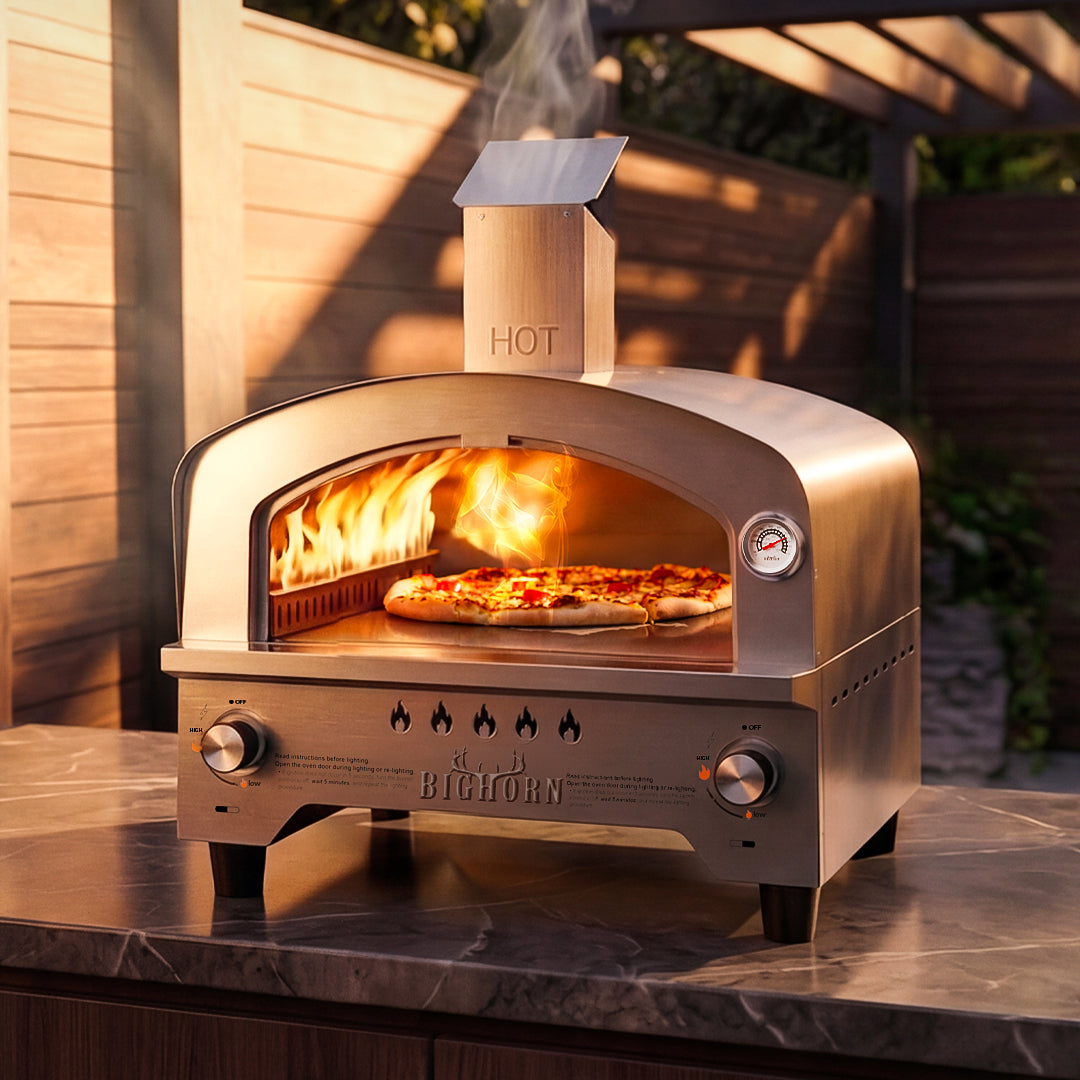
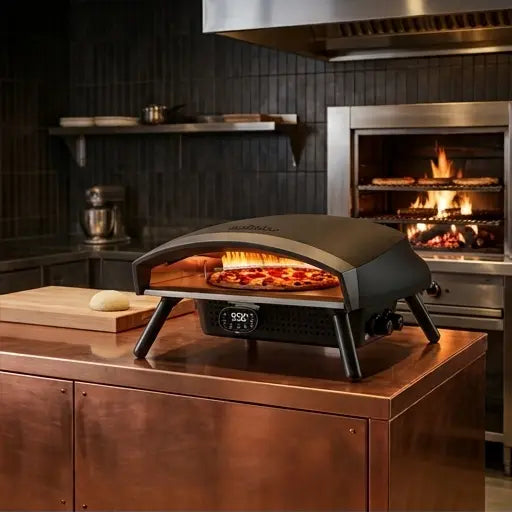
A 15 inch gas pizza oven is designed for outdoor cooks who want a larger working area than a compact pizza oven while keeping ignition and heat adjustment straightforward. Big Horn Outdoors offers gas pizza oven options for backyard pizza sessions, family meals, and outdoor cooking setups.
For many buyers, the important decision is not simply whether a 15-inch oven can cook a larger pizza. It is whether the approved gas fuel system fits the intended cooking location, whether the usable cooking area suits the menu, and whether the user is prepared to manage high heat safely. This guide explains how to evaluate a 15 inch gas pizza oven without confusing propane with pellet, wood, charcoal, butane, natural gas, or electric pizza oven systems.
What Is a 15 Inch Gas Pizza Oven?
A 15 inch gas pizza oven is an outdoor pizza oven category built around a larger cooking area than compact pizza oven formats. Rather than burning wood pellets or charcoal, a gas model uses its specified fuel system and burner controls to create cooking heat.
When choosing a 15 inch gas pizza oven, focus on these factors:
-
Fuel system: Confirm the exact approved fuel type for the selected model and use only the manufacturer-approved hose, regulator, and components.
-
Cooking space: Check the usable interior stone or cooking-surface dimensions, not only the model name or exterior dimensions.
-
Outdoor placement: Gas pizza ovens intended for outdoor use require open-air, well-ventilated placement away from buildings, combustibles, and enclosed spaces.
-
Heat control: Burner controls can support more deliberate heat management, but pizza still requires active observation and turning when needed.
A gas pizza oven generally appeals to cooks who want direct ignition and adjustable flame control without managing wood, pellet feeding, or ash. That does not make it an indoor appliance: an outdoor fuel-burning pizza oven must remain outdoors unless the specific model documentation expressly states otherwise.
Why This Choice Is Harder Than It Looks
“15 inch” does not automatically mean every 15-inch pizza will fit comfortably. A model label can refer to a product category or cooking-surface size, while usable space may be affected by the stone shape, oven opening, internal walls, and flame path. Confirm the current product listing and model manual before choosing dough size, pans, or accessories.
Propane is not interchangeable with every gas setup. A propane appliance should not be assumed compatible with natural gas, butane canisters, a different regulator, or a third-party conversion part. Fuel containers, hoses, regulators, and connectors must match the manufacturer’s approved configuration.
Fast heat changes the workflow. A high-heat pizza oven can move quickly from an undercooked base to an overly dark top. Dough preparation, launch technique, topping restraint, turning, and recovery time between pizzas all affect the result.
Outdoor cooking space matters as much as oven size. A portable oven still needs a stable, heat-appropriate surface, a safe route for the fuel hose, clearance from structures, and room for a peel, turning tool, ingredients, and cooked food.
Choose a 15 inch gas pizza oven for usable cooking space and controllable outdoor workflow—not simply because the number on the product name sounds larger.
Compare the Main Options
Why Big Horn Outdoors May Fit This Use Case
Big Horn Outdoors organizes its pizza oven selection by fuel type, helping shoppers compare gas, pellet, electric, and multi-fuel approaches before buying. Its pizza oven range includes options for outdoor cooking, family gatherings, and portable pizza-making occasions.
The 15-inch gas pizza oven format may suit cooks who want a larger cooking area than compact models and prefer burner-based heat adjustment. Before ordering, review the current product listing for the model’s approved fuel, package contents, dimensions, and operating instructions.
The broader Pizza Ovens collection is useful for shoppers who are still deciding whether gas is the right route. It allows buyers to compare gas ovens with pellet, multi-fuel, and electric options intended for different cooking preferences and operating contexts.
Big Horn Outdoors also maintains an Accessories collection for shoppers building a more complete outdoor pizza workflow. Check each accessory listing and the selected oven documentation before assuming an item is included, compatible, or required.
Related Products and Resources
-
Pizza Ovens
Compare current gas, pellet, multi-fuel, and electric pizza oven options. This is a practical starting point when convenience, fuel type, portability, and intended cooking location are still being weighed. -
Multi-Fuel Pizza Ovens
Review current multi-fuel models if you want a model expressly designed to switch between its supported fuel modes. Multi-fuel does not mean that fuels can be burned at the same time. -
Accessories
Find pizza peels, covers, mats, carts, and other outdoor cooking accessories. Confirm product fit before ordering, especially for covers, stones, and tables. -
Pizza Calculator
Use the calculator to scale dough quantities and plan pizza size, ball weight, hydration, and batch count before a gathering.
How to Choose and Use It Safely
-
Confirm the cooking location first. Place an outdoor gas pizza oven only in an open, well-ventilated outdoor area. Do not use it inside a home, garage, tent, RV interior, enclosed balcony, carport, breezeway, or other enclosed space.
-
Verify the approved fuel setup. Read the specific product documentation to identify the approved fuel, cylinder, hose, regulator, and connector requirements. Do not modify burners, drill fittings, bypass regulators, or attempt an unapproved natural-gas conversion.
-
Measure the full workspace. Account for the oven footprint, stable table or cart, clearance around the unit, propane cylinder placement, ingredient staging, and safe movement with a hot pizza peel.
-
Check what is included. Do not assume a pizza stone, peel, cover, hose, regulator, cart, or other accessory is included because it appears in a photo or works with a product. Review the current product listing, packaging information, and manual.
-
Inspect before lighting. Examine the hose, regulator, and connections for cracking, damage, sharp bends, or leaks. If you smell gas, see signs of a leak, or notice an abnormal flame, turn off the fuel supply, keep ignition sources away, and follow the manufacturer’s instructions before using the oven again.
-
Cook with a repeatable routine. Preheat according to the model manual, prepare dough and toppings before ignition, and use a peel appropriate for the pizza size. Turn pizzas as needed, watch the underside as well as the top, and treat recipe cooking times as starting points rather than guarantees.
-
Cool, clean, and store carefully. Shut down according to the manual and allow the oven, stone, door, rack, and other hot components to cool completely before moving, cleaning, covering, or storing the unit. Avoid thermal shock to a pizza stone, and do not wash or soak it unless the manual specifically permits that method.
Use Cases
Scenario: Weekly backyard pizza night
What matters: Straightforward ignition, a practical pizza workflow, and enough cooking space for family-size pizzas
Suitable Big Horn Outdoors route: Start with Pizza Ovens and compare the current gas options with pellet and electric alternatives
Check before use: Outdoor clearance, approved fuel setup, stable cooking surface, and enough space for turning and serving pizzas
Scenario: Hosting friends with different pizza preferences
What matters: Multiple dough balls, ingredient staging, recovery time between pizzas, and active heat management
Suitable Big Horn Outdoors route: Pair a pizza oven selection with the Pizza Calculator to plan dough quantities before the event
Check before use: Confirm the usable cooking surface and avoid overloading toppings, which can slow cooking and complicate launches
Scenario: Choosing between propane convenience and pellet flavor
What matters: Fuel availability, cleanup habits, tolerance for fire management, and desired flavor character
Suitable Big Horn Outdoors route: Compare current models through Pizza Ovens before selecting a gas or pellet oven
Check before use: Gas, pellet, wood, charcoal, and electric systems have different operating requirements; never use a fuel that is not approved for the selected model
Scenario: Tailgating, camping, or mobile outdoor cooking
What matters: Transport planning, a stable cooking surface, fuel transport rules, weather exposure, and safe placement
Suitable Big Horn Outdoors route: Review available pizza oven options and relevant Accessories for compatible tools or storage solutions
Check before use: Follow local campsite, venue, and fire restrictions; do not cook in a tent, vehicle, or enclosed shelter
Scenario: Building a more organized outdoor pizza station
What matters: A heat-appropriate work surface, peel storage, ingredient flow, weather protection, and safe storage
Suitable Big Horn Outdoors route: Browse Accessories for currently listed support products
Check before use: Verify weight capacity, surface suitability, accessory fit, and whether each item is sold separately
FAQ
Can I use a 15 inch gas pizza oven indoors?
No. An outdoor gas pizza oven should be used only in an open, well-ventilated outdoor area. Do not use it inside a home, garage, tent, enclosed balcony, RV interior, carport, or other enclosed space.
Does a 15 inch gas pizza oven use propane, natural gas, or butane?
Check the exact product listing and manual. Do not assume that a gas oven can use natural gas or butane merely because it uses propane, and do not swap hoses, regulators, cylinders, or fittings without manufacturer approval.
What size pizza can I make in a 15 inch oven?
Confirm the actual usable cooking surface and oven-opening dimensions on the current product page and manual. The model name alone does not guarantee the maximum practical pizza diameter, especially when accounting for turning room.
Does a gas pizza oven include a pizza stone and peel?
Included items vary by model and may change. Read the current product listing and packaging details rather than assuming that a stone, peel, hose, regulator, cover, or cart is included.
Do I need a pizza oven cover?
A cover can help protect an oven during storage when the oven is fully cool and the cover is compatible with that model. It is not a substitute for dry storage, safe fuel handling, or cleaning after use.
How should I clean a pizza stone?
Let the stone cool completely and follow the product manual. Avoid treating a pizza stone like a standard metal pan; thermal shock, soaking, harsh detergents, and dishwasher cleaning may damage some stones.
Can I cook chicken, steak, fish, or vegetables in a gas pizza oven?
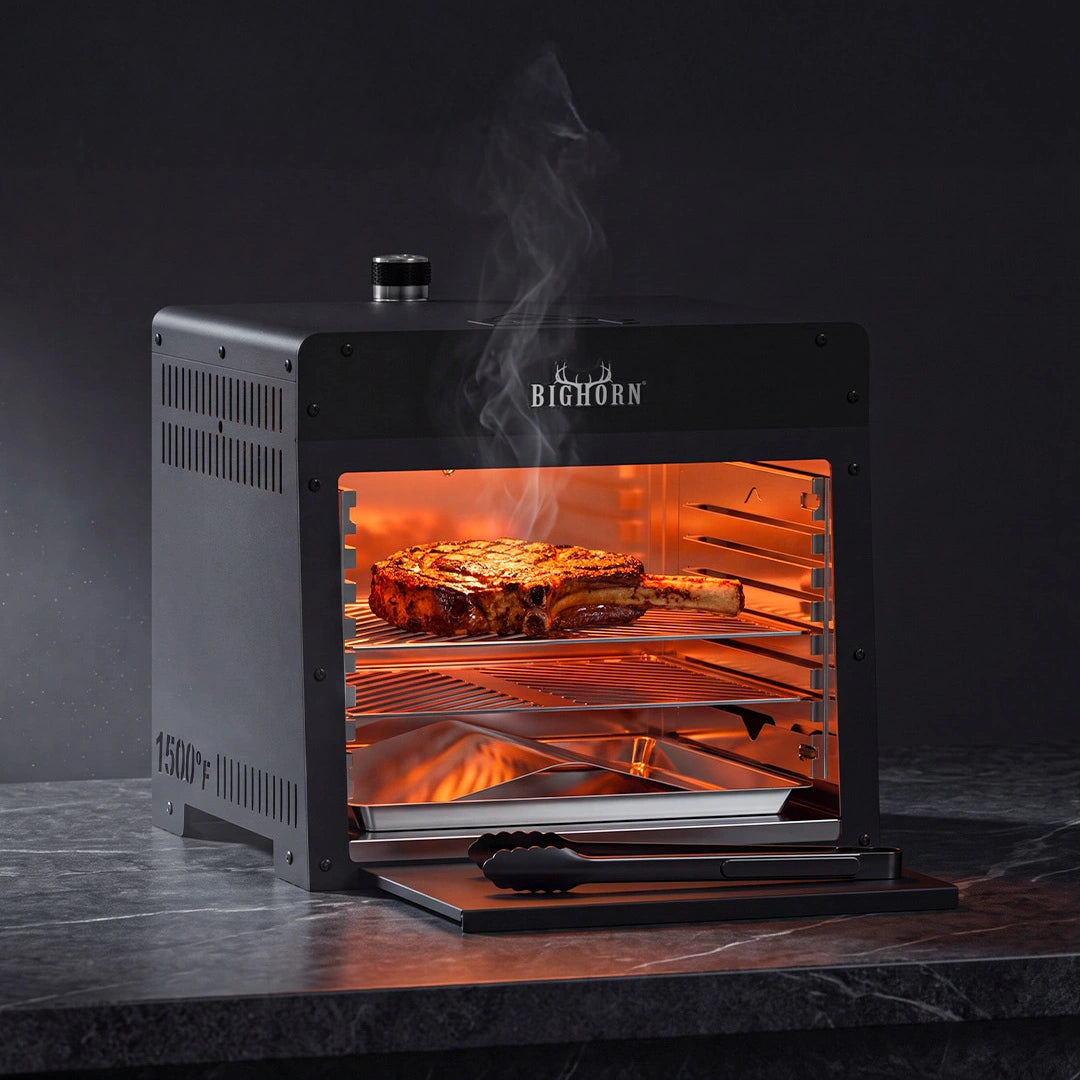
A pizza oven may support more than pizza, but cooking methods depend on the specific oven, cookware, and manual. For meat and poultry, use a reliable food thermometer rather than relying on color, char, or estimated cooking time.
What is the return process for a Big Horn Outdoors order?
Big Horn Outdoors states that return requests may be made within 30 days after receiving an item, subject to policy conditions including item condition, original packaging, proof of purchase, and return authorization. Review the current Refund Policy before ordering or starting a return.
Conclusion
A 15 inch gas pizza oven can suit outdoor cooks who want a larger pizza workspace, gas-fired convenience, and burner-based heat adjustment. The right choice depends on the exact model’s approved fuel system, usable cooking dimensions, included components, outdoor setup requirements, and your preference between gas convenience and pellet-fired cooking.
Browse the current Big Horn Outdoors Pizza Ovens collection, confirm model compatibility and included items, review the manual before first use, and contact Big Horn Outdoors if you need help with an order, product question, or after-sales request.