







Infrared Grilling Expansion
The troubleshooting starts with a number mismatch. A steak on an infrared grill may only see the heat for a few minutes. A smoke session people remember usually runs far longer than that. If you are trying to make a close, intense sear cooker behave like a smoker, the usual result is a little aroma at most, or a greasy, risky mess around the emitter.
This page is about the limits. It is not a gas-grill wood-chip tutorial, and it is not a smoker-versus-infrared steak comparison. Those jobs stay on their live pages. The honest question here is what, if anything, can add a little smoke flavor without damaging the tool.
Infrared is a sear tool, not a smoker
An infrared grill is a sear tool, not a smoker, and it colors a surface in a short window. A smoke tube or chip packet can add only a little aroma, because the food is not in the heat long enough for a real smoke ring. For genuine smoke, use a different cooker.
The useful numbers are time and distance, not a promise of “smoky flavor” from a handful of chips. If the steak is on the rack for a few minutes, most of what you taste will still be crust, salt, and the meat itself. That is not a defect in the grill. It is what the hardware is built to do. For the cooker’s basic job, see what an infrared steak grill is and how it works.
If you want a broader heat-and-flavor contrast with a conventional gas grill, use infrared grill versus gas grill, including the high-heat question. Do not import a low-and-slow mental model into a close emitter.
What a smoke tube or packet can and cannot do here
A smoke tube or a foil packet can, at most, put a little aromatic smoke in the air around a short cook. It will not turn a four-minute sear into a barbecue. On many portable infrared units there is also very little chamber to hold that smoke. An open or shallow box lets aroma drift away as fast as it forms.
What it cannot do, safely, is sit on the emitter, drip grease onto a pile of chips, or block the burner's designed airflow. Loose chips on a hot infrared surface are a fouling and flare problem, not a flavor hack. If you try a packet at all, keep it off the emitter face, use a stable, manufacturer-sensible placement, and stay with the cooker.
If the first experiment smells more like scorching dust than like wood, stop. That is a cleanup warning, not a cue to add more fuel.
Safer ways to add a little smoke aroma
The safer options sit beside the infrared cook rather than inside it. You can season with a smoked salt or a smoked spice after or before a dry sear. You can smoke the meat briefly on a different cooker, then finish with a short infrared crust. You can also accept that the steak will taste like a hard sear and add a smoky sauce at the table.
Those paths keep debris and extra grease off the emitter. They also keep your expectations honest: you are adding an aroma, not building bark. For fire and grease awareness while you experiment, use NFPA grilling safety and U.S. Fire Administration cooking-fire prevention.
| Idea | What it can reasonably do | What it will not do |
|---|---|---|
| Smoke tube or foil packet near, not on, the emitter | A little aroma during a short cook, on some setups | A true smoke session or a smoke ring |
| Smoked salt or a smoked spice | A clean, controllable hint of smoke | Replace a smoker |
| Smoke first on another cooker, then infrared sear | Real smoke plus a hard crust, if you plan both steps | Fit into a two-minute weeknight habit unless both cookers are already hot |
| Loose chips on the emitter or in the drip pan | Mostly risk and mess | A method this page will recommend |

When you should use a different cooker for smoke
Use a different cooker when smoke is the point of the meal. Ribs, a long shoulder, or a steak you want to taste like a pit should not start as an infrared problem. A conventional gas grill can take chips or a packet at low heat; a dedicated smoker can do the long work. Infrared can still be the last step if you want a crust after the smoke is already there.
That is a two-cooker plan, not a failure of the sear tool. If you only own the infrared grill, be honest with the plate: you will get a hard sear, and any smoke will be a garnish.
Do not move a lit grill, a smoke tube, or a smoldering packet into a garage because the wind picked up. See the EPA page on carbon monoxide and Ready.gov home-fire guidance before that idea gets any further.
How this differs from gas-grill wood-chip smoking and smoker-versus-infrared steak pages
The live page on how to smoke on a gas grill with wood chips, packets, and low heat owns the gas-grill method. This article will not rewrite it. If you have a conventional gas grill and you want smoke, go there. The daily rhythm of a gas grill, including ordinary weeknight habits, lives on the daily outdoor gas-grill routine.
A smoker-versus-infrared steak comparison is a different question: which tool for the steak, when smoke and sear are both on the table. That comparison should stay on its own page when you need it. Here, the only job is to keep infrared owners from treating a close emitter like a pit.
For a general sense of this hardware in use, the community infrared gas and propane grill review is a product conversation, not a smoking manual. Use it as background, not as a chip-placement guide.
An honest smoke-plus-sear path
If you want both, sequence the cookers. Build smoke first, on the tool that can hold it, until the meat has the aroma you actually want. Then, if the piece can take a short, close crust without drying out, move it to a preheated infrared grill for a brief sear. Dry the surface before that sear so the crust is not a steam-and-soot hybrid.
This path only works when you planned it. It is not a rescue for a bland infrared steak already on the board. Sauces and smoked salt are the faster weeknight versions of the same honesty.
Keep raw and cooked boards separate on that two-cooker path, using the FDA kitchen food-safety page and the FDA safe food-handling chart for doneness and leftovers, not for flavor claims.
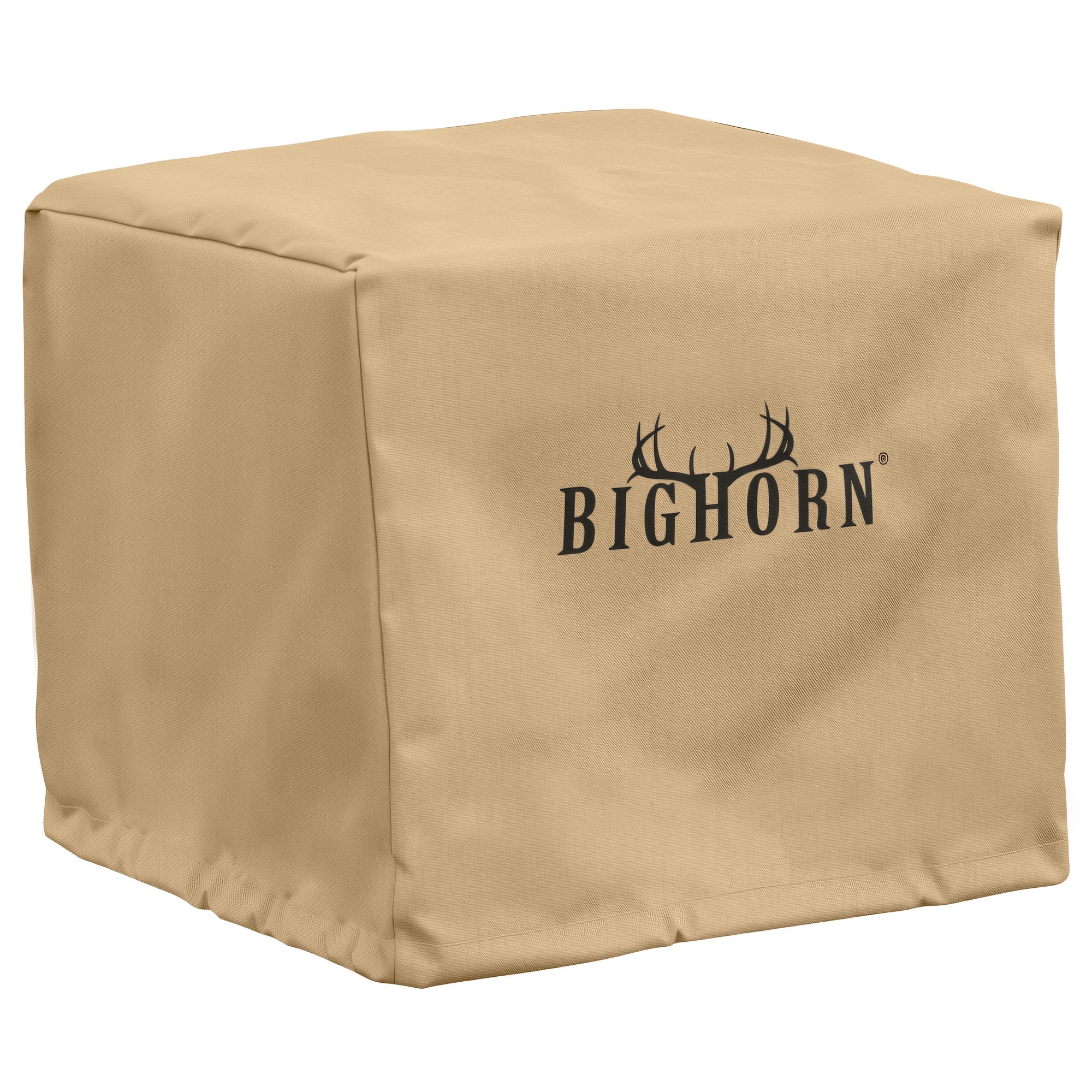
A lid or cover habit that does not trap grease on a hot emitter
A lid can hold a little aroma on some cookers. On a portable infrared steak grill, a cover or an improvised lid is also a way to trap grease, debris, and heat against an emitter that is still running hot. Do not use a storage cover as a smoking lid. The waterproof, anti-UV infrared steak grill cover is for a cool unit, not for holding smoke.
If your model has its own door or a designed closure, use it only as the manufacturer describes. A closed, greasy box is a cleanup problem and a fire problem, not a shortcut to bark.
When the cook is over, shut the fuel off, let the cooker cool, clear the drip path, and only then cover it. A dirty, hot, covered emitter is the habit this section exists to stop.
A recap of who this method is for, and who should use a different cooker
This method is for an infrared grill owner who hoped for smoke and needs an honest limit, plus a few safer ways to add a little aroma. It is not a promise that a tube will turn the cooker into a smoker.
If smoke is the meal, use a gas grill with a low-heat packet method, or a smoker, and bring infrared in only for a final crust if that still makes sense. After the cooker has cooled, the fitted cover can go on a reasonably clean unit. Leave chips, tubes, and grease out of that step.
When the infrared grill has fully cooled and the drip path is clear, use a fitted cover such as the waterproof, anti-UV infrared steak grill cover for storage, not as a lid for smoke.
FAQ
Can I smoke something in a gas grill?
Yes, a conventional gas grill can be used for a modest smoke session with wood chips or a packet at low heat, and that method already has its own live page. An infrared steak grill is a different tool. The cook is short and the heat is close, so a smoke tube or a pile of chips will not behave like a low-and-slow gas-grill setup. If smoke is the main goal, use the gas-grill smoking page or a dedicated smoker, then sear on infrared only if you still want a hard crust at the end.
What are the disadvantages of an electric grill?
An electric grill is not an infrared propane steak grill, and the disadvantages are usually about available power, outdoor outlets, and a milder, slower heat rather than about smoke. This page does not diagnose electric cookers. The smoke limit discussed here comes from short infrared cook times and a close emitter, not from a missing power cord. If your cooker is electric, follow that manual and do not park a smoke tube against a heating element it was not designed to hold.
How to use Napoleon sizzle zone?
A branded infrared side burner, sometimes called a sizzle zone, is a feature on some conventional gas grills, not a method this page can teach for a competitor’s hardware. In general, an infrared sear zone is for a short, close crust, not for holding a smoke packet. If you have a manufacturer’s manual for that side burner, use it for preheat, grate care, and what may sit over the emitter. For a standalone portable infrared grill, stay with the limits in this article rather than copying a side-burner routine.
How do you clean an infrared grill?
Clean the grill after it has cooled enough to handle, following the manual for the grate, drip path, and emitter area. Smoke experiments, grease, and any stray wood debris make this step more important, not less. Do not scrape an emitter face with a tool it was not designed for, and do not leave chips or a tube sitting on a dirty, hot surface under a cover. A fitted cover goes on a cool, reasonably clean unit, not on a cooker you are still trying to burn residue out of.
More to Read
Leftover Holiday Turkey on the Grill or in the Pizza Oven: Sandwiches, Tostadas and a White Pie
Give leftover turkey a second heat, not another roast: grill sandwiches or tostadas, or bake a white pie, after a safe leftover inventory the night...
Parrilla Taco Night: Carne, Salsas and Grate Space for a Crowd
Run taco night on a parrilla as a grate-space plan: carne, a second protein, a salsa station, and tortillas held soft, without one crowded fire.
Bone-In Lamb Leg or Shoulder on a Santa Maria or Gas Grill
Grill a bone-in lamb leg or shoulder as a roast: Santa Maria height or a gas two-zone fire, a USDA safety floor, and a probe that does not touch bone.
