







Pizza Dough & Bake Faults
If the dough still tears after more kneading, the problem may not be effort. A rest of flour and water — often 20 to 60 minutes in published baking guidance — can do work that extra folding will not. That rest is called an autolyse. Autolyse pizza dough when you want a pause instead of more kneading. It is a scheduling decision for outdoor pizza dough, not a promise that every tight dough will suddenly stretch like silk, and not a replacement for a dough formula you already trust.
Definitions and general dough advice live on the hub page for pizza dough for home and outdoor pizza ovens. This page only owns the rest decision: when a pause beats more kneading, and when it will not help.
What autolyse is, in one practical sentence
Autolyse is a rest of mixed flour and water, usually before salt and yeast are added, so the flour can hydrate and the dough can become more extensible without more kneading. Published guidance often uses a 20-to-60-minute rest at kitchen temperature. It is a pause, not a full proof.
King Arthur Baking’s explanation of the autolyse method describes that 20-to-60-minute window and the usual rule that salt and yeast wait until after the rest, because salt tightens gluten and fermentation changes the dough in a different way. Some bakers include a liquid starter in the rest; a strict version is only flour and water. For a backyard pizza dough, the practical version is: mix flour and water until no dry flour remains, cover the bowl, and leave it alone for a short rest before you add the remaining ingredients.
When a rest beats more kneading for outdoor dough
A rest beats more kneading when the dough feels shaggy or tight right after a short mix, and you want it to stretch over a peel later without snapping back. Extra kneading can make some doughs tighter and harder to open, especially if you are already adding flour to fight stickiness. Autolyse will not fix a dough that is badly under-hydrated, or a dough you have already overworked after salt and yeast went in.
Outdoor pizza dough has a job: it has to open into a thin round and launch. If your usual mix already does that, you do not have to add a rest for its own sake. If the dough always fights you at stretch time, a short autolyse is a low-cost experiment, as long as you still have time for the ferment you planned.
How long to autolyse at kitchen temperature
At ordinary kitchen temperature, a common range is 20 to 60 minutes, matching the King Arthur range linked above. A very short rest, around 15 to 20 minutes, is still useful if you are short on time. A much longer rest, into a couple of hours, can go too far in a warm room and begin to break the dough down, especially in a small, wet batch. This page will not invent a single official minute count for every flour and every kitchen.
If the room is hot, stay toward the short end. If the room is cool, the longer end of that range is usually still a rest, not a ferment, because yeast has not yet been added in the strict method. Once yeast is in the bowl, you are no longer autolysing; you are fermenting, and you should follow your normal bulk-rise cues.
Salt, yeast and when to add oil after the rest
In a classic autolyse, salt and yeast go in after the rest. Sprinkle the salt over the dough so you do not forget it; unsalted dough tastes flat and behaves differently as it ferments. Instant yeast can be worked in with a little of the reserved water if you held some back, or folded in gently if the dough is already cohesive. Oil, if your formula uses it, usually goes in after the rest as well, once salt and yeast are incorporated, so it does not coat the flour and slow hydration during the pause.
If you find a strict autolyse inconvenient, a covered rest after all the ingredients are mixed is a different, still-useful pause, and the King Arthur note linked above mentions that fallback. It is not the same as a flour-and-water autolyse, but it can still relax a tight dough before you knead or fold.
| Schedule | What you do | When it helps |
|---|---|---|
| No autolyse | Mix all ingredients, then knead or fold, then ferment | A dough you already handle well, or a night with no extra time |
| Short autolyse (about 20 minutes) | Flour and water rest, then salt, yeast, and oil | A weeknight mix that still needs a little more extensibility |
| Standard autolyse (about 20–60 minutes) | The same rest, toward the longer end if the room is calm and cool | A dough that usually snaps back at stretch time |
| Rest after a full mix | All ingredients in, then a pause before more kneading | When you do not want to delay salt and yeast, but still want a pause |
A simple backyard schedule with and without autolyse
Without an autolyse, you mix, knead or fold, ferment, divide, and proof on your usual clock. With an autolyse, you add a rest at the start and then continue with the same ferment. The rest does not replace the rise. If you only have an hour before you need dough in the oven, an autolyse may steal time from fermentation and leave you with a tight, under-risen ball. In that case, skip it, or use a very short rest and accept a simpler dough.
If you are using frozen or premade dough, autolyse does not apply. Use the live guide to thawing, proofing, and baking frozen and premade pizza dough instead. For launch dust, semolina flour for pizza peel dust and dough blends is a different topic and should not be folded into the autolyse bowl as a substitute for hydration.
What autolyse will not fix
Autolyse will not fix overproofed dough, a cold tight ball that needed a longer counter warm-up, or a sticky dough that is simply too wet for the way you want to launch it. It will not rescue a formula that is already fighting you, and it will not replace basic troubleshooting. For sticky, tight, or overproofed dough, use the live pizza dough troubleshooting guide rather than adding another rest and hoping.
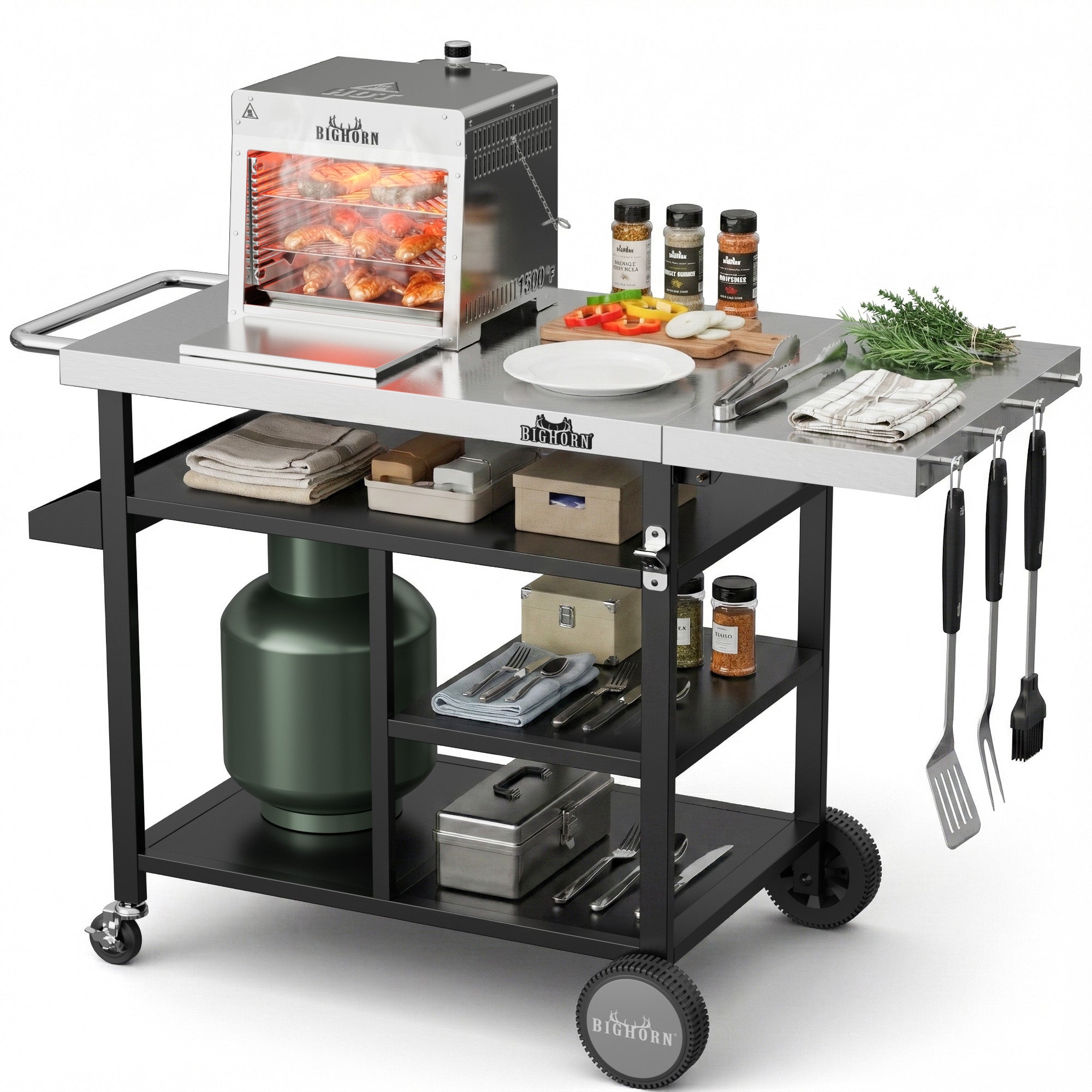
It also will not change the oven. A shy stone or a fierce hot spot will still mark the pie. If you are still choosing a chamber, the purchase decision framework for an outdoor pizza oven is the buying page. The current outdoor grill cart and pizza oven table is only a station for the mixed dough and the peel later; confirm the live listing for size and load rating. Keep combustion ovens outdoors and attended under NFPA grilling safety and U.S. Fire Administration cooking-fire prevention, and remember National Weather Service wind safety when you finally bake.

Link the dough hub for definitions; this page owns the rest decision
If you want a formula, a flour discussion, or a general method, go back to the dough hub linked at the top of this page. This article should not redo those definitions. The only decision it owns is whether a flour-and-water pause is worth the time on this bake. If the answer is yes, rest, then salt, yeast, and oil, then ferment as you usually do. If the answer is no, mix the dough you already trust and spend the time on a proper rise instead.
A no-autolyse control batch so you can taste the difference once
The honest way to judge the step is to run one split batch once, not to take a blog’s word for a dramatic change. Mix enough flour and water for two small doughs. Autolyse one half, then add salt and yeast to both and ferment them the same way. Stretch and bake them on the same night, on the same stone, and compare how they opened and how they ate. One comparison is enough. You do not need a laboratory, and you should not treat a single backyard night as a universal proof.
Store leftover dough on a normal cold schedule if you are holding it, and keep toppings in line with FDA food safety in your kitchen, Ready.gov food guidance, and National Center for Home Food Preservation storage guidance. The useful close is the same as the opening number: a 20-to-60-minute rest can beat more kneading when the dough is tight and you have time. When you do not have time, or when the dough is already in trouble for another reason, skip it and fix the actual problem.
When the dough is finally ready to launch, a level outdoor station helps more than a last-minute knead. Confirm the current outdoor grill cart and pizza oven table listing for size and load rating.
FAQ
Do you need autolyse for outdoor pizza dough?
No. It is optional. Use it when a short flour-and-water rest would help the dough stretch, and skip it when you are short on ferment time or the dough already handles well. Autolyse is a pause, not a required ritual and not a fix for overproofed or poorly balanced dough.
How long should I autolyse pizza dough at home?
A common range at kitchen temperature is 20 to 60 minutes, in line with published baking guidance. Use the shorter end in a warm room, and do not treat a multi-hour rest as automatically better. Once yeast is added, you are fermenting, not autolysing.
When do I add salt and yeast after an autolyse?
After the rest, in a classic autolyse. Salt and yeast are usually left out of the flour-and-water pause, then worked in before the dough ferments. Oil, if you use it, typically goes in after that, so it does not slow hydration during the rest.
Will autolyse fix tight or sticky pizza dough?
It can help a dough that feels tight right after mixing, because the rest improves extensibility. It will not fix sticky dough that is simply too wet, a cold ball that needs a warm-up, or dough that is already overproofed. Use a troubleshooting guide for those problems rather than adding another rest.
More to Read
Al Pastor Pizza: Marinade, Pineapple Balance and High-Heat Timing
Make al pastor pizza at high heat with thin, safely cooked pork and drained pineapple. Finish with salsa after the bake, and do not invent taco cal...
Mixed Vegetables on a Gas Grill: Baskets, Skewers and Direct Heat
Grill mixed vegetables on a gas grill with a path for baskets, skewers, or a bare grate, plus oil, salt timing, and a cut-size rule so pieces finis...
Pizza al Taglio (Roman Tray Pizza) at Home Outdoors
Make pizza al taglio at home as a Roman tray pie: oil the pan, dimple relaxed dough, top modestly, bake thoroughly outdoors, and cut it into squares.
