







Pizza Styles & Recipes
Al pastor pizza is a high-heat pie topped with pastor-style pork, usually with pineapple, onion, and a salsa or cilantro finish, so the meat cooks safely and the crust still gets a short, fierce bake. Slice the pork thinly, cook it to a safe temperature, and keep wet toppings light enough to launch.
The backyard version is not a trompo and not a taco, and it is not an excuse to put raw, thick pork on a 90-second pie. The dough and the oven can follow a high-heat starting point such as the Neapolitan dough recipe for a high-heat oven. This article is about the topping logic and the first high-heat pastor pie, not a new dough formula.
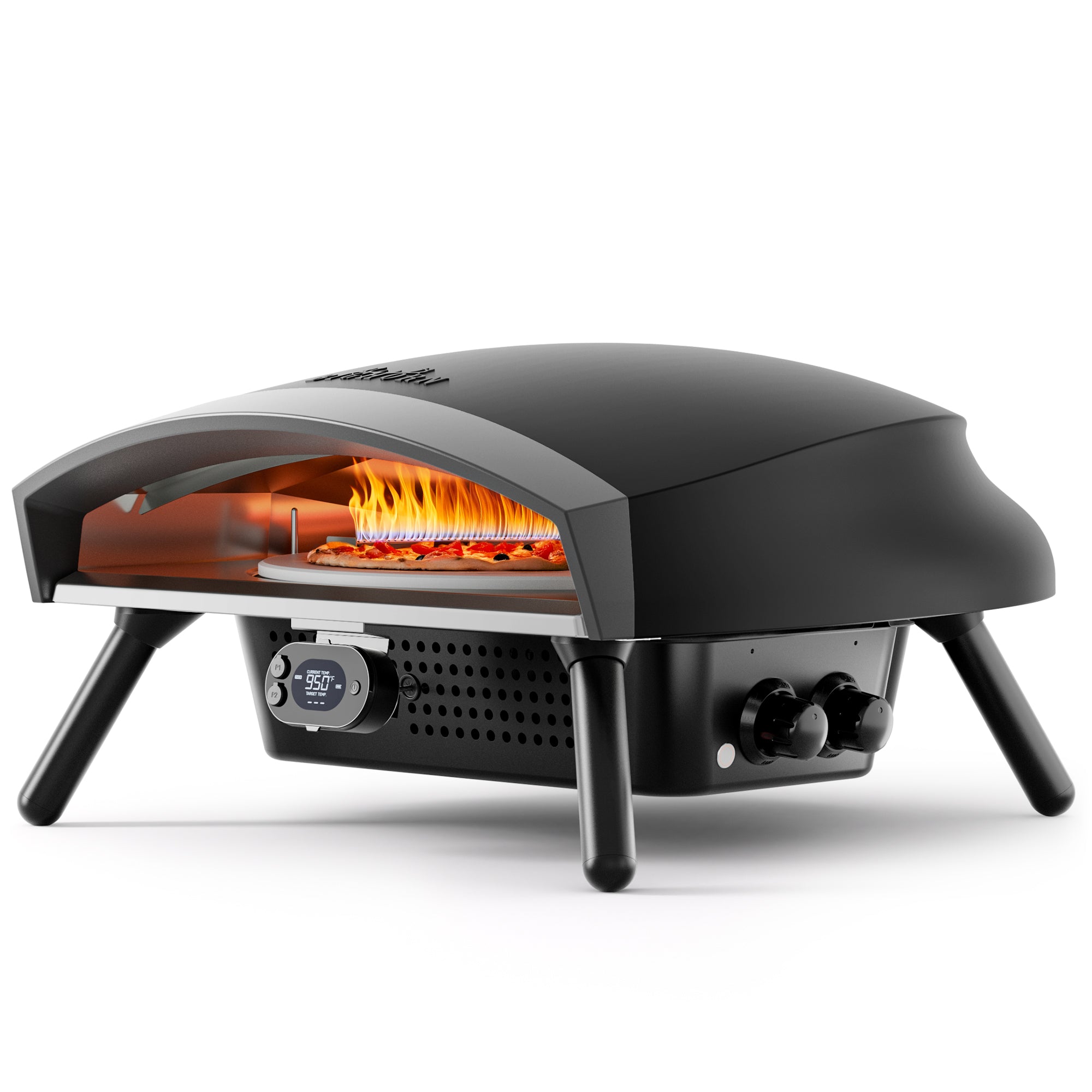
What al pastor means on a pie
Al pastor is a Mexican pork preparation with roots in shawarma-style vertical roasting, usually seasoned with chilies and spices, and often served with pineapple. On a pizza, you are borrowing the flavor and the thin, browned meat, not installing a trompo in the backyard. A good pastor pie tastes like pork, chile, a little sweetness from pineapple, and a hot crust. A weak one tastes like a wet taco spilled on bread, or like undercooked meat on a blistered disk.
Calories for "three tacos" or a whole pie vary by cut, oil, cheese, and portion. This article will not invent a number. Whether the pie is "healthy" also depends on the cut, the amount of cheese, and the portion; it is not a medical claim.
Pork prep and official temperatures
Pastor-style pork on a pizza should be thinly sliced or already cooked to a safe temperature before or during the bake in a way you can actually verify. For whole-muscle pork steaks or chops, FDA safe food handling and FDA food safety in your kitchen describe 145°F with a three-minute rest. Ground pork, if you use it, is a different product and should be treated with the official ground-meat guidance, not with a steak number copied over. A high-heat pizza bake is short. Thick, raw chunks will not reliably reach a safe temperature in the same window that a thin crust wants.
The practical backyard path is to cook or thoroughly brown the seasoned pork in a pan or on a grill first, then add it to the pie for a brief finish, or to use very thin slices on a pie you can still read with a thermometer if any part started raw. Do not guess. National Center for Home Food Preservation storage guidance and Ready.gov food guidance remain useful for leftovers and for how long a topped pie should sit out.
A first cook of the pork can happen on a grill or griddle you already own; the grills and grilling collection is one place to look, and it is not a requirement to buy a new trompo.
Pineapple, onion, and salsa
Pineapple should be drained and cut small so it does not flood the dough. Onion can be thin and raw for a short bake, or lightly pre-cooked if you do not want a harsh bite. A salsa or a cilantro-onion finish often goes on after the pie comes out, so the herbs do not scorch. Cheese, if you use it, should be a modest layer; this pie is about the pork and the chile, not a buried deep-dish load.
Shake the peel before you walk to the oven. Wet pineapple juice under the dough is a stuck launch waiting to happen. Dust lightly, keep the center from becoming a puddle, and accept a slightly smaller pie if the toppings are heavy.
High-heat bake window
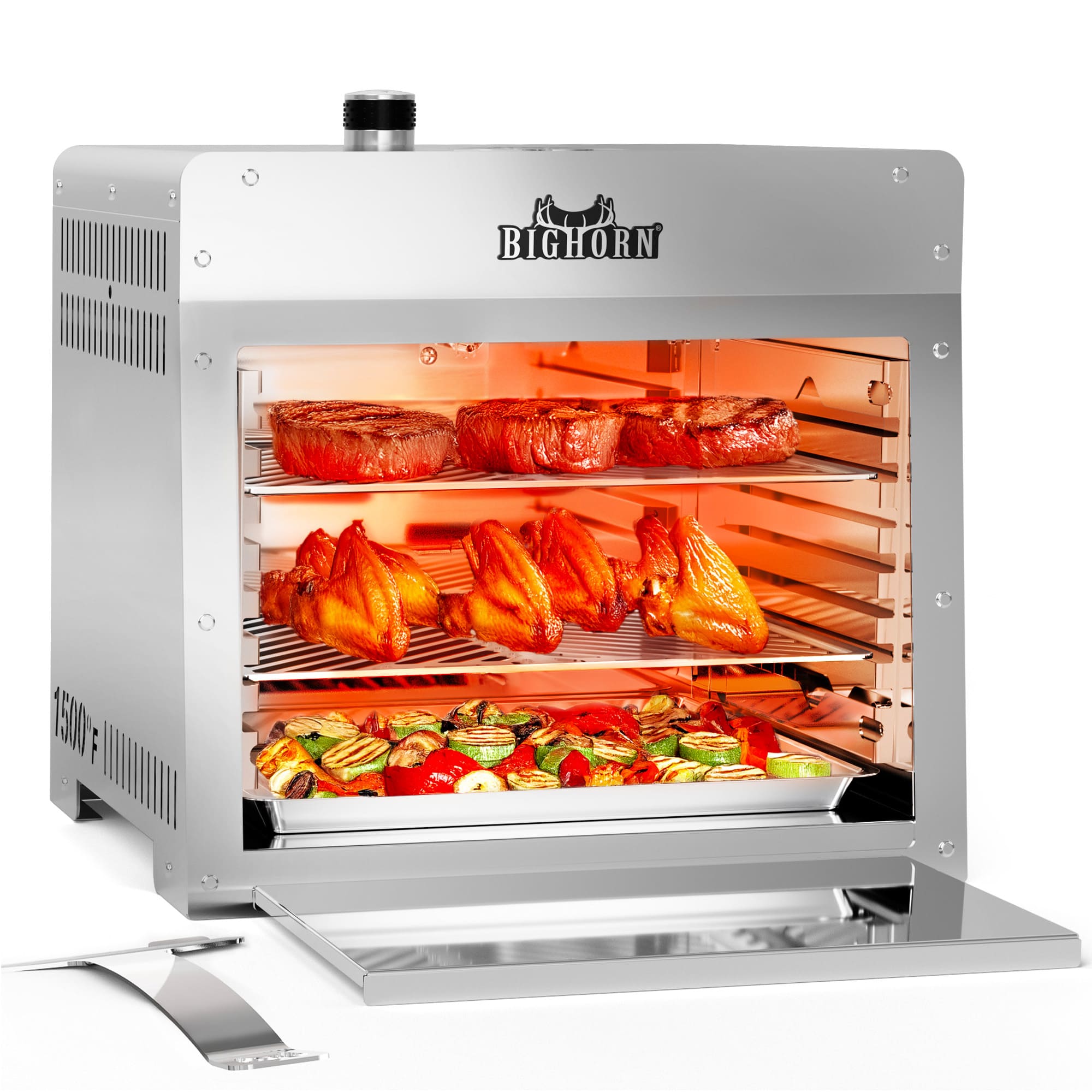
Use a ready, high-heat deck, and bake the pie in a short window the way you would bake another lightly topped Neapolitan-style pie. Rotate if your oven has a hot spot. There is no guaranteed 90-second result, even if a marketing page uses that language for an oven in the pizza oven collection or the gas pizza oven collection. Watch the crust, the cheese, and the pork you already cooked. If the crust is done and the pork was still raw in the middle, the pork should have been cooked first; do not extend the bake until the crust is a cracker in the hope of catching up.
An infrared broiler from the infrared grill collection is a searing tool, not a substitute for a thermometer on thick pork, and not a reason to finish the meat in a closed garage. NFPA grilling safety, U.S. Fire Administration cooking-fire prevention, and EPA carbon monoxide information remain the official fire and CO pages. Keep the oven outdoors, with clearance.
Launch and finish
Stretch the dough as you would for a high-heat pie, keeping a rim. Sauce lightly if you use sauce; some pastor pies use a thin chile smear instead of a heavy tomato layer. Add cheese, the cooked or very thin pork, and drained pineapple. Launch, bake, then finish with salsa, cilantro, onion, or a squeeze of lime off the heat. Cut and serve at once. Leftovers are perishable food, not a counter display.
If you already have a preferred high-heat dough, keep it. The Neapolitan dough recipe is enough of a starting point; you do not need a special "pastor dough."
A first high-heat pastor pie
Use the first-pie sequence to keep the pork safe and the crust launchable; it is not a guaranteed 90-second script.
| Step | Why it matters |
|---|---|
| Season and cook thin pork to a safe temperature, or finish only very thin slices you can verify | A short crust bake will not reliably cook thick raw pork |
| Drain pineapple and keep toppings light | Wet fruit is the usual stuck-peel failure |
| Bake on a ready high-heat deck, then add salsa or herbs off the heat | The crust can blister without scorching the finish |
Al pastor is related to shawarma in its vertical-roast history, but the spice profile and the pineapple habit are their own thing. Do not treat the two as interchangeable topping kits, and do not invent a calorie count for either one.
Key takeaways
Al pastor pizza works at high heat when the pork is thin and safely cooked, the pineapple is drained, and the wet finishes go on after the bake. It is not a taco calorie chart and not a medical claim. Use a high-heat dough you already trust, cite official pork temperatures, and keep the oven outdoors. A first pie should be judged by a clean launch and cooked meat, not by a copied 90-second promise.
Use a high-heat dough you already trust, such as the Neapolitan dough recipe for a high-heat oven, and preheat a chamber from the pizza oven collection or the gas pizza oven collection when the pork is already cooked to a safe temperature.
FAQ
What does al pastor literally mean?
Al pastor literally means "shepherd style." On a pizza, you are borrowing the seasoned-pork and pineapple flavor of the Mexican dish, not installing a trompo in the backyard.
What are the differences between al pastor and shawarma?
They share a vertical-roast history, but al pastor is a Mexican pork preparation, often with chilies and pineapple, while shawarma is a different seasoning tradition and is not an interchangeable topping kit.
How many calories are in 3 tacos al pastor?
It depends on the cut, the oil, the tortillas, and the portion. This article will not invent a number.
Is al pastor healthy or unhealthy?
That depends on the cut, the amount of fat and cheese, and the portion. It is not a medical claim. Cook pork to a safe temperature and judge the plate by what you actually put on it.
More to Read
Mixed Vegetables on a Gas Grill: Baskets, Skewers and Direct Heat
Grill mixed vegetables on a gas grill with a path for baskets, skewers, or a bare grate, plus oil, salt timing, and a cut-size rule so pieces finis...
Pizza al Taglio (Roman Tray Pizza) at Home Outdoors
Make pizza al taglio at home as a Roman tray pie: oil the pan, dimple relaxed dough, top modestly, bake thoroughly outdoors, and cut it into squares.
Corn on the Cob on a Gas Grill: Husk On, Husk Off and Timing
Grill corn on the cob on a gas grill with husk on, husk off, or foil, including a practical soak rule, timing ranges, and a two-zone hold for a crowd.
