







Pizza Styles & Recipes
Pizza al taglio is a Roman-style tray pizza, baked in a rectangular pan, then cut into squares and served by the piece. At home, the job is a well-oiled tray, a dough that is dimpled rather than spun, a thorough bake, and a clean cut after a short rest.
Keep the nearby styles in their own guides so this tray session stays distinct. Pinsa already lives in pinsa romana at home. A round, launched pie has a long home in the New York-style pizza at home guide.
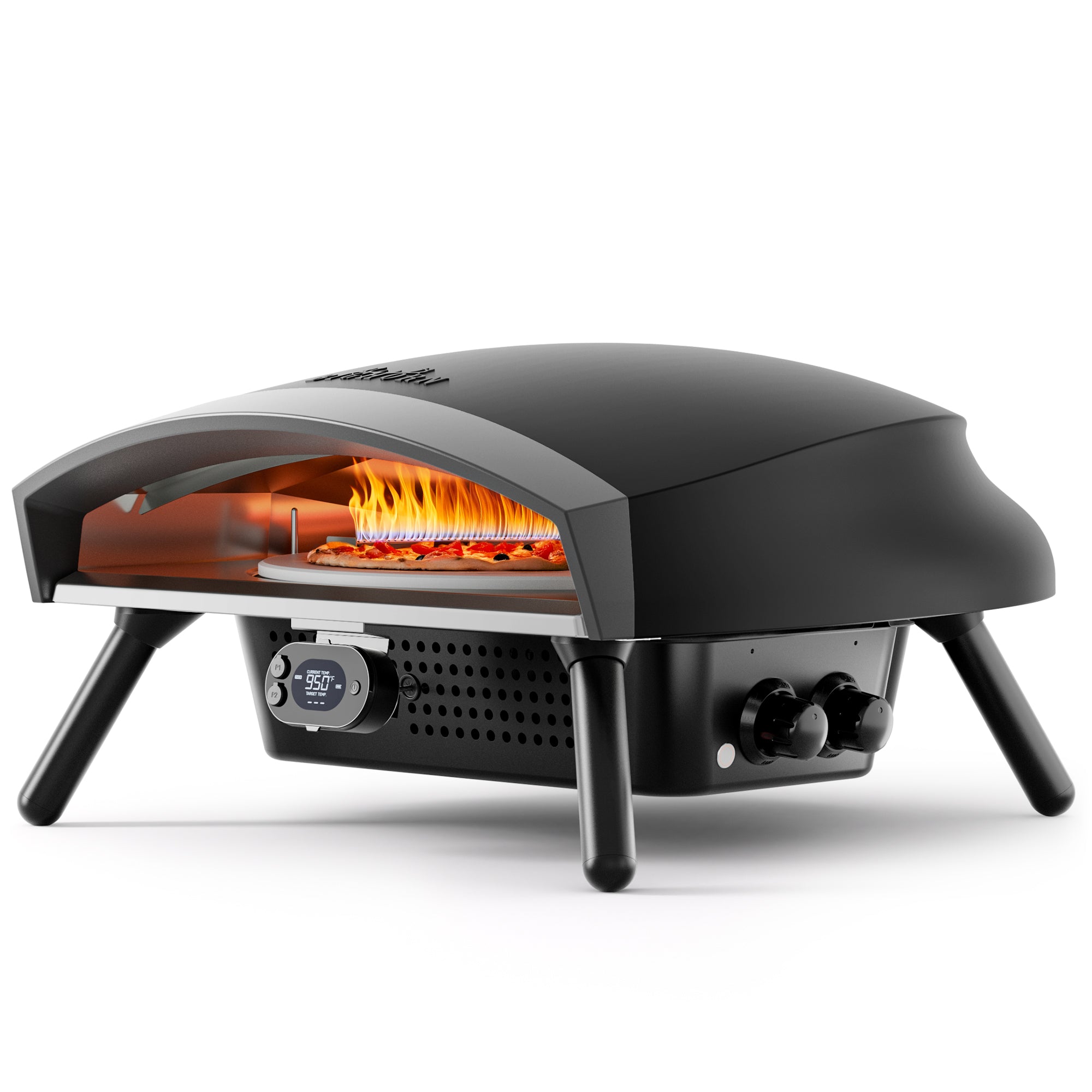
What al taglio means at home
Al taglio means "by the cut." In a Roman bakery, the pizza is often baked in large trays, displayed, and sold in rectangular pieces. At home, you can copy the spirit with a rectangular pan or sheet tray, a dough that can take a high hydration, toppings that are not piled into a soggy load, and a bake that sets a crisp underside and a tender, open crumb. You will not have a bakery deck. You will have a tray and an outdoor oven, and that is enough if you are patient with proof and heat.
The dough is usually wetter and more focaccia-like than a tight Neapolitan ball. You spread it in the oiled tray with fingers, not with a spinning stretch. If the dough fights you, let it rest, then dimple again, rather than tearing it to the corners.
Toppings are still food. FDA safe food handling, FDA food safety in your kitchen, and National Center for Home Food Preservation storage guidance apply to meats, vegetables, and sauce you hold for a party tray.
Tray, oil, and dough thickness
Oil the tray well so the underside fries a little and releases. Press the dough to a thickness you can live with: too thin and you have a cracker with toppings; too thick and the center can stay pale while the edges darken. There is no official home thickness. A first tray that looks like a generous focaccia is easier than a paper-thin sheet you cannot move.
Scale the dough to the tray you have, not to a bakery number from memory. The pizza calculator is useful once you have a dough you like. A pan that barely fits your oven, with no room to rotate, is a harder first try than a slightly smaller tray you can turn.
Outdoor-oven bake
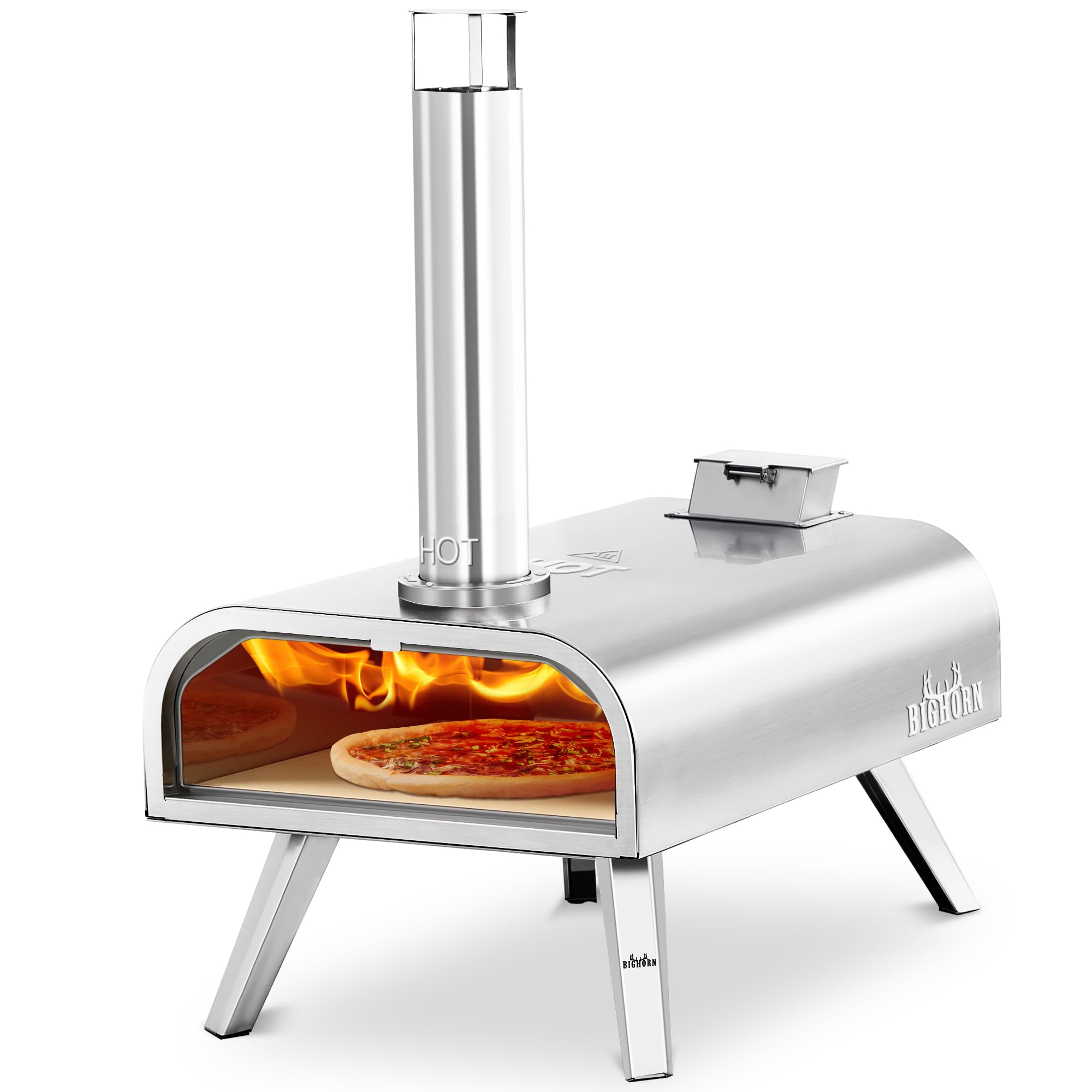
Al taglio wants a thorough bake more than a 90-second flash. A fiercely top-heavy flame can scorch rosemary or cheese while the crumb is still wet. Preheat fully, bake the tray on a ready deck or a stable rack your oven is designed for, and rotate. An even chamber, including ovens in the electric pizza oven collection or a well-managed oven from the pizza oven collection, is easier than a tiny, roaring deck that only knows launched pies.
There is no guaranteed bake time. Watch the underside (lift a corner carefully), the crumb, and the color of the toppings. If you par-bake the dough before topping, you can keep wet toppings from soaking the center; if you top from the start, keep the load modest. NFPA grilling safety, U.S. Fire Administration cooking-fire prevention, and EPA carbon monoxide information still govern clearance, attention, and outdoor use. Ready.gov food guidance is the leftover page if the cut tray sits out through a long afternoon.
Toppings that travel on a tray
Potato, zucchini, thin tomato, and other Roman bakery classics work when they are not dripping. Heavy, wet toppings make a pale, soft center. Cheese can go on for part of the bake so it browns without burning. Fresh herbs often go on at the end. If you use sausage or other meat, cook it to a safe temperature and do not treat the tray as a warming drawer for hours.
Cut toppings smaller than you might for a launched pie, so a square can be eaten without a landslide. Oil and salt still do a lot of the flavor work. You do not need every leftover in the fridge on the first tray.
Cutting and serving
Let the tray rest briefly so the crumb sets, then cut into squares or rectangles with a sharp knife or a rocker. "Al taglio" is the cut, not a requirement that every piece be the same gram weight. Serve on a board, and if you are holding pieces for a party, keep hot food hot and cold toppings in a sensible range rather than leaving a tray in the sun beside the oven.
A pizza peel is not required for a pan pie, but a peel or a wide spatula helps you move slices. Do not drag a sharp cutter across a nonstick surface if the pan maker warns against it; cut in the pan only when the pan can take it, or move the slab to a board.
A tray-to-table workflow
Use the workflow as a home sequence from an oiled tray to cut squares, not as a bakery shift chart.
| Stage | Home move |
|---|---|
| Dough in an oiled tray | Dimple and rest until it fills the pan without tearing |
| Top modestly | Keep wet loads light, and cook meats to a safe temperature |
| Bake and rotate | Watch the underside and crumb, not a copied bakery minute count |
| Rest, cut, and serve | Squares on a board; leftovers handled as perishable food |
A long, cool ferment can help a wet tray dough, but it is an optional overview, not a required bakery schedule. If the dough spent the night in the fridge, let it come back toward a dimpling temperature before you force it into the corners. Leftover squares can be reheated on a hot deck or in the tray until the underside is crisp again. They are still leftover food, so Ready.gov food guidance still applies, and you should not leave a cut tray out through a long, warm afternoon.
Key takeaways
Pizza al taglio at home is a Roman tray pie, dimpled, baked thoroughly, and cut into squares. It is not pinsa and not a launched New York slice. Oil the tray, keep toppings modest, rotate in a ready outdoor oven, and skip guaranteed bake times. Official food-safety and fire-safety pages still apply to a party tray that looks rustic and abundant.
Keep pinsa in its own pinsa romana at home guide, and preheat a chamber from the pizza oven collection or the electric pizza oven collection when the tray dough has actually filled the pan.
FAQ
Is pizza al taglio the same as pinsa romana?
No. Pinsa has its own dough and shape and already has a home recipe page. Al taglio is a tray pizza cut into squares and served by the piece.
Do I need a bakery deck to make al taglio at home?
No. A well-oiled rectangular tray in a ready outdoor oven, rotated as needed, is enough for a first home version. Watch the underside and the crumb, not a copied bakery minute count.
Should I cut al taglio in the pan?
Cut on a board if the pan should not see a sharp blade. Let the tray rest briefly so the crumb sets, then cut into squares or rectangles.
How long do I bake Roman tray pizza outdoors?
There is no guaranteed minute count. Watch the underside and the crumb, keep toppings modest so the center can set, and rotate if one side darkens first.
More to Read
Al Pastor Pizza: Marinade, Pineapple Balance and High-Heat Timing
Make al pastor pizza at high heat with thin, safely cooked pork and drained pineapple. Finish with salsa after the bake, and do not invent taco cal...
Mixed Vegetables on a Gas Grill: Baskets, Skewers and Direct Heat
Grill mixed vegetables on a gas grill with a path for baskets, skewers, or a bare grate, plus oil, salt timing, and a cut-size rule so pieces finis...
Corn on the Cob on a Gas Grill: Husk On, Husk Off and Timing
Grill corn on the cob on a gas grill with husk on, husk off, or foil, including a practical soak rule, timing ranges, and a two-zone hold for a crowd.
