Quick Summary & Buying Highlights
-
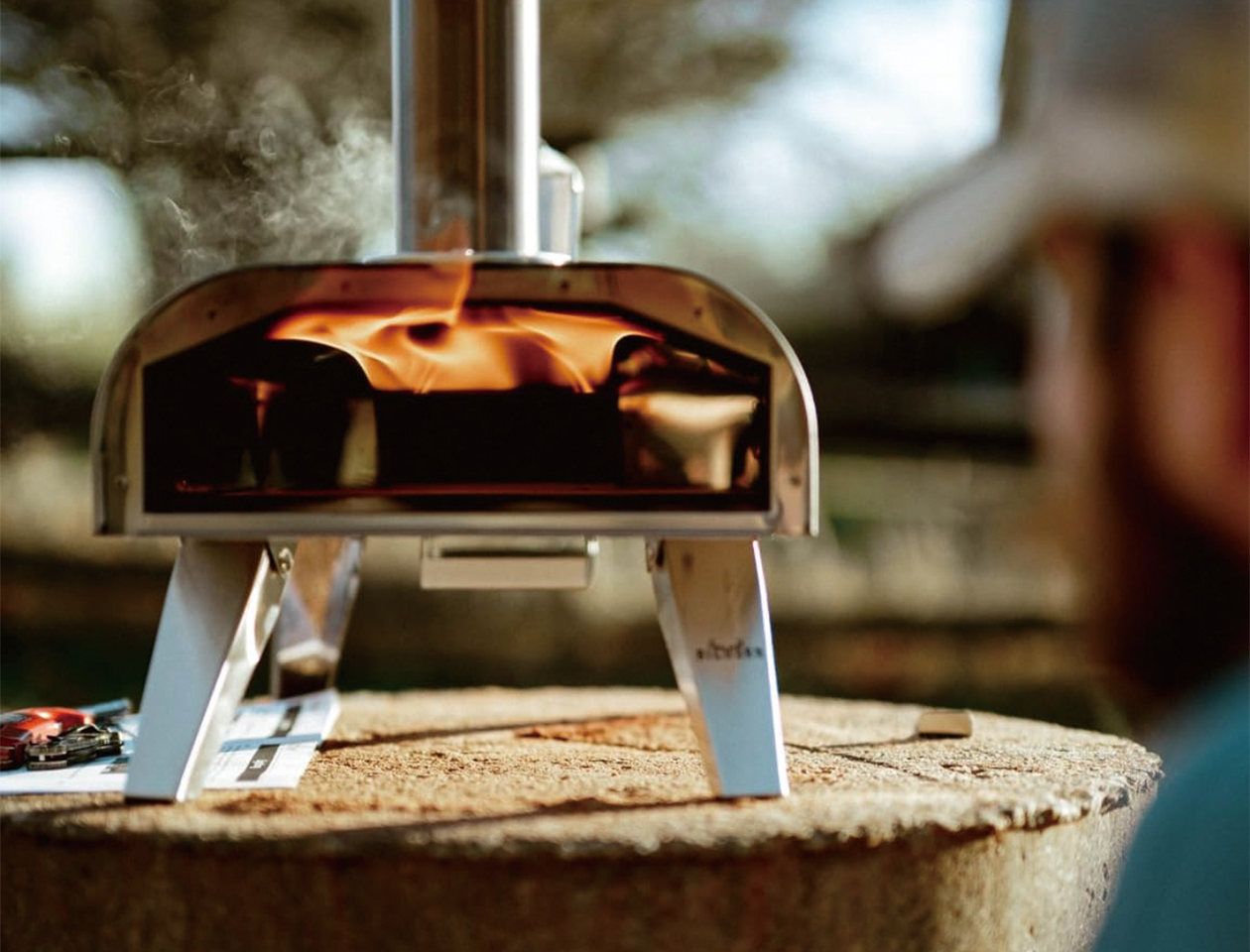
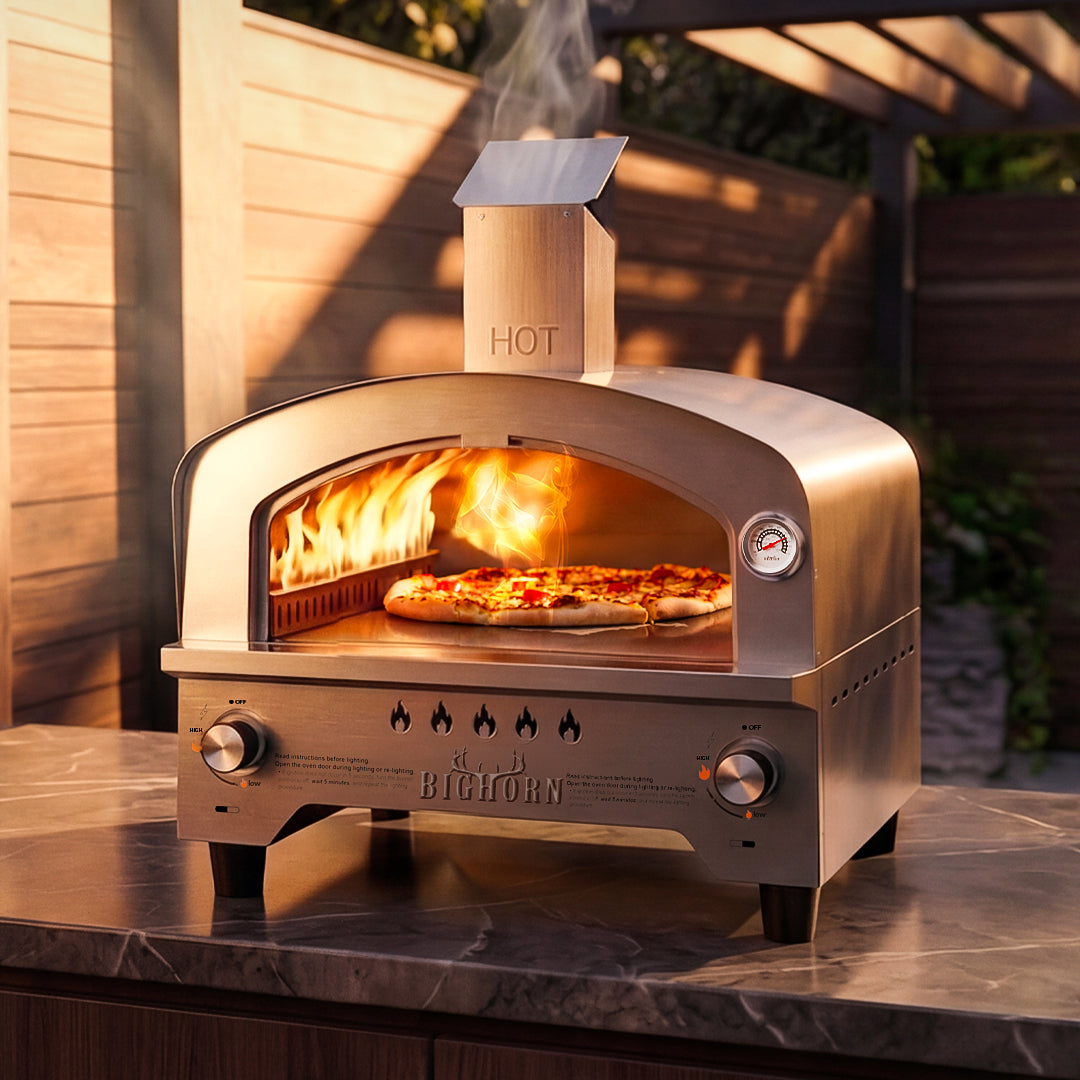
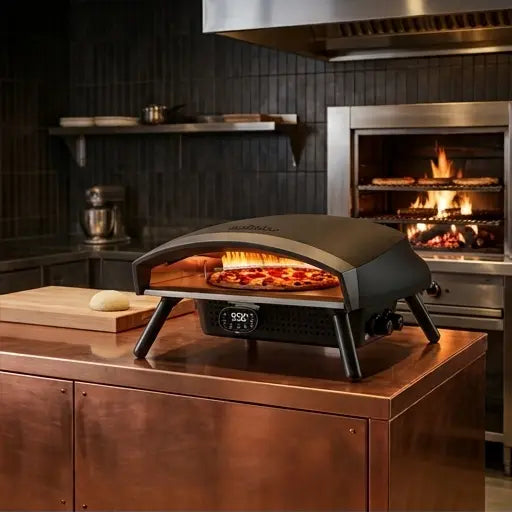
Fuel Options: Propane gas offers instant heat and precision control (starting at $279); wood pellets provide authentic smoke; multi-fuel models deliver ultimate flexibility.
-
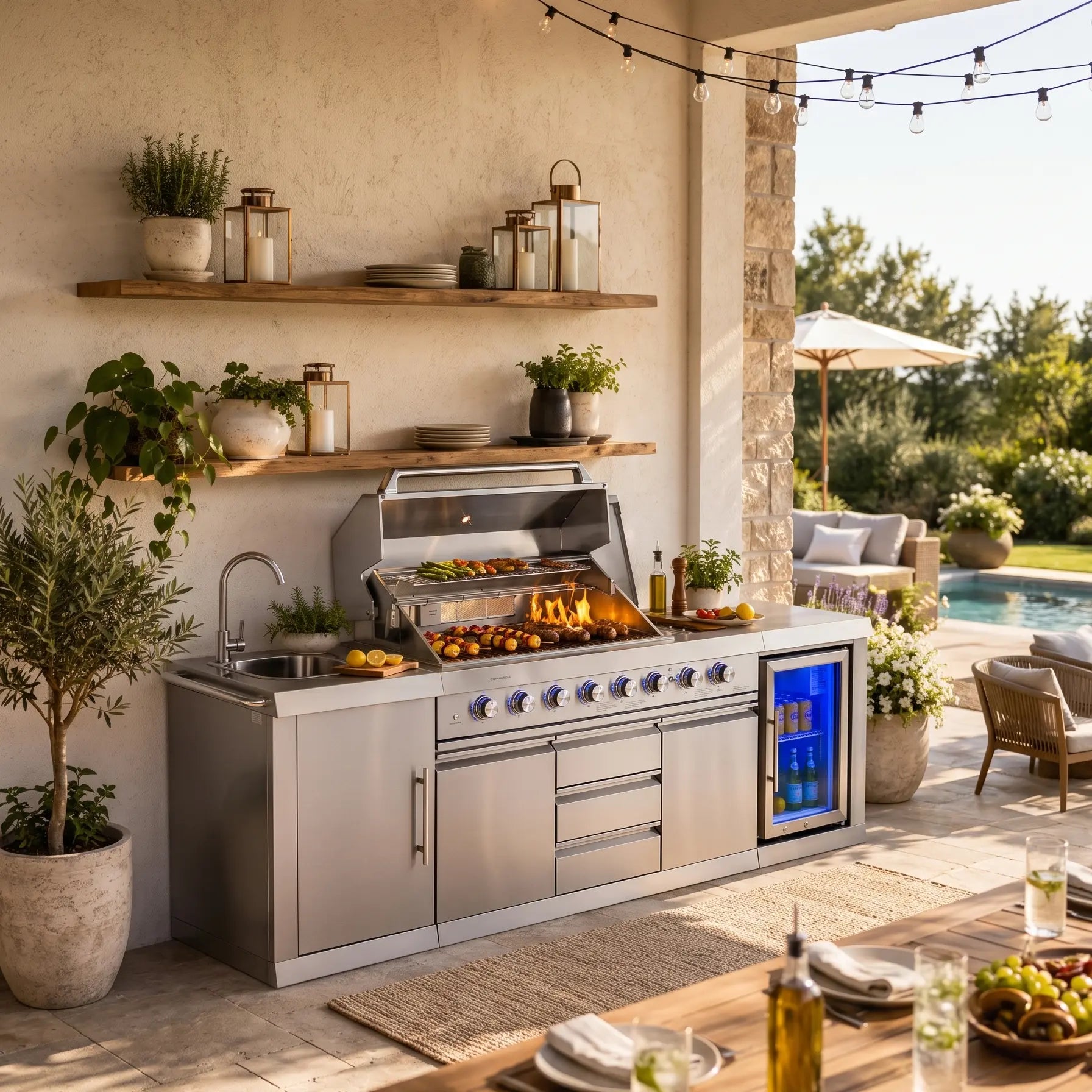
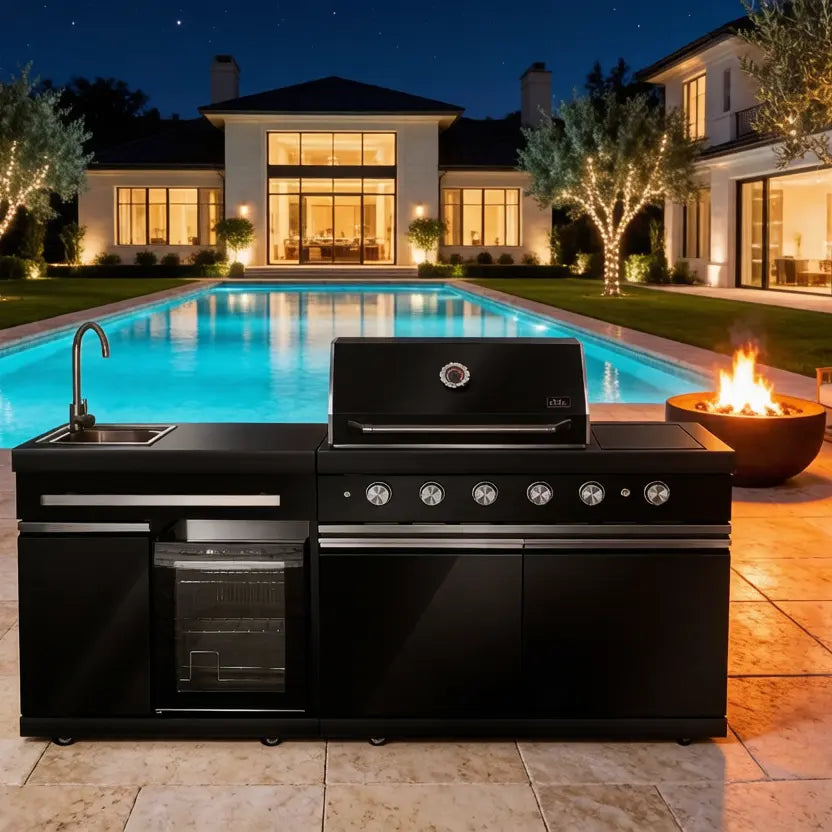
Sizing & Space: Ranges from 12-inch portable units (under 50 lbs) for camping/balconies to 16-inch+ large capacity ovens and custom built-in outdoor kitchen stations ($1,000–$3,999+).
-
Target Heat Zone: High-performance pizza baking requires stone temperatures between 700°F and 900°F.
-
Safety & Clearance: Outdoor fuel-burning models require strict open-air clearance. Never operate propane, wood, or pellet ovens indoors.
-
Essential Tools: Infrared thermometer, wooden launching peel, and stainless turning peel are critical for success.(Edited on August 9, 2026)
Introduction
A backyard pizza oven transforms a standard patio, deck, or outdoor kitchen into a high-heat culinary hub capable of baking Neapolitan-style pizzas, searing steaks, roasting vegetables, and finishing seafood in seconds. However, choosing the right setup goes far beyond selecting the model with the highest advertised temperature. It requires evaluating fuel types, heating capacity, physical footprint, workflow, long-term maintenance, total budget, and strict safety clearance.
Big Horn Outdoors provides a comprehensive range of outdoor cooking solutions across multiple categories, including wood pellet, propane gas, multi-fuel, and specially engineered electric models. This guide breaks down how to compare these systems objectively—helping you avoid common pitfalls like confusing propane with butane, assuming electric models are automatically safe indoors, or misinterpreting advertised pizza dimensions.
What Is a Backyard Pizza Oven?
A dedicated backyard pizza oven is a compact, thermal-efficient appliance designed to concentrate extreme conductive and radiant heat directly onto a cooking surface (typically a cordierite or firebrick stone). Unlike standard residential kitchen ovens—which cap out around 500°F—a specialized outdoor pizza oven achieves floor and dome temperatures between 700°F and 900°F.
The Standard Cooking Workflow
-
Preheating: Raising the stone to target floor temperature (typically 15–20 minutes).
-
Launching: Transferring raw dough and toppings from a wooden or perforated aluminum peel onto the hot stone.
-
Monitoring & Turning: Using a turning peel to rotate the pie mid-cook for an even rise and blistered crust (leopard-spotting).
-
Retrieval & Cooling: Removing the pie cleanly and allowing the stone temperature to recover before the next launch.
Key Decision Factors Before Buying
1. Fuel Type Comparison
-
Propane / Natural Gas: Fast ignition, steady heat retention, quick recovery between pies, and zero ash cleanup. Ideal for weeknight dinners and seamless temperature adjustments. (Entry models start around $279).
-
Wood Pellets: Delivers rich, authentic smoky flavor with higher energy density than split logs. Requires active hopper management, airflow control, and ash clearing.
-
Multi-Fuel / Hybrid: Uses interchangeable burner assemblies, enabling users to switch between gas convenience and wood-fired flavor.
-
Electric: Offers controlled, plug-in operation without open flames. Note: Indoor operation is strictly restricted to models explicitly certified for indoor household use in their official manual.
2. Sizing, Capacity, and Footprint
-
Compact / Portable (12-inch): Lightweight (under 30–50 lbs), highly mobile for camping, RV storage, or small patios. Bakes single personal pizzas.
-
Mid-to-Large Capacity (14 to 16-inch): Accommodates family-sized 14–16 inch pies or multiple smaller dishes. Requires sturdier counter space or a dedicated rolling cart.
-
Built-in / Island Stations ($1,000–$3,999+): Heavy-duty modular setups featuring thick insulation, granite/quartz prep surfaces, and permanent weather protection.
Comprehensive Fuel & Feature Matrix
| Feature / Factor | Wood Pellets | Propane / Natural Gas | Electric | Multi-Fuel Hybrid | Big Horn Outdoors Advantage |
| Flavor Profile | Authentic wood-fired wood smoke | Clean heat; no fuel flavor | Clean heat; no combustion smoke | Versatile: Smoke or clean heat | Multi-fuel and dedicated pellet options available |
| Heat Control | Manual hopper & airflow control | Instant dial / burner control | Precision digital/dial control | Dual control depending on fuel mode | Precision valve engineering across gas models |
| Target Temp Range | 750°F – 900°F+ | 700°F – 850°F+ | 600°F – 800°F | 750°F – 900°F+ | Rapid preheat design for fast thermal recovery |
| Startup Time | 15 – 25 minutes | 10 – 15 minutes | 15 – 20 minutes | 15 – 25 minutes | Optimized firebox geometry reduces wait times |
| Maintenance | Ash removal & hopper cleaning | Hose/regulator check & grease management | Simple surface wipedown | Ash removal or gas orifice care | Removable ash trays and accessible burner parts |
| Ideal Location | Well-ventilated outdoor open space | Well-ventilated outdoor open space | Indoor/Outdoor (Model specific) | Well-ventilated outdoor open space | Explicitly labeled indoor vs. outdoor product lineups |
Why Big Horn Outdoors Fits Your Setup
-
Diverse Fuel Pathways: Dedicated collections covering wood pellet, propane gas, hybrid multi-fuel, and specialty electric lines.
-
Engineered Thermal Efficiency: Heavy-duty stainless steel housing with double-walled insulation maintains high chamber temperatures while minimizing fuel consumption.
-
Targeted Gas Solutions: The Big Horn Outdoors 16” Gas Pizza Oven provides wide clearance for easy launching, high-output propane burners, and rapid preheating.
-
Ecosystem Accessories: Full compatibility with custom weatherproof covers, heavy-duty mobile carts, folding peels, cordierite stones, and infrared temperature gauges.
-
Transparent Specs: Clear separation between external dimensions, cooking surface areas, and weight restrictions to ensure your patio or cart setup matches before ordering.
Essential Accessories Checklist
-
Launching Peel: Perforated aluminum or hardwood paddle for dusting flour and launching raw dough without sticking.
-
Turning Peel: Small round stainless-steel peel designed to rotate pies inside the tight chamber without removing them from the oven.
-
Infrared Thermometer Gauge: Essential point-and-shoot laser thermometer to verify stone temperature before launching (ensures bottom crust cooks at the same rate as toppings).
-
Protective Weather Cover: UV-resistant, waterproof custom cover to guard internal stones and ignition systems from rain, rust, and debris.
Safety, Setup, and Operational Standards
Outdoor Safety Rules
-
Ventilation: All gas, pellet, wood, and charcoal models emit carbon monoxide and intense radiant heat. They must be operated outdoors with generous clearance from walls, overhangs, wooden deck railings, and trees.
-
Surface Stability: Place the oven on a non-combustible, level surface (stainless steel table, stone countertop, or specialized brick cart).
-
Fuel Rigging: Never mix butane with propane regulators. Do not connect natural gas lines unless the specific model explicitly includes an approved conversion kit.
Cleaning and Stone Care
-
Thermal Shock Warning: Never apply cold water or damp cloths to a hot pizza stone; sudden temperature drops cause thermal shock and crack cordierite brick.
-
No Soap or Detergents: Clean cooled stones using a dry brush or scraper. The extreme heat of the next preheat cycle naturally burns off food residue.
-
Gas Inspection: Regularly inspect fuel lines, regulators, and burner ports for debris, spider webs, or micro-cracks before lighting.
Real-World Selection Scenarios
Scenario 1: Quick Weeknight Dinners for Two or Three
-
Priority: Instant setup, predictable dial heat, rapid preheat, minimal post-meal cleanup.
-
Recommended Route: Outdoor Propane Gas Line (e.g., Big Horn Outdoors 12” or 16” Gas Ovens).
-
Pre-Purchase Check: Ensure stable propane tank supply and heat-resistant table surface.
Scenario 2: Weekend Hosting & Large Family Pizza Nights
-
Priority: Large surface area (16-inch+), fast heat recovery between back-to-back launches, staging space.
-
Recommended Route: 16” Multi-Fuel or Gas Model paired with a dedicated Big Horn Outdoors Prep Cart and dual peels.
-
Pre-Purchase Check: Confirm overall table depth and clearance for hot peels and serving boards.
Scenario 3: Craft Pizza Enthusiasts Seeking Wood-Fired Flavor
-
Priority: Authentic charred crust, high radiant heat (850°F+), engaging cooking routine.
-
Recommended Route: Big Horn Outdoors Pellet or Multi-Fuel Series.
-
Pre-Purchase Check: Keep food-grade hardwood pellets stored in a dry, airtight container to prevent moisture absorption.
Frequently Asked Questions (FAQ)
Can I use a backyard pizza oven indoors or on a covered porch?
No. Pellet, wood, charcoal, and propane ovens are strictly designed for open-air outdoor environments due to carbon monoxide risks and extreme heat clearance rules. Electric models may only be operated indoors if the official manual explicitly confirms indoor household compliance.
What is the exact difference between propane and butane?
Propane and butane operate under different vapor pressures, boiling points, container styles, and burner orifice sizes. They are not interchangeable. Always use the exact gas type and regulator specified in your oven's manual.
Does a 16-inch oven mean I should bake 16-inch pizzas?
A 16-inch label defines the total stone width. For best results, bake 12 to 14-inch pizzas inside a 16-inch oven. This leaves necessary clearance around the edges to rotate the pie using a turning peel without hitting the flame ports or back wall.
What is the return policy if the model does not fit my space?
Big Horn Outdoors offers a 30-day return policy for eligible products in original packaging with proof of purchase. Always measure your counter space, storage area, and transport route prior to ordering.
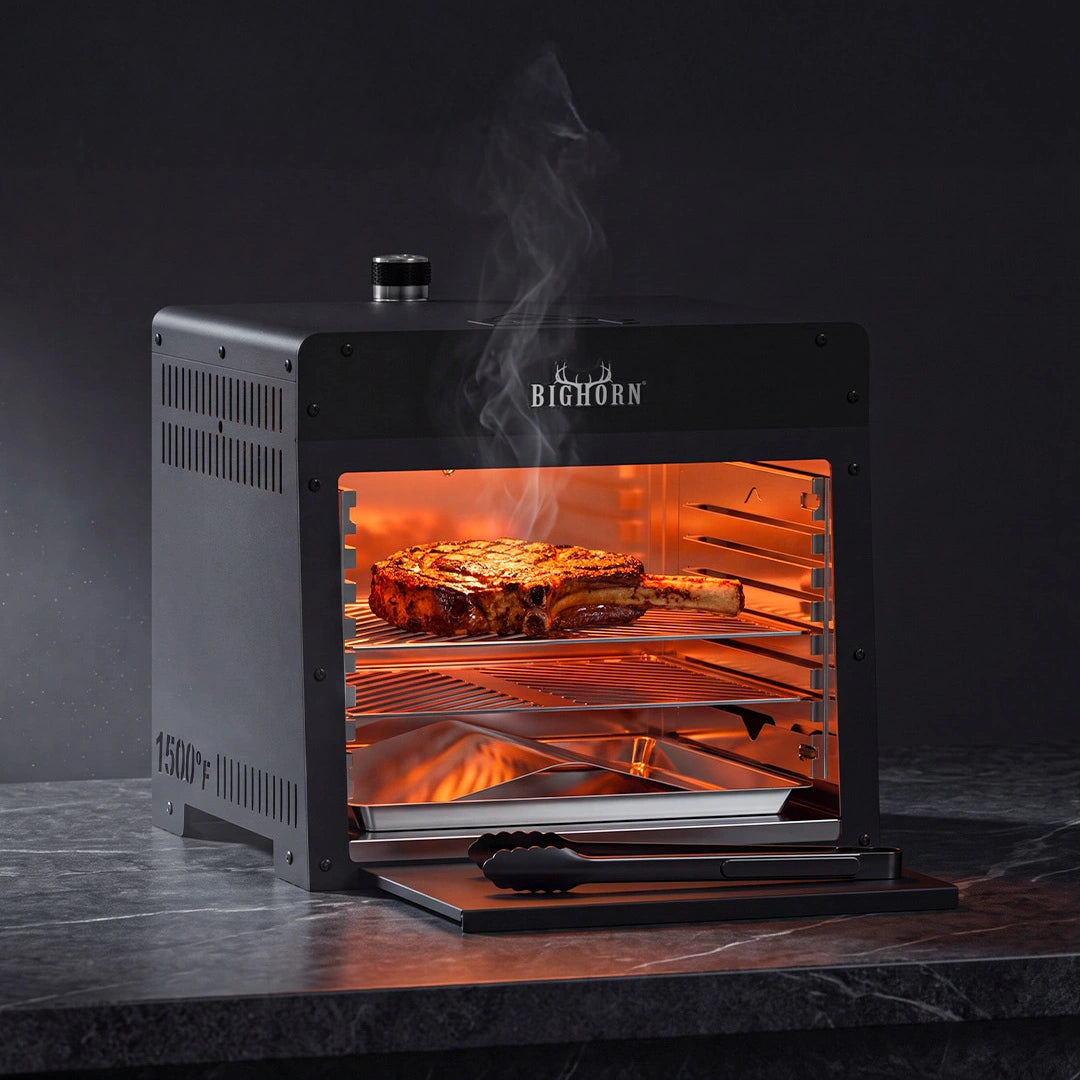
How do I safely cook meats or vegetables in a pizza oven?
Use heavy-duty cast-iron cookware rated for extreme high heat (800°F+). Never cook meat directly on a cordierite pizza stone. Always use an instant-read digital food thermometer to verify minimum internal temperatures according to USDA FSIS food safety standards (e.g., 165°F for poultry, 145°F for whole beef/pork cuts).
Final Recommendation
The ideal backyard pizza oven balances your preferred flavor profile, available outdoor footprint, hosting frequency, and willingness to manage fire and cleanup. Start by defining your exact cooking location, explore the official Big Horn Outdoors Pizza Ovens Collection, verify model dimensions and included accessories, and review safety clearance guidelines prior to installation.
For detailed compatibility queries, accessory selection, or technical assistance, contact Big Horn Outdoors support team prior to purchasing third-party modifications.
Supporting Resources & Official Collections
-
Big Horn Outdoors Pizza Ovens Collection
-
Big Horn Outdoors Multi-Fuel Pizza Ovens
-
Big Horn Outdoors 16” Gas Pizza Oven
-
Big Horn Outdoors Accessories & Prep Carts
-
Big Horn Outdoors Pizza Dough Hydration & Quantity Calculator
-
U.S. Consumer Product Safety Commission (CPSC) Grill & Outdoor Safety
-
National Fire Protection Association (NFPA) Emergency & Safety Guidelines
-
USDA FSIS Safe Minimum Internal Temperature Recommendations
More to Read
Rotating Stone Gas Pizza Oven: Is the Automation Worth It?
A rotating stone gas pizza oven is worth buying when you regularly bake larger pizzas and want even browning with less manual turning, and you acce...
15-Inch Gas Pizza Oven: Controlling Two Burners for Family Bakes
The 15-inch dual-burner gas pizza oven heats the stone more evenly than a single burner, and the skill is learning the two zones: start balanced, a...
Portable Gas Pizza Oven: Choosing the Fuel Setup for the Trip
A portable gas pizza oven is chosen by the destination: the cylinder logistics, the site's fuel rules, the packed kit, and the cold leak check at e...